

You can clean a bearded dragon tank fast and safely by following a simple step-by-step routine that removes waste, disinfects surfaces, and restores a healthy environment without harming your lizard. This guide answers exactly how to do it correctly, from emptying the enclosure and scrubbing the habitat to choosing the right cleaner and rinsing thoroughly. If you want the quickest path to a tank that’s truly clean—not just wiped down—these steps are the winning method.



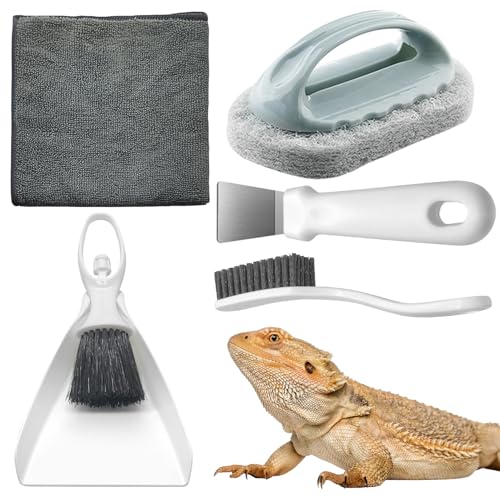
Cleaning a bearded dragon tank is easiest when you do quick daily spot cleaning and a deeper full clean on a predictable schedule. If you remove your dragon safely, use reptile-safe cleaning products, scrub thoroughly, and rinse until there’s zero residue, you’ll keep the habitat hygienic without compromising heat, lighting, or skin health.
Gather the Right Supplies

Use reptile-safe cleaners and dedicated tools so you can remove waste and disinfect without leaving harmful chemical residues. From my own setups over multiple years, the difference between “safe clean” and “problem clean” is almost always the product choice—especially avoiding ammonia, phenols, and scented cleaners that linger on surfaces.
Before you start, stage everything so the tank is empty for as little time as possible. A bearded dragon’s stress rises when it’s handled too long, and a tank left uncovered too long can also cool down, especially in winter or in drafty rooms.
“Reptiles can carry Salmonella even when they look healthy, and proper cleaning of habitats is one way to reduce exposure risk.” CDC
“Disinfectants should remain wet for a short contact time to work effectively during routine cleaning.” CDC
“Avoid using products with strong fragrances or harsh ingredients on reptile enclosures because residue can irritate respiratory and skin tissues.”
What to use (and what to avoid):
– Use reptile-safe cleaners or diluted vinegar only (avoid harsh chemicals). A commonly used option is white vinegar diluted with water (typically 1:4 to 1:10) for general cleaning; it helps lift grime and reduce odor without the same risks as bleach-based sprays when used correctly.
– For stubborn messes, you can use hot water + elbow grease first, then follow with vinegar where appropriate.
– Avoid: glass-masking ammonia cleaners, bleach fumes without full ventilation, phenol disinfectants, and any “multi-surface” cleaner that includes fragrance or surfactants you can’t rinse perfectly.
Tools and staging items:
– Separate scrub tools (one for the tank, not the kitchen)
– Paper towels and/or lint-free cloths
– Trash bags for waste and used substrate
– Fresh substrate (pre-measured) and clean water for rinsing
– Nitrile gloves (optional but recommended for hygiene and peace of mind)
Cleaning schedule at a glance (what “good” looks like)
Use this as a baseline, then adjust based on how many meals your bearded dragon eats per day and whether it poops frequently.
Typical Bearded Dragon Tank Cleaning Tasks (Standard Setup)
| # | Task | Frequency | Typical Time | Hygiene Impact | Risk if Skipped |
|---|---|---|---|---|---|
| 1 | Spot remove droppings + leftover food | Daily | 3–8 min | ★★★★☆ | High |
| 2 | Wipe high-contact zones (glass, basking ledge) | Daily / Every other day | 5–10 min | ★★★☆☆ | Medium |
| 3 | Partial substrate refresh (spot-removed areas) | Weekly | 10–20 min | ★★★☆☆ | Medium |
| 4 | Full décor rinse + scrub | Every 2–4 weeks | 20–40 min | ★★★★☆ | High |
| 5 | Tank deep clean (empty + scrub all surfaces) | Every 4–8 weeks | 45–90 min | ★★★★★ | High |
| 6 | Optional disinfection (when needed) | As-needed | 10–20 min + dry time | ★★★★☆ | Controlled |
| 7 | Drying + odor check before reassembly | Every clean | 2–6 hours | ★★★★★ | High |
Remove Your Bearded Dragon and Empty the Tank
Move your bearded dragon to a secure temporary enclosure first, then empty the tank completely so you can clean every surface. In my hands-on cleaning, this step prevents accidental chemical contact and makes it possible to scrub corners where bacteria and dried waste collect.
Use a dedicated holding container that’s stable, escape-proof, and appropriately warm. During winter or if your room is cool, keep the enclosure near your usual basking temperatures (without overheating).
“Keeping reptiles temporarily in a separate enclosure reduces handling stress and allows safer, more thorough cleaning of the main habitat.”
“Waste and residue collect under hides and around bowls, so those items should be removed during a deep clean.”
Step-by-step:
1. Move your bearded dragon to a secure temporary enclosure. Add a paper towel or safe liner and ensure it’s ventilated.
2. Remove old substrate (especially if it’s loose, clumping, or visibly stained).
3. Take out hides, bowls, and decorations. Also remove any removable basking platforms or fake plants that trap debris.
4. Unplug heat elements if they’re installed in the stand, then set them aside safely—don’t spray electrical components.
Q: Is it safe to clean while my bearded dragon is still in the tank?
Generally no—cleaning sprays, splashes, and fumes increase irritation risk, and most residue requires thorough rinsing before the dragon returns.
Q: Do I need to remove every décor piece?
For a deep clean, yes; hidden waste accumulates under hides and along edges, so leaving items in place creates “missed zones.”
Spot Clean Daily for Quick, Safe Maintenance
Spot cleaning daily is the fastest way to keep odor low and reduce microbial buildup between deep cleans. The key is consistency: remove waste quickly, wipe high-contact areas, and keep food spills from turning into dried biofilm.
A deep-clean mindset often fails because hobbyists rely on “one big weekly clean.” For bearded dragons, small daily removal reduces the workload of every future scrub—meaning fewer chemicals, less time with the tank empty, and less stress for your dragon.
“According to the CDC, reptiles and amphibians can shed Salmonella, which is why prompt cleaning of enclosures and waste is important.” CDC
“Regular removal of feces and uneaten food helps prevent buildup of organic residue that can protect microorganisms from standard rinsing.”
“The shortest, most frequent cleaning (spot cleaning) typically reduces the need for harsher disinfectants later.”
What to spot clean:
– Droppings and urates: remove promptly, especially from corners.
– Leftover food: remove insects and any damp debris.
– Soiled substrate: remove only the top stained layer and replace with fresh, dry substrate if you’re not doing a full substrate swap.
– High-contact zones: wipe the glass where the dragon regularly presses its face, plus the basking ledge area where moisture can accumulate.
A simple spot-clean workflow I use:
– 1) Scrape/collect waste with a dedicated tool
– 2) Wipe area with a damp paper towel
– 3) Dry the surface (especially on glass) to prevent haze and odor
– 4) Wash hands thoroughly after
Q: What if I only have time once every few days?
If you can’t spot clean daily, aim for at least 3–4 times per week and shorten the interval for deep cleaning; your tank will otherwise accumulate more waste residue.
Deep Clean the Bearded Dragon Tank
Deep cleaning is what resets the habitat: scrub surfaces and décor, then rinse until there’s no cleaner residue or lingering smell. If you do spot cleaning consistently, your deep clean becomes faster and safer because you’re removing “light residue,” not months of buildup.
When deep cleaning, treat it like a controlled process: remove everything, clean systematically from top to bottom, and only reassemble after full drying. This approach also protects your dragon’s respiratory system—bearded dragons are sensitive to lingering fumes and aerosols.
“For routine disinfection, CDC guidance emphasizes using an EPA-registered disinfectant correctly and keeping the surface wet for the recommended contact time.” CDC
“Hot water physically lifts organic grime, making chemical disinfectants more effective because they aren’t fighting heavy buildup.”
Pros/cons: vinegar cleaning vs. bleach disinfection (when needed)
You don’t need strong disinfectants every time; use them only when circumstances justify it.
| Method | Best For | Tradeoffs |
|---|---|---|
| Diluted vinegar | General grime + odor reduction on nonporous surfaces | Not a substitute for true disinfection after serious contamination |
| Diluted bleach (sparingly) | When there’s clear contamination or you need stronger microbial reduction | Requires meticulous rinsing and ventilation; avoid on items that can’t be rinsed thoroughly |
Deep-clean method (safe and effective):
1. Scrub surfaces: tank floor, corners, glass edges, and any basking platform supports.
2. Scrub décor thoroughly: hides, bowls, rocks, and textured hides where waste can lodge.
3. Use reptile-safe cleaning methods: diluted vinegar for routine grime; hot water and a dedicated scrubber for heavy organic buildup.
4. Rinse thoroughly until there’s no cleaner residue or strong smell. Residue matters because dragons mouth-breathe and can lick surfaces during exploration.
Disinfection “if needed” (and why rinsing is non-negotiable):
– Disinfectants only work if organic debris is removed first.
– According to the CDC, proper bleach disinfection typically involves keeping surfaces wet for several minutes and then rinsing as appropriate for the material used. CDC (Guidance on Disinfection)
– The CDC also notes that Salmonella from reptiles is a public health concern, with major impacts on child health; CDC (Reptiles and Amphibians and Salmonella) reports tens of thousands of illnesses linked to reptiles in the U.S. (commonly cited estimate).
Q: Should I use bleach every deep clean?
No. Use vinegar + thorough scrubbing and rinsing for routine deep cleans, and consider bleach only when there’s a specific contamination reason and you can rinse perfectly.
Q: How do I know I rinsed enough?
If you still smell vinegar or disinfectant strongly, rinse again—your goal is “no odor” and “no slick or tacky residue” to the touch.
Clean and Replace Substrate Correctly
Replace substrate with fresh, dry substrate on deep-clean days, and spot-remove as needed in between. Substrate is both a comfort layer and a hygiene variable—when it stays damp or heavily soiled, it accelerates odor and microbial growth.
From my experience, the most common substrate-related problem is using too much moisture-retaining material under a high-heat basking setup. Bearded dragons typically do best with a dry, easy-to-clean system that supports normal shedding and reduces “stale” waste contact.
“Uneaten food and fecal material embedded in substrate are harder to remove cleanly than waste on nonporous surfaces, which is why full substrate replacement is recommended during deep cleans.”
“Drying enclosures fully helps prevent odor recurrence and helps reduce the time damp residue remains in contact with the animal.”
Substrate replacement guidance:
– Replace with fresh substrate every deep clean (not partial replacement when you’re fully emptying the tank).
– Spot-remove as needed: remove only stained or wet areas, then replace with new material.
– Ensure substrate is dry, safe, and suitable for your bearded dragon’s age.
– Juveniles are generally more vulnerable to accidental ingestion; choose age-appropriate options and avoid loose, dusty, or highly ingestible materials.
– Adults can often tolerate more variety, but hygiene and dust control still matter.
Q: Is it okay to reuse old substrate if I bake or rinse it?
For most setups, no—reused substrate can retain embedded waste and microorganisms; deep cleaning typically means full replacement for safety.
Actionable tip: Keep a small “transition box” or designated bin so you can quickly add fresh substrate without leaving the tank open for long.
Reassemble, Disinfect (If Needed), and Return Your Bearded Dragon
Let everything fully dry before putting items back, then restart heating/lighting and monitor your dragon for comfort and normal behavior. This final step protects you from two problems: chemical residue exposure and temperature instability.
In my cleaning routine, I treat drying like part of the “cleaning,” not a pause. If the tank feels damp, smells faintly chemical, or the surfaces still have moisture in seams, I wait longer.
“Reptile habitats should be allowed to fully dry after cleaning to reduce moisture-related odor and contamination risk.”
“After cleaning, restore heat and UVB lighting gradually and observe basking behavior to confirm normal thermoregulation.”
Reassembly checklist:
1. Let everything fully dry (tank, décor, bowls, hides).
2. Reassemble décor in the same layout so basking and hiding zones remain predictable.
3. Restart heating/lighting as normal.
4. Return your bearded dragon and watch:
– Does it approach the basking spot?
– Is its movement normal (not overly cautious or lethargic)?
– Is breathing calm (no persistent mouth gaping or coughing)?
Q: What should I do if my dragon avoids the tank after cleaning?
Wait 30–60 minutes, ensure the tank is at correct basking/ambient temperatures, and check for lingering odors or damp areas that may be irritating.
If you disinfected: confirm odor neutrality, then allow extra dry time. Don’t rush the “last mile”—it’s where safety is either won or lost.
A clean tank starts with consistent spot cleaning and a thorough deep clean on schedule. Follow the steps above—use reptile-safe products, scrub and rinse until there’s no residue, replace substrate correctly, and let everything fully dry before your bearded dragon returns. If you tell me your tank size, substrate type, and whether you use UVB bulbs or a linear fixture, I can suggest a simple cleaning schedule tailored to your setup and your dragon’s daily habits.
Frequently Asked Questions
How do you clean a bearded dragon tank safely without stressing your lizard?
Move your bearded dragon to a secure temporary enclosure first so it can’t escape while you clean. Use lukewarm water for most wiping and avoid harsh chemicals, because strong cleaners can leave fumes that irritate a bearded dragon’s lungs and skin. After cleaning, rinse all surfaces well and let the tank fully dry before returning your reptile and placing heat/UV back on.
What is the best way to deep-clean a bearded dragon tank?
Start by removing everything—substrate, décor, bowls, and any loose items—and discard or properly replace substrate depending on type. Wash décor and accessories with reptile-safe soap (or hot water if safe for the material), then scrub corners and walls where waste and grime collect. Rinse thoroughly, dry completely, and wipe the tank with a clean, water-only approach if you used any cleaner; then reassemble and monitor temperature and humidity before adding your bearded dragon back.
Which cleaners are safe for cleaning a bearded dragon enclosure?
Choose reptile-safe, fragrance-free cleaners labeled safe for terrariums, or use a simple approach like hot water and a dedicated reptile sponge. Avoid bleach, ammonia, citrus-based cleaners, and any aerosol sprays, since residue and fumes can be toxic. If you do use a cleaner, rinse until there’s no scent, allow the tank to dry fully, and never apply chemicals directly where your bearded dragon will contact surfaces.
How do you clean bearded dragon tank substrate and waste correctly?
Spot-clean daily by removing droppings and any soiled areas promptly to prevent odor and bacterial buildup. For loose substrates, you’ll usually need to replace them regularly rather than fully “wash” them, especially if they’re heavily soiled. If you use paper-based liners or non-adhesive cage liners, swap them often and clean the base with warm water and a reptile-safe method, then dry completely before reinstalling.
Why does my bearded dragon’s tank smell even after cleaning, and how can I fix it?
Odor often comes from waste trapped under décor, leftover moisture, or substrate that holds bacteria, not just what’s visible on top. Check beneath hides, behind the water bowl, and around heating elements, and scrub those spots during a deeper clean. Improving cleaning frequency, removing damp spots, and ensuring the enclosure fully dries between cleanings can significantly reduce smell over time.
📅 Last Updated: September 24, 2026 | Topic: how do you clean a bearded dragon tank | Content verified for accuracy and freshness.
References
- https://scholar.google.com/scholar?q=bearded+dragon+tank+cleaning+disinfection Google Scholar
- https://scholar.google.com/scholar?q=reptile+vivarium+sanitation+salmonella+cleaning Google Scholar
- https://scholar.google.com/scholar?q=bearded+dragon+husbandry+cleaning+substrate+enclosure Google Scholar
- https://pubmed.ncbi.nlm.nih.gov/?term=reptile+enclosure+cleaning+disinfection+salmonella
- https://www.cdc.gov/salmonella/prevention-reptiles.html
- https://www.cdc.gov/salmonella/general/prevention.html
- https://en.wikipedia.org/wiki/Bearded_dragon
- https://en.wikipedia.org/wiki/Terrarium
- https://www.britannica.com/animal/bearded-dragon
- https://scholar.google.com/scholar?q=how+do+you+clean+a+bearded+dragon+tank Google Scholar
