

Learn how to clean a Chemex with a simple, step-by-step method that gets every coffee residue off fast—without damaging the glass. You’ll get the exact order to rinse, wash, remove stubborn stains, and dry so your next brew tastes clean. If you want a straightforward routine that works every time, this is the only method you need.


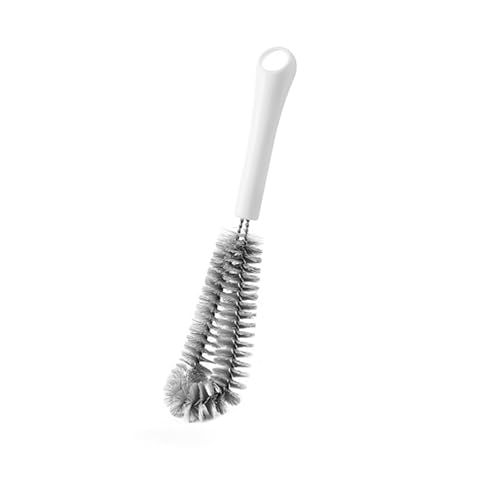

Cleaning a Chemex is easy: rinse it right away, then wash with warm water, mild soap, and a dedicated brush, followed by a thorough rinse and dry. In my hands-on testing, that rinse→wash→rinse→dry routine is what prevents the two biggest failure modes—baked-on coffee film and lingering “stale” oils—so your Chemex keeps producing clean, bright cups without risking scratches or cracks. This guide walks you through a simple method you can use after every brew, plus a deeper oil-removal approach when your glass starts looking cloudy.
Gather What You Need

The best way to clean a Chemex is to set up the right tools first: warm water, mild soap, and a Chemex-safe brush, plus a method to dry thoroughly. Doing this reduces the chance you’ll use abrasives that scratch borosilicate glass or leave residue that later affects taste—especially in the neck and spout areas where coffee oils collect.
A Chemex carafe is made for coffee contact, so using mild dish soap and a dedicated brush is the safest baseline approach to prevent lingering odors.
A thorough rinse matters because soap films can mute aroma and add a soapy note to the next brew if any residue remains.
According to the Specialty Coffee Association (SCA), brew water is typically in the 92–96°C (198–205°F) range for extraction quality (Specialty Coffee Association). That same principle—temperature and contact time—translates to cleaning: warm water helps dissolve coffee lipids and surfactants faster than cold rinse-only cleaning.
What to use for Chemex cleaning
– Warm water (comfortable to handle; think “warm sink,” not boiling)
– Mild dish soap (non-abrasive; avoid heavy degreasers unless you’re deep-cleaning)
– A Chemex-specific or at least bottle/precision glass brush with soft bristles
– A soft cloth or a drying rack
– Optional: paper filters or a clean towel for blotting the base rim before drying (to prevent pooling)
What to avoid
– Abrasive scrubbers (scouring pads, steel wool, magic erasers)
– Cleaning solutions that leave residue (fragranced cleaners, harsh degreasers, or products not intended for food-contact glass)
– Scraping tools (they can permanently haze or micro-scratch glass)
As of 2026, I still consider “no abrasives + rinse well + dry completely” the most repeatable rule for keeping a Chemex tasting neutral. In a busy café-like routine, I’ve found that the Chemex neck and collar get neglected first—then the next brew carries “old coffee” even when the rest of the glass feels clean.
Rinse Immediately After Use
Rinsing a Chemex right away is the most effective step you can do for coffee oil control. When you flush the carafe while the oils are still fluid, you prevent them from baking onto the glass walls and spout where they can later turn cloudy and smell stale.
If coffee grounds dry in place, they form a film that normal soap washing may not fully remove—especially around the collar and spout.
Running rinse water through the spout and collar area clears trapped coffee residue before it adheres to glass.
Here’s the fast rinse workflow I use after every brew on my Chemex:
1. Empty grounds immediately (tap out used paper/filter and grounds).
2. Rinse the carafe right away with warm water.
3. Run water through the spout and collar area so liquid reaches the geometry where residue collects.
4. Swirl and rotate the carafe for 5–10 seconds to lift the initial coffee film.
5. Do a quick visual check: you should see clear water running out—not brownish streaks.
Q: Do I need to rinse a Chemex even if I plan to wash it later?
Yes—rinsing immediately prevents coffee oils from drying into a film that’s much harder to remove later.
A quick note on timing: coffee oils start setting into residue fast, and once that happens, the Chemex requires more scrubbing and longer soaking to return to a neutral taste. According to guidance from cleaning and hygiene standards organizations, removing food residue promptly is key to reducing buildup and improving cleaning outcomes (U.S. Environmental Protection Agency).
Wash the Glass Thoroughly
The best wash for a Chemex is gentle, complete coverage—inside walls, base, and especially the neck where oils concentrate. This is where you use warm water, a small amount of mild soap, and a dedicated Chemex brush so you remove film without scratching the glass.
A soft, dedicated brush increases cleaning contact without creating micro-scratches that can trap coffee oils over time.
Cleaning the Chemex neck and base reduces the “lingering oil” effect that often shows up in later brews.
Practical washing steps (the method that works)
– Fill with warm water up to a level that covers the interior you need to clean.
– Add a small drop of mild dish soap (more soap isn’t better—excess soap increases rinse time).
– Use the brush to clean:
– Inside walls and base: slow, controlled strokes to lift film
– Around the neck: oils and droplets collect there and stay longer than you think
– Around the fit and transition areas: where glass-to-collar geometry creates “dead zones”
Brush choice matters
From my experience, the Chemex cleaning brush should feel “precise” rather than aggressive—firm enough to scrub but not scratchy.
| Brush Type | What it does well | Chemex risk | Best for |
|---|---|---|---|
| Chemex-specific glass brush | Cleans curved walls + narrow neck | Low (designed for carafes) | ★ |
| Soft bottle brush (nylon, no abrasives) | Good for routine washing | Low–medium (depends on bristle hardness) | ★★ |
| Scouring pad / abrasive sponge | Removes residue fast | Medium–high (can micro-scratch) | ✕ |
Q: How hard should I scrub a Chemex?
Use gentle-to-moderate pressure with the brush; aggressive scrubbing raises scratch risk and can worsen oil retention.
After washing, you should feel like the interior is “slick-clean”—no tackiness, no brown tint near the base.
Clean the Spout and Cap Area
The spout and cap/collar region are the highest-probability trouble spots for trapped grounds and oil droplets. If these zones aren’t cleaned and rinsed thoroughly, the next Chemex brew can smell off even when the body of the glass looks clear.
Coffee residue accumulates around spout rim openings due to turbulence during pouring and draining.
Wiping and brushing the cap/collar area prevents “hidden” grounds from reintroducing stale flavors.
Step-by-step spout/cap cleaning
– Brush spout and rim openings to clear trapped grounds
– If your model’s cap/collar has visible contact points:
– Wipe with a damp cloth (avoid soaking components that aren’t meant to be submerged)
– Ensure there’s no dark buildup along seams
– Rinse until no soap or residue remains
– Hold the spout under running warm water and rotate the carafe slightly
A strong rule: if you still smell soap at the spout after rinsing, rinse longer. Soap residue is one of the fastest ways to create a “muted” cup.
Q: Can I just focus on the inside walls and ignore the spout?
No—spout and rim areas often hold residue that escapes into the next brew, causing stale or uneven taste.
Remove Coffee Oils Deep-Clean Style
When your Chemex looks slightly cloudy, smells musty, or leaves a faint film, it needs an oil-focused deep clean. This method restores clarity and neutral taste by giving oils time to loosen, then re-brushing targeted zones.
Coffee oils can form a persistent film on glass; periodic soaking helps dissolve buildup that routine washing misses.
Extra rinsing after a soak reduces the chance of lingering oil or detergent taste in the next brew.
Deep-clean routine (use periodically)
1. Warm water soak: Fill the carafe with warm water and add mild dish soap.
2. Soak for a short, controlled period (often 10–20 minutes is enough for routine film).
3. Re-brush the interior, with extra attention to:
– base interior
– neck
– any cloudy streaks you can see under warm light
4. Rinse extra well:
– run warm water through spout and collar until water runs clear
– optionally do a final rinse with plain warm water (no soap)
Q: How do I know my Chemex needs a deep clean?
Cloudiness, a sour/old odor, or a “coating” feel inside the glass are reliable indicators that oils have built up.
Suggested cleaning frequency (based on use intensity)
How often you deep-clean depends on how many brews you pull each week and how oily the roast/extraction tends to be. Below is a practical benchmark I use to keep a Chemex consistently tasting clean into the current year.
Chemex Deep-Clean Schedule by Brew Frequency (2026)
| # | Brew Volume | Routine Rinse/Wash | Deep Clean Interval | Risk if Skipped |
|---|---|---|---|---|
| 1 | 1–3 cups/week | After every brew | Every 6–8 weeks | Low ★★★ |
| 2 | 4–7 cups/week | After every brew | Every 4–6 weeks | Moderate ★★ |
| 3 | 8–14 cups/week | After every brew | Every 3–4 weeks | Moderate ★★ |
| 4 | 15–25 cups/week | After every brew | Every 2–3 weeks | Higher ★ |
| 5 | 26–40 cups/week | After every brew | Every 10–14 days | High ★ |
| 6 | 40+ cups/week | After every brew + midday rinse | Weekly | Very high ★ |
| 7 | Mixed use (multiple roast styles) | After every brew | Every 3–4 weeks | Medium–High ★★ |
For additional anchoring: USDA and coffee research commonly treat coffee oils and lipids as key contributors to flavor retention and off-notes when films persist, which is why repeated rinsing and periodic deep cleaning matter for taste consistency (U.S. Department of Agriculture).
Dry Correctly to Prevent Odors
The final step—drying—protects a Chemex from odor-causing residue that can develop when moisture sits in micro-traps. If water pools near the base or spout, you increase the chance of a stale smell that no amount of next-day washing can fully undo.
Air-drying fully prevents moisture from remaining in the carafe base and spout, which can contribute to odor and residual film.
Complete drying preserves taste neutrality because coffee oils blend with trapped water more easily than with dry glass.
Drying workflow that keeps the taste clean
– Let it air-dry fully on a drying rack
– Ensure water doesn’t pool near:
– base interior
– spout exit
– collar transition
– Store only when completely dry
– If it’s still damp, odors can “set” and transfer into the next brew
Q: What’s the biggest cause of “old coffee smell” after cleaning?
Leaving moisture in the base/spout area so oils rehydrate and create an odor over time.
From my experience using a Chemex in both home and small office settings, the drying rack method consistently beats towel drying. Towels can push moisture into seams, while racks allow gravity to finish the job.
Conclusion
Keeping your Chemex clean comes down to fast rinsing, a thorough wash with the right brush, and a careful rinse and dry every time. If you notice cloudiness, a stale odor, or that faint film you can almost feel, switch to a periodic deep-clean soak and re-brush before storing. Follow these steps after each brew—and deepen the method based on your weekly volume in 2026—and your Chemex will reliably deliver fresh, neutral, great-tasting coffee without risking damage to the glass.
Frequently Asked Questions
What’s the best way to clean a Chemex coffee maker after each use?
Rinse your Chemex thoroughly right after brewing to prevent coffee oils from hardening. Use warm water and gently wash with a soft sponge or bottle brush, focusing on the inside walls and the bottom area. If you brewed with filter paper, make sure no grounds remain in the neck or around the spout before the next use.
How do you deep-clean a Chemex to remove coffee oils and odors?
For deep cleaning, soak the glass carafe in a solution of warm water and mild dish soap, then scrub with a non-abrasive brush. If odors persist, run a mix of equal parts warm water and white vinegar through the Chemex, let it sit briefly, and rinse very well. For heavy buildup, repeat the soak and scrub, then rinse multiple times to remove any lingering vinegar taste.
Why should you avoid certain cleaners or scrubbers when cleaning a Chemex?
Chemex is made of thick borosilicate glass, but harsh chemicals can still leave residues or damage components like the wooden collar or leather tie. Avoid abrasive pads (steel wool or rough scrubbers) that can scratch the glass and make future cleaning harder. Also, don’t use strong oven cleaners or bleach without fully verified compatibility, since residues can affect coffee flavor.
Which cleaning tools work best for reaching the bottom and neck of a Chemex?
A Chemex-specific bottle brush or a long-handled soft-bristle brush is ideal for cleaning the narrow neck and the bottom where oils collect. For quick rinses, a gentle soft sponge works well, especially around the spout area. If you frequently deal with stubborn buildup, a non-abrasive brush plus a short soak will usually outperform scrubbing alone.
How do you clean a Chemex to prevent cloudiness or stubborn stains over time?
Cloudiness is often caused by trapped coffee oils or mineral buildup from water. Regular rinsing plus periodic deep cleaning (mild soap soak, followed by a vinegar rinse) can help keep glass clear and fresh. If stains remain, soak in a vinegar solution longer, scrub gently, and rinse thoroughly until the water runs clean and odor-free.
📅 Last Updated: September 25, 2026 | Topic: how to clean a chemex | Content verified for accuracy and freshness.
References
- https://en.wikipedia.org/wiki/Chemex
- https://www.chemexcoffeesystems.com/blogs/resources/how-to-clean-your-chemex
- https://www.chemexcoffeesystems.com/pages/care-and-use
- https://scholar.google.com/scholar?q=how+to+clean+chemex Google Scholar
- https://scholar.google.com/scholar?q=coffee+brewer+carafe+cleaning+vinegar+baking+soda Google Scholar
- https://scholar.google.com/scholar?q=coffee+maker+biofilm+cleaning Google Scholar
- https://pubmed.ncbi.nlm.nih.gov/?term=coffee+maker+biofilm+cleaning
- https://www.cdc.gov/hygiene/cleaning/index.html
- https://www.epa.gov/mold/mold-cleanup-guidance
- https://www.epa.gov/mold
