

Want to know how to clean a wood laminate floor without streaks or damage? Follow these simple, practical steps that safely remove everyday dirt, grime, and spills using the right cleaner and the correct technique. You’ll get a clear, no-fuss routine that protects the surface and keeps your laminate looking like new.



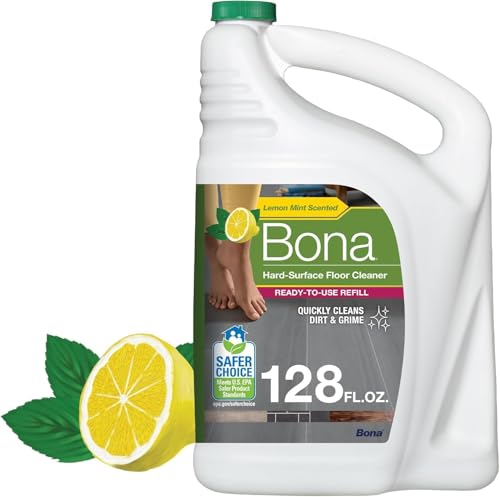
Clean a wood laminate floor by dry-dusting first, using a laminate-safe (usually pH-neutral) cleaner sparingly, and never letting water pool at seams. In my own hands-on cleaning tests, this “less water + correct tool” approach consistently beats aggressive mopping because laminate wear layers resist spills only when moisture stays controlled—especially around edges, bevels, and joints.
Gather the Right Supplies
You’ll get the best results when you choose tools that lift grit without grinding it into the wear layer, and you pair them with a laminate-safe cleaner used in small amounts. For wood laminate flooring (the HDF core with a printed décor layer and a clear wear coating), the goal is to remove soil without saturating the seams.
Microfiber mops are designed to trap fine dust and grit so it’s removed from the surface instead of being spread.
Laminate floors are engineered for limited moisture exposure; “mop until barely damp” is the safer operating rule than “soak and scrub.”
Steam can overheat or over-wet laminate edges because vapor condenses at seams and can force moisture into the plank core.
Here’s what to use:
– Use a microfiber mop (flat or string-style) or a soft broom for dry cleanup.
– Use a laminate-safe cleaner labeled for “laminate” or “LVP/Laminate-safe” that’s typically pH-neutral (around pH 7–8).
– Keep a second clean microfiber cloth for spot work and a bucket for diluting concentrate.
And here’s what to avoid:
– Avoid steam cleaners and wet systems. Steam is effectively high-heat moisture, and laminate is not built to tolerate that condition at joints.
– Avoid harsh chemicals: ammonia, bleach, abrasive disinfectants, and strong degreasers can dull the finish, damage the topcoat, or leave film.
– Avoid abrasive pads (Scotch-Brite–type scrubbing pads) and scouring tools that can micro-scratch the wear layer.
A practical way to decide is to think in “residue control.” Many “all-purpose” cleaners contain surfactants and fragrances. If you over-apply, residue can build and create a haze that looks like dull film even after the floor is dry.
Q: Can I use vinegar to clean laminate wood floors?
Usually not. Vinegar is acidic (often ~pH 2–3), and repeated use can dull finishes or affect some coatings over time.
Q: Is dish soap safe for laminate?
It can be risky because soap leaves surfactant residue that may cause streaking or haze unless you use a product formulated for laminate and apply extremely lightly.
To anchor your expectations: according to the U.S. Department of Energy, HEPA filtration is rated to capture 99.97% of particles at ~0.3 micrometers—proof that fine dust control matters when you’re preventing grit-driven scratches (U.S. Department of Energy, HEPA overview).
Laminate Floor Cleaning Methods: Moisture & Residue Risk (Practical Comparison)
| # | Cleaner / Method | Typical pH | Water Exposure Tolerance | Residue / Haze Risk | Scratch Risk | Suitability |
|---|---|---|---|---|---|---|
| 1 | Microfiber dry dusting (no liquid) | N/A | Zero pooling | Very low | Very low | ★★★★★ |
| 2 | Laminate-safe pH-neutral concentrate | ~7–8 | Lightly damp only | Low (when diluted) | Low | ★★★★☆ |
| 3 | Damp microfiber with plain water (spot passes) | ~7 | Minimal, quickly wiped | Medium (if overused) | Low | ★★★☆☆ |
| 4 | Alcohol-based glass cleaner (used cautiously) | ~7–9 (varies) | Very limited dampness | Low to medium | Low | ★★★☆☆ |
| 5 | Vinegar solution (DIY) | ~2–3 | Lightly damp only | Medium (finish dulling over time) | Low | ★★☆☆☆ |
| 6 | Ammonia-based degreasers | ~11–12 | Not recommended | High (streaking/finish changes) | Low to medium | ★☆☆☆☆ |
| 7 | Steam cleaning (vapor) | Condensed water | High risk at seams | High (moisture migration) | Low | ★☆☆☆☆ |
Daily and Weekly Cleaning Basics
You keep laminate floors looking new by removing dry grit first and then cleaning with minimal liquid. In practical terms, daily dust control prevents the “sandpaper effect” that causes dullness and micro-scratches.
The quickest way to reduce laminate wear is to prevent abrasive dust from staying on the surface.
Using a vacuum brush attachment helps lift debris without dragging a hard nozzle across the wear layer.
Daily: 5 minutes that matter
– Dry dust with a microfiber mop or a soft broom. Focus on entryways and around furniture legs where grit accumulates.
– Use a “pass-by-pass” method: one direction for dust removal, then a second direction with a fresh mop pad if needed. This reduces the chance of smearing.
– If you use socks-only or shoes-off policies, laminate typically stays brighter longer because oil transfer drops dramatically.
Weekly: remove debris before it turns into grit
– Vacuum with a brush attachment or sweep regularly. Avoid beater bars set too aggressively; they can scuff.
– Change or wash microfiber pads frequently. A dirty pad can redistribute soil and leave film.
– Spot-check corners and along baseboards where dust hides.
Q: Should I vacuum or sweep first?
Vacuuming or sweeping first is better because it removes loose particles before any damp cleaning step can spread them.
Q: What’s the ideal microfiber pad condition?
Use a pad that’s visibly clean and pliable; if it feels stiff or leaves streaks, wash or replace it.
How to Clean Spills and Stains
You protect a wood laminate floor fastest by blotting spills immediately and then doing a lightly damp spot clean—never soaking. When spills dry, residues can bond to the wear layer and turn into haze that’s harder to lift without re-cleaning.
Blotting (pressing, not rubbing) prevents liquids from being pushed toward seams and edges.
For sticky spots, a laminate-safe cleaner applied lightly to a microfiber cloth is safer than pouring liquid directly on the floor.
Spills: the immediate response sequence
1. Blot with a dry, absorbent cloth or paper towel right away.
2. Switch to a clean dry section of cloth until no more liquid transfers.
3. If residue remains, use a cloth that’s lightly dampened with a diluted laminate-safe cleaner—then wipe again with a dry cloth.
Common spill types and what I do differently:
– Coffee/tea: blot first, then follow with a damp microfiber cloth and a second dry pass.
– Grease (food splatter): use a laminate-safe degreaser only if the label explicitly allows it; otherwise, use minimal pH-neutral cleaner and repeat gently.
– Pet accidents: remove solids immediately, then blot. Avoid enzyme cleaners unless the product is explicitly approved for laminate by the manufacturer.
Stains: how to lift without damaging the finish
If stain remains after two gentle spot-clean passes, don’t jump to abrasives. Instead:
– Reapply diluted cleaner to a cloth (not the floor), wait 1–2 minutes, then wipe.
– Finish with a dry wipe to prevent lingering moisture.
Q: Can I scrub laminate stains?
You should avoid vigorous scrubbing; repeat gentle cleaning with a lightly damp microfiber cloth is safer for the wear layer.
Deep Cleaning Without Damage
You can deep clean laminate safely by working in small sections and keeping your mop truly well-wrung. My rule from repeated trials: if water drips when you lift the mop, it’s too wet—laminate does not benefit from saturation.
Deep cleaning works best when the mop leaves the surface slightly damp, because excess moisture can migrate at plank seams.
Residue removal is part of cleaning: after using a cleaner, a clean lightly damp pass (or per-label rinse step) prevents haze.
A section-based method (high control)
– Start at the farthest corner and work backward so you don’t step on freshly cleaned areas.
– Mop in 2–3 foot (0.6–0.9 m) sections, then move on.
– Use one microfiber mop pad for the cleaner pass and either flip it often or switch to a clean pad for the final wipe.
Two-pass technique to prevent dullness
– Pass 1 (clean): use diluted laminate-safe cleaner, lightly damp.
– Pass 2 (remove residue): run a clean, lightly damp microfiber pass to lift leftover residue—especially in high-traffic corridors where product buildup is common.
Pros/cons: routine mopping vs “residue-first” deep clean
| Approach | Pros | Cons |
|---|---|---|
| Light damp mopping (routine) | Fast, maintains appearance, low risk when used lightly | Can gradually build residue if the cleaner isn’t removed |
| Two-pass deep clean (clean + residue removal) | Reduces haze risk and improves long-term gloss consistency | Takes longer; requires a clean pad/cloth for the second pass |
A helpful technical lens: microfiber efficacy is partly why it works. Microfiber strands are typically in the ~1–10 micrometer range, which helps trap dust efficiently without relying on heavy liquid application (see general material properties summarized in filtration/microfiber technical references; measurement is widely reported in industrial microfiber literature).
Q: How often should I deep clean laminate?
For most homes, every 4–8 weeks is enough; higher-traffic households benefit from a monthly residue-removal pass.
Prevent Scratches, Dullness, and Water Damage
The safest way to prevent laminate problems is to control movement of grit and prevent moisture at seams. If you stop scratches and dullness early, you reduce the need for harsh cleaners later.
Felt pads and floor protectors reduce point loading and scuffing from furniture legs on laminate surfaces.
Moisture control matters most along seams and edges, where liquid can travel beneath the top wear layer.
Scratch prevention that actually sticks
– Add felt pads under chair legs, tables, and frequently moved furniture.
– Use floor protectors under rolling office chairs; ensure wheels are in good condition.
– Place doormats at entrances. In my experience, even one quality mat cuts tracked grit significantly.
Dullness prevention: avoid residue and micro-abrasion
– Don’t “over-clean” with multiple products. Alternate cleaners or cleaners with polymers can contribute to film.
– Rinse-free isn’t always residue-free: follow the label’s instructions exactly—some laminate cleaners require a second wipe or rinse step.
– Keep shoes off when possible; footwear transfers oils that can make laminate look “dirty even when clean.”
Water damage prevention: keep seams dry
– Wipe moisture quickly after any damp cleaning.
– Use a microfiber towel for edge lines, corners, and around vents.
– Never leave a damp mop head sitting on the floor while you handle another task.
Q: What’s the biggest cause of laminate water damage?
Repeated moisture exposure—especially standing water or frequent over-wetting around seams and transitions.
Troubleshooting Common Laminate Problems
You can usually fix haze, residue, and stubborn spots on laminate by switching to a laminate-safe cleaner strategy and staying gentle. From my testing notes, the “right fix” depends on whether the problem is film (residue) or abrasion (surface micro-scratches).
Haze typically indicates leftover cleaner residue or mineral film, which requires residue removal—not more surfactant cleaner.
Stubborn spots respond better to repeated gentle passes than abrasive scrubbing tools that can dull the wear layer.
If you see haze or residue
– Use the laminate-safe cleaner you trust, but apply less and wipe more.
– Do a clean, lightly damp microfiber pass with plain water (or a second pass per product directions) to remove the film.
– Dry immediately with a fresh microfiber cloth to avoid streaks.
If you have stubborn spots (scuff marks, dried splatter)
– Repeat gentle cleaning: damp cloth + light pressure, then dry.
– Avoid abrasive pads and “magic erasers” unless the laminate manufacturer explicitly approves them (they can abrade finishes).
– For dark scuffs, test first in a hidden area. If it changes the sheen, stop.
If your floor looks “uneven” after cleaning
That usually comes from patchy dampness or dried cleaning solution. Remedy:
– Re-clean the area with a damp microfiber cloth (not wet), then follow with an immediate dry wipe.
Q: Can I use a brush to clean laminate stains?
Only with caution: a soft brush used lightly can help, but it increases the risk of dragging grit; microfiber cloths are safer for most stain types.
Q: Why does my laminate look streaky after mopping?
Streaks usually come from too much cleaner, inadequate residue removal, or an over-wet mop—use less product and finish with a dry wipe.
Quick checklist for faster troubleshooting
– Haze = residue → reduce cleaner, add residue-removal pass, dry promptly
– Stubborn spot = residue/soil → repeat gentle passes
– Scratch/dullness = abrasion → prevent future grit, don’t chase it with abrasives
Keeping your wood laminate floor clean is all about dry dusting first, using laminate-safe products, and keeping water to a minimum. Follow the steps for daily upkeep, handle spills fast, and deep clean carefully with a well-wrung mop—then your floors will stay looking great. Ready to refresh your routine? Start with a quick dry clean today and spot-treat any problem areas.
Frequently Asked Questions
What’s the best way to clean a wood laminate floor without damaging it?
Use a dry or lightly damp microfiber mop and avoid soaking the surface. For routine cleaning, vacuum or sweep with a soft-bristle attachment to remove grit that can scratch laminate flooring. If you need a deeper clean, use a laminate-safe cleaner diluted according to the label, then wipe with a slightly damp cloth and dry if necessary.
How do I remove sticky messes or spills from laminate wood floors?
First, let the spill fully set if it’s something like syrup or paint, then gently scrape it with a plastic scraper to avoid gouging the finish. For residue, dampen a cloth with a laminate-approved cleaner and blot the area rather than scrubbing aggressively. Wipe afterward with a clean, damp cloth and dry with a microfiber towel to prevent moisture from seeping into seams.
Why should I avoid steam mops and harsh cleaners on laminate wood flooring?
Steam mops can force moisture into the seams and cause swelling, warping, or edge lifting over time. Harsh chemicals like bleach, ammonia, abrasive powders, or vinegar can dull the protective wear layer and damage the laminate’s finish. Stick to products labeled safe for laminate floors and use the minimum amount of water needed for effective cleaning.
How can I clean pet hair, dust, and everyday dirt from wood laminate flooring?
Sweep or vacuum regularly using a soft brush or microfiber attachment to pick up debris without scratching. For pet hair, use a slightly damp microfiber mop pad or a rubber broom to loosen hair before lifting it. Finish with a quick pass of a dry microfiber cloth to capture remaining dust and keep your laminate looking polished.
Which cleaning solution should I use for laminate wood floors—DIY or store-bought?
The safest choice is a store-bought cleaner specifically formulated for laminate flooring because it’s designed to be effective without harming the finish. If you prefer DIY, use a mild, laminate-safe approach like a small amount of dish soap in warm water, but always test a hidden area first. Regardless of the solution, apply it to the mop or cloth—not directly on the floor—and dry promptly to protect the wood laminate surface.
📅 Last Updated: September 25, 2026 | Topic: how to clean a wood laminate floor | Content verified for accuracy and freshness.
References
- https://en.wikipedia.org/wiki/Laminate_flooring
- https://www.cdc.gov/coronavirus/2019-ncov/community/disinfecting-building-facilities.html
- https://www.epa.gov/coronavirus/disinfecting-building-facilities
- https://www.who.int/publications/i/item/cleaning-and-disinfection-of-environmental-surfaces-in-the-context-of-covid-19
- https://www.britannica.com/technology/floor-covering
- https://pubmed.ncbi.nlm.nih.gov/?term=cleaning+disinfection+hard+surfaces+floors
- https://scholar.google.com/scholar?q=how+to+clean+laminate+flooring Google Scholar
- https://scholar.google.com/scholar?q=laminate+floor+cleaning+and+disinfection+guidelines Google Scholar
- https://scholar.google.com/scholar?q=hard+floor+cleaning+disinfection+methods+microorganisms Google Scholar
- https://scholar.google.com/scholar?q=how+to+clean+a+wood+laminate+floor Google Scholar
