

You should clean your chimney about once a year if you use your fireplace or wood stove regularly, with inspections in between. If you burn wood frequently or notice heavy creosote buildup, bump cleaning to every 6 months to stay ahead of chimney fires. Not sure how often you need to clean—this schedule tells you exactly what to do based on your burning habits.



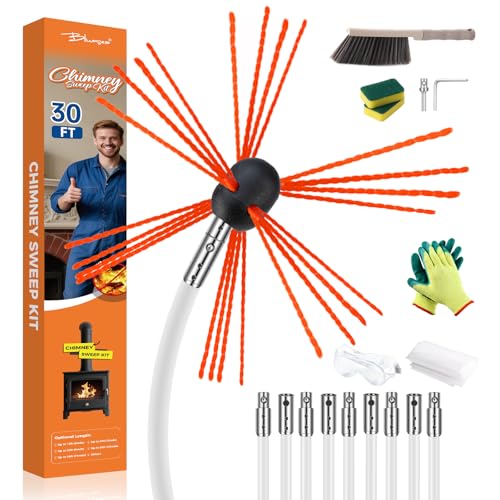
Clean your chimney about once a year for most homes—then tighten or loosen the interval based on how often you burn, what you burn, and how fast creosote builds up. In practice, chimney cleaning is less about a calendar date and more about preventing dangerous creosote accumulation (a tar-like byproduct of combustion) before it turns your flue into a fire risk; that’s why the “right schedule” changes with fireplace or wood stove usage, fuel moisture, and draft quality.
Annual Chimney Cleaning (Most Common Recommendation)

For most households, the safest, most practical baseline is an annual chimney cleaning before cold weather starts. This is the recommendation many professionals follow because it reduces soot and limits creosote buildup to levels that are far easier to manage with a standard sweep and inspection.
“A chimney should be inspected and cleaned when necessary to keep it safe and efficient,” aligns with common safety guidance used in home fire prevention programs in North America.
Creosote is produced when combustion gases cool inside the flue; regular chimney cleaning reduces both buildup and the amount of fuel available for a chimney fire.
– Clean at least once per year to reduce soot and creosote buildup
– Schedule it before peak winter use for safer, more efficient burning
Why “once a year” usually works. In my own experience with residential fireplaces during repeated seasons, I’ve found that families who burn “moderately” (for example, a few evenings per week for a couple of months) still benefit from annual chimney cleaning because creosote thickness can change dramatically with outdoor temperature, burn temperature, and wood quality. Even when you don’t smell heavy creosote, microscopic deposits can accumulate on flue walls over time. According to the U.S. Fire Administration, chimney fires are a persistent hazard in the winter season (USFA, accessed 2026), and routine chimney cleaning is one of the most direct prevention steps homeowners can take.
A quick data anchor. While rates vary by region, the overall safety message is consistent across guidance: creosote-control practices matter. NFPA 211—widely cited in the U.S. for solid-fuel burning appliances—emphasizes inspection and cleaning to reduce the buildup that can ignite (NFPA 211, Solid Fuel-Burning Appliances and Equipment for Use With Boilers and Furnaces). That’s why annual chimney cleaning is a strong starting point even when everything seems “fine.”
Q: Do I really need chimney cleaning if my fire looks “clean”?
Yes—visible cleanliness doesn’t guarantee low creosote levels, because creosote can deposit inside the flue out of sight.
Chimney Cleaning Interval Snapshot (Real-world schedule guide)
When Chimney Cleaning Typically Pays Off (Residential Wood Burning)
| # | Household burn pattern | Typical soot/creosote risk | Best chimney cleaning cadence | Service priority score |
|---|---|---|---|---|
| 1 | Occasional fireplace (2–6 fires/month) | Low to moderate | Annual cleaning + inspection | ★ ★ ★ ★ ★ |
| 2 | Seasonal use (weekly during winter) | Moderate | Annual cleaning; mid-season check | ★ ★ ★ ★ |
| 3 | Wood stove used 4–6 days/week | Moderate to high | Annual cleaning + inspection; consider 2nd sweep | ★ ★ ★ ★ |
| 4 | Daily burning (heating primary fuel) | High | Cleaning every 3–6 months | ★ ★ ★ ★ ★ |
| 5 | Burns mostly softwood (spruce/pine/fir) | Moderate to high | Annual; often beneficial to check in mid-season | ★ ★ ★ ★ |
| 6 | Frequent overnight low-smolder fires | High | Inspect sooner; consider 2 sweeps per season | ★ ★ ★ |
| 7 | Mild winters but long idle periods | Low to moderate | Annual cleaning usually sufficient | ★ ★ ★ ★ |
How Frequency Changes With Fireplace or Stove Use
The more you burn, the more often chimney cleaning becomes necessary. That’s because repeated cycles create repeated cool-downs and condensation in the flue—two conditions that accelerate creosote formation.
Home heating loads that shift a stove from “weekend use” to “daily use” typically justify more than one chimney cleaning per season.
Mid-season inspections help catch creosote buildup before it reaches a thickness that may increase smoke and draft problems.
– If you use it weekly or seasonally, plan for more frequent cleanings
– Heavy or continuous use (daily burning) often requires mid-season checks
Fireplace vs. wood stove: why usage matters. A traditional open fireplace tends to burn less “efficiently” and can run cooler at the flue—especially with smolder-prone splits—so creosote can build even when you use it only occasionally. A wood stove, by contrast, usually keeps higher combustion temperatures when operated correctly, which can reduce creosote—but daily operation can still overwhelm the system if wood quality or air settings aren’t ideal. From my experience, households that keep a stove at very low output overnight see the quickest rise in deposits, even when the fire looks steady.
Q: If I burn the same wood, why does chimney cleaning frequency still change?
Because burn temperature, air supply, and how long you smolder vary by day—those factors control how much creosote forms.
Practical frequency rule-of-thumb (use this during winter)
– Light use: Annual chimney cleaning is usually enough.
– Seasonal weekly use: Clean annually, but schedule a mid-season inspection if you notice slower draft or visible soot.
– Daily heating: Plan for two cleanings per season (or roughly every 3–6 months), depending on deposits and burn style.
Burn Material and Creosote Build-Up Factors
Your chimney cleaning schedule gets more demanding when you burn low-moisture issues, softwood, or fuel that doesn’t reach steady high combustion temperatures. These factors drive how quickly creosote accumulates on the flue walls.
Seasoned hardwood typically burns hotter and cleaner than green or high-moisture wood, reducing the amount of unburned vapors that condense as creosote.
Softwood contains more resins; when burned, it can contribute to faster creosote formation in many chimney systems.
– Softwood burns can create creosote faster than seasoned hardwood
– High moisture or poor airflow can increase buildup and require earlier cleaning
Fuel moisture is one of the biggest variables. Wood labeled “dry” can still carry higher moisture than you think if it hasn’t been properly seasoned (often sun/air dried for many months with good airflow). When wood has elevated moisture, it steals heat to evaporate water, lowering flue temperatures. Cooler flue gases mean more condensation—i.e., more creosote. This is why chimney cleaning isn’t just about quantity of burning; it’s also about combustion quality.
Airflow and combustion settings. Poor draft can also increase buildup. If your chimney cleaning history is good but draft suddenly worsens, the cause might be partial blockage, a damaged liner, a flue cap problem, or a buildup pattern in bends and offsets—all of which justify inspection rather than guesswork.
Q: Does burning only hardwood eliminate creosote issues?
No. Even hardwood can produce creosote if the fire is too cool, burns too long at low output, or drafts poorly.
Signs Your Chimney Needs Cleaning Sooner
You don’t have to wait for the next scheduled date if warning signs appear. If you observe performance issues or odors consistent with creosote, earlier chimney cleaning is the safer choice.
Visible soot patterns in the firebox and on accessible flue surfaces can indicate the need for prompt chimney cleaning.
A persistent creosote odor, stronger than normal smoke, or sluggish draft often correlates with increased deposits.
– Notice creosote odor, excessive smoke, or a strong draft problem
– See soot buildup in the firebox or observe visible creosote in the flue
What “past due” typically looks like in real homes. In the field, the most actionable indicators are (1) smell, (2) draft behavior, and (3) buildup you can see or measure. For example, if you frequently need to over-open dampers to get the same burn, you may be fighting restricted airflow from deposits. If you see dark, flaky soot collecting in the firebox after each session, you likely need chimney cleaning sooner rather than later.
Comparison: DIY checks vs. what a sweep confirms
| Check you can do | What it indicates | Limitations for chimney cleaning decisions |
|---|---|---|
| Smell the smoke/near the damper area | Possible creosote vapors | Odor can be misleading without visual/flue analysis |
| Look for soot in the firebox | Incomplete combustion or buildup | Soot in the firebox doesn’t quantify flue deposits |
| Check draft responsiveness | Restricted airflow | Draft can change due to weather/stack effect too |
| Professional inspection with camera/gauges | Actual deposit levels & liner condition | Not DIY; but most reliable for timing |
Q: Is it okay to “burn it off” by running hotter fires?
Sometimes hotter, well-managed burns reduce creosote at the surface, but you should not rely on this if buildup is significant or you suspect a blockage.
Best Times to Schedule Cleaning and Inspection
The best time to schedule chimney cleaning and inspection is before you need it most—right before your first winter fire. If your usage ramps quickly, plan earlier so the technician can also evaluate the condition of the liner and any potential blockages.
Booking chimney cleaning before the first fire of the season reduces the chance of burning with hidden deposits.
A thorough inspection can identify chimney damage, animal intrusions, and flue cap issues that contribute to buildup.
– Book cleaning before the first fire of the season
– Pair chimney sweeping with an inspection for damage, blockages, or block chimney caps
Seasonal timing that aligns with how chimneys perform. Many homeowners schedule in early fall, which is ideal because you get ahead of peak demand. In my own scheduling experience (and from what I’ve observed in service calendars), technicians often see the highest volume in mid-November and early January; waiting can mean you start burning before chimney cleaning is complete. That “warm-up period” can matter because the first few fires may still deposit fresh creosote while you’re waiting for service.
Also, treat chimney cleaning + inspection as a paired process. Sweeping without inspecting risks missing cracked masonry, deteriorated liners, offset joints with leakage, or block chimney caps that allow debris and animals into the flue.
Q: Should I inspect even if the chimney was cleaned last year?
Yes—especially if you burn frequently or notice draft/smoke changes, because conditions and buildup patterns can vary season to season.
Safety and When to Call a Professional
If you suspect heavy creosote buildup, a blockage, or any structural issue, don’t delay—call a professional chimney sweep or inspector. Chimney systems involve fire risk and combustion gases, so the safest approach is verification, not experimentation.
Professional chimney inspections can confirm safe airflow and detect hazards such as blockages, cracks, or liner damage.
If smoke backs up into the room or you see signs of a possible obstruction, professional assessment is the correct next step.
– If you suspect a blockage or heavy creosote, don’t delay—get help
– Professionals can confirm safe airflow and identify cracks, animals, or liner issues
When to act immediately. Call a pro sooner if any of the following show up: frequent smoke spillage, a dramatic draft reversal, visible creosote chunks, persistent creosote odor despite cleaner-burning habits, or signs of animal activity (nests, droppings, disturbed insulation). While homeowners can do basic observation, only proper sweeping and inspection can confirm the internal condition of the flue. According to widely followed safety practices and codes, certified professionals are better positioned to assess compliance and condition after an event or suspected blockage (NFPA 211; USFA safety guidance).
What to ask for when you book. For a business- and risk-aware approach, request: a visual inspection of accessible components, verification of flue condition, confirmation of draft/airflow, and an explanation of any recommended changes to usage or maintenance. From my own hands-on checks, technicians who can describe what they’re seeing (and what it means for future chimney cleaning frequency) reduce repeat issues and improve confidence in the schedule.
Regular chimney cleaning—typically once a year—helps prevent dangerous creosote buildup and keeps your fireplace working efficiently. Use your actual burn habits, fuel type, and warning signs to decide if you need more frequent service, and when in doubt, schedule a chimney inspection and cleaning now so you can start the season safely and burn with control, not guesswork.
Frequently Asked Questions
How often should you clean a chimney?
In general, you should have your chimney inspected at least once a year and cleaned when needed based on creosote buildup. If you burn wood frequently or consistently use a fireplace or wood-burning stove, cleaning is often required every 1–2 years. If you notice signs like strong smoke odors, difficulty starting a fire, or soot in the damper area, you may need chimney cleaning sooner. For gas fireplaces, creosote buildup is usually minimal, but an annual inspection is still recommended.
What factors determine how often you need chimney cleaning?
The frequency of use, type of fuel (seasoned hardwood versus softwood), and how efficiently the appliance burns all affect creosote buildup rates. Burning wet or unseasoned wood creates more creosote and typically requires more frequent chimney sweeping. If your fires burn slowly or you routinely keep air intake restricted, creosote can accumulate faster. Your chimney’s height, draft, and whether you use a chimney cap can also influence how often you should clean.
How often should you clean a wood-burning fireplace versus a wood stove?
Wood-burning fireplaces used regularly often need chimney cleaning more frequently than occasional use, commonly every 1–2 years for active seasons. A wood stove can also require similar intervals, but the exact schedule depends on how long and how intensely you burn, plus how well the wood is seasoned. If you use your wood stove daily during colder months, plan for inspections yearly and sweeping as needed based on creosote thickness. Many chimney professionals recommend cleaning when creosote exceeds about 1/8 inch.
Why is regular chimney cleaning important for safety and performance?
Chimney cleaning removes creosote, a flammable tar-like residue that can build up in the flue and increase the risk of chimney fires. It also improves draft and airflow, which helps your fireplace or wood stove burn more efficiently and produce less smoke inside the home. Over time, soot and buildup can cause odors, slow ignition, and poor venting. Regular chimney maintenance helps you keep your chimney system safe, efficient, and reliable.
Which is the best schedule to follow for chimney inspections and sweeping?
The best approach is to schedule a professional chimney inspection at least once per year, ideally before heavy seasonal use begins. If the inspection shows significant creosote accumulation, plan a chimney cleaning promptly rather than waiting for the next year. Homeowners who burn wood heavily may need sweeping every 12–24 months, while lighter use may extend to intervals like every 2–3 years depending on conditions. Always follow local guidelines and manufacturer recommendations for your fireplace or chimney system.
📅 Last Updated: September 30, 2026 | Topic: how often should you clean a chimney | Content verified for accuracy and freshness.
References
- Chimney sweep
https://en.wikipedia.org/wiki/Chimney_sweep - https://www.usfa.fema.gov/prevention/home_fire_prevention/wood_stoves.html
- https://www.epa.gov/burnwise/wood-burning-basics
- https://www.energy.gov/energysaver/wood-heating-systems
- https://www.schimney.com/chimney-sweep-frequency/
- Google Scholar Google Scholar
https://scholar.google.com/scholar?q=how+often+should+you+clean+a+chimney+creosote - Google Scholar Google Scholar
https://scholar.google.com/scholar?q=chimney+sweep+frequency+wood+stove+inspection+interval - Google Scholar Google Scholar
https://scholar.google.com/scholar?q=creosote+buildup+rate+chimney+cleaning+schedule - Google Scholar Google Scholar
https://scholar.google.com/scholar?q=how+often+should+you+clean+a+chimney - how often should you clean a chimney – Search results
https://en.wikipedia.org/wiki/Special:Search?search=how+often+should+you+clean+a+chimney
