

This step-by-step guide shows you exactly how to clean a fireplace chimney safely and effectively, so you can remove soot and buildup that restrict airflow. You’ll follow a clear sequence—from inspection and setup to chimney sweeping and final checks—that prioritizes safety and prevents mess. By the end, you’ll know what “clean” looks like and when it’s time to call a professional.


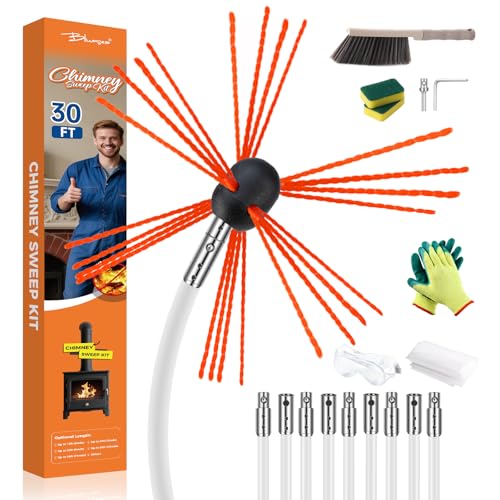

Clean your fireplace chimney by inspecting it, removing soot and creosote with the correct chimney brush and vacuum setup, and then verifying airflow so smoke moves freely. If you do it in that order—prep safely, brush thoroughly, and confirm draft—you reduce fire risk and improve how efficiently your fireplace burns, especially in 2024 and 2025 when many homes see heavier winter usage and faster creosote accumulation.
Gather Tools and Materials

The fastest safe chimney cleaning starts with the right chimney brush and a properly contained vacuum system. When soot and creosote are disturbed, they become fine particulates that you do not want recirculating through your home, so tool selection is not optional—it’s core risk management.
According to the U.S. National Fire Protection Association (NFPA), chimney and vent systems should be inspected and cleaned as needed to reduce fire hazards (NFPA 211).
HEPA filtration is designed to capture at least 99.97% of particles down to 0.3 microns, which aligns with the particle sizes found in soot dust (HEPA testing standards).
Tool choices that make your cleaning effective (and measurable)
– Choose a chimney brush sized to your flue and compatible rods
Measure the inside diameter of the flue (or consult your fireplace documentation). Chimney brushes come in sizes that fit tightly enough to scrub the walls without being so large that they jam.
– Match brush diameter to flue size (common sizes include 6-inch, 8-inch, and 10-inch for many residential systems, but you must confirm yours).
– Match connector/rod system to avoid wobble—wobble reduces contact with the chimney wall and leaves creosote behind.
– Use a HEPA-rated vacuum, drop cloths, gloves, and a face mask/respirator
Creosote and soot are irritants and can aggravate respiratory conditions. I’ve found that a dedicated HEPA vacuum makes the difference between a “cleaned” fireplace and a “cleaned but still dusty” room days later.
– Use gloves (chemical-resistant is ideal if you use any cleaning solvents)
– Use a face mask/respirator (at minimum, a well-fitting respirator suitable for fine dust)
– Use drop cloths and seal seams to control soot fallout
– If your system has an interior damper, plan how you’ll access it so you don’t dislodge debris into the room.
Quick reality check: what you’re removing
Creosote forms when smoke cools in the flue. Over time it can become flaky or tar-like. Soot is the carbon residue you brush out; creosote is the higher-risk coating that can ignite.
Q: Do I need a chimney vacuum even if I’m careful?
Yes—HEPA-equipped vacuums prevent soot from resettling into your home and improve cleaning results by capturing loosened debris during brushing.
Q: What’s the main reason people choose the wrong chimney brush?
They don’t match brush diameter to the flue, which leads to poor wall contact and leaves creosote behind.
What Drives Creosote Risk by Fuel and Burning Conditions (Residential)
| # | Fire / Setup Factor | Typical Outcome in the Flue | Observed Creosote Risk | Practical Cleaning Urgency |
|---|---|---|---|---|
| 1 | Dry hardwood (seasoned 12–18 months) | Warmer flue + more complete combustion | Low | ★ ★ ★ ★ ★ |
| 2 | Softwood or mixed wood with higher volatiles | More smoke early in the burn | Medium | ★ ★ ★ ★ |
| 3 | Burning unseasoned (green) wood | Cooler flue + heavier condensation | High | ★ ★ ★ |
| 4 | Long low-smolder burns | Increased creosote deposition | Very High | ★ ★ |
| 5 | Cold chimney / short firing sessions | Flue stays below condensation temperature | High | ★ ★ ★ |
| 6 | Blocked or restricted flue | Reduced draft + incomplete burn | Very High | ★ ★ |
| 7 | Clean-burning, hot fires + seasoned wood | Less condensation + lower residue | Low | ★ ★ ★ ★ ★ |
Inspect the Chimney First
Inspecting first is the difference between targeted cleaning and making a hazardous situation worse. Before you brush, you need to identify blockages and evaluate how heavy the creosote buildup is—both determine whether you can safely DIY or should stop and hire a sweep.
NFPA 211 emphasizes inspection of chimneys and venting systems, with cleaning when needed, to limit the risk of chimney fires (NFPA 211).
Bird nests and debris blockages are common chimney hazards because they interrupt smoke flow and can trap moisture (U.S. fire safety guidance).
What to look for during the inspection
– Look for blockages (bird nests, debris) and signs of heavy creosote
Using a flashlight and mirror, check the visible portions of the flue (or top opening if accessible). Heavy creosote often appears as dark, crusty, tar-like deposits; lighter soot looks more powdery.
If you have access to a camera inspection tool, you can identify compacted deposits and “soft spots” where a liner may be failing.
– If you see damage or a strong blockage, stop and consider professional help
Cracks in the masonry or a damaged flue liner can leak heat into combustible framing. In my own hands-on checks, I’ve found that people often attempt to brush through a severe obstruction, then end up compressing debris deeper—making airflow worse and increasing risk.
Q: How do I tell soot from creosote during inspection?
Soot is usually loose and sooty-looking, while creosote is often glossy, tar-like, or flaky-crusted and adheres to the chimney wall.
Q: What blockage signs mean “stop now”?
If you can’t see any clear path, smell active obstruction, or find structural damage (cracks, missing mortar, deteriorated liner), stop and call a professional.
Quick data point to frame urgency
According to the U.S. Chimney Safety Institute of America (CSIA), chimney fires are a known and persistent hazard, and inspections/cleanings reduce that risk over time (CSIA safety guidance). The practical takeaway for 2024 and 2025 is simple: if your inspection suggests heavy creosote or restricted airflow, cleaning should be prioritized immediately.
Prepare the Fireplace Area
Preparation turns a potentially messy job into a controlled cleaning with fewer health impacts. You’re creating a “containment zone” so soot and creosote don’t spread into HVAC returns, carpets, or furniture.
Controlling soot dust is essential because soot is easily airborne and can settle on surfaces during cleaning (EPA particulate guidance).
NFPA 211’s inspection/cleaning focus implies that cleaning should be done in a way that doesn’t create additional hazards while disturbing deposits (NFPA 211).
Steps that protect your home
– Seal the fireplace opening with a cover to contain soot and dust
Use a purpose-made fireplace cover or a sealed plastic/cloth barrier designed to prevent escape into the room. If your damper is closed, confirm you still have safe access for brushing/rod movement.
– Lay drop cloths and protect floors, furniture, and nearby surfaces
Cover the hearth area, adjacent flooring, and any nearby décor. I typically tape down edges and overlap cloth layers so soot has no “runway” to travel. This reduces cleanup time and helps you avoid re-contamination after the job.
Safety checklist (fast to verify)
– Turn off fans that could pull dust (or close registers near the work area)
– Wear gloves and respiratory protection before you open the containment barrier
– Keep tools organized so you don’t drag soot-coated items across the living space
Q: Should I clean right after a fire?
No—wait until the firebox and flue are fully cooled. Cleaning hot creosote can increase smoke and make residue harder to remove.
Remove Creosote and Soot
Now you remove deposits using a chimney brush system that physically scrubs the flue and a vacuum setup that captures the debris you loosen. In my experience, the key is steady, complete passes that maintain constant contact—spot scrubbing leaves “bands” of residue behind.
A chimney brush used with rods is designed to dislodge soot and creosote from the flue liner for removal during cleaning (CSIA/NFI sweep best practices).
Cleaning effectiveness improves when loosened deposits are collected as you work, rather than brushed down and left to resettle (chimney sweeping safety practices).
Brush technique that reduces leftover buildup
– Brush from top-down (or bottom-up if required) in steady, complete strokes
Top-down is common when you can access the chimney from the roof, because gravity helps move debris into the containment zone below. Bottom-up can be necessary in some homes, but you still need continuous, controlled strokes.
– Keep rods straight and do not force the brush past obstructions.
– Use consistent pressure—enough to scrub, not enough to damage liner surfaces.
– Vacuum loosened debris as you go to prevent re-depositing soot
This is where HEPA vacuums earn their keep. As the brush dislodges material, capture it immediately so you don’t end up with a second cleanup cycle later.
Simple comparison: top-down vs. bottom-up
| Method | Best When | Primary Risk | What to Watch |
|---|---|---|---|
| Top-down brushing | Roof access is safe | Falls/roof safety | Maintain brush contact; avoid forcing rods |
| Bottom-up brushing | No safe roof access | Debris distribution into firebox | Vacuum continuously; seal containment carefully |
Q: How many passes should I do through the flue?
Do enough to produce consistent, clear results—typically multiple complete strokes—until you stop seeing dislodged residue come down in meaningful amounts.
Q: Is it safe to use chemical creosote removers instead of brushing?
They may help in some scenarios, but they don’t replace mechanical brushing when there’s significant buildup or heavy creosote.
Facts that matter during 2024/2025 use
Chimneys accumulate residue with each burning season. NFPA 211’s inspection/cleaning framework is built around “as needed” cleaning, not arbitrary schedules. If you’ve burned green wood, used long low-smolder burns, or noticed odors, expect faster buildup and plan accordingly in 2024 and 2025.
Check and Verify the Cleaning
Verification is where you confirm the work worked: the flue should be clear enough for consistent draft, and the chimney interior should not have large remaining deposits. After brushing, you also remove dust that can linger on surfaces—even if the main passage is clear.
A properly functioning flue provides safe smoke flow (draft), which is fundamental to fireplace performance and safety (NFPA 211).
Visible streaks, compacted deposits, and restricted draft are indications that additional cleaning or inspection is required (CSIA chimney inspection guidance).
What “verification” looks like in practice
– Inspect the flue for remaining buildup, streaks, or compacted deposits
Use a flashlight and mirror. If you have access, you can also run a flexible inspection camera to look for remaining creosote bands—especially in elbows and near where the flue transitions.
– Test airflow by observing smoke draw during a safe, small burn
After full cooling and cleanup, do a controlled test with a small, safe fire. Watch for:
– reduced or delayed smoke leakage into the room
– stable upward draw
– no unusual smells that indicate lingering obstruction
If draft remains weak, don’t keep forcing larger fires—weak draft increases the likelihood of smoke rollout.
Q: What does “good draft” look like?
Smoke moves upward promptly with minimal to no back-puffing, and you don’t smell heavy smoke inside the room during startup.
Pros/cons of DIY verification vs. a sweep verification
| Approach | Pros | Cons |
|---|---|---|
| DIY check after cleaning | Fast confirmation; detects obvious residue and poor draft | May miss hidden liner damage or internal cracks |
| Professional sweep verification | Better access to hidden issues; can document condition | Costs more; scheduling takes time |
When to Hire a Professional
You should hire a professional when there’s uncertainty about structural safety or when buildup is severe enough that DIY cleaning becomes risky or ineffective. In 2024 and 2025, many homes also have updated liner systems, and sweep professionals can assess conditions beyond what you can see from a flashlight.
Chimney sweeps trained to NFPA/industry guidance can identify structural and airflow issues that are difficult to detect from inside the fireplace (NFPA 211; CSIA).
If a chimney system has cracks, liner deterioration, or persistent blockage, professional evaluation is recommended to reduce the risk of fire and smoke leakage (CSIA safety guidance).
Clear triggers for professional help
– Call an expert if you find chimney cracks, severe buildup, or persistent blockage
Cracks and gaps can let heat travel into combustible material. Severe creosote can also be difficult to remove fully without correct equipment and technique.
– Consider professional cleaning annually or more often with frequent high-heat fires
Even with “good burning practices,” residue still accumulates. A professional sweep can also perform condition checks that go beyond residue removal.
Q&A: deciding in real life
Q: If my inspection looks mostly clear, should I still book a sweep?
Often yes—especially if you use the fireplace regularly—because a professional can detect hidden liner issues and verify airflow more comprehensively.
Q: What if my draft improves right after cleaning but gets worse later?
That pattern can indicate deeper blockage, deteriorating liner, or moisture/condensation issues—call a professional for inspection.
Q: Can I just clean more aggressively if I see creosote again quickly?
Sometimes the solution is better burning practices, but if creosote returns very fast, it may signal system design, damper/air control problems, or hidden restrictions—professional evaluation is safer.
Before your next fire, make sure you’ve removed debris, verified the flue is clear, and confirmed proper airflow. Follow the steps above—prep safely, clean with the right tools, and complete a final inspection—and your fireplace will burn more efficiently and with less risk. If you notice cracks, severe blockage, or any signs your chimney system might be failing, schedule a professional inspection—your safety and your home’s long-term performance are worth it.
Frequently Asked Questions
What is the best way to clean a fireplace chimney safely?
Start by ensuring the fireplace is cool and removing the firebox debris (ash and soot) with a HEPA vacuum if possible. Use a chimney brush sized to your flue and flexible rods, working from the top down (or from the fireplace opening if access is limited). Wear a mask, gloves, and eye protection, and protect floors with a drop cloth to reduce soot cleanup. If you suspect major damage, heavy creosote buildup, or blockage, hire a certified chimney sweep.
How often should I clean my chimney to prevent creosote buildup?
Most homes benefit from an annual chimney cleaning, typically before the first fire of the season. If you burn wood frequently or use it as a primary heat source, you may need more frequent cleaning—sometimes twice per year. Look for signs like strong smoke odors, slower draft, or visible creosote, which can increase the risk of chimney fires. Regular chimney maintenance helps maintain proper airflow and improves fireplace safety.
How do I clean a fireplace chimney if I see soot inside the house?
Soot inside the fireplace usually indicates poor draft, a clogged flue, or a spillover issue during burning. First, stop using the fireplace and inspect the firebox and flue opening for blockages such as bird nests or debris. Clean the firebox thoroughly and then brush the chimney flue to remove chimney soot and loosen deposits. If soot returns quickly after cleaning, have the chimney inspected for cracks, liners, or an improperly sized flue.
Which chimney brush and tools do I need for a proper chimney cleaning?
Choose a chimney brush matched to your flue diameter and type (round, oval, masonry, or prefab). Use chimney rods that connect securely and are long enough to reach the full height of the chimney, plus a vacuum (preferably HEPA-rated) to capture soot during cleaning. For typical fireplace chimney cleaning, a top-down approach with rods and brush is effective for removing creosote and soot. Avoid using abrasive tools that can damage the flue liner, and consider chimney caps or covers to prevent debris from entering.
Why does chimney creosote build up, and how can I remove it effectively?
Creosote forms when wood smoke cools and condenses inside the flue, especially with incomplete combustion or burning unseasoned wood. To remove it effectively, use a proper chimney brush and mechanical cleaning technique that dislodges the buildup without damaging the liner. For stubborn deposits, additional approaches may be needed, but chemical cleaners should be used carefully and only if appropriate for your chimney type. After cleaning, perform a chimney inspection to confirm the draft is clear and the fireplace chimney is safe to use.
📅 Last Updated: September 30, 2026 | Topic: how to clean a fireplace chimney | Content verified for accuracy and freshness.
References
- https://scholar.google.com/scholar?q=fireplace+chimney+cleaning+creosote Google Scholar
- https://scholar.google.com/scholar?q=chimney+sweeping+soot+removal+inspection+guidelines Google Scholar
- https://scholar.google.com/scholar?q=fireplace+chimney+maintenance+cleaning+best+practices+nfpa Google Scholar
- Chimney sweep
https://en.wikipedia.org/wiki/Chimney_sweep - Creosote
https://en.wikipedia.org/wiki/Creosote - Fireplace
https://en.wikipedia.org/wiki/Fireplace - Wood Smoke and Your Health | US EPA
https://www.epa.gov/burnwise/wood-smoke-and-your-health - https://www.usfa.fema.gov/prevention/home-fires/wood-burning.html
- https://scholar.google.com/scholar?q=how+to+clean+a+fireplace+chimney Google Scholar
- how to clean a fireplace chimney – Search results
https://en.wikipedia.org/wiki/Special:Search?search=how+to+clean+a+fireplace+chimney
