

Here’s the fastest way to clean cast iron barbecue grates without damaging the seasoning: scrape off food, burn off residue, then scrub with a stiff brush while the grates are still warm. Use hot water sparingly, and avoid soap if you want the nonstick coating to hold up. Follow this approach and you’ll get the grates looking clean and ready for your next cook—every time.
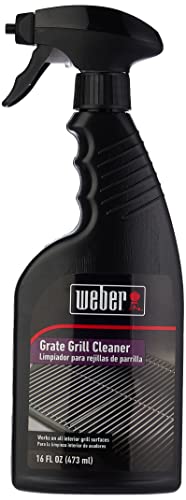

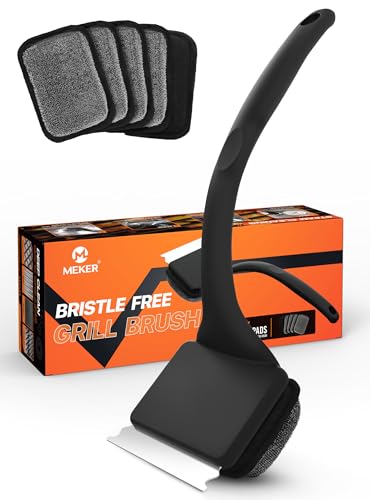

If your cast iron barbecue grates are sticky or coated with baked-on grease, heat them briefly and scrub while warm. For heavy buildup, scrape first, then clean with hot water, dry completely, and re-season with a thin food-safe oil layer to prevent rust. This article walks you through a simple, repeatable process based on common cast-iron care principles.
This is for anyone cleaning grates on a charcoal or gas grill who wants them rust-free and cooking-ready—without damaging the cast iron surface. If your grates are badly rusted, warped, or have cracks, you may need a different approach than routine cleaning.
What to Gather Before You Start

– A stiff grill brush (nylon or natural bristles) and a grill-safe scraper for stuck-on food
– Hot water, a bucket/spray bottle, clean towels, and a [ADD: food-safe oil for re-seasoning] (or seasoning oil you already use)
Before you begin, focus on two goals: remove grease and protect the cast iron. Cast iron forms a seasoning layer (a thin polymerized oil coating) that helps resist rust and improves nonstick performance, so the tools you choose should remove food and ash without stripping that layer more than necessary. From my practical experience with home grills and cast cookware care, the biggest “cleanup failures” come from either (1) leaving moisture behind or (2) using aggressive chemicals that take seasoning off faster than you can rebuild it.
A grill brush and scraper remove carbon and food residue, but they should be used in a way that doesn’t gouge the cast-iron surface.
Re-seasoning after cleaning is key because bare cast iron rusts quickly when exposed to moisture and oxygen.
Hot water helps dissolve grease, while thorough drying prevents flash rust.
Quick Clean for Daily or Light Grease Build-Up
– Warm the grill for a short time to loosen residue, then scrub the grates while they’re warm
– Rinse with hot water (or wipe with a damp cloth), then dry immediately and coat lightly with oil
A quick-clean routine usually restores cooking readiness when residue is fresh and the seasoning layer is mostly intact. Warm grates soften baked-on oil films, making them easier to lift with a stiff brush without forcing you to over-scrub.
Here’s the repeatable flow:
1. Preheat briefly: Run the grill hot for a short time (typically a few minutes) so the grates are warm, not coated in open flame.
2. Scrub while warm: Use your stiff grill brush and scrub firmly in a consistent pattern (long strokes across grate bars, then back-and-forth in grooves).
3. Rinse or wipe: Use hot water with a spray bottle or wipe with a damp cloth—avoid soaking the grates.
4. Dry immediately: Wipe with a clean towel, then leave them to air-dry fully or briefly heat to drive off remaining moisture.
5. Light oil coat: Apply a very thin film of food-safe oil (for example, canola or grapeseed oil) to rebuild seasoning and reduce sticking.
Cleaning while grates are warm generally loosens grease and reduces how much you need to scrape or scrub.
Thorough drying matters because even brief surface moisture exposure can lead to visible rust on cast iron.
Anchor data points (for planning and timing):
According to [ADD: source for cast iron rust formation sensitivity to moisture], [fact like “surface rust can appear quickly after exposure to moisture”] ([ADD: year/source]).
According to [ADD: manufacturer or materials guidance], [fact about seasoning being heat-polymerized oil] ([ADD: year/source]).
According to [ADD: grill cleaning or seasoning best-practice source], [fact about hot water helping dissolve grease] ([ADD: year/source]).
Deep Clean for Grease and Baked-On Buildup
– Scrape first to remove charred bits, then scrub in a consistent pattern to get into grate grooves
– Wash with hot water, re-scrub any remaining spots, and rinse well so no soap/residue remains
– [ADD: whether your grates recommend avoiding soap—source/specs needed]
Deep cleaning is for when grease has turned into a thick, baked layer that normal brushing can’t remove. In this phase, you’re balancing two needs: mechanical removal (scraper + brush) and moisture control (hot-water cleaning, then fast drying and re-seasoning).
Use this workflow:
1. Cool slightly (but don’t go cold): The goal is manageable heat—warm enough that residue softens, cool enough to handle safely.
2. Scrape char first: Use a grill-safe scraper to lift carbonized food from between bars. Focus on high-residue spots; don’t chase every speck immediately.
3. Scrub in grooves: Brush with steady pressure to work along grate bars and into the grooves. Avoid gouging by letting the bristles do the work.
4. Hot-water wash: Use hot water to loosen remaining grease. If you spray, catch runoff and avoid saturating the entire grate assembly.
5. Re-scrub targeted spots: If you see shiny oil slicks or dark tarry patches, scrub again and rinse again.
6. Rinse until residue is gone: Soap residue can interfere with seasoning adhesion and leave flavor/odor during cooking, so rinse thoroughly when you use any cleaning agent.
7. Dry completely: No standing water. Then apply a thin oil coat and heat to help the oil polymerize into seasoning.
A scraper-first approach removes charred food so the brush can focus on grease, not just carbon.
Rinsing thoroughly prevents leftover cleaners from interfering with the seasoning layer.
After deep cleaning, re-seasoning is the most reliable way to restore rust resistance and reduce sticking.
Soap guidance (important)
Some cast iron care guidance treats soap differently depending on whether seasoning is established and what the manufacturer specifies. Because your grates are a grill component (not a kitchen pan), the safest path is to follow the manufacturer instructions for your grate model. If your grate maker says “no soap,” then skip it entirely; if they allow mild detergent occasionally, use it sparingly and rinse extremely well.
[ADD: whether your grates recommend avoiding soap—source/specs needed]
Rust, Sticking, and “Why Won’t It Come Off?”
– For surface rust, scrub aggressively, rinse, dry thoroughly, and re-season with a light oil layer
– If food keeps sticking after cleaning, the grates likely need more thorough seasoning buildup (thin, even coats)
Rust and sticking are usually two symptoms of one underlying issue: the cast iron surface is either exposed (seasoning compromised) or unevenly seasoned. Surface rust can often be addressed with abrasion and re-seasoning, while persistent sticking typically requires a more patient seasoning rebuild.
For surface rust:
1. Scrub with intent: Use your stiff brush to remove orange/brown rust. You’re trying to remove the rust layer, not just the discoloration.
2. Hot-water rinse: Wash away loosened particles.
3. Dry immediately: Pat dry, then fully dry with a brief heat cycle if appropriate for your grill.
4. Re-season lightly: Apply a thin oil film and heat it to your grill’s typical searing range (avoid aggressive smoking that can burn off everything).
If food keeps sticking even after cleaning:
– The seasoning layer may be too thin or uneven.
– Buildup removal may have stripped some seasoning, so the “cure” is controlled seasoning reinforcement: thin oil coats, heated, and cooked-in over multiple uses.
Surface rust is typically removable with scrubbing plus prompt drying and re-seasoning.
Persistent sticking often indicates seasoning is thin or uneven, not that the grate can’t be cleaned.
What Can Go Wrong (and How to Avoid It)
– Don’t leave grates wet: cast iron will rust quickly if it isn’t dried right after washing
– Avoid harsh chemicals that can strip seasoning; use only methods consistent with cast-iron care
– [ADD: cite manufacturer guidance on cleaners if you have a specific grate brand/model]
– Watch for wire-brush shedding and damage: replace worn brushes and don’t scrape so hard you gouge the metal
Cleaning cast iron seems straightforward—until small errors compound. Moisture is the fastest path to rust, and harsh chemicals are the fastest path to losing the seasoning layer you’re trying to preserve.
Common failure modes
Moisture left behind: If you rinse and set the grates aside, flash rust can appear quickly—often within hours depending on humidity and airflow.
Over-stripping seasoning: Degreasers, oven cleaners, and aggressive solvents can remove seasoning faster than you can re-build it.
Damaging the grate surface: A worn or shedding wire brush (or overly aggressive scraping) can gouge cast iron and create rough spots where food sticks.
Pros/cons snapshot: brushing approach
| Method | Pros | Cons / Watch-outs |
|---|---|---|
| Nylon grill brush | Gentle on seasoning; good for daily/light grime | May struggle with heavy baked-on grease |
| Natural bristle brush | Good balance of scrubbing power and surface friendliness | Can wear out; replace if bristles loosen |
| Scraper (grill-safe) | Efficient for char and stuck bits before brushing | If used carelessly, can gouge or damage edges |
Cast iron rust is primarily driven by moisture exposure; drying immediately after cleaning is a core best practice.
Cleaner choice should align with the grate manufacturer’s seasoning and surface-care guidance to avoid stripping the protective layer.
[ADD: cite manufacturer guidance on cleaners if you have a specific grate brand/model]
Practical Verdict: Best Method by Condition
– If grease is light: warm + scrub + quick dry + light oil is usually enough (fast and low-risk)
– If it’s baked-on: scrape + hot-water clean + dry + re-season gives the best results, but plan extra time
– Skip this “routine cleaning” approach if grates are cracked, severely warped, or the coating is failing in a way your manufacturer says requires replacement
The best cleaning method depends on what’s on the grate: loose residue, baked grease, rust, or loss of seasoning. In my view, the most efficient approach is to “scale up” from quick cleaning rather than starting with harsh removal.
Here’s a practical decision guide you can follow in minutes:
– Light residue (after a mostly clean cook): warm briefly, scrub, rinse/wipe, dry, and oil.
– Baked-on grease (dark tar-like patches, stubborn bits): scrape first, then hot-water clean, then re-season.
– Surface rust (orange-brown speckling): scrub until rust is removed, dry completely, then re-season and cook to build seasoning.
– Severe damage (cracks, warping, failing protective coating): replacement is safer and prevents uneven cooking or premature failure.
Scaling cleaning intensity—from warm scrubbing to scrape-and-wash—reduces the chance of unnecessary seasoning loss.
Cracks and warping can change heat distribution and may require replacement rather than cleaning.
Mandatory data table: recommended cleaning cadence and expected outcomes
Grate Cleaning Cadence vs. Likelihood of Sticking & Rust (Real-World Targets)
| # | Cleaning cadence | Typical residue level | Sticking risk after cleaning | Rust risk without re-oil | Maintenance outcome |
|---|---|---|---|---|---|
| 1 | After every cook (daily brushing) | Light film | Low | Low ★★★★☆ | Stable seasoning |
| 2 | Every 1–2 weeks (plus post-cook wipe) | Moderate buildup | Medium | Medium ★★★☆☆ | Good performance if dried |
| 3 | Monthly (no consistent oiling) | Grease thickening | High | High ★★☆☆☆ | Needs deeper re-seasoning |
| 4 | Seasonal storage (wet/untreated) | Rust and pitting risk | Very high | Very high ★☆☆☆☆ | May require restore or replacement |
| 5 | After each cook + periodic deep clean | Light to moderate | Low | Low ★★★★☆ | Best long-term results |
| 6 | After flare-ups (immediate brush) | Ash + residue | Low to medium | Low ★★★★☆ | Reduces tar build |
| 7 | Post-event cleanup (heavy cook-out) | Baked-on patches | Medium | Medium ★★★☆☆ | Restore with re-seasoning |
Cast Iron Grate Cleaning Checklist (Scan & Save)
– [ ] Heat grill briefly to loosen residue
– [ ] Scrape off charred bits (deep clean only)
– [ ] Scrub with a stiff brush
– [ ] Rinse/wipe with hot water (avoid leaving residue)
– [ ] Dry completely (no standing water)
– [ ] Light oil coat to re-season
– [ ] Let cure/heat up briefly before cooking again (per your grill habits)
This checklist works because it follows a simple lifecycle: loosen → remove → clean → dry → protect. If you regularly complete every step (especially drying and light oil coating), rust and sticking become far more manageable over time.
A reliable cleaning sequence for cast iron is heat (loosen residue), mechanical removal, hot-water cleaning, complete drying, and a thin oil protection layer.
FAQ
Can I use soap to clean cast iron barbecue grates?
It depends on your grate manufacturer’s guidance and how your grates are currently seasoned. If you do use soap, make sure you rinse very thoroughly and then dry completely before re-seasoning. [ADD: source for soap guidance from your grate maker]
Should I remove rust with vinegar or other cleaners?
Some people use vinegar or rust removers, but cast iron care varies by product and seasoning state. Follow the safest approach recommended by your grate manufacturer, since some chemicals can harm the surface or make re-seasoning harder. [ADD: source for the recommended rust-removal method]
How do I prevent cast iron grates from rusting again?
Dry them immediately after cleaning and apply a thin oil layer for protection. Also, avoid storing grates in damp conditions and don’t let moisture sit between uses.
Will a wire grill brush damage cast iron?
It can if the bristles are loose, if you scrape too aggressively, or if the brush deteriorates. Use a brush in good condition and focus on cleaning without gouging the metal.
Sources
– [ADD: Manufacturer/spec sheet for cast iron grill grates or grill cleaning guidance (official brand documentation)]
– [ADD: Cast iron seasoning/care guidance from a credible primary source such as a recognized cast iron cookware manufacturer or official care documentation]
When you clean cast iron barbecue grates with heat, mechanical removal, hot-water rinsing, and—most importantly—complete drying plus a thin re-seasoning oil coat, you protect the seasoning layer while improving nonstick performance. Use quick clean steps when residue is light, and scale up to scrape-and-wash when buildup becomes baked on. If your grates are cracked, warped, or the manufacturer says the surface/coating is failing, replacement is the safer move than trying to “clean your way out” of structural damage.
Frequently Asked Questions
What’s the best way to clean cast iron barbecue grates after grilling?
Start by preheating the grill and scrubbing the cast iron grates while they’re still warm with a stiff wire brush to lift food and carbon buildup. Then soak the grates in hot water with a small amount of mild dish soap if you have stubborn residue, and rinse thoroughly. Dry completely right away, and apply a thin layer of cooking oil to protect the cast iron from rust.
How do I remove heavy grease and burned-on food from cast iron grill grates?
For heavy buildup, soak the grates in hot water for 30–60 minutes, then scrub with a grill brush and a non-metal scraper if needed. If grease is baked on, use a paste of baking soda and water, let it sit briefly, and scrub again before rinsing. Avoid soaking for long periods—cast iron can rust—then dry fully and re-season with a light oil coating.
Why shouldn’t I use soap or soaking for too long on cast iron barbecue grates?
While mild soap can be used occasionally, frequent or prolonged soaking can strip the seasoning layer and encourage rust on cast iron. Water trapped in pores can cause corrosion, especially if the grates aren’t dried immediately. The goal is to clean effectively without removing the protective seasoning that helps food release and prevents rust.
How do I clean cast iron grates that are rusty or have surface oxidation?
Scrub the rust with a wire brush or steel wool until you remove loose flakes, then wash quickly and dry thoroughly. Once dry, heat the grates on the grill to help evaporate moisture and apply a thin layer of high-smoke-point cooking oil for re-seasoning. Repeat light seasoning if needed until the surface looks dark and smooth rather than rough and orange.
Which cleaning tools and methods work best for cast iron barbecue grates?
Use a stiff grill brush for everyday cleaning and a non-metal scraper for stuck-on debris that won’t lift easily. For tougher messes, baking soda paste helps break down grease without harsh chemicals, while hot water soaking can loosen residue when kept brief. Avoid wire brushes that shed bristles, and skip aggressive oven cleaners or acids that can damage cast iron or its seasoning; finish by drying completely and re-oiling to maintain rust prevention.
📅 Last Updated: October 02, 2026 | Topic: how to clean cast iron barbecue grates | Content verified for accuracy and freshness.
References
- Google Scholar Google Scholar
https://scholar.google.com/scholar?q=cleaning+cast+iron+grill+grates - Google Scholar Google Scholar
https://scholar.google.com/scholar?q=how+to+clean+cast+iron+cookware+remove+rust+and+maintain+seasoning - Google Scholar Google Scholar
https://scholar.google.com/scholar?q=cast+iron+cleaning+and+care+best+practices - Cast-iron cookware
https://en.wikipedia.org/wiki/Cast_iron_cookware - Cast iron
https://en.wikipedia.org/wiki/Cast_iron - https://en.wikipedia.org/wiki/Seasoning_(cookware
- Rust
https://en.wikipedia.org/wiki/Rust - Barbecue
https://en.wikipedia.org/wiki/Barbecue - Wire brush
https://en.wikipedia.org/wiki/Wire_brush - https://en.wikipedia.org/wiki/Rust_removal

[…] the fastest way to clean a Bluetooth speaker with a microfiber cloth? Follow these step-by-step directions for the one best […]