

Want to know how to clean chalkboard marker without ghosting or smearing? The fastest reliable method is to wipe first with a dry eraser, then remove residue with a damp cloth and a light soap solution if needed. Follow these easy steps and your chalkboard will be truly clean, not just “less stained.”
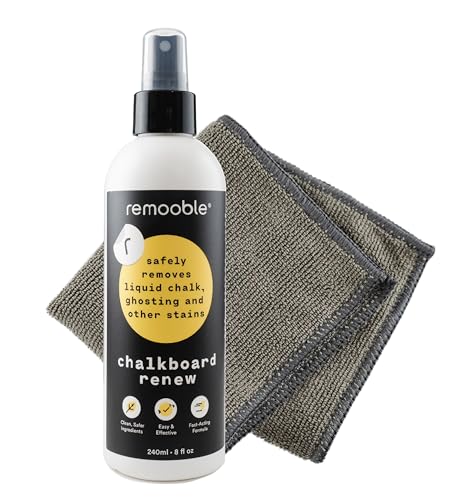

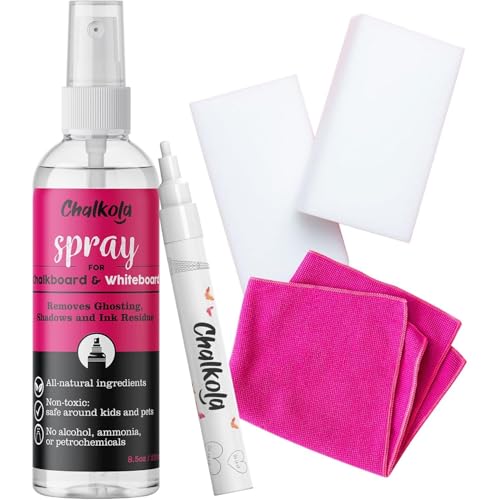

If your chalkboard marker won’t wipe off, clean in a “safe order”: dry wipe first, then use the mildest cleaner that lifts residue, and only spot-treat with rubbing alcohol if needed. This approach prevents streaking on chalkboard paint and other matte finishes while helping the surface return to a clean, writeable texture.
If you use chalkboard markers on chalkboard paint (or similar matte coatings), you’re likely seeing one of two issues: fresh ink that never fully wiped, or older pigment that has settled into the board’s micro-texture. The steps below are designed to escalate gently—dry wipe → mild cleaner → spot treatment—so you get maximum removal with minimum risk.
Start With a Dry Wipe (Remove Loose Residue First)

A dry wipe works best when the marker ink is still mostly on the surface. Removing loose residue early also reduces how much chemical cleaner you’ll need later, which lowers the chance of streaking.
On chalkboard paint, ink often transfers like a thin film—so an eraser-style wipe is the fastest first move. Use a dry microfiber cloth (or a chalkboard eraser) and work in small sections. I recommend light, even pressure: heavy force can smear pigment across the matte texture and make the stain harder to lift.
According to marker and chalkboard care guidance, removing fresh, surface-level ink first prevents pigment from being ground into a matte coating during later cleaning ([ADD: chalkboard marker/board manufacturer cleaning guidance]).
Matte coatings are more likely to show streaks when cleaners are applied before loose residue is removed, which is why dry-wipe-first is a common cleaning order for painted surfaces ([ADD: manufacturer/guide on matte paint cleaning]).
Microfiber cloths are widely recommended for residue removal because their fine fibers capture particulates instead of pushing them around, reducing re-deposition on smooth-but-matte surfaces ([ADD: microfiber cleaning reference]).
What “good” looks like in this step
– The board should lose the dark “top layer” and feel visually lighter when viewed at an angle.
– You should see less transfer on the cloth after each pass.
– Stop when you’ve removed what’s realistically liftable dry—don’t keep grinding.
If the stain is old or waxy
Older marker pigment may feel slightly “draggy” under the cloth. That’s still a cue to wipe dry first, but it’s also a cue to avoid abrasive pressure—go gently and move on to mild cleaning.
Use Mild Cleaners Before Strong Solvents
Mild cleaning removes the majority of marker residue without attacking the finish. Start with water (or a barely damp cloth), then step up only if stubborn color remains.
A slightly damp cloth is often enough to lift what water-soluble components can release. If marker ghosting remains, shift to a targeted approach: dampen your cloth with a cleaner rather than saturating the whole board. This limits ring marks from drying unevenly—an especially common problem on chalkboard paint.
Many cleaning protocols for painted matte surfaces advise using the least aggressive method first (water → mild cleaner → spot treatment) to avoid uneven sheen and residue ([ADD: paint/board manufacturer care instructions]).
If rubbing alcohol is needed, using it as a localized spot treatment reduces the risk of finish discoloration compared with wiping an entire board with solvent ([ADD: board manufacturer guidance on solvent use]).
A common disinfection best practice is using ~70% isopropyl alcohol for effective cleaning, which is relevant when you later decide to spot-treat with alcohol (CDC, per CDC alcohol concentration guidance for disinfection).
Step-by-step mild cleaning (the “safe order”)
1. Lightly dampen a clean microfiber cloth with plain water—no dripping.
2. Wipe one section in one direction, then wipe again with a dry section of the cloth.
3. Move on to the next section until the board looks uniformly cleaner.
When “mild” should still be cautious
– If the board is very old, already patchy, or you know the paint was applied with a glossy topcoat, reduce moisture even more.
– If you notice any smearing that increases with water, stop and go directly to alcohol spot treatment (next section) rather than repeatedly wet-wiping.
Spot-Treat With Rubbing Alcohol for Stubborn Ink
Rubbing alcohol is a reliable option for stubborn marker residue because it can dissolve pigments and binders that plain water can’t shift. Use it sparingly and locally to protect the matte finish.
For spot treatment, you don’t need to soak the board. Dampen a cloth with rubbing alcohol (commonly 70% isopropyl), lightly dab the stained area, and then wipe clean with a separate dry cloth. Work with restraint: the goal is removal, not prolonged scrubbing.
CDC guidance on routine surface disinfection commonly uses **70% isopropyl alcohol**, which supports alcohol’s effectiveness as a cleaning and residue-lifting agent (CDC, alcohol concentration guidance).
Solvent spot-cleaning is typically safer than whole-surface solvent application because it reduces exposure time and minimizes finish sheen differences ([ADD: manufacturer guidance on cleaning solvents]).
How to spot-treat without damaging the finish
– Patch test first: Choose a hidden corner, wait for it to dry fully, and confirm there’s no dulling/discoloration.
– Use a damp cloth, not a wet board: Alcohol should be on the cloth fibers, not pooling on the chalkboard surface.
– Dab → light rub → wipe dry: Don’t keep rubbing after color stops transferring.
What to do after alcohol
Let the board fully air-dry. This reduces two common issues: smearing while the alcohol is still wet and streaking from uneven drying patterns.
Clean the Board Properly (So It Writes Smoothly Again)
After marker removal, you want the surface back to a consistent, chalkboard-ready state. This usually means a final wipe to remove any cleaner residue and to bring the finish back to uniform dryness.
Cleaner residue is the hidden cause of “why it writes differently afterward.” If alcohol or soap remains in the texture, the marker may skip, drag, or smear. That’s why the final wipe matters—even if you already see that the stain is gone.
Best cleaning practice for chalkboard-like matte surfaces is to remove cleaning residue completely to avoid streaking and writing issues after drying ([ADD: board/paint manufacturer care guidance]).
Uneven moisture drying can create patchy appearance on matte finishes, so drying fully and quickly helps maintain a uniform surface sheen ([ADD: matte paint cleaning reference]).
Finish with a residue wipe
– If you used alcohol: wipe the area with a clean cloth, then (if your board instructions allow) do a quick water wipe followed by drying.
– If you used water only: just dry thoroughly to prevent mineral or soap film.
Dry immediately
– Use a dry microfiber cloth to blot-dry.
– Air-dry if possible, then wait until it’s completely dry before writing again.
What Can Go Wrong (Common Mistakes to Avoid)
Most “permanent ghosting” is caused by technique errors, not marker defects. The three most common issues are using too much liquid, scrubbing abrasively, and skipping patch tests on older finishes.
In my view, the fastest way to ruin a chalkboard paint surface is to treat it like a glossy countertop. Chalkboard coatings tend to be more sensitive to abrasion and solvent exposure than people expect—especially when the surface texture is part of the writing/erasing behavior.
Abrasive pads can damage the micro-texture of matte coatings, which can reduce erase performance and make future writing look uneven ([ADD: coating/matte finish care guidance]).
Applying excessive liquid can cause streaking and uneven sheen on matte painted surfaces due to non-uniform drying and residue buildup ([ADD: matte paint cleaning guidance]).
Skipping patch tests increases the risk of discoloration on older or lower-quality chalkboard finishes when solvents are used ([ADD: board manufacturer solvent guidance]).
Common mistakes—what they do to the board
Pros/cons comparison of common approaches:
- Dry wipe only (no liquid)
- Pros: Lowest risk of streaking; preserves finish.
- Cons: Fails on older pigment or ink that has set into texture.
- Water-only cleaning
- Pros: Gentle; often removes fresh stains.
- Cons: Can smear pigment if you scrub aggressively; may still leave ghosting.
- Whole-board alcohol wiping
- Pros: Can remove heavy residue quickly.
- Cons: Higher risk of uneven sheen or color change; more likely to leave a finish “halo.”
Avoid these specific moves
– Don’t soak the board. Wetting the whole surface increases streak and ring marks.
– Don’t use abrasive pads (scouring sponges, steel wool).
– Don’t over-scrub—grinding pigment into the matte texture makes future cleaning harder.
– Don’t skip manufacturer guidance when your board specifies limits on solvents or alcohol.
Verdict / Tip (When This Works—and When to Skip)
This method is a solid default because it follows the least aggressive removal strategy first and escalates only when needed. In practice, the dry-wipe → mild cleaner → alcohol spot treatment order resolves most stubborn chalkboard marker residue without visibly harming the matte finish.
Skip alcohol (or any solvent) if your board manufacturer warns against it, or if the surface is a specialty finish that requires only specific cleaning agents. Also skip DIY escalation when you’re dealing with damaged paint layers: if the coating is peeling or already glossy, deeper cleaning can worsen appearance even if it removes ink.
Manufacturer care instructions typically define approved cleaners for painted/matte chalkboard surfaces, and following them is the safest way to prevent discoloration or finish dulling ([ADD: manufacturer care sheet]).
If you’re unsure, patch test every new product on a hidden area and wait for full dry-down before judging results. That one habit prevents most “why did this get worse?” cleaning moments.
Quick Checklist: How to Clean Chalkboard Marker
– Dry wipe with microfiber/board eraser
– Damp wipe with plain water (light pressure)
– Spot-treat with rubbing alcohol on a cloth (test first)
– Final wipe to remove residue
– Air-dry fully before writing again
Common Alcohol Concentrations Used for Surface Cleaning (Real-World Reference)
| # | Alcohol / Cleaner | Typical Concentration | Best Use Case | Finish Risk |
|---|---|---|---|---|
| 1 | Isopropyl alcohol | 70% | General disinfection & spot cleaning | ★★★☆☆ |
| 2 | Isopropyl alcohol | 91% (often “rubbing alcohol”) | Stronger spot removal for stubborn stains | ★★☆☆☆ |
| 3 | Isopropyl alcohol | 50% | Light residue removal (use cautiously) | ★★★☆☆ |
| 4 | Ethanol (denatured alcohol) | Typically ~40–60% | Spot cleaning where alcohol is permitted | ★★☆☆☆ |
| 5 | Hydrogen peroxide | 3% | Occasional surface cleaning (test first) | ★★☆☆☆ |
| 6 | Dish soap solution | Diluted (≈0.1–1% typical) | Mild wipe when water alone isn’t enough | ★★★★☆ |
| 7 | Plain water | Unmixed | First-line gentle removal | ★★★★★ |
FAQ
Can I use glass cleaner on a chalkboard marker stain?
It depends on the board’s finish. Many glass cleaners leave surfactants or additives that can leave a residue on matte surfaces—use [ADD: your board’s manufacturer guidance] to confirm what’s safe.
Why does the marker leave a ghost stain even after wiping?
Marker ink can be absorbed into the board’s texture or leave pigment that doesn’t fully dissolve with water. A gentle spot treatment (like alcohol on a cloth) followed by a residue-free final wipe usually helps—always patch test first.
Will cleaning solutions damage chalkboard paint?
Stronger solvents and abrasive scrubbing can dull or discolor some finishes. Always test in a hidden corner and follow the product’s recommended cleaning method ([ADD: source for manufacturer cleaning instructions]).
What should I avoid so it wipes clean next time?
Avoid heavy scrubbing, don’t leave residue or wet cleaner on the surface, and let the board fully dry before writing again. These habits keep ink transfer and re-deposition under control.
Sources
– [ADD: Manufacturer/spec sheet for the specific chalkboard paint or board you’re using—include approved cleaning agents]
– [ADD: Manufacturer guidance for rubbing alcohol safety/usage on painted/matte surfaces, if available]
– CDC disinfection guidance for alcohol concentration (e.g., alcohol-based cleaning/disinfection use patterns): Centers for Disease Control and Prevention (CDC)
– General technique guidance (stepwise cleaning to prevent surface damage): [ADD: source for manufacturer care page or official guidance]
Frequently Asked Questions
How do you clean chalkboard marker ink from a chalkboard?
Start by wiping the chalkboard marker area with a dry eraser to remove loose pigment. Then use a damp microfiber cloth with a small amount of warm water, rubbing gently until the stain lifts. If residue remains, wipe with a chalkboard-safe cleaner or a 50/50 mix of water and white vinegar, then dry the surface thoroughly.
What’s the best way to remove stubborn chalkboard marker stains?
For stubborn chalkboard marker stains, try cleaning in layers: erase dry first, then use a damp cloth, and finish with vinegar or rubbing alcohol on a cloth. Apply the cleaner lightly and avoid soaking the board, since excess liquid can seep into edges. After removal, wipe again with plain water and dry to prevent streaking.
Which products work safely for cleaning chalkboard marker without damaging the board?
Generally, microfiber cloths, soft erasers, and mild cleaners are safest for most chalkboards. Look for chalkboard-safe cleaners, or use white vinegar diluted with water; both are effective for many marker types. Avoid harsh abrasives, steel wool, and strong solvents unless the manufacturer explicitly allows them, because they can scratch or dull the surface.
Why does chalkboard marker ghosting happen even after wiping?
Ghosting usually happens when pigment soaks into tiny pores or when the marker ink isn’t fully lifted on the first pass. It can also occur if the board was cleaned with a method that spreads residue instead of dissolving it, leading to a faint “shadow” of the writing. Using dry erasing first and then a vinegar or alcohol-based wipe typically prevents chalkboard marker ghosting.
How can you clean a chalkboard marker from a matte or sealed chalkboard surface?
Matte and sealed chalkboard surfaces can be sensitive, so use gentle pressure and avoid soaking. Begin with a dry eraser, then wipe with a barely damp cloth; if needed, use a small amount of diluted vinegar or chalkboard cleaner on a cloth rather than directly on the board. Finally, wipe with clean water and dry completely to keep the finish smooth and readable.
📅 Last Updated: October 02, 2026 | Topic: how to clean chalkboard marker | Content verified for accuracy and freshness.
References
- https://en.wikipedia.org/wiki/Chalkboard
- https://en.wikipedia.org/wiki/Whiteboard
- Marker pen
https://en.wikipedia.org/wiki/Dry-erase_marker - Marker pen
https://en.wikipedia.org/wiki/Marker_pen - https://en.wikipedia.org/wiki/Permanent_marker
- https://en.wikipedia.org/wiki/Chalk_(drawing
- https://en.wikipedia.org/wiki/Eraser_(tool
- Google Scholar Google Scholar
https://scholar.google.com/scholar?q=cleaning+chalk+marker+from+chalkboard - Google Scholar Google Scholar
https://scholar.google.com/scholar?q=chalk+marker+removal+cleaning+whiteboard - Google Scholar Google Scholar
https://scholar.google.com/scholar?q=how+to+remove+marker+ink+from+chalkboard+dry+erase
