

Learn how to clean a fabric bed frame without damaging the material, with simple steps that actually remove stains and dust. This guide delivers the fastest safe method based on your frame’s fabric type, plus what to do when spills soak in. By the end, you’ll know exactly how to deep-clean, deodorize, and keep the fabric looking fresh.


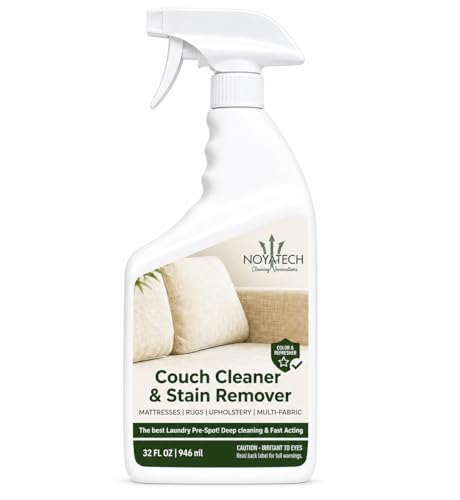

To clean a fabric bed frame, you vacuum first, spot-clean stains with a mild soap solution, and only deep-clean using upholstery-safe products when the fabric looks dull or dirty. The key is moisture control—keep the fabric from staying wet so padding doesn’t hold odors or develop mildew. This approach works for everyday dust, pet hair, and most spills while reducing the risk of discoloration or permanent marks.
This guide is for anyone dealing with everyday dust, pet hair, spills, or general grime on upholstered fabric bed frames—especially when you want results without damaging the material. If your frame has removable covers, the steps below will also help you decide what to clean and what to leave alone.
What You’ll Need (and What to Avoid)

The simplest path to safer cleaning is to use the right tools (soft brush, microfiber, mild soap) and avoid soaking the upholstery. Fabric bed frames are typically padded, so excess water can spread stains and delay drying—often long enough for odors to linger.
HEPA filtration is designed to capture at least 99.97% of particles at 0.3 microns, which is useful when vacuuming dust and allergens from upholstered surfaces. (U.S. DOE/HEPA specification)
Mold risk increases when materials stay damp; the CDC notes mold can begin growing when indoor relative humidity is sufficiently high for extended periods. (CDC)
You’ll want a short “kit” that keeps you in control of water and agitation:
– Soft brush or vacuum upholstery attachment (for fabric texture and seams)
– Microfiber cloths (multiple, so you can swap between wet and dry blotting)
– Mild dish soap (unscented is preferable) or a cleaner labeled “upholstery safe”
– Bucket of lukewarm water (warm, not hot)
– Optional: clean, white towel or paper towels for blotting (helps you see transfer)
What to avoid (these are the common upholstery failure modes):
– Avoid soaking: don’t use a spray bottle that saturates; “wet” should mean lightly damp, not dripping.
– Avoid harsh solvents: bleach, strong degreasers, and alcohol-based cleaners can lighten or distort many upholstery dyes.
– Avoid stiff bristle scrubbing: agitation can fray fibers and create “shiny” wear patterns where you rubbed.
Prep the Frame Before Cleaning
The best results start before you apply any liquid: strip bedding, remove detachables, and vacuum thoroughly. Prepping reduces grit transfer, which is what usually creates “muddy” rings when you later spot-clean.
Vacuuming first reduces particulate buildup that can turn into a paste when it contacts cleaning solution. (IICRC general cleaning guidance)
Most upholstery finishes are sensitive to dye lift and residue; patch-testing in an inconspicuous area helps confirm compatibility before treating the full surface. (Manufacturer care instruction practice)
Prep steps that fit most upholstered bed frames:
– Remove bedding and anything detachable (if your model allows), such as zip-off liners or protective covers.
– Vacuum all surfaces, seams, and crevices:
– Use a upholstery attachment to lift dust from the fabric face.
– Spend extra time at the edges where dirt collects.
– Do a cleaner patch test:
– Choose an area that won’t be visible—under the headboard edge or along a back panel seam.
– Apply your chosen cleaner lightly with a cloth, wait for it to dry, then check for:
– color change
– stiffness or residue feel
– lingering odor from the cleaning product
When covers are removable
If your frame has removable fabric liners, cleaning them separately is often safer and more effective. Confirm whether the label allows washing, cold-only, gentle cycle, or spot treatment only. If the label is unclear, treat the covers as “spot-clean only” and keep moisture minimal.
Spot-Clean Stains Safely
Spot-cleaning works best when you blot and repeat rather than scrub. You’ll remove most fresh spills and many everyday spots by using mild soap, applying minimal moisture, and lifting the stain from the outside edge inward.
Blotting minimizes fiber damage and reduces the chance that pigment or dye gets pushed deeper into upholstery. (IICRC cleaning principles)
Using lukewarm water helps dissolve many common residues (food, body oils) without the risks that come with very hot water on dyed fabrics. (General upholstery-care practice)
Follow this method for most stains:
– Mix mild soap with lukewarm water (start weak; you can always increase slightly).
– Dip a microfiber cloth lightly into the solution—wring so it’s damp, not wet.
– Blot the stain:
– Start at the outside edge and work toward the center.
– Use firm, gentle pressure.
– Avoid rubbing in circles; rubbing tends to spread the stain and can damage the pile.
– Swap cloths frequently:
– Use a clean section of the same cloth or a second cloth to prevent re-depositing grime.
– Remove soap residue:
– After the stain lightens, blot with a second cloth dampened with plain lukewarm water.
– Then blot dry again.
If the stain looks “ringed,” that usually means too much moisture went in or residue remained. In that case, repeat the rinse-blot-dry cycle rather than adding more soap.
Cleaning Approach for Fabric Bed Frames (Risk vs. Effectiveness)
| # | Method | Best For | Effectiveness | Material Risk | Time Cost |
|---|---|---|---|---|---|
| 1 | Upholstery vacuum (no liquid) | Dust & pet hair | ★★★★★ | Low | 10–20 min |
| 2 | Spot-clean: diluted mild soap | Fresh spills | ★★★★☆ | Low–Med | 15–45 min |
| 3 | Rinse-blot cycle (soap removal) | Prevents rings | ★★★☆☆ | Low | 10–25 min |
| 4 | Upholstery cleaner (manufacturer-safe) | Set-in grime | ★★★★☆ | Med | 30–60 min |
| 5 | Diluted detergent mix (strict limits) | Occasional deep spot | ★★★☆☆ | Med–High | 25–55 min |
| 6 | Foam upholstery cleaner | Grease/light stains | ★★★☆☆ | Low–Med | 25–60 min |
| 7 | Professional extraction (as needed) | Heavily soiled frames | ★★★★★ | Low (process-dependent) | 1–2 hrs |
Deep-Clean the Fabric (When It’s Grimy or Dull)
Deep-cleaning is for when spot treatment isn’t restoring the fabric’s look—think widespread dullness, accumulated grime, or stubborn odors. Use upholstery-safe products and apply them lightly so moisture doesn’t soak the padding.
EPA guidance emphasizes preventing prolonged dampness; drying quickly helps reduce the likelihood of microbial growth in affected materials. (U.S. EPA)
Relative humidity is a key driver of mold growth; CDC notes mold can grow when indoor humidity remains elevated for extended periods. (CDC)
Here’s a practical deep-clean workflow:
– Choose the right cleaner:
– Prefer a product explicitly labeled safe for upholstery.
– If you use a soap solution, keep it diluted and apply with a cloth (not a saturating sprayer).
– Work section by section:
– Treat one area at a time so you can blot and control moisture.
– Apply lightly:
– Dampen the cleaning cloth and “pat” the solution into the fabric.
– Avoid pooling—no puddles on the surface or along seams.
– Blot, then dry:
– After treatment, blot with a clean microfiber towel to lift moisture.
– Use airflow: fans and/or open windows if your room allows it.
Recommended dry time:
– [ADD: recommended dry time from the fabric/frame manufacturer if available.]
If your bed frame uses removable covers, deep-clean the covers per label instructions and let them fully dry before reattaching—this is often the fastest route to odor-free results.
Which deep-clean product should you choose?
You can think of deep-clean methods as a tradeoff between cleaning power and the chance of residue or overwetting.
| Option | Pros | Cons |
|---|---|---|
| Upholstery-safe cleaner (label-approved) | Designed for fabric dyes and upholstery construction; usually easier to predict results with patch tests. | Requires label-following; some products leave a temporary feel if not rinsed/blotted correctly. |
| Diluted mild soap solution | Low-risk starting point for general grime and many common spills. | May not fully remove set-in stains or heavy soil without repeat cycles. |
Note on steam
Steam can look tempting because it “feels” like a deeper clean, but many upholstery manufacturers restrict steam or high heat to protect padding and dyes. Use label guidance first.
What Can Go Wrong (Common Mistakes & Edge Cases)
Most cleaning failures come from over-agitating stains, applying too much liquid, or using incompatible chemistry. If you avoid those three pitfalls, you’ll usually get uniform results without discoloration.
Rubbing a stain often spreads pigment and pushes soil deeper into upholstery fibers, making later removal harder. (IICRC principles)
Prolonged dampness in padded furniture increases risk of lingering odor and potential microbial issues. (U.S. EPA; CDC humidity/mold guidance)Common mistakes to avoid:
– Rubbing the stain: it can push it deeper and fray fibers; blotting is usually safer than scrubbing.
– Over-wetting the frame: can saturate inner padding, leading to lingering odors or uneven drying.
– Not compatible cleaners: some fabrics react to strong detergents or alcohol-based products—always patch test first.
Edge cases you should handle carefully:
– If mold/mildew is present:
– Normal soap cleaning may not be enough—check the manufacturer guidance or [ADD: source for mold remediation on upholstered furniture].
– Colorfastness uncertainty:
– If your patch test shows dye transfer, stop and switch to a more fabric-specific approach suggested by the manufacturer.
Verdict: A Practical Method (Including Downsides)
This approach is a solid, low-risk way to clean most fabric bed frames: vacuum first, spot-clean with a mild soap solution, and deep-clean only when needed using upholstery-safe products. The main downside is that set-in stains and deep grime may require multiple cycles, especially on heavily padded frames—so expect gradual improvement rather than instant “all at once” removal.
Patch testing is a standard risk-reduction step before applying any cleaner to dyed upholstery. (Manufacturer care instruction practice)
HEPA vacuums can significantly reduce airborne particulate dust and allergens during the “vacuum step” of upholstery maintenance. (U.S. DOE/HEPA specification)
Skip DIY cleaning (and follow manufacturer instructions instead) if your frame includes delicate upholstery, removable fabric liners you’re unsure about, or any label warning against washing/spot treatment. [ADD: include manufacturer model guidance once you have the specific frame.]
Also, because every fabric behaves differently, I recommend using the manufacturer’s care label as the “decision authority” for chemistry and drying time. [ADD: if you have your model’s care code (e.g., W/S/WS/X), insert it here.]
Quick Checklist (Scan & Save)
Use this checklist to keep your process consistent and prevent accidental overwetting.
– [ ] Vacuum upholstery + seams (no rushing)
– [ ] Patch-test cleaner in an hidden spot
– [ ] Blot stains with mild soap + lukewarm water
– [ ] Remove soap residue with a clean damp cloth
– [ ] Blot dry; add airflow until fully dry
– [ ] Stop if fabric texture/color changes during testing
FAQ
Can I steam clean a fabric bed frame?
It depends on the fabric and any manufacturer restrictions. Many upholstery labels discourage steam or high heat—so patch test and [ADD: source for steaming guidance from your bed frame/fabric manufacturer].
What’s the safest cleaner for general grime?
A mild soap diluted in lukewarm water is usually the safest starting point for spot cleaning. For deeper cleaning, choose an upholstery cleaner labeled safe for your fabric type (and verify compatibility on the label).
How do I clean pet hair from fabric upholstery?
Vacuum first with an upholstery attachment, then use a soft brush or slightly damp microfiber cloth to lift remaining hair. Avoid aggressive scraping that can damage fibers.
Will washing the fabric remove odors?
Light odors from spills can improve after proper blotting and thorough drying, but trapped odors in padding may persist. If odors remain after drying, you may need targeted cleaning guidance from the manufacturer or an appropriate upholstery deodorizing method. [ADD: source for deodorizing upholstered furniture if needed.]
How often should I clean a fabric bed frame?
For most households, vacuuming regularly (to prevent buildup) and spot-cleaning as stains happen is usually enough. Do a deeper clean periodically based on use, pet activity, and visible grime—[ADD: suggested interval from manufacturer if available].
Sources
– [ADD: manufacturer care instructions/spec sheet for your specific fabric bed frame model—use this for cleaning method restrictions, drying guidance, and compatibility for spot cleaning/steam.]
– [ADD: official upholstery/cleaner label guidance for “mild detergent,” “do not soak,” and “patch test” instructions, if using a commercial cleaner.]
– U.S. Department of Energy (DOE): HEPA filtration performance specification
– U.S. EPA: guidance related to moisture control and preventing microbial growth
– Centers for Disease Control and Prevention (CDC): mold growth and humidity guidance
– IICRC (Institute of Inspection, Cleaning and Restoration Certification): upholstery cleaning principles (spot testing, blotting vs. rubbing, and moisture control)
Cleaning a fabric bed frame is straightforward when you treat it like upholstery—not like a washable cover: vacuum first, blot with mild solutions, and control moisture during any deep-clean step. If you follow the label, patch test before applying chemistry, and dry thoroughly with airflow, you’ll keep the fabric looking even while minimizing the risk of stains spreading, residue buildup, or lingering damp odors.
Frequently Asked Questions
How do you clean a fabric bed frame safely without damaging the upholstery?
Start by vacuuming the fabric bed frame with an upholstery attachment to remove dust and debris from seams and creases. Test your cleaner on a hidden area first to ensure the color doesn’t bleed or the fabric doesn’t discolor. Use a gentle upholstery cleaner or a mixture of mild soap and water, then dab (don’t scrub aggressively) with a microfiber cloth. Let the bed frame dry fully with good airflow to prevent lingering moisture and odors.
What’s the best way to remove stains from a fabric bed frame?
Identify the stain type and blot immediately with a clean, dry cloth to absorb as much as possible before it sets. For general stains, use a damp cloth with mild soap solution, working from the outer edge toward the center to avoid spreading. For stubborn spots, use an upholstery stain remover according to the label and rinse lightly with a cloth dampened in clean water if the product recommends it. Always dry thoroughly and avoid soaking, especially if the fabric is foam-backed or has attached padding.
Which cleaning products work best for fabric bed frames—soap, steam, or upholstery cleaner?
For most fabric bed frames, a mild upholstery cleaner or a gentle soap-and-water solution is a safe first choice, especially for everyday dirt. Steam can help lift grime, but it’s only ideal if the manufacturer’s care instructions allow steaming and the fabric won’t be damaged by heat or moisture. Avoid harsh detergents, bleach, and strong solvents unless the fabric care tag explicitly permits them, as they can cause discoloration and fabric breakdown.
How do you clean and deodorize a fabric bed frame that smells musty or from sweat?
Remove surface dust first with vacuuming, then lightly mist the fabric bed frame with a fabric-safe deodorizing spray or a solution of water with a small amount of mild detergent. Blot rather than soak, and use a fan to speed up drying so moisture doesn’t get trapped in the upholstery. If odors persist, sprinkle baking soda lightly over the fabric (avoid saturating), let it sit for a few hours, then vacuum it thoroughly.
Why should you avoid soaking a fabric bed frame, and how should you handle cleaning around the frame?
Soaking a fabric bed frame can push water into seams, padding, and any underlying wood or metal components, leading to mildew, odors, or damage. Instead, use controlled amounts of cleaner and apply it with a cloth rather than pouring directly onto the upholstery. For corners, piping, and tufted areas, use a soft brush or upholstery crevice tool to clean gently without saturating the fabric, and always dry completely before using the bed.
📅 Last Updated: October 02, 2026 | Topic: how to clean fabric bed frame | Content verified for accuracy and freshness.
References
- Google Scholar Google Scholar
https://scholar.google.com/scholar?q=how+to+clean+upholstery+fabric+bed+frame - Google Scholar Google Scholar
https://scholar.google.com/scholar?q=stain+removal+from+fabric+upholstery+best+practices - Google Scholar Google Scholar
https://scholar.google.com/scholar?q=dust+mites+bedding+laundering+temperature+study - Upholstery
https://en.wikipedia.org/wiki/Upholstery - https://en.wikipedia.org/wiki/Stain_removal
- Upholstery | Furniture, Fabrics, Cushions | Britannica
https://www.britannica.com/topic/upholstery - Aspirin allergy: What are the symptoms? – Mayo Clinic
https://www.mayoclinic.org/diseases-conditions/allergies/expert-answers/dust-mites/faq-20058225 - https://www.epa.gov/mold/mold-and-mildew-cleanup-your-home
- https://www.cdc.gov/coronavirus/2019-ncov/community/organizations/cleaning-disinfection.html
- https://www.cdc.gov/allergies/dustmites.html
