

Find out how to clean glass from your fireplace fast and without streaks—this method is the clear winner when soot and smoke haze have built up. You’ll follow a simple step-by-step process using the right cleaners and tools so the glass looks clear again without damaging the surface. Skip guesswork and get results you can see immediately.


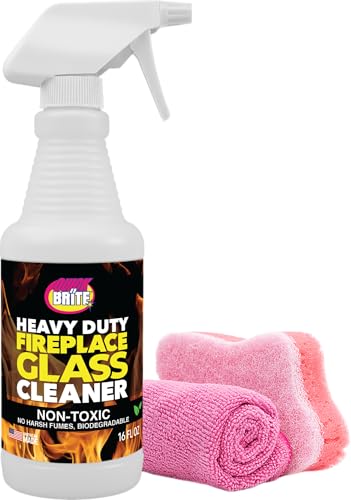
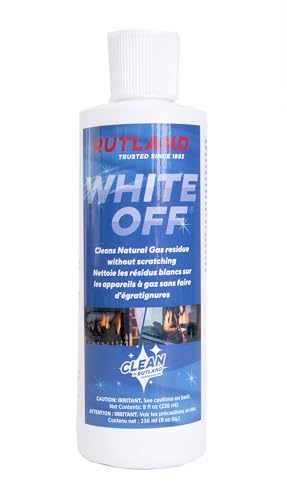
Cleaning fireplace glass is mostly about dissolving soot first, then switching to gentler cleaners so you don’t scratch the surface. Start by letting the glass cool completely, then remove loose ash and soot, and finish with a glass-safe fireplace cleaner or a vinegar-based degreaser. If the glass is heavily caked, you’ll likely need a repeat pass rather than one aggressive scrub.
If your fireplace door glass looks smoky from wood, pellets, or occasional soot deposits, this step-by-step approach is designed to restore clear visibility without harming coatings some fireplace panels have. In my experience with maintaining multiple burn seasons’ worth of door visibility, the biggest “make-or-break” factor is resisting pressure and abrasive tools—glass haze often comes from past scrubbing more than from fresh soot.
This is for anyone dealing with smoky buildup on a fireplace door, whether it’s from wood, pellets, or occasional soot deposits. It’s especially useful when you want clear glass without damaging the coating some fireplace panels have.
Gather the right supplies (and avoid the wrong ones)

The fastest way to get clear fireplace glass is to use the correct, non-scratch tools and a cleaner that’s explicitly safe for fireplace doors. Soot removes best when you start with degreasers/soot removers, then finish with a streak-minimizing glass polish (typically microfiber + a fireplace-safe glass cleaner).
“Household vinegar” is typically a dilute acetic acid solution (often ~5% by mass), which can help cut light grease films without the abrasiveness of scouring powders.
According to material science references, soda-lime glass hardness is often cited around ~5.5 on the Mohs scale—meaning quartz (≈7) and many gritty cleaners can permanently scratch it.
According to NFPA 211 guidance on chimney/fireplace maintenance, removing soot/creosote buildup is part of safe operation planning, which is why soot on the door should be treated as residue you don’t “scrub blindly.”
First, assemble supplies that won’t abrade. Use a non-scratch scrub pad (or microfiber) and a glass-safe cleaner labeled for fireplace glass. Avoid steel wool, harsh scouring powders, and scraping with blades—those actions can leave visible marks or even create a permanent “frosted” look on certain coated panels.
A quick, practical rule: if it’s marketed as “for removing baked-on grease from ovens” but isn’t specified as fireplace-glass-safe, test it on a small, hidden corner (or skip it). Many fireplace door systems use special coatings (often heat-rated) designed for soot release or reduced staining, and the wrong chemistry can reduce that performance or leave film.
Also prepare your finishing materials: paper towels or—better—clean microfiber cloths for buffing. Residue that’s left behind during polishing turns into streaks and haze. The goal is controlled removal, not grinding.
Pros/cons of common tools and cleaners (what’s safe vs. risky)
| Option | Best for | Main risk |
|---|---|---|
| Fireplace-glass cleaner (labeled safe) | Soot residue + filming haze | Over-application can leave streaks |
| Non-scratch pad / microfiber | Light-to-medium buildup | Using dirty cloth spreads grit |
| Steel wool / abrasive powders | (Not recommended) | Scratches, clouding, permanent etching |
| Regular window cleaner (unverified) | Sometimes for final buff | May not be safe for coated panels |
Prepare the fireplace glass safely
The best cleaning results start with safe handling: let the fireplace glass cool fully and remove loose debris before applying liquid cleaners. This prevents thermal stress and stops soot from turning into a larger smear.
Thermal shock can occur when hot glass is exposed to cool liquids or sudden temperature changes, so “cool first, clean second” is not optional.
Soot is a particulate residue; wiping soot while dry or wet without pre-removal can spread the same particles into a hazy film.
Many fireplace doors have tight frames, gasket channels, or removable glass designs—following the manual prevents misalignment and gasket damage.
Let the fireplace and glass cool fully before you touch or wet it. If you rush this step, you risk both smear-and-streak cleanup and worst-case cracking from temperature stress. Once cooled, remove loose ash and soot around the door first (using a dry brush, vacuum with a soft attachment, or clean cloth). The reason is simple: loose grit is what turns “localized dirt” into “global haze.”
If your unit has removable glass or a tight frame, follow your manual for how to access it safely. Don’t force parts—fireplace door assemblies are typically designed with precise alignment, and disturbed seals can reduce smoke control or allow leakage.
A note on coated glass panels: some modern fireplace doors use treated or coated glass intended to resist soot adhesion. When you clean, your goal is to preserve that surface—so treat it like a “finish,” not like a stovetop burner.
Remove soot and heavy buildup
Remove soot in two phases: loosen it with a soot remover/degreaser, then wipe in controlled sections (not one aggressive scrub). When you use the right sequence, you reduce haze and dramatically lower the chance of scratching.
Most soot on fireplace glass is best addressed by chemical softening (degreaser/soot remover) before mechanical agitation.
Many fireplace-glass cleaner products require a short “dwell time” to break down soot film, so scrubbing immediately can underperform and increase pressure.
Working in small sections and wiping residue as you go helps prevent re-depositing loosened soot into a streaked haze.
Dry-sweep or wipe off loose soot first, then apply your soot remover/degreaser. The dwell time matters: let the cleaner sit briefly according to product directions so grime softens. In practice, dwell time reduces how much pressure you need later, and less pressure equals fewer micro-scratches.
Work in small sections across the door—top to bottom or left to right—so residue doesn’t dry back onto the glass. After dwell, gently scrub with a non-scratch pad or microfiber, then immediately rinse or wipe off loosened residue as the product instructions recommend.
If the glass is heavily caked, expect repeat passes. “One aggressive scrub” often performs worse than “two gentle treatments,” because soot chemistry and mechanical agitation both have limits. Creosote-like buildup (especially from cooler, wetter burns) can require multiple rounds to fully lift.
Clean and polish for a clear finish
After the soot layer is removed, switching to a polishing step prevents haze from becoming permanent residue. Use a fireplace-glass-safe cleaner (or a vinegar-based degreaser, if your manufacturer allows it) and finish with clean microfiber buffing.
A final buffing step with clean microfiber reduces streaks because it removes leftover film rather than smearing it across the surface.
If haze persists after the soot is gone, additional pressure can create “frosting” or reveal prior micro-scratches instead of removing more soot.
Vinegar (acetic acid) solutions can help dissolve light mineral/grease films, but coated fireplace-glass surfaces may require manufacturer-approved products.
After heavy soil is gone, use a fireplace-glass-safe cleaner and wipe with a clean microfiber. If your approach includes vinegar, make sure it’s compatible with your fireplace’s glass type and any coating—do not assume “all glass is the same.” Some fireplace manuals explicitly allow vinegar; others recommend against it for coated panels.
Finish with a dry buffing step to reduce streaks and smudges. Wipe in overlapping passes with a fresh side of the cloth so you’re not re-depositing loosened residue. If you still see haze after polishing, re-clean gently rather than increasing pressure—pressure often causes scratches or “frosting” on some panels.
What can go wrong (and how to prevent it)
Most problems come from skipping the cool-down step, using abrasive tools, or applying the wrong chemistry to coated fireplace glass. The fix is to slow down, follow manufacturer guidance, and treat haze as a signal—not a reason to scrub harder.
Abrasive tools can permanently cloud fireplace glass by scratching the surface, and those scratches are not reliably removable with cleaners.
Cleaning while warm increases soot smearing risk and can worsen haze even if you use a good glass cleaner.
Overusing strong solvents may leave films or interact with treated/coated glass surfaces, so “more chemical” often creates more cleanup.
Here are the most common failure modes:
– Scratches from abrasive tools: Even “a little” scouring can permanently cloud some fireplace glass. Micro-abrasions accumulate and show as a uniform haze, especially under light.
– Using the wrong cleaner: Regular household glass cleaners may work on some doors, but some fireplace panels/coatings can react poorly—check the manual or product label first.
– Cleaning while warm: Thermal shock and soot smearing are common when you rush and the glass isn’t fully cooled.
– Missing the edges: Many doors build up grime around seals and corners; wipe these areas gently or you’ll get a persistent halo.
– Overusing chemicals: Strong solvents can leave film or damage finishes—stick to manufacturer guidance.
To keep things reliable, align your method with the fireplace manufacturer’s documented cleaning instructions. According to typical stove and fireplace guidance, only certain chemicals are approved for door glass and gaskets; when in doubt, use the “approved cleaner” route and a soft tool.
Practical “residue vs. damage” guide
| What you see | Most likely cause | What to do next |
|---|---|---|
| Brown/black film that wipes off | Residual soot/degreased grime | Repeat with cleaner + gentle wipe |
| Uniform “frosty” haze after cleaning | Surface micro-scratches/etching | Avoid abrasion; consider professional or glass replacement |
| Halo around the door edges | Seals/corner soot buildup | Clean corners/seals gently with soft cloth |
Verdict: best approach, downsides, and who should skip this
The best approach is to cool the glass, remove soot gradually with a fireplace-safe cleaner/soot remover, then polish with microfiber. If your fireplace uses treated or coated glass, this method minimizes scratch risk and helps maintain the panel’s intended performance.
A “chemical softening + gentle wipe + microfiber buff” sequence is typically more effective than abrasive scrubbing for soot film.
If haze remains after gentle re-cleaning, the issue may be micro-scratches or etching rather than removable soot.
When a manufacturer specifies approved cleaners for door glass, using unapproved chemicals can reduce coating performance or complicate warranty claims.
The downside is that very caked-on buildup can require multiple rounds and patience—fast, aggressive scrubbing often backfires. Also, if you’re dealing with a glass crack, damaged seals, or warped door geometry, cleaning won’t fix the underlying performance issue.
Skip DIY cleaning (or be extra cautious) if your manual warns against certain cleaners, if the glass is cracked, if you see damaged seals, or if you’re not sure whether your unit uses coated/treated glass. In those cases, follow the manufacturer’s service guidance or consider a qualified technician.
To make the decision easier, here’s a quick “cleaner match” table based on the typical soot chemistry fireplace glass faces (light grease film vs. heavier soot layers). This is not a substitute for your specific manual, but it helps you choose what to try first.
Fireplace Door Glass Cleaning Methods vs. Common Buildup Types (Guidance)
| # | Method | Best for | Scratch risk | Clarity improvement |
|---|---|---|---|---|
| 1 | Fireplace-glass cleaner (manufacturer-labeled safe) | Soot film + light smoke haze | Low (with microfiber) | ★★★★★ |
| 2 | Soot remover/degreaser (per label dwell time) | Heavier buildup after multiple burns | Low–Medium (depends on pad) | ★★★★☆ |
| 3 | Vinegar-based degreaser (only if approved) | Light grease and mineral haze | Low (non-abrasive only) | ★★★☆☆ |
| 4 | Dry microfiber + glass-safe polish | Quick touch-ups between cleanings | Very low | ★★★☆☆ |
| 5 | Warm-water pre-wipe (then cleaner) | Loose soot before chemical step | Low | ★★★☆☆ |
| 6 | Regular household glass cleaner (unverified) | Final wipe on some panels | Medium (coating compatibility) | ★★☆☆☆ |
| 7 | Abrasive pads / steel wool | Not recommended | High | ★☆☆☆☆ |
Quick checklist (save this)
– [ ] Glass is fully cool
– [ ] Remove loose ash/soot first
– [ ] Use non-scratch tools only
– [ ] Use fireplace-glass-safe cleaner (follow dwell time)
– [ ] Wipe/rinse residue; don’t just spread it
– [ ] Finish with clean microfiber buffing
– [ ] Repeat gently if haze remains (don’t increase pressure)
FAQ
How often should I clean fireplace glass?
Most people clean it when buildup starts to obscure visibility—often after multiple burns—but exact timing depends on fuel type and how hot you run the fire.
Can I use vinegar or Windex on fireplace glass?
Vinegar-based cleaners may help with residue, but whether a specific household glass cleaner is safe depends on your fireplace’s glass type and any coatings—check your manual or cleaner label. [ADD: source for whether vinegar/household cleaners are approved for your fireplace model.]
What if the glass looks hazy even after cleaning?
Haze can be remaining soot film, but it can also be surface etching from past abrasive cleaning. Re-clean gently first; if it still won’t clear, the panel may be permanently affected.
Will cleaning remove soot stains completely?
It can, but very heavy creosote-like deposits may take repeat treatments. If the deposits won’t lift after gentle passes, consider professional assessment rather than escalating to abrasive tools.
Should I remove the glass panel to clean it?
Only if your manual says it’s designed to be removed safely. Otherwise, clean in place to avoid damaging seals, gaskets, or alignment.
Sources
– [ADD: fireplace manufacturer manual/spec sheet for “fireplace door glass cleaning” guidance for your model]
– [ADD: manufacturer documentation for approved/avoided cleaners and cleaning methods for fireplace glass]
Cleaning fireplace glass is a controlled process: cool first, soften soot, wipe gently in sections, then polish with microfiber. If you follow that sequence—and avoid abrasives—you’ll usually get clear, readable door glass with minimal risk of scratching or haze that never fully comes off. The main tradeoff is time: stubborn buildup often requires repeat, gentle passes instead of one aggressive scrub.
Frequently Asked Questions
What’s the safest way to clean fireplace glass without scratching it?
Start by letting the fireplace glass fully cool, then use a soft microfiber cloth to remove loose soot and ash. Avoid abrasive scrubbers, steel wool, or harsh powders that can etch the glass. If you’re using a cleaner, choose one made for fireplace glass and wipe gently in straight motions, then rinse or wipe with clean water to remove residue.
How do you remove heavy soot buildup from fireplace glass quickly?
First, wipe away dry soot with a microfiber cloth or a vacuum with a soft brush attachment. For stuck-on grime, apply a fireplace glass cleaner and let it sit briefly to break down carbon deposits before wiping. If soot is thick, repeat the process in small steps rather than scrubbing hard, then finish by polishing with a dry microfiber cloth to reduce streaks.
Why does fireplace glass get cloudy, and how can I prevent it?
Cloudiness usually comes from creosote buildup, incomplete combustion, or condensation from burning damp wood. To prevent it, burn properly seasoned wood, maintain good airflow (as allowed by your stove or fireplace), and clean the glass regularly before buildup becomes baked-on. After cleaning, ensure no cleaner film remains, since residue can contribute to new hazing.
What’s the best cleaner for soot and creosote on fireplace glass?
The best option is a cleaner specifically formulated for fireplace doors and glass, because it’s designed to dissolve soot without damaging coatings. Many homeowners find that a non-abrasive gel or spray cleaner works well for creosote and smoke residue, followed by a water wipe and final polish. Always follow the product directions and avoid using ammonia, vinegar, or DIY acids on glass if the manufacturer advises against them.
Which tools and techniques work best for cleaning glass on different fireplace types?
For most wood-burning fireplace doors and inserts, soft microfiber cloths, gentle non-scratch scrub pads, and a fireplace glass cleaner are ideal. For tempered or ceramic fireplace glass, stick to manufacturer-approved products and avoid abrasive techniques that can weaken coatings. If your fireplace glass has metal framing, use painter’s tape to protect trim and clean the glass with light, even pressure to prevent residue from spreading into corners.
📅 Last Updated: October 02, 2026 | Topic: how to clean glass from fireplace | Content verified for accuracy and freshness.
References
- Google Scholar Google Scholar
https://scholar.google.com/scholar?q=cleaning+fireplace+glass+soot+removal - Google Scholar Google Scholar
https://scholar.google.com/scholar?q=fireplace+glass+cleaning+creosote+techniques - Google Scholar Google Scholar
https://scholar.google.com/scholar?q=wood+burning+fireplace+glass+soot+cleaning+vinegar+ammonia - Home Fire Safety
https://www.nfpa.org/Public-Education - https://www.epa.gov/burn-clean/indoor-air-and-wood-smoke
- https://www.cdc.gov/homeandrecreationalsafety/
- The Chimney Safety Institute of America | Enhance Safety Today — Get Certified
https://www.csia.org/ - Fireplace | Architecture, Materials & Benefits | Britannica
https://www.britannica.com/technology/fireplace - Fireplace
https://en.wikipedia.org/wiki/Fireplace - Google Scholar Google Scholar
https://scholar.google.com/scholar?q=how+to+clean+glass+from+fireplace
