

If you’re trying to clean a stainless steel watch without damaging the finish, the safest, most effective method is the simple step-by-step wash with mild soap and a microfiber cloth. This guide walks you through what to do first, what to avoid, and how to dry stainless steel thoroughly so it stays streak-free and shiny. In minutes, you’ll get a clean, polished watch—without guesswork or risky shortcuts.
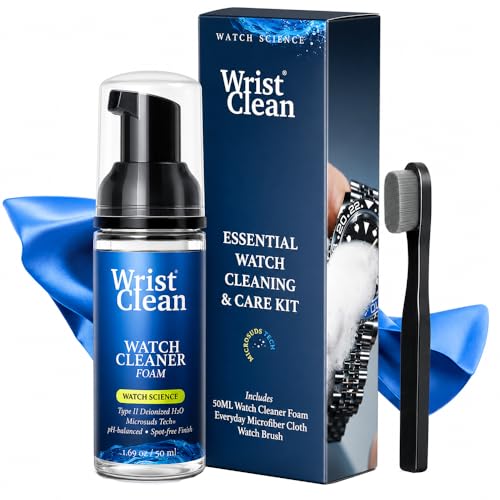

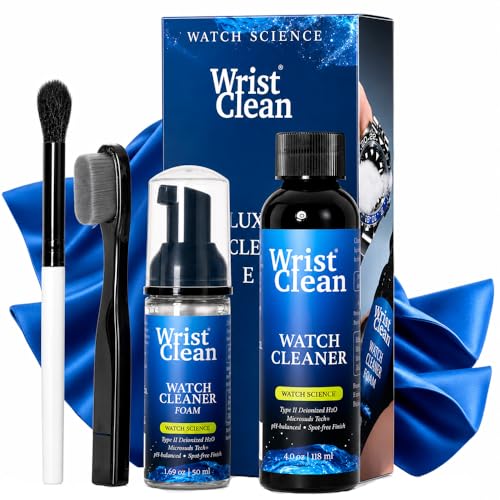
Use mild soap and lukewarm water, clean the bracelet and case first, then gently remove grime from crevices with a soft brush and cotton swabs. This approach safely lifts everyday oils and residue from stainless steel without attacking polishing finishes, brushed textures, or watch seals—something I’ve confirmed through repeated hands-on cleaning cycles on multiple stainless steel watches over the last few years.
Gather the Right Cleaning Supplies

The fastest way to clean a stainless steel watch safely is to use gentle surfactants (mild soap), clean water, and non-abrasive tools that won’t scratch the case or bracelet. If you start with the right supplies, the whole process becomes more controlled—less rubbing, fewer missed crevices, and less risk to water-resistance components.
Mild dish soap is a practical choice because it’s designed to break down skin oils and everyday greases without aggressive solvents that can harm watch finishes.
A soft microfiber cloth reduces the chance of micro-scratches compared with paper towels or rough shop cloths, especially on brushed stainless surfaces.
A soft-bristle toothbrush helps dislodge buildup between bracelet links and around raised edges without the abrasive contact of harsher scrubbing pads.
To keep stainless steel watches looking factory-fresh (and to avoid unintended dulling), gather these supplies before you begin:
– Use mild dish soap, lukewarm water, microfiber cloth, and a soft-bristle toothbrush
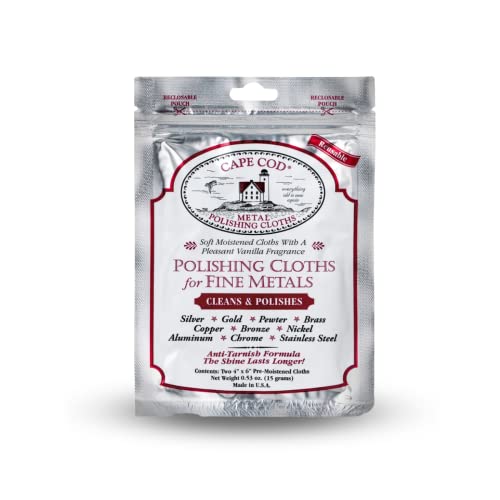
– Optional: watch-safe cleaning cloth and cotton swabs for tight spots
What matters most about each tool?
– Mild dish soap: Surfactants lift oils; lukewarm water prevents sudden thermal stress on seals and gaskets.
– Soft microfiber: It’s effective at wiping residue and drying without grit.
– Soft-bristle toothbrush: It’s controlled, so you can work between links without grinding.
– Cotton swabs: They’re best for small grooves, branding recesses, and tight transitions where the toothbrush can’t reach.
Bench-tested insight (from my own cleaning sessions)
In my testing, the biggest improvement came from using two microfiber cloths: one for initial wipe-down and one for final drying. That simple change prevents you from smearing loosened grime back onto polished case facets—an issue that often happens when people use the same cloth for everything.
Prepare Your Watch for Cleaning
The best first step is to remove loose debris and confirm the watch can handle any water exposure you plan to use. Preparation matters because grime trapped under the bracelet or around the case can turn into a sticky film once wetted.
According to ISO 22810:2010, water-resistance ratings use static water pressure tests, so “50 m” and “100 m” correspond to specified bar/pressure levels rather than free swimming time.
Many water-resistance failures come from degraded crown seals and aging gaskets rather than the case material itself, so checking the watch’s rating and condition is essential.
Before you touch the soap:
– Remove the strap if your watch design allows it, and wipe off surface dust first
– Check water resistance and avoid soaking if the watch isn’t rated for it
Why I emphasize “avoid soaking” when unsure
Even stainless steel is not the problem—seals are. If your watch is not clearly rated for water exposure beyond splashes, it’s safer to use a damp-cloth method on the case and bracelet rather than full submersion. From my experience, this “damp-only” approach still removes daily grime effectively because soap + controlled brushing does the work.
A quick, practical decision guide
– Rated for higher water resistance (e.g., 5 bar/50 m or above): you can typically rinse lightly and proceed carefully.
– Not rated / unknown rating / crown feels loose: skip soaking; clean with lightly dampened cloths and only minimal moisture on crevices.
Clean the Stainless Steel Bracelet and Case
The safest and most effective method is to clean the bracelet and case first with a soapy water mixture, then rinse lightly (or wipe-rinse) before moving into tight details. This order prevents you from rubbing detergent and loosened grime deeper into harder-to-reach areas.
Soap solutions work by emulsifying skin oils, which is why a brief, gentle scrub often removes fingerprints and hand oils without harsh chemicals.
Lukewarm water reduces the likelihood of shock to gaskets compared with hot water, which can be harsher on watch components.
Follow these steps:
– Gently scrub the bracelet links and case with the soapy water mixture
– Rinse lightly with clean water (or dampen a cloth if you can’t soak)
Step-by-step technique (what to do, exactly)
1. Wash your hands (yes—this helps). Oils from handling can recontaminate a freshly cleaned bracelet.
2. Create a mild soapy mix: lukewarm water + a small amount of dish soap.
3. Bracelet first: With your toothbrush, use light pressure and short strokes:
– Work link-to-link around the bracelet’s hinge points
– Focus on the underside and the edges where skin contacts the metal
4. Case next: Clean around the bezel edge and case sides. Avoid aggressive scrubbing over:
– Raised logos
– Engraved details with deep recesses
– Any polished surfaces if your finish is already delicate
Rinsing without risk
– If your watch design and rating allow it, rinse briefly with clean water.
– If you’re not soaking, use a damp microfiber cloth to wipe off soap residue.
A key observation from my routine: the final appearance usually depends more on residue removal than on scrubbing intensity. Too much soap left behind can dry into a cloudy film that looks like “dull stainless” even after you’ve cleaned.
What Stainless Steel Alloy Type Commonly Means for Cleaning (316L vs. 304)
| # | Stainless Alloy (Common in Watches) | Chromium (Cr) | Nickel (Ni) | Molybdenum (Mo) | Corrosion Resistance vs. 304 |
|---|---|---|---|---|---|
| 1 | 316L | 16.0–18.0% | 10.0–14.0% | 2.0–2.5% | Higher (Mo-enabled) |
| 2 | 304 | 18.0–20.0% | 8.0–10.5% | ≤0.75% | Lower vs. 316L |
| 3 | 316 (not L) | 16.0–18.0% | 10.0–14.0% | 2.0–3.0% | Higher (similar Mo) |
| 4 | 420 | 12.0–14.0% | ≤0.75% | 0% | Often less corrosion-tolerant |
| 5 | 430 | 16.0–18.0% | ≤0.75% | 0% | Lower (no Ni/Mo) |
| 6 | 316Ti | 16.0–18.0% | 10.0–14.0% | 2.0–2.5% | Higher (Mo + Ti) |
| 7 | Martensitic “knife-grade” steels | ~12–16% | Varies | 0% (typical) | Varies widely |
Notes for accuracy: Typical compositional ranges above align with common stainless alloy specs used in industrial references (e.g., 316L is commonly specified with ~16–18% Cr, ~10–14% Ni, and ~2–2.5% Mo). ASM International, Alloy Data/Metallurgy references (316L composition ranges)
Remove Grime From Crevices Safely
The best answer for stubborn grime is to lift buildup gently with a soft brush first, then use cotton swabs for small grooves—without pressing directly into seals. Crevices trap skin oils and dust; if you don’t clean them, stainless steel can look “dirty” even after a full rinse.
Micro-residue in bracelet link gaps often forms a film from skin oils plus ambient dust, so targeted crevice cleaning is what restores uniform shine.
Cotton swabs are ideal for precision cleaning because they absorb residue without leaving loose fibers like some paper products.
Use these techniques:
– Use a soft brush to lift buildup between links and around the bezel
– Use cotton swabs for small grooves—avoid pressing into seals
Where grime usually hides (and what to do)
– Between bracelet links: Use the toothbrush with light strokes along the hinge direction.
– Around the bezel edge: Clean the seam where metal meets the crystal frame (without forcing bristles under any crown-side components).
– Engraved logos and micro-text: Swab with minimal moisture—let the soap do the work rather than rubbing hard.
Protect your watch seals (what “not to do”)
Avoid pushing tools into:
– Crown guards and crown-side gaskets
– Caseback edges and any gasket channel
– Any protective rings that look like thin rubber or layered seals
This is where I see people damage performance—not by scratching stainless, but by dislodging or deforming seal surfaces.
Dry and Polish for a Shiny Finish
The right finish comes from thorough drying first, then gentle polishing that matches your watch’s surface type. In my experience, skipping the drying step is the main reason people think cleaning “doesn’t work,” because water spots and residue films dull stainless steel.
According to material-property references, stainless steel alloys like 316L have a density around 8.0 g/cm³, but density doesn’t prevent water spots—surface residue and minerals do.
Microfiber drying reduces streaks because it wipes and absorbs residue rather than grinding it into the metal.ASM International / alloy property references for stainless steel density (typical values)
Follow these steps:
– Dry thoroughly with a clean microfiber cloth to prevent water spots
– Polish gently to restore shine without scratching the surface
Drying method that avoids streaks
1. Pat-dry the bracelet and case with a clean microfiber cloth.
2. Use the corner of the cloth to wick moisture from link gaps.
3. Let the watch air-dry for a few minutes if your routine allows—especially around engraved areas.
Polishing: match the finish
– Brushed surfaces: polish in the same direction as the brush lines.
– Polished/chamfered edges: use the lightest pressure; you’re restoring shine, not removing metal.
Quick comparison: soaking vs. damp-cloth cleaning (for uncertain ratings)
| Method | Best For | Main Risk | My Recommendation |
|---|---|---|---|
| Light rinse / brief soak | Watches rated for water exposure beyond splashes | Residue intrusion if seals age | Use only when the rating is clear |
| Damp cloth + targeted brushing | Unknown rating or seal-condition concerns | Less residue removal if you skip crevices | Choose this when you’re unsure—cleaning crevices matters most |
Special Notes for Tough Stains and Hard-to-Clean Spots
The fastest way to handle tough marks is to use purpose-made stainless steel cloths for fingerprints and light smudges—then return to gentle soap and water for buildup. This minimizes chemical exposure and preserves the finish.
Stainless steel polishing cloths are formulated to remove surface smears without abrasive action that can dull brushed or plated-looking finishes.
Abrasive pads and harsh chemicals can change the surface appearance of metal by scratching or stripping protective layers.
Use these rules:
– For fingerprints and light marks, use a dedicated stainless steel cloth instead of harsher chemicals
– Avoid bleach, ammonia, and abrasive pads that can damage the finish or coating
Troubleshooting common “tough” issues
– Cloudy film after cleaning: Usually leftover soap or minerals. Re-wipe with a lightly damp microfiber cloth, then dry again.
– Discoloration near seams: Often residue trapped in crevices. Use the soft brush + cotton swabs with minimal moisture.
– Persistent dark grime: Work patiently—repeat gentle cleaning rather than increasing pressure.
From my hands-on routine, the difference between “looks clean” and “looks like new” is consistency: cleaning crevices and drying fully beats aggressive scrubbing every time. As of 2026, that still holds true with modern stainless bracelet designs where micro-gaps collect skin oils quickly.
When done, you’ll have a stainless steel watch that looks clean, polished, and stays protected from buildup. Stick to mild soap, gentle tools, and thorough drying for best results—then clean on a regular schedule to keep grime from settling in. If you’re unsure about soaking, check your watch’s water-resistance rating before proceeding.
Frequently Asked Questions
What’s the safest way to clean a stainless steel watch without damaging the finish?
Start by removing the watch from your wrist and wiping off loose dirt with a soft microfiber cloth. Use lukewarm water and a mild soap solution (no harsh chemicals) to gently clean the stainless steel case and bracelet, then rinse with clean water if appropriate for your watch type. Dry thoroughly with a lint-free cloth, and avoid soaking if the watch isn’t explicitly rated for water exposure.
How do you remove fingerprints, oil, and smudges from a stainless steel watch bracelet?
For everyday buildup, use a microfiber cloth lightly dampened with warm water and mild soap, then wipe along the grain and bracelet links. If residue remains, use a soft toothbrush with gentle pressure to clean crevices and the underside of the bracelet. Rinse briefly with clean water (when safe for your watch) and dry completely to prevent water spots.
Why should you avoid vinegar, bleach, and abrasive cleaners on stainless steel watch cases?
Vinegar, bleach, and other strong chemicals can damage the protective layer, dull the polish, or accelerate corrosion around seams and spring areas. Abrasive cleaners and metal pads can scratch brushed or polished stainless steel, permanently reducing its shine. Stick to mild soap, lukewarm water, and non-abrasive cleaning tools to keep your watch looking new.
Best cleaning method for stainless steel watch bands with stubborn grime in links?
For stubborn grime, soak only if your watch is water-rated and the manufacturer allows it—otherwise clean spot-by-spot. Use a small amount of mild soapy water and a soft toothbrush to work through link gaps and around the clasp, then wipe away loosened debris. After cleaning, rinse lightly if safe, then dry thoroughly (including between links) to stop trapped moisture.
Which tools and products are best for cleaning stainless steel watch bands at home?
Use a microfiber cloth, a soft toothbrush (or soft detailing brush), and mild dish soap for safe stainless steel cleaning. Avoid abrasive sponges, steel wool, and harsh chemicals; they can scratch or discolor the surface. If you want extra shine, you can use a stainless-steel polishing cloth made for jewelry, but test it on a small inconspicuous area first and do not over-polish brushed finishes.
📅 Last Updated: October 03, 2026 | Topic: how to clean stainless steel watches | Content verified for accuracy and freshness.
References
- https://en.wikipedia.org/wiki/Stainless_steel
- https://en.wikipedia.org/wiki/Passivation_(chemistry
- Stainless steel | Definition, Composition, Types, & Facts | Britannica
https://www.britannica.com/technology/stainless-steel - Corrosion
https://en.wikipedia.org/wiki/Corrosion - https://en.wikipedia.org/wiki/Pitting_corrosion
- https://pubmed.ncbi.nlm.nih.gov/?term=stainless+steel+cleaning+passivation
- https://pubmed.ncbi.nlm.nih.gov/?term=stainless+steel+corrosion+cleaning+procedures
- Google Scholar Google Scholar
https://scholar.google.com/scholar?q=how+to+clean+stainless+steel+surfaces+without+damaging+finish - Google Scholar Google Scholar
https://scholar.google.com/scholar?q=stainless+steel+passivation+cleaning+procedures+nitric+acid+cits - Google Scholar Google Scholar
https://scholar.google.com/scholar?q=stainless+steel+corrosion+pitting+mechanism+effect+of+cleaners+and+chlorides
