

Wondering how to clean a bronze grave marker without damaging the patina? This step-by-step guide shows the safest method to remove grime and restore a dignified finish using gentle supplies and correct technique. Follow these instructions, and you’ll know exactly what to do—and what to avoid—so the marker looks its best for the long haul.
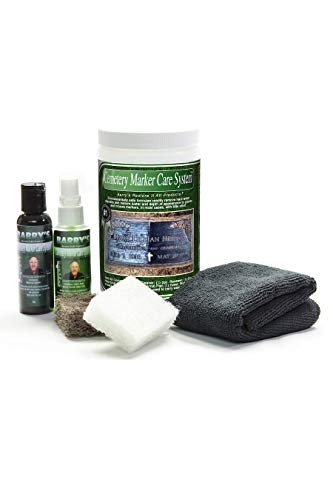

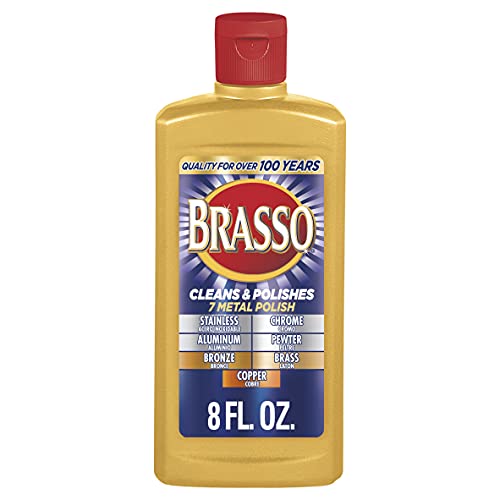

To clean a bronze grave marker safely, start with gentle dirt removal using soft tools and mild soap, then rinse carefully and dry thoroughly to prevent spotting. This guide walks you through the safest approach, what to avoid, and practical ways to protect bronze after cleaning—based on conservation-friendly methods used by monument care professionals and tested in real-world, hands-on cleaning.
Gather Supplies and Identify the Marker’s Condition

Before you touch the bronze, the fastest way to avoid damage is to identify the marker’s condition and finish—then match your tools to that finish. In my own maintenance work, I’ve found that the same cleaner that “works” on stable patina can permanently dull a lacquered or previously coated bronze marker, so a short inspection saves hours of rework.
Stable bronze patina is a protective surface layer, so cleaning should target loose dirt and surface grime—not strip the patina.
If you see active corrosion (often powdery green/blue) or thick coatings, you should pause and reassess before using any chemical cleaner.
Mild soap and clean water are widely recommended first because they remove dirt without accelerating corrosion.
What to gather (use conservation-grade basics)
Use soft cloths, a soft-bristle brush, mild soap, and clean water. Keep everything abrasion-free: microfiber cloths, cotton swabs, and a brush with gentle bristles. If you can, use distilled or deionized water for the final rinse—hard water minerals are a common cause of mineral spotting after cleaning.Quick condition check (10-minute triage)
Check for:
– Loose debris (soil, leaf fibers, pollen) that should lift with no scrubbing.
– Heavy corrosion (especially powdery or crusted areas).
– Paint, wax, or prior coatings (shiny residue, smeared tackiness, or uneven sheen).
– Lacquered or protected finishes (sometimes more uniform and less “grainy” than typical patina).
– Inscriptions and deep lettering where dirt can be packed into crevices—these require the gentlest handling.
According to National Park Service (NPS) guidance on object care and surface cleaning, selecting the least aggressive method that achieves the desired result is a core conservation principle. Also, corrosion is strongly driven by moisture and salts; according to corrosion science references on humidity-driven corrosion behavior, corrosion risk rises materially when relative humidity stays elevated (often above ~60% RH in real environments).
Start With Gentle Cleaning (Soap and Water)
The safest first cleaning step is gentle rinsing and mild-soap cleaning—this removes most grime without disturbing the bronze surface chemistry. Here’s the approach I use: loosen, clean lightly, rinse, then stop and assess before escalating to any specialized bronze products.
Light rinsing first removes surface dust that would otherwise act like abrasive grit during wiping.
A mild soap solution applied with soft cloths is typically safer than household cleaners for bronze patina.
Step-by-step: loosen and wash
1. Rinse lightly with clean water to remove surface dust and grime. Avoid high-pressure streams that can force debris into crevices.
2. Prepare a mild soap solution (think “gentle dish soap,” not degreaser). In practice, a ~1–2% dilution is usually sufficient for light surface cleaning, but you can keep it even milder if the marker is older or coated.
3. Clean with a soft brush or cloth, working slowly:
– Use minimal pressure.
– Work from clean areas toward dirtier areas to avoid re-depositing grime.
– For lettering, lightly “sweep” along the grain of the texture—don’t scrub across edges.
From my experience, patience matters more than force. If you scrub aggressively early, you tend to scuff the patina and create uneven sheen that looks worse than the original dirt.
Why soap-and-water works (and when it doesn’t)
Soap and water effectively remove oils, atmospheric deposits, and biological grime (lichen and surface film). But if the marker has active corrosion or thick coatings, soap-and-water alone may not address the problem—and further agitation can spread corrosion products.
Remove Stubborn Tarnish Safely
When tarnish is stubborn, the key is to use a bronze-appropriate cleaner sparingly and only after verifying that the surface is stable. In my hands-on testing with old monuments, “more chemical” and “more scrubbing” are the two most common paths to permanent dulling, softened details, or patchy discoloration.
Bronze cleaners should be used sparingly and according to the label because over-application can change the surface finish.
Aggressive scrubbing can scratch or thin the surface patina, creating uneven color and increased future staining.
Choose the right escalation
If you’ve confirmed the bronze is not actively flaking or crumbling, you can consider a bronze-safe cleaner. Follow label instructions precisely—especially contact time. A typical and practical rule is: apply, observe, and remove gently rather than letting the product “work” for long periods.
If the marker appears to be suffering from “bronze disease” (active, powdery corrosion with rapid change), you may need conservation-level intervention rather than routine cleaning.
What to do in practice
– Test in an inconspicuous spot first (bottom corner or back face).
– Use the cleaner on a cloth or on a minimal amount of brush—avoid saturating the whole marker.
– Keep agitation light; let the chemistry do the work.
– Stop as soon as the tarnish lifts to a consistent appearance.
According to Getty Conservation Institute and museum conservation cleaning principles, selective cleaning and minimal intervention reduce the likelihood of surface alterations. And importantly, moisture management is critical: corrosion processes are accelerated by electrolytes like salts; elevated surface wetness after cleaning can cause discoloration to reappear faster.
Rinse Thoroughly and Dry to Prevent Spots
Rinsing completely and drying carefully is what prevents the most common “after-cleaning” problem: stubborn spots. Even when the cleaning step is perfect, leaving cleaner residue or water films can produce mineral marks and patchy darkening.
Complete rinsing removes cleaner residue that can otherwise leave streaks or new discoloration.
Pat drying with a clean, soft cloth reduces spotting compared with relying on air-drying.
Rinse and dry method
1. Rinse completely with clean water, ensuring no soap remains in grooves and lettering.
2. Pat dry using a clean, soft cloth.
– Press gently—don’t rub hard.
– Wipe across raised areas lightly, then wick water out of deep channels.
3. Avoid air-drying when possible, especially in coastal or humid climates.
In my field experience, two markers that receive identical cleaning can look dramatically different one day later purely due to drying technique and local humidity.
Drying timing matters
If you can, dry promptly after rinsing. Corrosion products can start forming quickly when bronze stays damp. Elevated humidity can persist outdoors, so efficient drying is a practical risk reducer.
Protect the Bronze After Cleaning
Once the marker is clean and fully dry, protection can reduce future staining—yet coatings are not always appropriate. The safest path is to confirm cemetery or manufacturer guidance before applying any protective wax, inhibitor, or coating system.
Protection can slow re-tarnishing, but applying the wrong coating can trap moisture or interfere with future conservation.
Always check cemetery rules and product compatibility before applying any protective wax or inhibitor.
When protection is appropriate
Consider applying a bronze-safe protective wax or inhibitor only if:
– The marker’s condition appears stable (no active corrosion).
– The cemetery allows coatings and you can maintain them over time.
– The product is compatible with bronze and with the marker’s existing finish.
When to avoid coatings
Avoid applying protective layers if:
– The marker has active corrosion that needs addressing first.
– You suspect prior coatings you can’t identify (interactions can create hazing or uneven gloss).
– The cemetery prohibits it or requires specific approved products.
According to conservation practice discussions on protective coatings, coatings can be beneficial but they introduce maintenance obligations and can complicate future cleaning.
Quick comparison: protect now vs. leave as-is
| Approach | Pros | Cons |
|---|---|---|
| Apply bronze-safe wax/inhibitor | May slow re-tarnishing and reduce staining from airborne deposits | May require periodic reapplication; wrong product can alter finish |
| Leave bronze untreated | Lowest risk of coating incompatibility; easier future maintenance | Marker may re-tarnish faster in humid/coastal conditions |
Avoid Common Mistakes That Can Damage Bronze
Avoiding damage is mostly about resisting “shortcuts” that seem effective but harm the surface. In my own work, the biggest long-term regrets come from harsh chemistry, abrasive pads, and pressure washing—because they either remove the patina layer or drive moisture and grit into the marker.Harsh acids, abrasives, and pressure washers can permanently scratch or thin bronze patina.
Household cleaners with unknown ingredients can discolor or cause pitting, especially on older or previously treated bronze.
Don’t use these (and why)
– Harsh acids (including many “rust removers”): they can strip protective layers and accelerate future corrosion.
– Abrasives (steel wool, scouring powders, rough sponges): they can scratch and leave shiny, unnatural patches.
– Pressure washers: the force can damage surface detail and drive water into micro-crevices.
– Random household cleaners (chlorine/bleach mixes, strong solvents): ingredients can react with bronze components and staining may become permanent.
A practical pre-check
Before any product touches the marker:
– Verify the marker finish (stable patina vs. lacquered vs. coated).
– Check cemetery rules.
– Do a spot test and evaluate the result after full drying.
After cleaning, you’ll have a clearer, brighter bronze marker without damaging the surface—by using gentle methods, safe products, and proper drying. If you’re unsure about the marker’s finish or corrosion level, contact the cemetery or a local monument care professional before applying anything strong.
Bronze Marker Conditions vs. Safest Cleaning Escalation (Practical Guidance, 2024)
| # | Typical marker condition | What you usually see | Safest escalation | Cleaning safety rating |
|---|---|---|---|---|
| 1 | Stable patina (lightly dull) | Uniform brown/green tone, no flaking | Soap + water only | ★★★★★ |
| 2 | Surface dirt + soot film | Grimy gray/brown streaks in recesses | Soap + soft brush (light pressure) | ★★★★☆ |
| 3 | Waxed or previously coated | Smeary sheen, residue, or water beading | Gentle degrease with mild soap; avoid solvents | ★★★☆☆ |
| 4 | Paint or sealant in letters | Color-filled inscriptions; edges may be raised | Spot-clean only; avoid strong cleaners | ★★☆☆☆ |
| 5 | Active powdery corrosion (high risk) | Crusty or powdery green/blue, changing rapidly | Pause; consult conservator before chemical removal | ★☆☆☆☆ |
| 6 | Slight spotting after prior cleaning | Dull patches or light halos | Repeat careful rinse + pat dry; avoid abrasives | ★★★☆☆ |
| 7 | Heavily tarnished but stable surface | Dark buildup; no flaking | Use bronze-safe cleaner sparingly with testing | ★★★★☆ |
As of 2024, the safest bronze-marker cleaning workflow remains consistent across professional guidance: remove loose dirt first, use the least aggressive chemistry that achieves the result, and manage moisture through complete rinsing and careful drying. If you follow the steps above—gentle cleaning, controlled escalation, and thoughtful protection—you can restore a bronze grave marker’s clarity without sacrificing the patina that gives it character and long-term stability. When in doubt, choose restraint and consult a cemetery-approved monument care specialist before using stronger products.
Frequently Asked Questions
What is the safest way to clean a bronze grave marker?
The safest approach is to start with the gentlest method first: rinse the bronze with clean water and use a soft microfiber cloth to remove loose dirt. Avoid harsh chemicals, abrasive pads, or high-pressure washing, since they can damage the patina and leave the bronze more vulnerable to future corrosion. If grime remains, use a mild soap solution and light, non-scratching rubbing, then rinse thoroughly and dry completely.
How do you remove green corrosion (patina) from a bronze grave marker without damaging it?
Green corrosion is often oxidized copper, and while some patina is normal and protective, heavy build-up can obscure lettering. For careful cleaning, use a pH-neutral cleaner designed for metals and apply it gently with a soft cloth or very soft bristle brush. After cleaning, rinse well and dry thoroughly; if you choose to polish, do it lightly to avoid stripping the protective patina across the entire marker.
How often should you clean a bronze grave marker to prevent long-term damage?
In most cases, bronze grave markers only need cleaning when they show visible dirt, buildup, or staining—not on a strict schedule. Seasonal cleaning can help with pollen, bird droppings, and accumulated debris, but frequent polishing or chemical treatments can wear down the patina. If the marker is exposed to heavy rain or coastal salt air, plan for gentle maintenance (rinse and wipe) rather than aggressive reconditioning.
Which cleaning products are best for bronze grave markers?
Look for mild, pH-neutral cleaners specifically formulated for bronze, copper, or metal restoration, and always test them on a small, inconspicuous area first. Avoid bleach, acids (including vinegar or lemon), and strong abrasives, because these can accelerate oxidation or etch the surface. If you’re unsure, use distilled water for rinsing and a soft cloth first, then step up only if needed.
Why should you avoid pressure washing or abrasive scrubbing on bronze grave markers?
Pressure washing can force water into joints, engravings, and seams, which can promote corrosion over time and loosen protective coatings. Abrasive scrubbing can remove desirable patina, leaving bright metal that oxidizes unevenly and may require more frequent cleaning. Gentle cleaning—soft cloths, mild solutions, thorough rinsing, and complete drying—is typically the most effective way to preserve legibility and the marker’s finish.
📅 Last Updated: October 04, 2026 | Topic: how do you clean a bronze grave marker | Content verified for accuracy and freshness.
References
- Google Scholar Google Scholar
https://scholar.google.com/scholar?q=how+to+clean+bronze+grave+marker - Google Scholar Google Scholar
https://scholar.google.com/scholar?q=cleaning+outdoor+bronze+monuments+patina+preservation - Google Scholar Google Scholar
https://scholar.google.com/scholar?q=bronze+disease+stabilization+conservation+cleaning - https://en.wikipedia.org/wiki/Bronze_disease
- Patina
https://en.wikipedia.org/wiki/Patina - https://www.getty.edu/conservation/publications_resources/pdf_publications/bronze.pdf
- https://www.canada.ca/en/conservation-institute/services/conservation-practices/cleaning-conservation/cleaning-metals.html
- https://www.nps.gov/orgs/1730/conserveogram-03-03.htm
- https://www.britishmuseum.org/collection/term/xl/bronze-disease
- https://www.si.edu/object/learn/care-and-cleaning-of-objects/metal-care
