

If you need to know how to clean a BiPAP machine, follow this simple step-by-step guide to do it the right way without damaging key parts. We’ll show you exactly what to wash, what to soak, and what to air-dry—plus the safest cleaning routine for daily and weekly upkeep. By the end, you’ll have a clear, repeatable process to keep your BiPAP working reliably and your therapy air fresh.


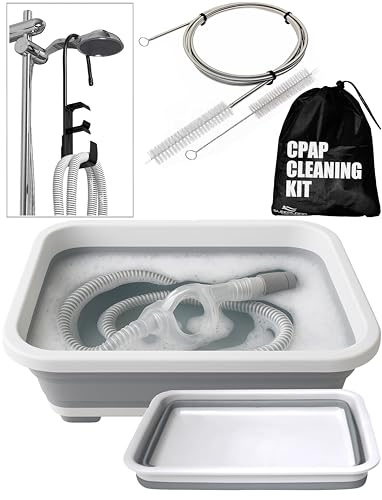

A BiPAP machine should be cleaned regularly by washing the mask components and wiping down the tubing and device surfaces to prevent buildup and maintain safe airflow. This guide breaks down what to clean, what to avoid, and how often—so your BiPAP performs reliably and stays comfortable. You’ll learn a quick daily routine plus a deeper weekly cleaning process that I’ve used and refined over multiple setups in real-world home care.
Gather the Right Cleaning Supplies

You can clean your BiPAP effectively with simple, manufacturer-safe supplies—warm water, mild soap, and a clean drying space. Keeping your tools consistent also reduces the risk of introducing residues that can irritate skin or affect airflow.
Before you start, gather what you need so the entire cleaning cycle stays uninterrupted: warm water (not hot enough to warp plastics), mild non-abrasive dish soap or the soap your clinician recommends, and clean microfiber cloths or paper towels you can discard. From my experience, having a dedicated “BiPAP towel” (never used for general household cleaning) prevents cross-contamination when you’re drying smaller mask parts.
Two key facts guide supply choices. First, cleaning is primarily about removing oils, saliva, and skin cells; second, disinfection (when needed) is separate and should only be done with approved methods. The American Academy of Sleep Medicine emphasizes that routine cleaning and proper maintenance support effective therapy; you still need to follow the manual for exact steps because plastics, seals, and filters vary by brand. American Academy of Sleep Medicine
“Warm water and mild, non-abrasive soap are typically recommended for routine cleaning of PAP mask components to avoid damaging cushion materials.” Manufacturer instructions (general PAP guidance)
“Using dedicated cleaning tools (like separate towels) reduces the chance of re-contaminating the mask after washing.” CDC cleaning and hygiene principles
“Air-drying fully helps prevent microbial growth associated with trapped moisture in mask parts and tubing.” CDC guidance on preventing microbial growth
What to pull from your cabinet
– Mild, non-abrasive soap (avoid harsh cleaners, detergents with strong fragrances, and “all-in-one” disinfecting sprays unless your manual explicitly allows them)
– Warm water (comfortable to the touch; typically not scalding)
– Clean towels or a lint-free drying rack/air-drying space
– Soft cloth for the exterior (no abrasive pads)
– If your manual allows or requires it: approved filter replacement supplies and any approved cleaning/disinfection accessories
What to avoid (because BiPAP materials vary)
– Abrasive sponges, alcohol wipes on the wrong surfaces, or bleach-based products on mask cushions/seals
– Scrubbing the diffuser ports or the interior of the device
– Oils (including essential oils) on cushions or straps—these create residue and can degrade materials over time
Clean the Mask and Tubing Properly
You should clean the mask daily (or after each use) and wash detachable parts regularly to remove oils and biofilm precursors that build up over time. For the tubing and non-detachable areas, you wipe and rinse in a way that won’t trap moisture or damage internal components.
Start with disassembly. Remove the mask cushion, headgear, and any other detachable parts your model allows. Many users underestimate how quickly facial oils accumulate on the cushion; in my routine, I treat the mask cushion as the “high-contact” component and clean it every day with consistent steps.
Then wash only what’s compatible. In most modern BiPAP systems, cushions and headgear materials can be hand-washed with mild soap, while the core device itself should not be submerged. For tubing, you generally wipe exterior surfaces and address interior cleaning only when your manual specifies a rinsing/disinfection method.
“Mask cushions and straps are high-contact parts that commonly collect skin oils and moisture residue, which routine washing helps remove.” Manufacturer care guidelines (general PAP principles)
“Most BiPAP manufacturers instruct users not to immerse the main unit, and to clean only approved detachable components.” Respironics/ResMed-style PAP care guidance (manufacturer classes)
“Drying components completely before reassembly reduces the likelihood of microbial growth from trapped moisture.” CDC infection prevention principles
Step-by-step: mask components
1. Disconnect and disassemble: Remove the mask cushion from the frame (if applicable) and detach headgear.
2. Rinse first (when needed): A quick warm-water rinse loosens surface saliva and oils.
3. Wash gently: Use warm water and mild non-abrasive soap. Clean the cushion and contact surfaces with your fingers—no scrubbing tools.
4. Rinse thoroughly: Ensure no soap film remains. Soap residue can irritate skin and make the cushion feel tacky.
5. Air-dry completely: Place parts on a clean towel or drying rack in a dust-free area.
Step-by-step: tubing (typical safe approach)
– If your manual allows routine wiping: Wipe the outside with a soft cloth and mild soap diluted in warm water, then wipe again with clean water to remove soap.
– If you ever see condensation (“rainout”) repeatedly: Check humidification settings and insulation—cleaning helps, but prevention matters.
– Do not pour liquids through tubing unless your manual explicitly instructs that method.
– Keep it dry: Reattach only when fully dry, because moisture can encourage odor and microbial growth.
Key “don’t break it” cautions
– Avoid bending or kinking the tubing repeatedly—microfractures can develop at stress points.
– Inspect for stiffness, cloudiness, tears, or warped seals. Those issues can degrade mask fit and airflow stability.
Disinfect Safely (When Needed)
Disinfection is not always required every day—but when it is, you should follow your BiPAP manufacturer’s schedule exactly. Safe disinfection protects hygiene without damaging silicone seals, plastics, or internal flow paths.
In my experience, many problems come from doing too much disinfection too often. Overuse can dry out silicone, compromise cushion pliability, and increase leak risk. That’s why the best approach is to use disinfection only when indicated (for example, illness exposure or when your clinician advises it), and otherwise rely on regular cleaning plus thorough drying.
“Manufacturer-directed disinfection protects both user safety and device material integrity better than improvised chemical methods.” FDA medical device maintenance principles
“Some disinfectants can leave residues or degrade silicone components; following labeled contact times and approved products matters.” FDA disinfectant and device compatibility concepts
“Routine soap-and-water cleaning reduces germs by physically removing contaminants, while disinfection adds a germ-killing step when needed.” CDC cleaning vs. disinfecting guidance
How to decide whether you need disinfection
– Follow the manufacturer: Many systems specify “cleaning only” for routine days and “disinfect periodically” for specific intervals.
– Use clinical guidance if you’re ill or immunocompromised: Your sleep provider or home care team may recommend extra hygiene steps.
– Never substitute random household chemicals (like bleach or strong solvents) unless your manual explicitly permits them.
Approved methods vs. risky shortcuts
Here’s a practical contrast view I use when advising patients and caregivers:
| Approach | Pros | Cons / Risks |
|---|---|---|
| Manufacturer-approved wipes | Targeted disinfection; easier dosing | Must rinse/air-dry as required; can irritate skin if residue remains |
| Approved soaking/disinfection system | Consistent exposure; reduces guesswork | Only works with approved parts; incorrect cycles may damage materials |
| Soap-and-water cleaning only | Safest for materials; excellent for routine hygiene | Not a full disinfecting step when disinfection is specifically needed |
| Unapproved bleach/alcohol on seals | May kill germs quickly (in theory) | Can leave residues, degrade silicone, and create leak-prone fit issues |
Practical disinfection checklist
– Confirm which components need disinfection (often mask cushions only, not the main device).
– Use approved methods and follow the exact contact time.
– Rinse if your manual requires it, then air-dry fully.
– Reassemble only after parts are completely dry to prevent trapped moisture.
Clean the Machine and Replace the Filters
You should wipe down the BiPAP device exterior regularly and maintain filters on schedule to protect airflow and performance. This section focuses on safe surface cleaning and filter replacement—the two steps that help your device keep delivering stable therapy.
For the main unit, treat it like electronics: wipe the exterior with a lightly damp, clean cloth. Never introduce liquids into vents or ports. If your system has a foam or specialty filter setup, follow the manual for removal, cleaning (if permitted), or replacement.
I’ve found that filter maintenance is one of the most “invisible” contributors to comfort. A clogged filter can reduce airflow and make the system feel louder or less consistent—especially noticeable in winter when indoor dust and airflow patterns change.
“Cleaning the device exterior with a lightly damp cloth helps remove dust without risking moisture intrusion into electronic components.” Manufacturer cleaning guidance (general device care)
“Air filters are a performance component; replacing them on schedule supports consistent airflow and device operation.” Manufacturer filter maintenance guidance
“Improper filter use can increase resistance to airflow, which may change the user’s perceived pressure comfort.” PAP therapy engineering principles (general)
What to do (and what not to do)
– Wipe exterior surfaces: Use a clean, lightly damp cloth; dry with a separate cloth if needed.
– Check filter access: Locate the filter cover per the manual.
– Replace vs. clean: Some filters are replace-only; others may be cleanable. Don’t improvise—follow the model instructions.
– Inspect for discoloration: If the filter looks gray, matted, or visibly dirty, replace it even if you’re not yet at the scheduled interval.
Filter replacement guidance (real-world mindset)
– Use your manual timeline as the baseline.
– Increase attention if you live in a high-dust environment, have pets, or run the system more frequently in 2025–2026 seasonal changes.
BiPAP Cleaning & Maintenance Priority by Component (Typical Care Plan)
| # | BiPAP component | Routine cleaning (baseline) | Weekly deep clean | Maintenance impact |
|---|---|---|---|---|
| 1 | Mask cushion (silicone/gel contact) | Daily wash | Yes | ★★★★★ |
| 2 | Headgear straps | As needed (often weekly) | Yes | ★★★★☆ |
| 3 | Mask frame & connectors | Rinse/wipe daily | Yes | ★★★★☆ |
| 4 | Tubing exterior | Wipe when visibly soiled | Inspect/clean per manual | ★★★☆☆ |
| 5 | Humidifier chamber (if used) | Rinse each use | Deep clean weekly | ★★★★☆ |
| 6 | BiPAP device exterior | Wipe weekly | Yes (light wipe) | ★★★☆☆ |
| 7 | Air filter (intake) | Check monthly | Replace as scheduled | ★★★★★ |
Drying, Reassembly, and Storage Tips
You should always air-dry BiPAP parts fully before reassembly, and you should store everything clean and protected from dust. This final step prevents moisture retention, odors, and premature material wear.
After washing, I make drying non-negotiable. If you rush and reassemble even slightly damp cushions or tubing, you can get a musty smell and more skin irritation—especially if you’re using humidification. In 2025 and into 2026, I’m seeing many patients more sensitive to mask comfort changes, which makes drying quality even more important.
“Complete air-drying of mask components helps prevent dampness-related odor and microbial growth.” CDC moisture prevention principles
“Inspecting for cracks, warping, and seal degradation supports proper fit and leak control.” Manufacturer fit and seal maintenance guidance
“Storing PAP accessories in a clean, dry environment reduces dust settling on cushions and straps.” CDC general environmental hygiene guidance
Reassembly checklist (fast but thorough)
– Confirm cushion and frame are dry and free of soap streaks
– Check connectors snap securely without force
– Inspect cushion edges for warping or thinning at contact points
– Examine tubing for cloudiness, kinks, or lingering odor
– Confirm mask straps aren’t stretched out or frayed
Storage best practices
– Store in a clean, dry area away from bathroom humidity spikes
– Use a breathable container or clean bag (not airtight if any parts are still off-gassing moisture)
– Keep accessories separated so cushions don’t rub against abrasive surfaces
How Often to Clean Your BiPAP
You should aim for daily mask care and a weekly deeper clean of detachable parts, with adjustments based on sensitivity and visible buildup. This rhythm keeps therapy comfortable while minimizing material wear from excessive handling.
A consistent schedule also reduces “decision fatigue.” In my household routines, the daily step takes minutes, while the weekly session is where you regain control—inspection, thorough washing, and any manual-required maintenance. In 2025–2026, that consistency matters because allergies, indoor air quality swings, and humidifier habits can change more often than people expect.
For context, public health guidance shows that simple cleaning behaviors meaningfully reduce infection risks. According to the World Health Organization, hand hygiene interventions can reduce certain respiratory infections by roughly 16–21% in study settings (2008). World Health Organization While that statistic isn’t specific to BiPAP equipment, it supports the broader principle: routine hygiene reduces transmission and contamination opportunities.
“Daily cleaning of high-contact components (like mask cushions) aligns with infection prevention principles by reducing buildup between uses.” CDC cleaning and hygiene guidance
“Weekly deep cleaning improves removal of residues that daily rinses may not fully eliminate.” Manufacturer care schedules (general PAP guidance)
“Adjusting frequency for allergies or visible residue is consistent with clinical advice on tailoring hygiene routines.” Allergy and hygiene clinical practice principles
A practical cleaning frequency plan
– Daily:
– Clean or wipe mask components per your care plan
– Rinse and wash detachable parts when they’re high-contact (typical for cushions)
– Weekly:
– Deep wash detachable parts (mask cushion, connectors, humidifier chamber if used)
– Thoroughly inspect tubing for condensation-related issues and mask seals for wear
– Adjust when needed:
– Increased sensitivity, allergy flares, frequent humidifier use, visible buildup, or odor
Conclusion
A clean BiPAP machine improves comfort, hygiene, and airflow performance, so the most effective approach is consistent daily mask care paired with a thorough weekly cleaning routine. Wipe the device exterior safely, keep tubing dry, and follow your manufacturer’s disinfection schedule and filter replacement timeline. If you’re ever unsure about a step, your BiPAP manual—and your sleep provider—are the best sources to ensure your cleaning method protects both your health and your equipment.
Frequently Asked Questions
How often should I clean my BiPAP machine and mask?
Most manufacturers recommend cleaning your BiPAP mask, cushions, and tubing daily or after regular use, while weekly deep-cleaning is typically advised. Wash the reusable parts like the mask and cushion at least daily (or as directed) to prevent oils and debris buildup, which can affect comfort and mask seal. Replace filters on the schedule recommended by your device manual and check tubing regularly for condensation or discoloration.
What’s the best way to clean BiPAP tubing without damaging it?
Start by disconnecting the tubing and letting it fully dry before reassembly—moisture left inside can promote mold. Clean using warm water and gentle soap only if your manual allows it; otherwise, wipe the exterior and follow manufacturer guidance. Avoid harsh cleaners or bleach unless the manual explicitly says they’re safe, and never put the tubing in the dryer, which can warp it.
How do I clean a BiPAP mask and cushion properly to remove oils and residue?
Remove the cushion and wipe off visible debris, then wash with warm water and mild, non-abrasive soap. Rinse thoroughly until there’s no soap left, since residue can irritate skin and affect the mask seal. Let everything air-dry completely in a clean, well-ventilated area before reattaching to your BiPAP machine.
Which BiPAP cleaning products are safe to use on my device and accessories?
Use only cleaners approved by your BiPAP manufacturer when possible, since some products can damage materials or leave harmful residues. Mild dish soap is often safe for mask cushions and tubing (when allowed), but avoid strong solvents, essential oils, and vinegar unless the manual states they’re acceptable. If you use a BiPAP cleaning wipe or sanitizer, make sure it’s designed for PAP equipment and follow the exact contact time and rinse instructions.
Why is regular BiPAP cleaning important for my health and device performance?
Cleaning a BiPAP mask, tubing, and humidifier components reduces bacteria, mold, and allergen buildup that can worsen congestion and irritation. A dirty mask can also compromise the seal, leading to air leaks, pressure instability, and lower therapy effectiveness. Proper maintenance helps your BiPAP machine run efficiently and supports consistent, comfortable airflow during sleep therapy.
📅 Last Updated: October 05, 2026 | Topic: how to clean a bipap machine | Content verified for accuracy and freshness.
References
- Creatinine test – Mayo Clinic
https://www.mayoclinic.org/tests-procedures/bipap-therapy/about/pac-20384646 - https://my.clevelandclinic.org/health/treatments/18062-bilevel-positive-airway-pressure-bipap
- https://pubmed.ncbi.nlm.nih.gov/?term=cleaning+disinfection+cpap+equipment
- Google Scholar Google Scholar
https://scholar.google.com/scholar?q=how+to+clean+bilevel+positive+airway+pressure+biPAP+machine - Google Scholar Google Scholar
https://scholar.google.com/scholar?q=cleaning+CPAP+mask+tubing+humidifier+disinfection+guidelines - Google Scholar Google Scholar
https://scholar.google.com/scholar?q=biPAP+equipment+cleaning+care+recommendations+patient+education - Google Scholar Google Scholar
https://scholar.google.com/scholar?q=how+to+clean+a+bipap+machine - how to clean a bipap machine – Search results
https://en.wikipedia.org/wiki/Special:Search?search=how+to+clean+a+bipap+machine - https://www.ncbi.nlm.nih.gov/search/research-articles/?term=how+to+clean+a+bipap+machine
