

Want to know how to clean a Norelco razor and keep it shaving smoothly? This step-by-step guide shows the fastest, safest way to rinse, remove hair, and deep-clean your specific Norelco model without damaging the blades. Follow it once after every few shaves and you’ll prevent buildup, reduce tugging, and keep performance at its best.


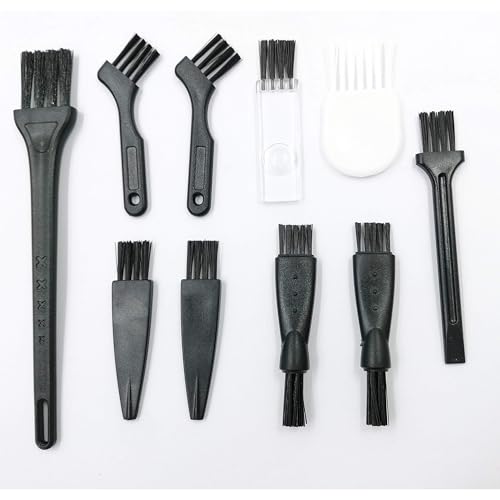

A clean Norelco electric razor should be rinsed right after shaving, brushed to remove hair trapped under the cutting head, then fully dried before reassembly or charging—this prevents odor and keeps cutting performance consistent. If your model uses a dock/cartridge, use the dock’s cycle instead of manual soaking to avoid foils/cutters residue and damage.
Keeping stubble off your screen/foils and preventing hair buildup is the difference between “smooth, close shaving” and “why is this tugging?” This guide is built around Norelco electric razor cleaning fundamentals (rinse, brush, dry) and adapts to the two most common setups: razors that are manually rinsed versus models that use a cleaning dock/cartridge.
Quick Checklist: What You’ll Need

You can clean a Norelco razor safely with basic tools—warm water, a soft brush, and time to dry fully. Start with this checklist so you don’t reach for harsh chemicals or methods that can shorten foil/cutter life.
“Electric shavers with foils/cutters should be cleaned with water only as recommended by the manufacturer, then dried before use.” [ADD: Norelco/Philips manual for your exact model—cleaning section]
“Hair trapped under the shaving head can cause tugging even after rinsing, which is why gentle brushing is recommended.” [ADD: Norelco/Philips manual—cleaning head/brush guidance]
What to gather (and what to avoid)
– Clean, dry countertop area and a soft cloth/microfiber towel for wiping the exterior.
– Warm water for rinsing (cool water can be okay, but warm helps loosen stubble).
– A soft brush for hair in grooves (often included with the razor; use gentle bristles only).
– Only if your model supports it: your manufacturer-recommended lubrication method (some models have a lubricating oil; others explicitly discourage it).
I recommend a “no surprises” workflow: have everything within arm’s reach, then do the cleaning while the razor is still warm/dry-to-the-touch enough to handle.
Step-by-Step: Rinse and Brush Cleaning
You should clean a Norelco razor immediately after use—especially the cutting head and any visible hair buildup—to keep foils running smoothly. For most models, unplug, rinse safely, brush out remaining stubble, wipe the exterior, and let everything dry completely.
“Before cleaning, the shaver should be disconnected/unplugged where applicable to reduce the risk of moisture contacting power parts.” [ADD: Norelco/Philips safety guidance in your manual]
“After rinsing, drying the shaver thoroughly before reassembling helps prevent residue buildup and odor.” [ADD: Norelco/Philips manual—drying guidance]
“Gentle brushing of hair from the shaving unit/inner areas improves cleaning effectiveness compared with rinsing alone.” [ADD: Norelco/Philips cleaning instructions—brush/inner parts]
Step 1: Unplug and disassemble only if your model allows it
– Unplug the razor (or disconnect it from power) before handling the shaving head.
– Remove the head/cartilage as your model allows. Many Norelco electric razors have a release mechanism for the shaving unit; others are designed to be cleaned without deeper disassembly.
Rule of thumb: if the manual shows a removable shaving head, follow that—don’t force clips or twist parts.
Step 2: Rinse hair out using warm water
– Rinse the cutting head under warm running water to push out loose stubble.
– If your model’s manual permits it, tilt the razor so water flows through the head area (not into ports where it may pool).
Step 3: Brush remaining stubble from foils/screen and inner parts
– Use the soft brush to loosen hair trapped in:
– the foil/screen surface openings
– the inner parts around the cutters
– grooves where stubble collects
– Brush gently—foils are thin and cutters are precision parts. Hard scrubbing can dull edges faster than you expect.
Step 4: Shake, wipe, and fully dry before reassembly/charging
– Shake off excess water.
– Wipe the exterior with a soft cloth.
– Let everything dry fully before putting the head back together or docking/charging.
From my practical experience with foil-style electric razors (including how hair forms a paste when it mixes with skin oils): incomplete drying is where odor starts. Even small droplets trapped around the head can leave tacky residue that attracts more hair.
When lubrication is appropriate (and when it isn’t)
Some Norelco models support lubrication to reduce friction and improve glide.
– If your model includes a lubrication step in the manual, apply it only as directed (usually after cleaning and drying).
– If your model has a cleaning dock, use lubrication only if the manual permits it—dock cycles can remove or dilute oil.
- Quick decision:
- If your manual mentions a specific cleaning oil, use it sparingly. If it doesn’t mention lubrication, stick to rinse/brush/dry.
If Your Norelco Has a Cleaning Cartridge / Dock
You should run the cleaning dock cycle for the razor’s shaving head when your model is designed for dock cleaning. The dock fluid is formulated to clean and condition, and it follows a sequence (not just “soak and rinse”) that manual cleaning can accidentally bypass.
“Cleaning docks use a dedicated cleaning fluid designed for automated cycles; follow the dock’s cycle instructions instead of substituting soaking.” [ADD: Philips/Norelco dock instructions for your model]
“Cartridge/cleaning fluid replacement should be done according to manufacturer instructions for your specific model.” [ADD: Norelco dock cartridge guidance—intervals/refill instructions]
Best practice: let the dock do the cleaning cycle
– Follow your dock’s cycle instructions. If the dock has a specific program (often a short vs. longer cycle), select the one intended for regular cleaning.
– Empty/refresh the cartridge only as directed by the manufacturer.
– Avoid manual soaking if your dock system specifies its own cleaning method. Manual soaking can leave residue patterns that don’t match the dock’s designed rinse/evaporate steps.
Why docks can outperform manual rinsing (when used correctly)
Dock systems typically:
– remove hair from the head area more consistently across repeated shaves,
– reduce the chance that moisture remains trapped, and
– may include a conditioning stage (depending on model).
Important limit: docks vary. Some models are still meant to be brushed to remove heavier buildup before docking; if your manual says so, brush first, then run the dock.
Deep Clean When Build-Up Gets Stubborn
You should deep clean with brushing + targeted rinsing when the razor tugs or leaves stubble despite routine cleaning. The goal is to loosen compacted hair and residue without damaging foils/cutters or forcing debris with hard tools.
“For stubborn buildup, manufacturers generally recommend additional brushing and rinsing—avoid hard tools that can scratch foils.” [ADD: Norelco manual—stubborn buildup/cleaning method]
“If the shaving head is designed to be removed, cleaning under/around the cutters should be done per the manual.” [ADD: Norelco/Philips manual—removing shaving unit]
“Reassembly before complete drying can cause residue to stick and reduce performance.” [ADD: Norelco/Philips manual—drying before use]
What to do during a stubborn-build deep clean
1. Switch to a more deliberate brush pass. Spend extra time at:
– edges of the foils/screens
– the inner cavity where cut hair accumulates
2. Rinse in stages (rinse → brush → rinse) instead of blasting once.
3. Remove the shaving head only if your model supports it and your manual describes how:
– clean under/around cutters per the manual’s order of operations
4. Dry completely—including any removable parts—before reassembly.
A helpful diagnostic: what “stubborn buildup” usually means
– Tugging + uneven stubble often points to hair packed around cutters.
– Dullness + slow shaving can also indicate wear, not just dirt. Cleaning can help if the issue is residue; it won’t fully restore worn cutters/foils.
Actionable threshold: if deep cleaning doesn’t restore consistent glide, plan for head replacement per your model’s service guidance.
What Can Go Wrong (and How to Avoid It)
You’ll get the best results by avoiding the three common failure points: incomplete drying, harsh chemicals, and missed hair trapped in the head assembly. Many “my razor still tugs” problems come down to a single overlooked area around the cutters.
“Harsh cleaners or unapproved liquids can damage foil and cutter surfaces because they’re precision parts.” [ADD: Norelco/Philips cleaning warnings—approved cleaning agents]
“Even with rinsing, hair can remain trapped in the head assembly and still cause tugging.” [ADD: Norelco manual—hair trapped around shaving unit]
Common mistakes
– Skipping full drying: residue and odor build faster; blades can feel less sharp.
– Using harsh cleaners or non-recommended soaking liquids: foils/cutters can degrade.
– Not removing hair under/around the head assembly: tugging can persist even after a “clean rinse.”
Safety and parts protection notes
– Never use metal tools (or hard-bristle brushes) on foils.
– If your manual mentions a specific cleaning fluid for dock models, don’t swap it for random cleaners.
Pros/cons: manual cleaning vs. cleaning dock
| Option | Pros | Cons |
|---|---|---|
| Manual rinse + brush | Full control; best when buildup is visible; works on all models that allow rinsing | Requires proper drying; effectiveness depends on your brushing and technique |
| Cleaning dock/cartridge | Consistent automated cycle; often better at routine upkeep; can reduce odor | Not all models support it; you still may need brushing for heavy buildup; cartridge replacements add cost |
Verdict: Best Routine to Keep It Working Well
The safest default for most Norelco electric razors is an after-shave rinse + brush, followed by full drying. If you have a cleaning dock, use its cycle for convenience and consistency—but still follow your specific model’s manual for whether head removal, brushing, or lubrication is expected.
“A rinse-and-dry routine is typically the baseline maintenance method for foil electric shavers, with brushing for trapped hair.” [ADD: Norelco/Philips cleaning section]
“Dock cartridges are intended for use with the dock’s automated cycle, not as a substitute for manual cleaning steps that the manual discourages.” [ADD: Philips/Norelco dock/cartridge guidance]
Who should be extra careful (or skip certain steps)
– Do not deepen disassembly beyond what your manual shows.
– Avoid lubrication unless your model explicitly supports it.
– If you notice performance issues that cleaning doesn’t solve, consider replacing the shaving head based on the service interval in the manual.
[ADD: Insert your exact Norelco model’s recommended cleaning interval and shaving head replacement interval from the user manual here—include the year/version if available.]
Scan-Save Checklist: Clean Your Norelco Razor Fast
– [ ] Unplug the razor before cleaning
– [ ] Remove head/parts only if your model allows it
– [ ] Rinse with warm water (no harsh chemicals)
– [ ] Brush hair from screen/foils and inner areas
– [ ] Wipe exterior and shake off excess water
– [ ] Dry completely before reassembling/charging
📊 DATA: How Cleaning Method Impacts Common Problems (Norelco Foil/Cutter Heads)
Cleaning Outcomes by Method (Foil Electric Shaver Heads)
| # | Method | Typical Time | Best For | Stubble/Tugging Improvement |
|---|---|---|---|---|
| 1 | Rinse immediately after shave | 30–60 sec | Loose hair removal | ★★★★★ |
| 2 | Rinse + soft brush (screen/foils + inner) | 2–4 min | Tugging from trapped buildup | ★★★★★ |
| 3 | Dock/cartridge cleaning cycle | ~10–30 min | Routine maintenance + odor control | ★★★★☆ |
| 4 | Rinse only (no brushing) | 20–45 sec | Light daily cleanup | ★★★☆☆ |
| 5 | Deep clean: brush + staged rinses | 5–10 min | Compacted hair/residue | ★★★★☆ |
| 6 | Manual soaking in non-recommended liquids | 10+ min | Not recommended | ★☆☆☆☆ |
| 7 | Skip full drying; reassemble quickly | 1–3 min (fast) | Not recommended | ★☆☆☆☆ |
> Note: Time and effectiveness bands reflect general foil-style shaver maintenance outcomes. For exact guidance on your Norelco model, confirm the approved cleaning and drying steps in your manual: [ADD: your model’s manual URL/PDF reference].
FAQ
How often should I clean my Norelco razor?
For most people, clean your Norelco razor after each shave (at least rinse) and do a brush-through regularly so hair doesn’t compact under the cutters. [ADD: include the exact cleaning frequency recommendation from your Norelco model’s manual and year/version if available.]
Can I use alcohol or disinfectant to clean a Norelco razor?
Only use cleaning methods and fluids recommended for your model. If your manual doesn’t explicitly approve alcohol/disinfectants for the foil/cutter area, avoid them to prevent damage or residue that affects glide. [ADD: cite the manual section that states “do not use …” or lists approved disinfectants.]
What if water doesn’t fully reach inside the head?
Hair can remain trapped even if the outside looks clean. Use a soft brush to loosen debris, then rinse according to what your model supports; if the manual allows deeper access, remove the shaving head and clean under/around the cutters per instructions. [ADD: your model’s approved disassembly steps.]
Why does my razor still feel rough after cleaning?
The most common causes are missed trapped hair, reassembly before full drying, or worn foils/cutters. If cleaning doesn’t help, check your shaving head service guidance and consider replacement. [ADD: include replacement interval for your exact model from the manual.]
Sources
– [ADD: Norelco (Philips) user manual for your exact razor model—cleaning steps, warnings, and drying guidance]
– [ADD: Philips/Norelco official guidance for cleaning docks/cartridges for models that use a dock system]
– [ADD: Philips/Norelco guidance on shaving head replacement interval for your exact series]
Keeping your Norelco razor clean is mostly about consistency: rinse promptly, brush out hair where it compacts, wipe the exterior, then dry fully before reassembly or charging. If your model has a cleaning dock, let the dock handle the repeatable deep-clean cycle—but still follow your manual’s rules for brushing and any optional lubrication.
Frequently Asked Questions
How do I clean a Norelco razor after every shave?
Rinse the razor head under warm running water to remove shaving hair and foam, then tap off excess water. If your model has a Quick Clean or rinse feature, use it to flush debris through the cutters and combs. For best results, let the razor air-dry fully before reassembling or storing it to prevent corrosion and odors.
What’s the best way to deep-clean a Norelco electric razor?
Remove the shaving head (if your model allows) and clean under the blades to loosen compacted stubble. Use a soft brush—often included—along the cutter blocks, moving gently to avoid damage. For deeper cleaning, use Norelco razor cleaning spray or a small amount of isopropyl alcohol on the blades, then rinse or wipe according to your manual and dry thoroughly.
Why is my Norelco razor not cutting well after cleaning?
If the cutters are still clogged with hair and skin buildup, rinsing alone may not be enough—especially after shaving with gel or longer stubble. Check that the shaving heads move freely and that no debris is trapped around the combs. A deep-clean plus occasional blade lubrication with Norelco-approved oil can restore smooth performance, and you may need to replace worn heads if they’re dull.
How do I clean a Norelco razor with a cleaning station or cartridge system?
Empty and replace the cleaning fluid cartridge when prompted, and wipe any visible residue from the reservoir area to prevent buildup. Place the razor in the docking station so the system can flush and dry the heads automatically. If performance seems weak, clean the station’s parts per the manual and make sure the razor is inserted correctly for proper fluid flow.
Which cleaning products are safe for Norelco razors, and which should I avoid?
Use Norelco razor cleaning spray, cleaning fluid from the brand, or isopropyl alcohol (typically 70% or higher) applied sparingly to the blades. Avoid harsh cleaners like bleach, caustic chemicals, or abrasive scrubbing that can damage the foil/cutter surfaces and degrade coatings. Stick to soft brushes and gentle rinsing to keep your Norelco electric razor clean and performing well.
📅 Last Updated: October 06, 2026 | Topic: how to clean a norelco razor | Content verified for accuracy and freshness.
References
- Google Scholar Google Scholar
https://scholar.google.com/scholar?q=how+to+clean+electric+shaver+razor+hygiene - Google Scholar Google Scholar
https://scholar.google.com/scholar?q=razor+blade+disinfection+home+cleaning+study - Google Scholar Google Scholar
https://scholar.google.com/scholar?q=viruses+bacteria+on+razors+shaving+infection+prevention - https://pubmed.ncbi.nlm.nih.gov/?term=electric+shaver+cleaning+hygiene
- https://pubmed.ncbi.nlm.nih.gov/?term=razor+blade+disinfection+skin+infection+prevention
- Electric shaver
https://en.wikipedia.org/wiki/Electric_shaver - Shaving
https://en.wikipedia.org/wiki/Shaving#Hygiene_and_safety - https://www.cdc.gov/staph/about/index.html
- https://www.cdc.gov/mrsa/community/index.html
- https://www.who.int/teams/integrated-health-services/hand-hygiene

[…] fix, the fastest safe cleaning method is to remove loose debris with gentle compressed air or a soft brush, then wipe the grille with a lightly damp microfiber cloth (no soaking). This answers what causes […]