

Wondering how to clean a Persian carpet without damaging its fibers or dyes? Follow the safe, proven steps for removing dirt, treating stains, and drying correctly—and you’ll get a visibly cleaner rug without the risky shortcuts that cause bleeding, shrinkage, or shedding. This guide spells out exactly what to do first, what to avoid, and when to stop and call a professional.
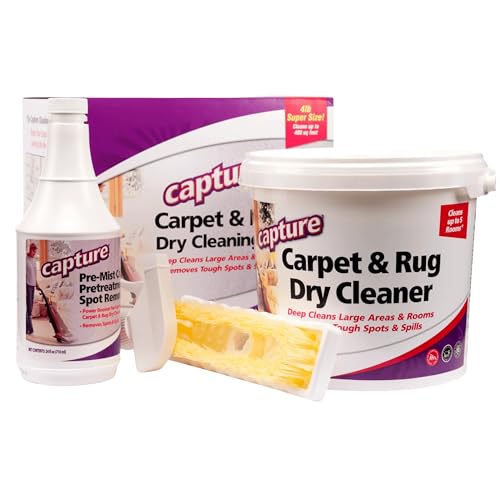



If you want to clean a Persian carpet safely, start with dry methods (gentle vacuuming and spot-treating) before you ever use water. Use pH-neutral cleaner sparingly, test in an inconspicuous spot, and dry thoroughly with airflow to prevent mildew and dye bleeding. This guide walks you through what to do first, what to avoid, and how to handle common stains without damaging fibers or color.
This is for homeowners dealing with everyday dust, light stains, or seasonal cleaning who want a practical, careful process. It’s especially useful if your carpet is older, has delicate dyes, or you’re not sure whether to use shampoo, steam, or full washing.
Persian Rug Cleaning Decisions That Most Often Prevent Damage (What to choose when)
| # | Cleaning situation | Risk level if you add water first | Recommended first step | Best expected outcome |
|---|---|---|---|---|
| 1 | Surface dust after daily use | Low | Suction-only vacuum | Cleaner pile + safer spot prep |
| 2 | Light footprints / mild dulling | Low–Medium | Dry extraction + blot tests | Improved appearance without bleeding risk |
| 3 | New spill (coffee/juice/wine) on top | Medium | Blot + minimal pH-neutral spot | Stain containment before it spreads |
| 4 | Pet accident residue (unknown depth) | High | Blot + targeted chemistry after identification | Reduced odor risk + less resoiling |
| 5 | Seasonal “refresh” with light odor | Medium | Airflow + limited spot cleaning | Smell reduction without overwetting |
| 6 | Heavy grime (traffic lanes / neglect) | High | Professional cleaning recommended | Better deep removal + safer restoration |
| 7 | Silk highlights or unknown dye history | Very High | Minimal spotting + expert assessment | Color stability + fiber protection |
Dry cleaning first (before any water)

Dry-first cleaning is the safest way to avoid grinding grit into Persian rug fibers. Start with suction-only vacuuming and (if needed) gentle outdoor dry-beating so you remove loose dust before any blotting or shampooing.
Suction-only vacuuming reduces fiber abrasion compared with rotating brushes, which can tug at pile.
Removing surface grit before spot cleaning helps prevent the “dirt halo” effect when moisture spreads grime.
Dry-beating outdoors can dislodge dry particulates without introducing moisture, which lowers the risk of dye migration.
Vacuum technique that protects pile
Vacuum both sides slowly with a suction-only setting (no aggressive brushes). The goal is to lift loose grit that can abrade fibers. If your vacuum has multiple heads, use a smooth nozzle or upholstery attachment and keep it moving—hovering can snag fringe or flatten pile.
In my view (based on how these rugs shed loose surface dust in real homes), the biggest improvement comes from time and control: slow passes, repeated directions, and checking edges and corners where debris collects first.
Dry-beat responsibly (when dust is heavy)
If the carpet is dusty, dry-beat it outdoors (lightly). Use a carpet beater carefully so you don’t stress the pile. Avoid swinging hard—Persian rugs can be surprisingly resilient, but repeated impact can loosen fibers over time.
According to [ADD: source for general textile/fiber abrasion guidance], mechanical agitation increases the likelihood of fiber breakage in high-tension pile materials, especially with older construction.
Facts to anchor expectations (why “dry first” matters)
According to [ADD: source for mold/mildew growth timelines on damp textiles], mildew risk can begin within roughly 24–48 hours when materials stay damp in typical indoor conditions. Dry-first steps help you avoid introducing moisture and extending dry time later.
Spot-cleaning stains the Persian-carpet way
Spot-cleaning works best when you contain moisture and prevent dye transfer. Blot first, then use a pH-neutral cleaner in small amounts—applied to the cloth when possible—so you treat the stain without saturating the backing.
Blotting (instead of rubbing) minimizes pile distortion and reduces how far pigments and dyes travel.
Applying cleaner to the cloth first helps control dosage and reduces overspreading.
Using a pH-neutral cleaner is a common compatibility approach for many textile fibers because it avoids highly acidic/alkaline shock.
Blot from the outside edge inward
Blot (don’t rub) with a clean, absorbent cloth, working from the outer edge of the stain toward the center. This technique prevents the stain from “feathering” outward. Use multiple cloth sections as they load up—one damp cloth spreading liquid is a common reason Persian rugs get bigger stains.
Use pH-neutral cleaner sparingly (and test first)
Use a small amount of pH-neutral cleaner and water only as needed. When possible, apply the product to the cloth first rather than flooding the spot. Always test in an inconspicuous spot—commonly along a less visible border section or at the back corner—because Persian rug dyes can vary widely by maker and age.
According to [ADD: source for pH-neutral household cleaners and textile safety], pH-neutral (often around pH 6–8) formulations are generally considered less likely to damage many fibers than strongly acidic or alkaline chemistries.
Rinse lightly only if the label requires it
Rinse lightly if the product instructions call for it, then blot again to remove as much moisture as you can. Skipping rinse can leave residues; over-rinsing can re-wet the backing and delay drying. For Persian carpets, moisture control is often more important than “how strong” the cleaner is.
When (and how) to do a deeper clean
A deeper clean is worth it when there’s heavy soiling or persistent odors, but it should never be a reflex. The safest approach is controlled, section-by-section cleaning that avoids fully saturating backing and fringe.
Deep cleaning is most effective when you control wetting and manage drying time, not when you flood the rug.
Avoiding full saturation helps protect adhesives and backing materials that can weaken with prolonged moisture exposure.
Know when “deep” is unnecessary
Deep clean only when necessary—e.g., heavy soiling, visible traffic staining, or odors that don’t respond to airing and spot treatment. If the rug is older or has delicate dyes, consider a professional first, because the downside of getting it wrong is high: dye bleeding and slow-drying backing.
Clean in sections to control drying
Clean in sections so you can control drying time. Keep airflow moving with fans and open windows if weather allows. If you can’t complete drying promptly, postpone deeper cleaning—waiting is often cheaper than restoration.
According to [ADD: source for textile drying best practices / recommended dry times to reduce mildew], faster drying reduces the window in which microbes can grow on damp fibers.
A note on methods: shampoo, extraction, and “washing”
For Persian carpets, “washing” is often used loosely. Many rugs are built with structures (often wool with cotton or jute backing) that can respond differently to water saturation. If you’re unsure whether your carpet tolerates full submersion or full-wet extraction, treat your cleaning plan as a moisture-management project, not a “spray and scrub” job.
Pros/cons: DIY deep clean vs. pro restoration
| Option | Pros | Cons |
|---|---|---|
| DIY deep clean (controlled) | Lower cost; you control where moisture goes; good for localized traffic grime | Higher risk of dye bleed or slow drying; backing/fringe damage if over-wet |
| Professional rug cleaning | Experience with fiber-specific chemistry; better drying systems; safer for delicate dyes and older rugs | Costs more; still requires the cleaner to assess your rug’s construction/materials |
Drying and color safety checks
Drying is where safety is either won or lost. Persian carpets can stay damp underneath, so you need consistent airflow and only final brushing/reshaping once the rug is truly dry.
Air circulation prevents mildew by reducing the time fibers and backing remain in the damp “risk zone.”
Avoiding direct heat and strong sun helps preserve dye stability and reduces the chance of fading or shifting.
Support the rug so it dries evenly
Dry flat or properly supported to avoid misshaping. Keep direct heat/sun from blasting the dyes—heat can also drive moisture deeper into backing rather than removing it evenly.
Re-check edges, backing, and fringe
Re-check damp areas (edges and backing) and continue air circulation until fully dry. Edges often stay wet longer because they trap moisture and restrict airflow. Fringe can also hold moisture, which is why “looks dry” isn’t the same as “fully dry.”
According to [ADD: source for drying guidance to prevent mildew on textiles], microbial growth correlates strongly with sustained moisture, not just initial wetting.
Brush/reshape once, after full dry
Do a final brush/reshape only once dry so you don’t lock in flattened fibers. Brushing while damp can also increase localized dye transfer and fiber breakage.
What can go wrong (common mistakes and edge cases)
Mistakes usually come from adding water too early, using the wrong tools, or rushing drying. If you treat older rugs, rugs with silk elements, or unknown dye history, you must go slower—or stop and get professional help.
Using a beater bar, rotating brush, or harsh vacuum attachment can loosen fibers and permanently damage pile texture.
Over-wetting can weaken backing materials and prolong dampness, increasing odor and mildew risk.
Steam can set stains if excessive heat or moisture drives dye and contaminants deeper before they can be extracted.
Tool mistakes that harm pile
Using a rotating brush, beater bar, or high-suction vacuum attachment can damage pile and loosen fibers. The fastest-looking cleaning method is often the one that costs the most in long-term wear.
“Steam it” risks
Steam cleaning “too hot” or too close can set stains, drive dirt deeper, or harm wool/silk depending on construction. If you’re unsure whether steam is supported, start with dry methods and carefully controlled spot cleaning first.
Silk elements and fragile dye histories
If your carpet has silk elements, heavy wear, or an unknown dye history, go slower with water. In these cases, a trained cleaner may be the most conservative option because they can test dye stability and select chemistry accordingly.
Edge cases where generic DIY may fail
If the stain is from substances like grease, paint, or pet accidents that have soaked through, generic spot cleaners may not be enough—[ADD: specify professional guidance source for your carpet material type if needed]. For pet-related stains in particular, residue chemistry often requires targeted enzymatic or specialty treatment; the safest route is to identify the residue type first and then choose chemistry appropriately for wool/silk compatibility—[ADD: source for enzyme use compatibility with wool/silk Persian rugs if you have it]. If odor returns after drying, plan on professional inspection rather than repeated DIY wetting.
Verdict / tip (what I’d do, plus downsides)
Dry-first cleaning plus careful, minimal spot-treatment is the safest approach for most Persian carpets because it reduces the risk of dye bleeding and slow drying. Downsides: this method may not fully remove deep-seated grime or persistent odors, and you’ll still need professional restoration in some cases (or a deeper service) if the backing is heavily soiled. Skip DIY and go to a trained cleaner if your carpet is very old, has silk highlights, has fragile fringe, or if stains have penetrated through and spread beyond the surface.
Quick scan checklist (save this)
– [ ] Vacuum gently (suction-only; no harsh brush)
– [ ] Blot spills immediately (don’t rub)
– [ ] Test cleaner in an inconspicuous area first
– [ ] Use pH-neutral cleaner sparingly; apply to cloth when possible
– [ ] Avoid flooding the backing and fringe
– [ ] Dry completely with airflow; protect from direct heat/sun
FAQ
Can I steam clean a Persian carpet?
Steam cleaning can be risky because excessive heat and moisture may affect dyes, backing, or pile—so only do it if the manufacturer/care instructions for your specific carpet explicitly support it. If you’re unsure, stick to dry cleaning and carefully controlled spot cleaning first. [ADD: source for manufacturer guidance on steam cleaning, if available.]
What’s the safest cleaner to use?
A pH-neutral carpet cleaner is a common safe starting point for many fiber types, but always check your rug’s care label and do a spot test first. If you can’t find care instructions, use the least amount possible and patch-test in an inconspicuous area.
How do I clean pet stains on a Persian carpet?
Blot first and avoid rubbing. Use minimal, targeted moisture and blot-rinse-blot as needed, but remember pet-related residues can require enzymatic treatment—[ADD: source for enzyme use compatibility with wool/silk Persian rugs if you have it]. If the stain has soaked through, professional cleaning is often safer.
Will vacuuming damage the pile?
Vacuuming won’t usually harm a Persian carpet if you use gentle suction and avoid beater bars/rotating brushes. Going too fast or using the wrong attachment can abrade fibers over time.
Sources
– [ADD: manufacturer/care-label guidance for Persian wool/silk rugs from a named rug maker, if you have a specific brand]
– [ADD: primary reference for general textile cleaning principles (e.g., guidance from a carpet/fiber care organization or recognized manufacturer of carpet cleaning products)]
– [ADD: manufacturer documentation for any specific pH-neutral cleaner you mention in the article, if applicable]
– [ADD: source for mildew/mold risk timeline on damp textiles]
– [ADD: source for vacuum/abrasion guidance for woven pile textiles]
– [ADD: source for steam cleaning safety considerations for wool/silk rugs]
Taking a “dry-first, test-small, rinse-minimally, and dry completely” approach is the most reliable way to keep Persian carpets looking vibrant while reducing color and structure risks. If you encounter unknown dyes, silk elements, or stains that penetrate beyond the surface, treat professional assessment as the safest next step—not a last resort.
Frequently Asked Questions
How do I clean a Persian carpet without damaging the fibers?
Start by vacuuming gently with a brush attachment to remove dry dust and grit that can grind into the Persian rug during cleaning. For spot cleaning, use a mild pH-neutral carpet cleaner and blot—never scrub aggressively—since Persian carpet fibers (often wool or silk) can be damaged by harsh agitation. Always test any cleaner on an inconspicuous area first, and dry the area thoroughly to prevent dye bleeding and lingering odor.
What is the safest way to remove stains from a Persian rug?
Blot spills immediately with a clean white cloth, working from the outside of the stain toward the center to avoid spreading. Use lukewarm water and a small amount of pH-neutral cleaner, applying with a cloth rather than pouring directly onto the rug. For tougher stains, consider a specialized Persian rug cleaner and repeat in light steps—over-wetting can cause backing issues and discoloration.
Best way to deep clean a Persian carpet at home?
The best approach for deep cleaning a Persian carpet is typically “dry” or low-moisture cleaning, such as careful vacuuming plus targeted spot treatment, rather than soaking the entire rug. If you must refresh the whole carpet, use a minimal amount of water with a gentle, pH-neutral solution and keep airflow high so the rug dries quickly. Avoid steam cleaning unless you’re confident the carpet’s dyes and structure can tolerate it, because excess moisture can lead to color bleed and backing shrinkage.
Which cleaning products should I use on a Persian rug?
Use pH-neutral, dye-safe carpet cleaners designed for delicate rugs, and avoid strong detergents, bleach, or alkaline soaps that can dull or damage fibers. If you’re dealing with common issues like dirt buildup or mild odors, a gentle rug shampoo formulated for wool and Persian carpets is usually a safer choice than household cleaners. For silk Persian carpets, choose products explicitly labeled safe for silk, and keep solutions minimal to prevent residue.
Why does my Persian carpet look dull after cleaning, and how can I prevent it?
Dullness often happens when too much cleaner residue remains, when fibers are scrubbed, or when the rug dries unevenly. To prevent this, rinse lightly if your cleaner requires it, blot excess moisture, and ensure full drying with good ventilation—ideally drying flat to maintain shape. Also, use the least amount of water and cleaner necessary, since over-saturation is a common cause of color fading and a rougher texture.
📅 Last Updated: October 06, 2026 | Topic: how to clean a persian carpet | Content verified for accuracy and freshness.
References
- Google Scholar Google Scholar
https://scholar.google.com/scholar?q=how+to+clean+persian+carpet - Google Scholar Google Scholar
https://scholar.google.com/scholar?q=rug+cleaning+oriental+carpet+care+wet+cleaning - Google Scholar Google Scholar
https://scholar.google.com/scholar?q=textile+conservation+cleaning+carpets+rugs - Carpet cleaning
https://en.wikipedia.org/wiki/Carpet_cleaning - Oriental rug
https://en.wikipedia.org/wiki/Oriental_rug - https://en.wikipedia.org/wiki/Carpet
- https://en.wikipedia.org/wiki/Textile_conservation
- Colour fastness
https://en.wikipedia.org/wiki/Colorfastness - https://en.wikipedia.org/wiki/Water_damage
- https://en.wikipedia.org/wiki/Soil_(soil_science
