

Want to clean aluminium wheels without damaging the finish? Use a pH-neutral wheel cleaner plus soft microfiber and a gentle brush—this is the safest method that lifts brake dust and road grime without etching or stripping coatings. Skip harsh acids, aggressive pads, and high-pressure blasting, because they’re the main reasons aluminium wheels lose their gloss or develop pitting.


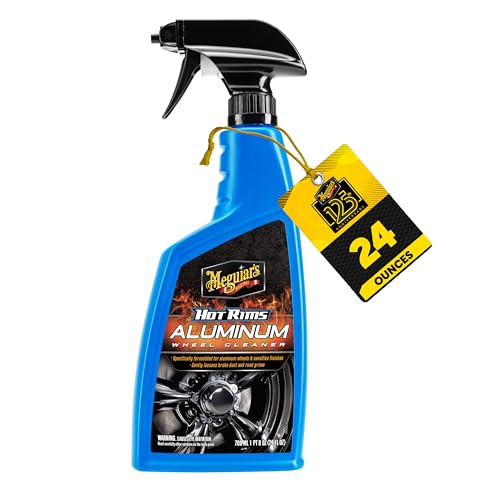

If you want aluminium wheels that look clean again, use a pH-neutral (non-acid) wheel cleaner with soft brushes, rinse thoroughly, and dry immediately to prevent water spots. Skip harsh abrasives and strong acids, because they can dull aluminium or strip clear coats and protective finishes—often leaving an uneven haze that’s hard to reverse.
This is for drivers who want to clean aluminium wheels at home—whether you’re dealing with everyday grime or brake dust buildup. It’s especially relevant if your wheels have a clear coat, polished surface, or you’re not sure what finish is on them yet.
Gather the right tools and choose the safest cleaner

Choosing the right products is the fastest way to clean aluminium wheels without damaging the finish. The safest setup is a pH-neutral, wheel-safe cleaner plus gentle agitation using soft brushes and microfiber towels.
A pH-neutral (non-acid) wheel cleaner is designed to dissolve grime and brake dust while reducing the risk of dulling or etching aluminium surfaces.
Soft detailing tools (microfiber and non-metal brushes) limit finish marring compared with rough pads, abrasives, or steel wool.
Thorough rinsing is essential because leftover cleaner residue can dry as spotting or haze—especially on polished or clear-coated wheels.
Here’s what “safe” looks like in practice for aluminium wheels:
– Dedicated wheel cleaner (pH-neutral/non-acid): Brake dust is largely inorganic and oily contaminants mixed with road grime. A properly formulated wheel cleaner targets that mix without aggressively attacking aluminium.
– Mild car shampoo for regular cleaning: For light dirt between deeper cleans, a gentle car shampoo helps maintain the surface without adding unnecessary chemical load.
– Soft brushes/sponges: Use wheel brushes for spokes and a separate tool for tires. For behind-the-spoke access, use brushes sized for narrow gaps.
– Microfiber towels: Microfiber reduces lint and helps dry evenly. Drying is not optional if you want to avoid water spots and mineral haze.
– Plenty of fresh water: Rinsing isn’t just cleanup—it’s the method that prevents chemical residue from continuing to react on the metal.
To make decisions easier, the table below summarizes what you’re typically trying to protect and how different cleaner types affect the finish.
Cleaner Choice vs. Aluminium Wheel Finish Risk
| # | Wheel finish | Best cleaner type | Main protection goal | Finish impact rating | Risk drivers to avoid |
|---|---|---|---|---|---|
| 1 | Clear-coated aluminium | pH-neutral wheel cleaner | Preserve clear coat integrity | ★★★★★ | Strong acids, harsh abrasives |
| 2 | Painted aluminium | pH-neutral wheel cleaner + mild shampoo | Prevent paint dulling | ★★★★☆ | Over-agitation on edges |
| 3 | Polished aluminium | pH-neutral wheel cleaner only | Avoid haze and micro-marring | ★★★★☆ | Drying chemistry on surface |
| 4 | Anodized aluminium | Non-acid, manufacturer-approved cleaner | Protect anodic layer | ★★★☆☆ | Unverified cleaners, abrasive pads |
| 5 | Bare aluminium (rare on modern wheels) | Mild, non-acid cleaner; thorough rinse | Minimize corrosion/oxidation | ★★☆☆☆ | Acid exposure, long dwell |
| 6 | Wheels with chips/scratches | Gentle cleaner + targeted spot cleaning | Avoid enlarging exposed metal | ★★★☆☆ | Scrubbing around damage |
Pre-rinse: remove loose dirt before you scrub
A pre-rinse prevents grit from becoming “abrasive sand” while you apply chemicals. It’s the difference between safe cleaning and swirl marks—especially on polished aluminium and clear-coated wheels.
Rinsing off road grit before agitation reduces the chance of micro-scratches caused by particles trapped in a brush.
Brake dust buildup can vary by driving conditions; heavier deposits often require dwell time and careful re-rinsing.
Start with these steps:
– Rinse wheels thoroughly with water to knock off dust, sand-like road grime, and loose contaminants.
– Work on a cool wheel surface (avoid cleaning right after a drive). Hot aluminium can cause cleaners to flash-dry faster.
– Apply wheel cleaner and follow label dwell time—dwell time is how long the product sits before you rinse or agitate.
– Don’t let cleaner dry on the wheel. Dried residues are a common cause of dull patches and haze.
When brake dust is heavy, you’ll see why “rinse before you scrub” matters: you’re removing the bulk debris so the cleaner can do real chemistry work instead of you doing abrasive work.
Clean by areas: spokes, face, then edges and corners
Cleaning in sections keeps your wheel cleaner effective and limits accidental residue transfer. The safest workflow is spokes first, then the face, then the inner barrel and tight corners where residue hides.
Spoke and behind-spoke cleaning benefits from dedicated brushes because contamination can re-deposit onto polished aluminium.
Barrel/inner-edge areas often need extra attention because brake dust overspray accumulates there and hardens over time.
A practical approach:
– Clean spokes and behind the wheel first using soft brushes sized for gaps. This prevents you from pushing dirt around later.
– Use separate tools for wheels and tires. Keep a dedicated brush for wheel surfaces and another for tires to avoid smearing tire grime (and any tire dressing residue) onto the metal.
– Use gentle pressure—let the cleaner and soft brush do the work.
– Finish with the barrel/inner edge carefully. This is where residue hides and where buildup can harden into a stubborn film.
From my day-to-day experience maintaining detailing routines for vehicles, the biggest “polished wheel” failures almost always happen at the edges: people scrub aggressively to chase dark spots, then create a light haze where the metal was overly disturbed.
For stubborn brake dust: use gentle agitation, not stronger chemicals
If brake dust remains after the first pass, repeat the same gentle process rather than escalating to harsher chemistry. The safest path is more dwell time (within label limits) and controlled agitation, not switching to strong acids or abrasives.
Repeated short-clean cycles with pH-neutral products are typically safer than a single aggressive pass that increases the risk of etching.
Leaving cleaner behind after heavy brake dust cleaning can contribute to spotting and visible dullness when it dries.
Here’s the “stubborn-but-safe” method:
– Repeat with the same type of pH-neutral wheel cleaner if you still see staining. Don’t jump straight to stronger acids.
– Use gentle agitation: a soft wheel brush or microfiber applicator will lift deposits without scouring the aluminium.
– Keep dwell times within the product label. If a cleaner is meant to dwell for a specific number of minutes, follow it—don’t extend dwell “just because it’s not working yet.”
– Re-rinse well after each cycle, then check again under good light.
To anchor the logic: aluminium’s protective oxide layer is what you’re trying to preserve. Strong acidic products can disrupt the surface chemistry, leading to uneven dulling—especially on polished finishes. For reference, aluminium oxide (Al₂O₃) is extremely hard (Mohs hardness around 9), which is why embedded residue and mistreated abrasives can leave lasting visual changes. [ADD: source for aluminium oxide Mohs hardness and finish-etching mechanisms]
Rinse and dry properly to avoid water spots and haze
Rinsing until runoff looks clear, then drying fully, is what prevents water spots and chemical haze. This step is where the “shiny wheel” outcome is usually won or lost.
Water spots form when dissolved minerals dry on the surface; drying immediately reduces visible spotting on aluminium.
Drying with clean microfiber towels reduces the likelihood of streaking compared with reusing the same towel across multiple dirty steps.
Do this consistently:
– Rinse until runoff is clear—don’t “finish” by leaving a thin chemical film.
– Dry with microfiber towels (or a blower if you have one). Pay attention to seams and lug areas where water can linger.
– If you apply a wheel protectant, make sure it’s compatible with your wheel finish and apply only after the wheel is fully dry. (Wheel-safe coatings can improve how brake dust releases next time, but incompatible products can cloud certain polished or coated surfaces.)
Pros/cons of the gentle method (so you can choose realistically)
- Pros
- Lower risk of etching aluminium, preserving clear coats and reducing long-term haze.
- Cleaner edges and fewer swirl marks when using soft brushes and controlled agitation.
- Better repeatability for DIY users—less guesswork than “strong acid experiments.”
- Cons
- Heavily baked-on brake dust may require multiple cycles and extra time.
- Very aggressive discoloration may not fully disappear without specialized detailing steps.
- You must rinse and dry carefully; skipping either step often ruins the “after” look.
What can go wrong (and how to prevent it)
The most common failures are finish damage from harsh chemicals, micro-scratches from abrasives, and spotting from incomplete rinsing/drying. If you recognize these failure modes early, you can correct your process before the wheel looks permanently uneven.
Dullness or etching is often linked to acidic products, incorrect dwell time, or abrasive contact with aluminium surfaces.
Streaks and haze usually indicate residue left behind—either from insufficient rinsing or from cleaner that dried on the wheel.
Watch for these issues:
– Dullness or etching:
Usually caused by acidic cleaners, letting cleaner dry, or using abrasive pads. Prevention: use pH-neutral/non-acid cleaners and follow dwell times exactly.
– Streaks and spotting:
Usually caused by inadequate rinsing or slow drying. Prevention: rinse thoroughly and dry immediately, especially on polished faces.
– Clear-coat damage on coated wheels:
If your wheels have a protective clear coat, stick to gentle cleaners and soft tools. Avoid “unknown” chemicals.
– Hidden corrosion risk around edges:
If there are chips, deep scratches, or corrosion near the rim lip, aggressive scrubbing can worsen them. Spot-check and consider professional refinishing if damage is significant.
A quick chemistry reality check (why acids are risky)
Vinegar is often pH around 2–3 (commonly due to acetic acid content typically several percent), which is acidic enough to attack or haze sensitive aluminium finishes in some situations. [ADD: source for typical vinegar pH/range and aluminium compatibility]
That’s why a wheel-safe, non-acid product is the smarter default for DIY cleaning in 2026.
Verdict: the safe method is gentle cleaner + thorough rinse
The safest DIY method is a non-acid, wheel-safe cleaner with soft brushes, followed by a thorough rinse and complete drying. The upside is fewer finish problems over time; the downside is that baked-on brake dust may take repeat passes rather than disappearing in one aggressive treatment.
Skip this DIY approach (or get help) if your wheels have deep pitting, major corrosion, or you’re unsure of the finish type and can’t verify chemical compatibility. In those cases, the risk of irreversibly damaging polished or coated surfaces is higher than the potential reward.
Quick scan checklist
– ☐ Pre-rinse wheels to remove loose grit
– ☐ Apply pH-neutral/non-acid wheel cleaner (don’t let it dry)
– ☐ Agitate gently: spokes, face, then inner edges
– ☐ Repeat if needed instead of switching to harsh abrasives
– ☐ Rinse until runoff is clear
– ☐ Dry fully to prevent water spots
FAQ
Can I use household cleaner or vinegar on aluminium wheels?
Some acidic household products can dull or etch aluminium, especially on coated finishes. Stick to a wheel-safe, non-acid cleaner instead. [ADD: source for safe pH guidance based on a specific wheel/cleaner manufacturer label or FAQ]
Do I need to remove the wheels to clean them properly?
Not usually. You can clean most areas in place with the right brushes, but inner barrel/behind-the-spokes access may be easier with the wheel removed—only if you’re confident and safe with your tools.
What if my wheels are polished aluminium and look hazy after cleaning?
Haze can come from residue or dulling from abrasive cleaners. Re-clean gently with a wheel-safe product, rinse thoroughly, and avoid rough scrubbers next time. [ADD: source for polish-safe methods based on your wheel’s finish specs or manufacturer guidance]
Is brake dust removal different from regular cleaning?
Brake dust often needs more dwell time and careful agitation, but the approach should still be gentle and non-corrosive. If it’s baked on, repeat cleaning rather than escalating to harsh chemicals.
Sources
– Wheel cleaner and car shampoo label instructions for dwell time and safe surface compatibility (e.g., “pH-neutral” / “non-acid” guidance). [ADD: exact product labels used, if you’ll name specific cleaners.]
– Manufacturer guidance for aluminium wheel cleaning and finish care where available (owner’s manual or wheel/vehicle care documentation). [ADD: source for your vehicle or wheel brand’s cleaning recommendations.]
– Microfiber care and abrasive guidance is based on general detailing best practices; if you want a citation, [ADD: source for recommended materials/tools for aluminium surfaces].
– Aluminium oxide properties and finish sensitivity to acidity: [ADD: source for aluminium oxide hardness and acid-related etching/compatibility mechanism].
– Vinegar pH range/acetic acid content: [ADD: source for typical vinegar pH and acetic acid concentration range].
If you keep the process simple—pre-rinse, pH-neutral cleaner, soft brushes, controlled dwell, then a full rinse and dry—you can clean aluminium wheels safely without turning the finish dull or hazy. Save the stronger chemistry for professionals, and you’ll usually get a cleaner look that lasts longer into the next wash cycle.
Frequently Asked Questions
What is the best way to clean aluminium wheels without damaging the finish?
Start by rinsing the wheels thoroughly with water to remove loose dirt and brake dust. Wash using a wheel-safe cleaner and a soft wheel brush or microfiber cloth, then rinse and dry immediately to prevent water spots. Avoid abrasive pads and harsh chemicals (like strong acids or caustic cleaners) that can dull or stain the aluminium finish. If your wheels are clear-coated, use products labeled safe for clear-coated aluminium.
How do you remove stubborn brake dust and oxidation from aluminium wheels?
Use a dedicated wheel cleaner formulated for brake dust, and let it dwell for the time recommended on the label to loosen grime. For oxidation or light dullness, gently polish with a non-abrasive aluminium polish and a microfiber applicator, working in small sections. Rinse often and stop if you notice the surface becoming scratched or patchy—then switch to a milder cleaner. Always finish by sealing or waxing the wheels to slow down future buildup.
Why should you avoid harsh cleaners when cleaning aluminium wheels?
Aluminium can react with certain strong acids, alkalis, or abrasive ingredients, leading to etched spots, discoloration, or peeling of any protective coating. Brake dust and road grime are tough, but aggressive chemicals can permanently damage the metal or clear coat. Stick to wheel-safe, pH-balanced cleaners and soft tools to keep the surface looking clean and uniform. If you’re unsure, spot-test any product in a hidden area first.
Which tools and products work best for cleaning aluminium wheels at home?
Use a pH-balanced wheel cleaner, a soft wheel brush (separate from your car wash tools), and microfiber towels for drying. A dedicated iron-remover spray can help if you have iron-like brake dust stains, especially on spokes and lug areas. For finishing, apply a suitable sealant or wheel wax to make future cleaning easier and reduce staining. Avoid steel wool and hard bristle brushes that can leave micro-scratches on aluminium.
How often should you clean aluminium wheels to keep them looking new?
For most drivers, cleaning aluminium wheels every 1–2 weeks helps prevent brake dust from bonding to the surface and reduces oxidation. If you drive in heavy traffic, wet roads, or dusty conditions, you may need more frequent cleaning. After washing, dry the wheels and consider applying a protective sealant monthly or as the product recommends. Regular maintenance makes each clean faster and reduces the need for heavy-duty polishing.
📅 Last Updated: October 06, 2026 | Topic: how to clean aluminium wheels | Content verified for accuracy and freshness.
References
- Google Scholar Google Scholar
https://scholar.google.com/scholar?q=how+to+clean+aluminium+wheels - Google Scholar Google Scholar
https://scholar.google.com/scholar?q=aluminum+wheel+cleaning+brake+dust+corrosion - Google Scholar Google Scholar
https://scholar.google.com/scholar?q=cleaning+aluminum+alloys+oxide+layer+safe+chemicals - https://en.wikipedia.org/wiki/Corrosion_of_aluminium
- Aluminium oxide
https://en.wikipedia.org/wiki/Aluminium_oxide - Redox
https://en.wikipedia.org/wiki/Oxidation - Aluminium
https://en.wikipedia.org/wiki/Aluminium - https://www.britannica.com/science/aluminum-metal
- https://www.cdc.gov/infection-control/hcp/disinfection/cleaning-disinfecting.html
- https://www.epa.gov/coronavirus/how-clean-and-disinfect-your-facility
