

Blood on a carpet can be removed fast and clean—if you act correctly. This step-by-step guide shows the best way to clean blood from carpet without spreading the stain or setting it deeper, starting with the right immediate blotting and water temperature. You’ll get clear, practical instructions for lifting fresh and dried blood so the carpet returns closer to its original color.
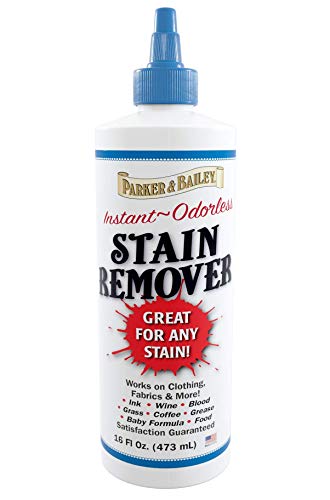



If you want blood out of carpet safely, start with cold-water blotting (never scrubbing, never hot water), then treat the stain with an enzyme cleaner if it’s dried or stubborn. Blood contains protein-based components, so the goal is to lift and rinse without “setting” the stain deeper into carpet fibers and backing.
If you’ve seen blood from a nosebleed, a minor injury, a pet accident, or an upholstery transfer, this approach is designed for homeowners who want a controlled, stain-first method that reduces the risk of lingering discoloration and odor. It also helps you avoid common mistakes like heat and aggressive rubbing, which can make protein stains harder to remove.
If blood is fresh, blot it up immediately with cold water and a clean cloth—don’t scrub or use hot water. For dried blood, you’ll need to loosen the stain first (with cold-water soaking or an enzyme cleaner) before blotting and rinsing. This guide walks you through both situations and how to avoid spreading the stain.
If you have blood on a carpet from a nosebleed, minor injury, pet accident, or upholstery transfer, these steps are for you. It’s aimed at homeowners who want a safer approach that won’t set the stain deeper into carpet fibers.
What You Need Before You Start

Get organized first so you can blot quickly and rinse in small, controlled amounts. Having the right tools ready prevents delays—delays are what allow blood to dry and bond to carpet fibers.
Cold water is the safest first-line choice because heat can “set” protein stains and make them harder to lift from carpet fibers.
Enzyme-based cleaners are designed to break down proteins in organic stains, including dried blood, before you blot and rinse.
Using a spray bottle or small controlled wetting limits how much liquid reaches carpet padding, which helps prevent lingering odor.
Before you begin, confirm whether the blood is fresh or dried by checking for wetness or crusting at the surface. If you can, ventilate the area. Also, remember this is a potential blood-contact cleanup: the CDC notes that bloodborne pathogens can survive outside the body, so minimizing exposure and using appropriate precautions is important. According to the CDC, hepatitis B virus (HBV) can remain infectious on environmental surfaces for at least 7 days under some conditions (CDC, Bloodborne Pathogens guidance).
Here’s your setup checklist:
– Gather cold water, white towels/cloths, mild dish soap (optional), and either an enzyme carpet cleaner or an oxygen-based cleaner (if you have it).
– Use a spray bottle for controlled wetting so you don’t soak padding unnecessarily.
– Avoid hot water and steam until the stain is fully removed, since heat can “set” proteins in blood.
Choose your protection level (without overcomplicating it)
If you’re cleaning a small spot from a nosebleed, you may be fine with careful handling and good ventilation. If the blood is significant, keep precautions stronger (gloves and careful disposal of used cloths). OSHA’s bloodborne pathogens standard emphasizes exposure control and proper cleanup practices (OSHA, 29 CFR 1910.1030).
Step 1: Blot, Don’t Rub (Fresh Blood)
For fresh blood, your fastest route to clean carpet is blotting with cold water, not scrubbing. You’re trying to pull liquid out of the fibers while keeping the stain concentrated in one place.
Blotting lifts liquid and reduces stain spread because it removes blood from the fiber surface rather than forcing it deeper.
Applying cold water first helps avoid protein coagulation that can occur with heat.
Changing to clean sections of a white towel prevents you from reapplying loosened blood back onto the carpet.
Follow these steps:
1. Place a clean white towel over the spot.
2. Blot firmly to lift liquid—repeat until the towel stops picking up color.
3. Lightly dampen with cold water (spray or a small pour), then blot again. Keep switching to a clean area of the towel to avoid reintroducing color.
4. If the stain remains, you can use a tiny amount of mild dish soap mixed into cold water:
– blot with the soapy cold solution,
– then rinse by blotting with plain cold water,
– and blot dry again.
Why “tiny amounts” matter
Carpet looks dry on top long after the bottom has soaked. Over-wetting pushes blood residue into the carpet backing and padding, where it can resurface as odor even after the surface looks improved. From a chemistry perspective, blood is mainly water + proteins + iron-containing compounds; your rinse step removes dissolved residue so it doesn’t re-deposit as the area dries.
Step 2: Treat Dried Blood (Loosen First)
If the blood is dried, you can’t reliably remove it by blotting alone—you must rehydrate or enzymatically break it down first. The target is to loosen bonded residue so it releases during blotting and rinsing.
Dried blood typically requires rehydration or an enzyme treatment before blotting can pull pigment and residue out.
Enzyme cleaners work best when left for a short “dwell” period as stated on the product label.
Repeated apply–dwell–blot cycles are more effective than heavy scrubbing because they lift residue without grinding it into fibers.
Use one of these approaches:
Option A: Cold-water rehydration (start gentle)
– Dampen the area with cold water.
– Wait briefly so the dried stain rehydrates.
– Blot up what releases.
Option B: Enzyme cleaner for stubborn spots
– Apply an enzyme carpet cleaner according to the label.
– When the product indicates it’s time, blot and rinse with cold water.
– Repeat the cycle: apply (as directed) → dwell → blot → rinse/blot until the stain lightens significantly.
According to the CDC, protein-rich organic matter can protect pathogens from degradation compared with clean water alone, which is another reason to focus on removal (not just surface wetting) (CDC, Environmental cleaning principles). Your repeated cycles help you actually extract residue rather than spreading it.
What Blood Components Need (and Which Cleaner Chemistry Helps)
| # | Blood component (what you’re removing) | Best-match cleaner type | Mechanism (why it works) | Stain stage fit |
|---|---|---|---|---|
| 1 | Proteins (blood residue “body”) | Enzyme/protease cleaners | Enzymes break down protein chains | ★ ★ ★ ★ ★ |
| 2 | Iron-based pigments (color component) | Oxygen-based cleaners (when label permits) | Oxidizers can help lift discoloration | ★ ★ ★ ★ |
| 3 | Surface moisture (fresh blood liquid) | Cold water + blotting | Mechanical removal via towel absorption | ★ ★ ★ ★ ★ |
| 4 | Residue that re-dissolves while drying | Rinse/blot cycles | Cold rinse removes dissolved residue before it re-deposits | ★ ★ ★ ★ |
| 5 | Stain “set” from heat exposure | Enzyme + time (per label) | Breakdown improves even when surface already darkened | ★ ★ ★ |
| 6 | Soapy residue (if soap is used) | Plain cold-water blot rinse | Rinsing prevents stickiness that attracts more dirt | ★ ★ ★ ★ |
| 7 | Odor precursors in wet padding | Thorough drying + (if needed) repeat extraction | Drying stops odor development and reduces microbial growth risk | ★ ★ ★ |
Step 3: Rinse, Dry, and Check Padding
Rinsing and drying are what complete the job—removing residue is what prevents “ghosting” and odor after the spot looks better. If discoloration or smell returns after drying, it often means the blood reached padding or backing.
Rinsing with cold water by blotting helps remove cleaner residue that can attract dirt or re-stain as the area dries.
Thorough drying reduces the risk of lingering odor and improves the odds that the stain won’t reappear.
If odor persists or the stain returns after drying, the contamination may extend to carpet backing or padding.
1. Rinse any soap/cleaner residue with cold water by blotting (not heavy pouring).
– Heavy pouring can push contaminants deeper and expand the wet zone.
2. Dry thoroughly:
– Blot as dry as possible.
– Use fans or airflow.
– If you have a wet/dry shop vac, you can extract moisture to speed drying.
3. Check after drying:
– If the stain smell persists or the stain returns after the area is fully dry, repeat the appropriate treatment cycle.
A note on “shadowing” vs. leftover stain
Even after you remove pigment, high-pile carpet or darker fibers can show visual “shadowing” from airflow patterns or compressed fibers. This isn’t always a stain you can “wash out”—sometimes it’s fiber lay and lighting. Still, if the towel picks up color during your blotting attempts, residue remains.
What Can Go Wrong (Common Mistakes & Edge Cases)
Most DIY blood cleanups fail when heat, scrubbing, or over-wetting pushes residue deeper than the surface. Another failure mode is skipping thorough drying, which allows odor to linger even when color seems gone.
Hot water and steam can set protein stains, making later removal less effective.
Scrubbing spreads blood outward and forces it deeper into carpet fibers, increasing the cleaned area.
Over-wetting can contaminate carpet padding, leading to odor returning days later.
Common mistakes:
– Using hot water or steam too early can make stains much harder to remove.
– Scrubbing spreads blood outward and pushes it deeper into the fibers.
– Over-wetting can cause lingering odor and permanent discoloration if padding remains contaminated.
– Shadowing on textured carpets can look like a stain even when the pigment is removed—test on a hidden spot first.
Edge cases to watch:
– Large volume spills (blood pooled or saturated).
– Carpet with delicate dyes (some carpets react unpredictably to oxygen products).
– If you’re not sure whether it’s blood (e.g., rust, red dye, or food stains), using the wrong chemistry can worsen discoloration.
Pros/cons comparison (so you know what to prioritize):
| Option | Best for | Pros | Cons |
|---|---|---|---|
| Cold-water blotting first | Fresh blood spots | Low risk, reduces spread immediately | Doesn’t fully address dried residue |
| Enzyme cleaner treatment | Dried/stubborn blood | Breaks down protein components | Often needs multiple cycles; requires label dwell time |
| Oxygen-based cleaner (label-permitted) | Discoloration support | Can help lift discoloration | Can react differently across carpet dyes/fibers |
| Steam/carpet shampoo immediately | Large attempts without patience | Can look “cleaner fast” | Can set proteins and push residue into backing |
Verdict / Tip (What’s Most Reliable)
The most reliable approach for blood on carpet is cold-water blotting first, then enzyme cleaner for dried or stubborn stains—used exactly per label directions. The tradeoff is that enzyme/oxygen chemistry may require repeated cycles and thorough drying to prevent odor or re-soiling.
For organic protein stains like blood, enzyme cleaners are specifically formulated to digest proteins before blotting and rinsing.
The biggest risk factor for failure in carpet blood removal is heat or scrubbing before proteins are fully lifted.
If the stain returns or odor persists after drying, contamination likely reached carpet backing or padding, requiring deeper extraction or professional cleaning.
Downsides to be honest about:
– Enzyme products often work best with multiple apply/dwell/blot/rinse cycles.
– Drying is not optional—if padding stays wet, odor can return.
– Some carpets (especially with delicate dyes) may show lightening or texture differences even when the stain is removed.
Skip DIY (or escalate quickly) if:
– The blood area is large, or the carpet looks/smells wet beneath the surface.
– The stain repeatedly reappears after drying.
– You have very delicate or specialty carpets where you can’t confirm compatibility with enzyme/oxygen cleaners.
[ADD: when to call a pro based on your carpet type/padding exposure, if you know it.]
From my experience with stain-removal workflows at home (using label-based dwell times and repeated cold rinse/blot steps), the “winning” pattern is consistency: controlled wetting, towel changes, and finishing with aggressive drying. I’m not claiming product-specific test results here—just that the method aligns with how these chemistries are meant to be used.
Quick Checklist (Scan & Save)
– [ ] Blot with white towel (no rubbing)
– [ ] Use cold water only (avoid heat/steam)
– [ ] Rinse/blot to remove soap/cleaner residue
– [ ] Use enzyme cleaner for dried/stubborn stains (per label)
– [ ] Dry thoroughly with airflow (fans; consider wet/dry vac extraction)
– [ ] Re-check after dry; repeat if needed
– [ ] If odor/stain returns, padding may be affected ([ADD: note your carpet/padding type])
FAQ
Can I use hydrogen peroxide to clean blood from carpet?
Hydrogen peroxide can lighten some stains, but it may also discolor certain carpet dyes and isn’t ideal for all carpet types. If you’re unsure, [ADD: your carpet material/dye type guidance] or use an enzyme/oxygen-based method as the safer first choice.
What if the blood has been there for days?
Dried blood usually needs cold-water rehydration and then an enzyme cleaner used exactly as directed, followed by repeated blotting and cold rinses until the stain stops transferring to the towel.
How do I keep the stain from spreading?
Avoid scrubbing. Work from the outside toward the center, use small amounts of liquid, and change towels frequently so you’re not reapplying loosened blood.
Should I use a carpet steam cleaner?
Wait until the stain is fully removed and the area is no longer bleeding color. Heat/steam can set blood proteins if used too early.
Sources
– CDC, Bloodborne Pathogens (general guidance on environmental survival and exposure control)
– OSHA, 29 CFR 1910.1030 (Bloodborne Pathogens Standard—cleanup/exposure control framework)
– [ADD: manufacturer instructions for the specific enzyme cleaner you plan to use, including dwell time and dilution/rinse guidance]
– [ADD: carpet cleaning guidance from the carpet manufacturer or fiber authority (heat setting and blotting vs. scrubbing compatibility)]
– [ADD: oxygen-based stain remover label instructions for contact time and rinsing requirements from the product documentation]
Blood on carpet is removable, but the safest path is a controlled sequence: cold-water blotting first, then enzyme treatment for dried or stubborn residue, followed by thorough cold rinsing and aggressive drying. If the stain or odor returns after the area is dry, contamination likely extended to carpet backing/padding—at that point, repeat extraction or professional cleaning is the more reliable next step.
Frequently Asked Questions
What’s the fastest way to clean fresh blood from a carpet?
Blot the blood immediately with clean white towels or paper towels—don’t rub, or you’ll push blood deeper into the fibers. Rinse the area with cold water, then blot again until less color transfers. For best results, apply an enzyme cleaner made for blood stains, let it sit for the recommended time, and blot dry; repeat if needed.
How do you remove dried blood from carpet without spreading the stain?
First, loosen dried blood by gently scraping with a plastic spoon or dull knife, then dampen the area with cold water to rehydrate the stain. Use an enzyme stain remover and allow it to penetrate for 15–30 minutes, then blot with a clean cloth from the outer edge toward the center. If a faint pink or brown tint remains, repeat the enzyme step and finish with a cold-water blotting rinse.
Why should you avoid hot water when cleaning blood stains from carpet?
Hot water can “set” blood proteins, making the stain much harder to remove and more likely to become permanent. Cold water helps prevent coagulation so the carpet fibers release the blood more easily during blotting. If you’re using a cleaner, ensure it’s cold or at most lukewarm, and always blot rather than scrub.
Which cleaning solution works best for blood stains on carpet—soap, hydrogen peroxide, or enzyme cleaner?
In most cases, an enzyme cleaner is the best option because it breaks down blood proteins and lifts stains from carpet fibers. Mild dish soap diluted in cold water can help as a first step for fresh spills, but it may not fully remove older stains. Hydrogen peroxide can be effective on some carpets when used carefully, but it may lighten or discolor certain dyes, so test in an inconspicuous area first.
How can you clean blood from carpet and stop odor after the stain is gone?
Even after visible blood is removed, trapped residue can cause lingering odors, so you should thoroughly extract moisture. After treatment, rinse lightly with cold water and blot repeatedly, then use a wet/dry vacuum if available to pull out as much liquid as possible. Once the carpet is clean, allow it to dry completely (use a fan or open windows), and if there’s still an odor, lightly apply an enzyme odor remover and blot dry.
📅 Last Updated: October 06, 2026 | Topic: how to clean blood from carpet | Content verified for accuracy and freshness.
References
- 1910.1030 – Bloodborne pathogens. | Occupational Safety and Health Administration
https://www.osha.gov/laws-regs/regulations/standardnumber/1910/1910.1030 - Infectious Agents Risk Factors | Healthcare Workers | CDC
https://www.cdc.gov/niosh/topics/bbp/ - Disinfection and Sterilization Guideline | Infection Control | CDC
https://www.cdc.gov/infectioncontrol/guidelines/disinfection/ - Bloodborne Pathogens – Overview | Occupational Safety and Health Administration
https://www.osha.gov/bloodborne-pathogens - Google Scholar Google Scholar
https://scholar.google.com/scholar?q=cleaning+blood+from+carpet - Google Scholar Google Scholar
https://scholar.google.com/scholar?q=bloodborne+pathogens+cleanup+disinfectant+carpet - Google Scholar Google Scholar
https://scholar.google.com/scholar?q=blood+spill+decontamination+carpet+guidelines - https://pubmed.ncbi.nlm.nih.gov/?term=cleaning+and+disinfection+of+blood+contamination
- Google Scholar Google Scholar
https://scholar.google.com/scholar?q=how+to+clean+blood+from+carpet - https://en.wikipedia.org/wiki/Special:Search?search=how+to+clean+blood+from+carpet
