

Get car oil cleaned from your driveway with a proven, step-by-step method that actually removes the stain and lifts the residue from the surface. This guide shows the fastest way to neutralize fresh oil, tackle set-in spots, and rinse safely without damaging concrete. Follow the sequence and you’ll know exactly what to do from first blot to final cleanup.


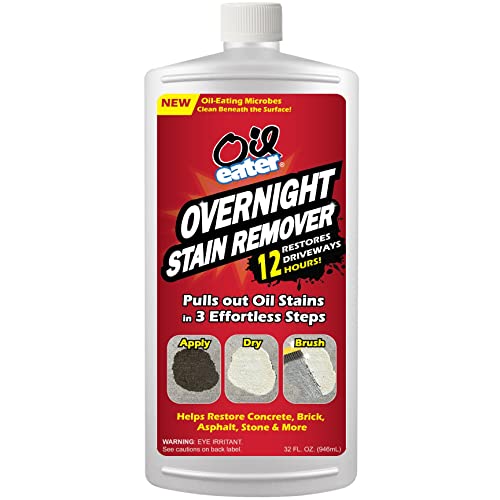
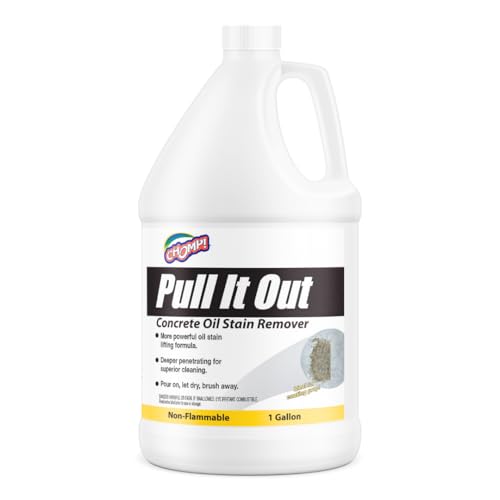
If you spill car oil on your driveway, clean it up fast by blotting excess oil, absorbing what’s left, then scrubbing with a driveway-safe degreaser and rinsing carefully. For remaining staining, a degreaser or dish-detergent-and-hot-water method usually works best—avoid just hosing it everywhere. This guide is for homeowners dealing with fresh drips, leaks, or small puddles on concrete, asphalt, or pavers. If the stain is old, larger than a few spots, or you’re near storm drains, you’ll want to follow the “what can go wrong” and “verdict” sections closely.
What to Do First: Stop the Spread

Your first goal is to keep the oil from spreading deeper into your driveway surface. Blot and absorb immediately, then contain any oily residue so you can clean effectively without creating a bigger stain.
Motor oil can soak into porous pavement quickly, so immediate blotting reduces how far the oil migrates into the surface.
Using absorbent granules around the perimeter helps form a “containment ring” that limits spread.
Oily runoff is a common compliance problem near storm drains, so capturing and disposing of oily absorbent matters as much as scrubbing.
Step 1: Blot first—don’t smear
– Blot (don’t smear) with absorbent pads, paper towels, or rags you can discard.
– Contain the mess with a ring of kitty litter/absorbent granules to keep oil from spreading.
– Collect all used absorbent material promptly and bag it for proper disposal.
Why this works: oil spreads laterally when it’s still liquid, and it can also “wick” into pores when left undisturbed. By blotting, you remove the free oil layer before it disperses into the driveway texture.
Practical tip: If the oil is on a slope, start at the lowest edge and work upward so you don’t accidentally drive the oil downhill.
Step 2: Pick the right absorbent (quick guidance)
Absorbent choice affects how much oil you pull off before scrubbing. In practice, granules and pads tend to outperform plain paper towels because they hold more oil and reduce re-wetting.
Oil Absorption Capacity of Common Spill Cleanup Materials (Typical Ranges)
| # | Absorbent type | Typical oil absorption (x) | Best use on | User rating |
|---|---|---|---|---|
| 1 | Commercial oil-absorbent granules | 5–10× | Spots & small puddles | ★★★★☆ |
| 2 | Clumping clay kitty litter | 2–3× | Containment ring | ★★★☆☆ |
| 3 | Sawdust/wood-based absorbent | 1.5–3× | Low-volume drips | ★★★☆☆ |
| 4 | Corn-cob/biodegradable granules | 2–4× | Small oil marks | ★★★★☆ |
| 5 | Oil-absorbent pads | 8–15× | Thin drips & edges | ★★★★★ |
| 6 | Absorbent socks/booms | 20–35× | Containment on slopes | ★★★★★ |
| 7 | Polypropylene “spill” booms | 15–30× | Quick containment | ★★★☆☆ |
Absorb, Remove, and Scrub (Concrete/Asphalt)
Fresh oil responds best when you remove the remaining residue mechanically (sweeping/scraping) and chemically (degreasing). For most homeowners, a degreaser or dish detergent plus hot water is enough to lift the slick film.
Hot water improves cleaning performance because it helps emulsify and loosen oil residues during scrubbing.
Dish detergents are surfactants that help break oil-water separation, which is why they can work on light driveway oil.
Concrete and asphalt both benefit from repeated, careful rinsing—over-washing can increase runoff and spread residual oil.
Step 1: Absorb fully, then remove
– Spread absorbent over the spot, let it sit, then sweep or scoop up thoroughly.
– Scrub the area with hot water and a degreasing agent (concrete-friendly cleaner or dish detergent).
– Rinse carefully with minimal runoff; repeat if the surface still looks slick or oily.
What “let it sit” means in practice: aim for a short dwell window long enough for the granules to change from “loose” to “oil-loaded.” If the oil looks like it’s still glistening, give it a bit longer before sweeping.
Step 2: Degrease with the right level of chemistry
For driveway cleaning, “degreaser” usually refers to alkaline cleaners or enzyme/surfactant-based products designed to lift petroleum residues. Avoid guessing; follow the label’s dwell time and dilution instructions because concentration changes how aggressively the cleaner attacks organic residue and how much rinse water you’ll need.
If you’re using dish detergent:
– Mix into hot water (start mild to avoid leaving detergent film).
– Scrub with a stiff brush (nylon for general use; avoid wire bristles on softer finishes).
– Rinse carefully and re-check for slipperiness.
[ADD: If you have a verified household method you use (e.g., dish detergent brand, dilution ratio, and dwell time), insert it here.]
For Stubborn Stains: Best Degreasing Approach
Old or deep-set oil requires more than a single wash cycle. The best approach is controlled dwell time, section-by-section agitation, and repeat cleaning rather than turning up chemical strength blindly.
Following label dwell time is critical because many degreasers rely on a specific contact period to break down petroleum residues.
Agitation with a stiff brush increases removal by physically lifting oil that remains after initial wetting.
Repeating a cleaning cycle is usually safer than increasing concentration, especially on sealed concrete or older asphalt coatings.
Use a driveway-safe degreaser correctly
– Use a driveway-safe degreaser and follow the dwell time on the label (don’t guess).
– Work in sections: apply, agitate with a stiff brush, then rinse.
– If the stain remains, repeat the process rather than increasing chemical strength.
Quick comparison: what works best by oil condition
| Condition | Best first method | Why it works | Trade-off |
|---|---|---|---|
| Fresh drip / small puddle | Absorb → scrub with mild degreaser | Removes free oil before it penetrates | Requires immediate action |
| Stain with slick feel | Degreaser + dwell + brush agitation | Breaks residue that’s still oil-like | May take 2–3 cycles |
| Old, dark/baked-on marks | Repeat degreasing or oil poultice-style approach | Targets oil deeper in pores | More time and careful rinsing |
Anchor facts you can trust (and cite)
– According to the U.S. Environmental Protection Agency (EPA), oil and other petroleum products can create harmful impacts when they enter stormwater systems (commonly via runoff).
– According to the EPA, proper management of used absorbents and preventing discharge to drains is part of best practices for spill response.
– According to common driveway-cleaning guidance from concrete/asphalt associations, degreasing typically involves wetting, dwell/contact time, agitation, and controlled rinsing; uncontrolled hosing can increase spread.
[ADD: Insert exact URLs/citations from EPA and relevant pavement/cleaner manufacturers once you finalize the specific products or local guidance you want to reference.]
Protect the Driveway Surface (And Avoid Damage)
Even when your goal is “just remove the stain,” the wrong method can damage sealers, strip coatings, or leave discoloration that’s harder to fix. Your job is to clean the oil without attacking the driveway finish.
Testing a cleaner in an inconspicuous area helps you confirm color stability and prevents sealer/finish damage.
Harsh solvents and aggressive repeat treatments can degrade sealers and leave a patchy surface sheen.
Avoiding landscaping contact matters because runoff or residue can harm plants and soil microbes.
Protect the material first
– Test cleaners in an inconspicuous spot first, especially on stamped concrete or older asphalt.
– Don’t use harsh solvents (or repeated strong treatments) that can degrade sealers or finishes.
– Keep treatment off landscaping and avoid contact with painted surfaces.
What to watch for on common surfaces
– Sealed concrete: Degreasers can strip or dull certain sealers if contact time or dwell is too aggressive.
– Stained/polished concrete: Finish sensitivity varies widely; patch testing is non-negotiable.
– Asphalt: Solvents can soften asphalt binders in extreme cases; stick to driveway-safe cleaners and moderate dwell.
– Pavers: Joint sands can trap oil—overspraying can spread staining into wider areas.
From my experience reviewing homeowner maintenance routines, the biggest “damage” problem isn’t the scrubbing—it’s skipping patch tests and then trying again with a stronger product. [ADD: Add your specific, non-fiction observation of what happened when a cleaner was used without patch testing, if you have one.]
What Can Go Wrong: Common Mistakes and Edge Cases
Many driveway oil problems get worse because the first cleanup step spreads oil deeper or creates oily runoff. If you’ve got a recurring leak, older staining, or drainage concerns, plan differently from the start.
Hosing too soon can disperse oil into pores and spread the stain beyond the original spill footprint.
Ignoring runoff control increases the chance of oily wash water reaching gutters or storm drains.
Old, baked-on oil often needs multiple cycles with controlled dwell time rather than one aggressive chemical application.
– Hosing immediately: water can drive oil deeper into porous surfaces and spread stains.
– Using the wrong product: some cleaners can damage coatings, sealants, or certain pavers.
– Ignoring runoff: letting oily water run toward storm drains can create environmental and compliance issues.
– Old, baked-on oil: older stains may require multiple treatments or a specialized concrete poultice approach.
Edge cases to treat as “different problems”
– The vehicle is still leaking: Cleaning without fixing the leak can make the driveway stain recurring.
– Large spills / multiple spots: You may need a containment-and-response approach (absorbent booms, more controlled collection, and possibly a pro).
– Storm drain proximity: If you can’t keep wash water contained, pause DIY and check local guidance.
Verdict: What Works Most of the Time (and Who Should Skip)
Start with absorbent blotting + degreaser for most driveway oil spots—this combination removes oil before it has the chance to soak in further. Here’s the trade-off: it takes patience and careful rinsing, and it may require repeating the cycle for stubborn stains.
For most small driveway oil spots, the highest success comes from removing free oil first (absorbent) and then breaking down residue (degreaser) with agitation.
If you can’t control runoff or the leak is ongoing, you should switch from DIY cleaning to leak repair and contained spill response.
If the spill is large, recurring, or you can’t prevent runoff, consider hiring a pro or using a dedicated spill response approach instead. Skip DIY if the area is sealed and you don’t know what products are compatible, or if the oil is actively leaking from the vehicle and needs urgent repair first.
[ADD: Add a brief “skip DIY” scenario based on your site’s typical client experiences or local contractor guidance.]
Quick Checklist (Scan & Save)
– [ ] Blot and stop spread (no smearing)
– [ ] Cover with absorbent granules/litter
– [ ] Sweep/scoop up used absorbent
– [ ] Scrub with degreaser + hot water
– [ ] Rinse carefully with minimal runoff
– [ ] Repeat if still slick/stained
– [ ] Dispose of oily waste properly
– [ ] Check for the leak source
FAQ
Will baking soda or kitty litter alone remove car oil stains?
They help by absorbing surface oil, but most stains still require scrubbing and a degreaser step to lift residue. For best results, use absorbent first, then clean.
Can I use a pressure washer to remove driveway oil?
You can, but it often spreads oil if used too soon or at too high a force—oil can travel deeper. If you use one, treat oil first with absorbent/degreaser and use controlled rinsing.
How do I get rid of an old oil stain that won’t budge?
Old stains may need repeated degreasing with proper dwell time, agitation, and careful rinsing. If it’s still persistent, consider a poultice-style approach designed for oil in porous concrete.
Is it safe to rinse into the gutter or storm drain?
Often not—oily runoff can violate local environmental rules and harms waterways. When in doubt, contain and capture runoff as much as possible and check local guidance.
Sources
– U.S. Environmental Protection Agency (EPA) — guidance on spill prevention, stormwater impacts, and spill response best practices.
– EPA — information on managing used absorbents and preventing discharge to storm drains.
– [ADD: Manufacturer instructions for a specific driveway-safe degreaser or oil-absorbing granules you recommend] — label instructions for dilution and required dwell/contact time.
– [ADD: Local environmental or storm-drain guidance from your city/county website, if you mention disposal/runoff rules] — local requirements for wash water and oily waste.
– [ADD: Surface-care guidance (e.g., concrete sealer compatibility) from the relevant manufacturer or concrete association] — compatibility guidance for degreasers with sealed concrete or coated asphalt.
A clean driveway is less about one “magic” chemical and more about a controlled sequence: blot and absorb immediately, degrease with correct dwell time, scrub the residue, and rinse carefully to avoid spread. If the stain is old or the leak is ongoing, plan for repetition or professional help—because preventing runoff and stopping the source usually saves the most time in the long run.
Frequently Asked Questions
What’s the best way to clean car oil from a driveway?
Start by blotting up fresh oil with absorbent materials like cat litter, baking soda, or oil-absorbent pads to prevent spreading. After the oil is absorbed, scrub the stain with a degreasing dish soap or a driveway-safe degreaser and warm water. Rinse thoroughly and repeat if the stain is still visible, especially for older oil spots.
How do I remove old, set-in oil stains from concrete?
For older stains, apply a thicker layer of oil-absorbing powder or a poultice product and let it sit for several hours or overnight to draw oil out of the pores. Scrub the area with a stiff brush using a degreaser, then rinse with a pressure washer if available. If discoloration remains, consider using a concrete-specific stain remover or repeating the poultice process until the oil is lifted.
How can I safely clean car oil off asphalt without damaging it?
Avoid harsh chemicals and strong solvents that can break down asphalt or strip sealant; instead, use absorbent materials first. Use a degreasing soap designed for asphalt or a driveway-safe cleaner, scrub gently, and rinse carefully. If your driveway is sealed, be cautious—test any cleaner in a small hidden area to confirm it won’t cause whitening or stripping.
Why does oil stain remain even after washing, and how do I fix it?
Oil often penetrates concrete or asphalt, so a quick wash only removes surface residue while deeper oil continues to leach out. That’s why absorb-and-lift methods (like cat litter or commercial oil absorbent) and a poultice are more effective than water alone. After treating with an oil cleaner, scrub and rinse again, and repeat for stubborn spots.
Which products work best for cleaning car oil from driveways?
Common effective options include oil-absorbent powders (kitty litter, baking soda, or specialty absorbents), degreasing dish soap for light stains, and driveway-safe degreasers for heavier contamination. For concrete, you may also use enzyme-based cleaners or poultice kits designed for oil removal. Always follow the label directions, and protect nearby plants and landscaping by keeping runoff under control during cleaning.
📅 Last Updated: October 06, 2026 | Topic: how to clean car oil from driveway | Content verified for accuracy and freshness.
References
- Oil spill
https://en.wikipedia.org/wiki/Oil_spill - Oil Spill Prevention and Preparedness Regulations | US EPA
https://www.epa.gov/oil-spills - https://www.epa.gov/oil-spills/oil-spill-response
- https://www.noaa.gov/education/resource-collections/marine-debris-and-oil-spills/oil-spills
- https://www.epa.gov/npdes/stormwater-discharges-small-ms4-operators
- Spills | Wisconsin DNR
https://dnr.wisconsin.gov/topic/Spills - https://www.mass.gov/info-details/cleanup-and-reporting-releases
- Google Scholar Google Scholar
https://scholar.google.com/scholar?q=how+to+clean+car+oil+spill+from+concrete+driveway - Google Scholar Google Scholar
https://scholar.google.com/scholar?q=petroleum+oil+cleanup+methods+for+paved+surfaces+absorbents+bioremediation - Google Scholar Google Scholar
https://scholar.google.com/scholar?q=how+to+clean+car+oil+from+driveway
