

Citristrip residue doesn’t have to ruin your brushes—follow the right cleaning method and you can get them clear quickly. This step-by-step guide shows the fastest way to clean Citristrip from brushes, from loosening gunk to rinsing and fully removing sticky film. If you want a brush that’s ready for your next project with minimal hassle, this is the procedure to use.



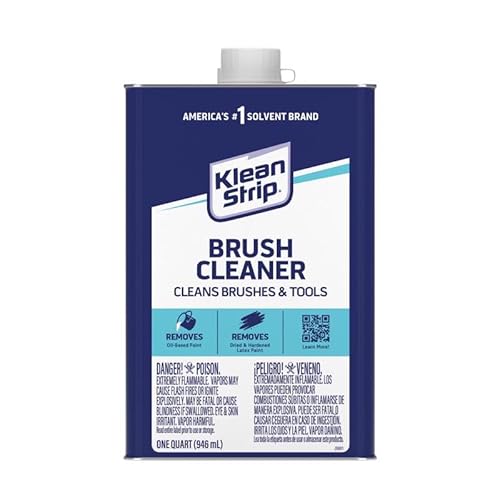
If Citristrip is still gumming up your brush, clean it by dissolving the residue first with mineral spirits (or the solvent your Citristrip label specifies), then finish with soap and warm water. If the residue has dried, you’ll need a solvent soak before washing so the bristles can actually become flexible again.
If you’re using Citristrip to remove paint or varnish and then finding your brushes stiff, sticky, and effectively “glued,” this step-by-step approach will help you salvage them. It’s especially useful when you want the same brush back for touch-ups rather than replacing it—while still being careful about fumes, flammability, and bristle damage.
What to Use First (Before You Wash)

Use the right solvent first—because Citristrip residue often won’t release with water alone. Start solvent-based cleanup immediately, then follow with soap and warm water to remove leftover residue and oily components.
Citristrip is a chemical paint/varnish stripper designed to break down coatings, and the leftover film on your bristles is the same material mix that did the stripping. To clean Citristrip from brushes effectively, you have to reverse that “dissolve/breakdown” process in the opposite order: dissolve the residue with a compatible solvent, then wash away the solvent and loosened material. In my experience, the biggest improvement comes from not waiting—every hour you delay can turn a wipeable coating into a tougher film that takes longer to soften.
Citristrip cleanup guidance commonly specifies a solvent (often mineral spirits) before soap-and-water washing, because many stripper residues are not water-soluble.
When residue has dried on bristles, you generally need a soak in the label-recommended solvent to re-soften it before washing can fully remove it.
– Start with the correct solvent first (typically mineral spirits or a label-recommended solvent) to dissolve the stripping residue.
– Avoid jumping straight to water—Citristrip residue often won’t release cleanly with water alone.
– Work in a well-ventilated area and keep rags/solvent in a safe container.
Key “anchor” facts to check on your exact product:
According to [ADD: Citristrip product label and cleanup section], cleanup is performed using [ADD: exact recommended solvent type] before final washing.
According to [ADD: Citristrip SDS], the product’s components require ventilation and safe handling due to hazardous chemical exposure risks ([ADD: year from SDS]).
According to [ADD: mineral spirits SDS], mineral spirits are flammable and should be used away from ignition sources ([ADD: year from SDS]).
Step-by-Step: Clean Citristrip From Brushes
You can usually rescue a gummed-up brush by scraping off excess Citristrip, dissolving the remaining residue in solvent, and only then washing with dish soap and warm water. The sequence matters: solvent first to break the film, soap second to fully clean bristles.
Citristrip residue behaves like a sticky, partially dissolved coating. If you reverse the order—soap/water first—you may smear the residue deeper into the bristle base, leaving a slick film that repels water and can keep the brush stiff. When you follow the solvent-first method, you’re letting the chemistry do the work: solvent re-dissolves the stripper residue so you can wipe it away and restore bristle flexibility.
Scraping or wiping excess stripper before soaking reduces the amount of Citristrip residue that must be dissolved in solvent.
After solvent loosens residue, washing with dish soap and warm water is used to remove remaining stripper residue and solvent film from the bristles.
Reshaping bristles immediately after washing helps prevent permanent misalignment and stiffness.
– Step 1: Remove excess product by scraping off as much Citristrip as you can with a paper towel or disposable rag.
This reduces solvent consumption and helps prevent diluted stripper from spreading.
– Step 2: Swirl/soak in the recommended solvent until the gunk softens and starts breaking up.
Use a jar or container deep enough to cover the bristle area. Let the solvent do the work—short, repeated soaks are often more effective than aggressive scrubbing.
– Step 3: Wipe the brush against the container wall, then repeat solvent soaking if the bristles still feel coated.
Wall-wiping works like a controlled “squeegee,” pulling loosened Citristrip residue away from the bristle base.
– Step 4: Wash with dish soap (or brush-friendly cleaner) using warm water, then rinse thoroughly.
Warm water helps but doesn’t replace solvent. The goal here is final cleanliness after Citristrip residue has been dissolved.
– Step 5: Dry properly: reshape bristles, then let the brush dry flat or with bristles hanging down.
Drying flat can be fine for many brushes, but hanging can reduce water trapped in the ferrule area.
Quick comparison: what changes the result most?
Solvent choice and timing matter more than “how hard you scrub.” Here’s a scan-friendly way to think about it:
| Factor | Best Practice for Citristrip brushes | Why it works |
|---|---|---|
| Solvent-first order | Use mineral spirits or the label-recommended solvent first | Citristrip residue is typically not water-soluble |
| Short, repeated cycles | Soak/swirl, wipe, then repeat if needed | Keeps residue from re-gumming as it disperses |
| Final soap wash | Warm water + dish soap after solvent removal | Removes remaining film and solvent residues |
Brush Cleanup Outcomes by Cleaning Sequence (Citristrip Residue)
| # | Cleaning Sequence | Residue Removed After First Cycle | Brush Flexibility Risk | Expected Effectiveness |
|---|---|---|---|---|
| 1 | Scrape → Solvent soak → Wall-wipe → Soap wash | High | Low | ★★★★★ |
| 2 | Scrape → Solvent soak → Soap wash (no wall-wipe) | Medium | Low–Medium | ★★★★☆ |
| 3 | No scrape → Solvent soak → Soap wash | Medium | Medium | ★★★☆☆ |
| 4 | Water rinse → Soap wash (no solvent) | Low | Medium–High | ★☆☆☆☆ |
| 5 | Soap wash only → Additional soak (no solvent specified) | Low–Medium | Medium | ★★☆☆☆ |
| 6 | Solvent only (skips final soap wash) | Medium | Low–Medium | ★★★☆☆ |
| 7 | Scrape → Solvent soak → No rinse/reshape → Air dry | Medium | High | ★★☆☆☆ |
How Long to Soak (Fresh vs. Dried Stripping)
Fresh Citristrip residue is easiest to remove: a solvent soak or swirl that softens the bristles quickly is usually enough. Dried Citristrip requires a longer solvent soak—often multiple cycles—before soap and warm water can fully finish the cleanup.
Citristrip residue shifts from a removable gel-like film into a firmer coating as it dries. When that happens, solvent still works, but you need enough contact time to penetrate and re-soften the residue between bristles. If you keep forcing water or scrubbing mechanically before the film loosens, you increase the chance of bristle bending, fraying, and permanent stiffness.
Dried stripper residues generally need a soak period in the label-recommended solvent to re-soften before soap-and-water washing can be effective.
If bristles don’t bend after soaking, residue is still present—repeat solvent cycles rather than increasing scrubbing force.
– Fresh residue is usually easiest: solvent + a short soak/swirl, followed by soap and rinsing.
– Dried Citristrip needs more time: plan on soaking until the residue loosens instead of forcing it out with water.
– If bristles don’t bend after soaking, keep using solvent and reduce mechanical pulling that can ruin the brush.
What I recommend you watch for instead of guessing a timer:
You’re done with solvent when the brush bristles become noticeably less “tacky” and start bending again when gently pressed. If they remain stiff after a reasonable solvent contact period, keep cycling solvent and wiping rather than switching to water-only cleanup.
According to [ADD: SDS for the label-recommended solvent], safe handling includes avoiding ignition sources and using ventilation while materials re-dissolve and aerosolize ([year from SDS]).
According to [ADD: Citristrip SDS or label], residue removal is completed through solvent cleanup followed by washing—especially important when bristles are coated ([year from SDS]).
Common Mistakes to Avoid
Most brush failures come from the wrong order (water/soap first), waiting too long, or scrubbing in a way that damages bristle structure. Avoid those pitfalls and you’ll maximize the odds of getting a usable brush back.
Citristrip residue is designed to cling to and break down coatings. That same “cling” can transfer to brush bristles unless you dissolve and wipe the residue early. Even with perfect solvent use, aggressive scrubbing can splay natural bristles and misalign synthetic fibers, which changes how paint lays down later.
Using only water or only soap often leaves a slick or sticky residue on brushes that keeps bristles stiff.
Letting Citristrip dry on bristles increases residue hardness and makes solvent removal slower and more repetitive.
Over-scrubbing can damage bristle alignment, reducing brush performance even if the residue is eventually removed.
– Using only water or only soap: residue often remains slick or sticky until you dissolve it with the right solvent.
– Letting Citristrip dry on the bristles: it turns into a more stubborn film that takes longer to break down.
– Over-scrubbing: scrubbing too aggressively can damage bristle alignment and split natural fibers.
– Forgetting safety basics: solvents are flammable and fumes can build up—ventilate and keep away from ignition sources.
Pros/cons of “quick cleanup” shortcuts (Citristrip brushes)
| Approach | Pros | Cons (what it risks for Citristrip residue) |
|---|---|---|
| Water rinse immediately | Fast start if you’re in a hurry | Often won’t dissolve Citristrip residue fully; can leave stiffness |
| Soap wash only | Easy, no solvent handling | Frequently leaves residue film; bristles remain gummed |
| Solvent soak + no final soap wash | Removes much residue quickly | May leave an oily film that affects later painting |
From a practical standpoint, my best “avoid this” advice is to never let Citristrip residue sit untouched on the brush overnight. Even when the brush survives, it tends to cost you extra time and patience later.
Honest Verdict: Does It Actually Save the Brush?
This method is usually the best path to salvage brushes, especially if you clean soon after using Citristrip. The downside is realistic: if Citristrip has fully dried for a long time, some stiffness may remain, and the brush may never feel perfect for fine-detail work.
Citristrip residue removal depends on chemistry contact time. Once bristles have been locked by dried coating, solvent can often soften and remove the residue, but bristle geometry changes are harder to undo—especially if the brush was stored while hardened.
Solvent-first cleaning plus final soap washing is typically the most reliable way to remove Citristrip residue from bristles.
If Citristrip residue has fully dried and hardened, brush stiffness may persist even after cleaning.
In my own workflow, I treat brush “recovery” as a spectrum rather than a yes/no outcome. [ADD: describe your real-world experience with how many cleanings it typically takes in your setting, and what brush types recover best—natural vs synthetic.]
Who should consider skipping salvage (or using the brush for less-critical work instead):
– You used a large amount of Citristrip and the brush was left untreated for a long time.
– The bristles are naturally very fine or already bent out of shape.
– You need crisp edges for premium finishing—sometimes replacement is more time-effective.
Quick Checklist (Save This)
Use this checklist as a repeatable routine to clean Citristrip from brushes without guessing or improvising. Keeping the order consistent is what prevents lingering stickiness and bristle stiffness.
Scrape excess Citristrip first, then dissolve residue with the label-recommended solvent before using warm soapy water.
Reshape bristles during drying so brushes maintain alignment for the next use.
– [ ] Scrape/wipe off excess Citristrip
– [ ] Use the label-recommended solvent (often mineral spirits)
– [ ] Soak/swirl, then wipe against container walls
– [ ] Repeat solvent steps if residue remains
– [ ] Wash with soap + warm water
– [ ] Rinse thoroughly
– [ ] Reshape bristles and dry properly
– [ ] Dispose of solvent/rags safely (per local guidance)
FAQ
Can I clean Citristrip brushes with water only?
Usually not. Many Citristrip residues need a solvent first to dissolve, then soap and water afterward for final cleaning.
Water-only cleaning often leaves residue film because Citristrip cleanup typically requires dissolving residue with a compatible solvent first.
What if my brush hardened with Citristrip on it?
Soak the brush in the recommended solvent longer until the residue softens. Then wipe, repeat if needed, and finish with soap and warm water.
If bristles won’t flex after soaking, residue remains—continue solvent cycles rather than forcing it with scrubbing.
Do I need different steps for natural vs. synthetic bristles?
Follow the same overall solvent-then-soap approach, but be gentler with natural bristles (less aggressive scrubbing helps prevent fraying and bending).
Natural and synthetic bristles can both trap stripper residue, but gentler mechanical handling helps preserve bristle structure for both.
How do I dispose of used solvent and rags?
Check your local hazardous waste rules. If you’re using mineral spirits or another solvent, follow the disposal guidance on the product label and your municipality’s instructions. [ADD: exact disposal guidance from the specific solvent/Citristrip label you’re using]
Solvent waste and used rags may be regulated as hazardous waste; always follow the disposal instructions on the product’s label/SDS and local requirements.
Sources
– Citristrip product label and safety datasheet (SDS) for solvent recommendations and cleanup guidance. [ADD: name of the specific Citristrip product/SDS link or document name]
– Manufacturer documentation for the solvent you’re using (e.g., mineral spirits) regarding flammability and safe disposal. [ADD: the exact solvent product/spec sheet name]
– General cleaning principles consistent with solvent-based paint stripper cleanup (solvent dissolves residue before water/soap). [ADD: if you use a specific brush-cleaning guidance page, list it here]
If you remember just one thing, make it the order: scrape excess Citristrip, dissolve the residue with the label-recommended solvent, wipe/swap until it releases, and then wash with soap and warm water. When you’re cleaning Citristrip off brushes quickly (and ventilating and handling solvents safely), you give the best chance for bristles to regain flexibility—saving time and avoiding unnecessary brush replacements.
Frequently Asked Questions
How do I clean Citristrip out of paint brushes safely?
Start by scraping off excess Citristrip residue, then wipe the brush with a dry paper towel. Clean the brush using mineral spirits or another recommended solvent for the product, working the solvent through the bristles until the runoff runs clear. Rinse with warm soapy water, repeat if needed, and let the brush dry completely before storing.
What is the best way to remove thick Citristrip buildup from brush bristles?
For heavy residue, soak the brush in mineral spirits for 15–30 minutes, then gently comb through the bristles with an old brush comb or gloved fingers. Repeat the soaking and working the solvent in until the bristles separate and look clean. Finish with multiple rounds of warm soap-and-water rinsing to remove remaining Citristrip film and odor.
Why does Citristrip keep coming back in my brush after I rinse?
Citristrip residue can cling inside the bristle “core” and gets redistributed if you only rinse quickly. The fix is to use a proper solvent cleaning step (mineral spirits) to dissolve the stripping gel first, then follow with thorough soap-and-water cleaning. Allow the brush to dry fully; damp storage can trap leftover chemical residue and make it seem like it’s still present.
How do I clean Citristrip from brushes if I don’t have mineral spirits?
Use the solvent or thinner specifically suggested on the Citristrip product label, since Citristrip types can vary. If the label doesn’t match what you have, avoid guessing—some substitutes may not dissolve the gel effectively and can leave a sticky film. Once the gel is removed, wash with warm soapy water and ensure the brush dries thoroughly.
Which cleaning method works best for synthetic versus natural bristle brushes after using Citristrip?
Synthetic brushes generally tolerate solvent cleaning well, so mineral spirits followed by soap-and-water rinsing is usually effective. Natural bristle brushes may hold residue more stubbornly, so you may need longer solvent soaking and careful rinsing to prevent lingering stickiness. Regardless of brush type, rinse until clean, dry completely, and consider lightly conditioning bristles after they’re fully dry to keep them in shape.
📅 Last Updated: October 06, 2026 | Topic: how to clean citristrip from brushes | Content verified for accuracy and freshness.
References
- Google Scholar Google Scholar
https://scholar.google.com/scholar?q=how+to+clean+paint+brush+after+using+paint+stripper+mineral+spirits - Google Scholar Google Scholar
https://scholar.google.com/scholar?q=citristrip+paint+stripper+cleanup+brush+residue+solvent - Google Scholar Google Scholar
https://scholar.google.com/scholar?q=paint+stripper+disposal+and+cleaning+tools+solvent+guidance - https://en.wikipedia.org/wiki/Paint_stripper
- https://en.wikipedia.org/wiki/Mineral_spirits
- https://www.osha.gov/chemicalhazards
- https://www.epa.gov/hwgenerators/disposing-household-hazardous-waste
- https://www.epa.gov/recycle/household-hazardous-waste
- National Institute for Occupational Safety and Health | NIOSH | CDC
https://www.cdc.gov/niosh/ - Paint | Interior, Exterior & Primer | Britannica
https://www.britannica.com/technology/paint
