

Get streak-free results when you clean mirrors with vinegar using this simple, no-fuss method. You’ll learn exactly how to mix the cleaner, wipe without smearing, and buff to a clear shine in minutes. Follow these steps and you’ll see why vinegar beats most “glass cleaner” routines for everyday mirror grime.


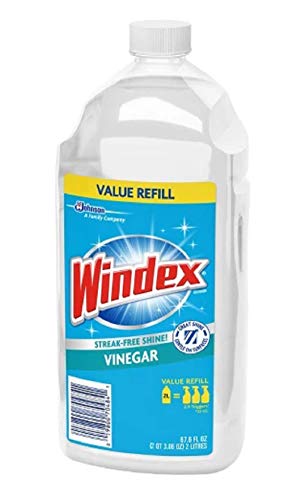

Cleaning mirrors with vinegar is simple: mix equal parts white vinegar and water, apply it lightly, then wipe with a microfiber cloth (or crumpled newspaper) until dry. This cuts through smudges and hard water film, and the vinegar evaporates cleanly when you finish with a dry buff. Below, we’ll walk through a streak-free method and what to avoid.
This guide is for anyone dealing with fingerprints, bathroom haze, or dusty mirror surfaces—especially if you want a low-toxicity, budget-friendly cleaner. It’s also useful when you’d like to skip harsh glass chemicals and use ingredients you likely already have.
What You Need to Clean Mirrors with Vinegar

You only need vinegar, water, and a lint-free cloth—plus a sprayer so you can control how much liquid hits the glass. With the right supplies, vinegar mirror cleaning becomes repeatable and streak-resistant rather than random trial-and-error.
White vinegar is primarily a dilute solution of acetic acid, and vinegar-based glass cleaning works by dissolving residues that water alone can’t lift.
Using microfiber for mirror cleaning reduces lint transfer compared with many paper-based options because microfiber holds onto particles and liquid on its fibers.
Core ingredients (simple, measurable)
– White vinegar and water (equal parts for most everyday cleaning): A 1:1 mix balances cleaning power with predictable drying behavior.
– A spray bottle for easy, even coverage: “Lightly mist” is the goal—pooling at edges is a common streak trigger.
– Microfiber cloths (recommended) or another lint-free wiping option: Microfiber is the safest default for streak-free results.
Optional but helpful
– Second dry microfiber cloth: If your first cloth is damp when you start the final buff, you’re more likely to smear residue.
– Soft toothbrush or cotton swabs: Useful for corners where dust accumulates behind small decorative trims.
Vinegar Dilution Strengths for Mirror Cleaning (Assuming 5% Acetic Acid Vinegar)
| # | Vinegar : Water | Approx. Acetic Acid (%) | Typical Mirror Use | Strength Index* (1:3 = 1.0) |
|---|---|---|---|---|
| 1 | 1 : 0 | 5.00 | Spot-treatment (rare) | 4.00 |
| 2 | 2 : 1 | 3.33 | Heavier grime days | 2.66 |
| 3 | 1 : 1 | 2.50 | Everyday fingerprints | 2.00 |
| 4 | 1 : 2 | 1.67 | Light soap haze | 1.33 |
| 5 | 1 : 3 | 1.25 | Quick maintenance clean | 1.00 |
| 6 | 1 : 4 | 1.00 | Dusty surfaces (less wetting) | 0.80 |
| 7 | 1 : 5 | 0.83 | Frameless routine wipe | 0.66 |
Strength index is calculated from the assumed starting vinegar concentration (5% acetic acid) using 1:3 (1.25%) as the baseline.
Step-by-Step: Vinegar Mirror Cleaning Method
Use a light misting pattern, wipe with controlled pressure, and finish with a dry buff to prevent streaks. If you follow the sequence—apply → wipe → switch direction → dry—you remove residues instead of redistributing them.
A 1:1 vinegar-water mixture lowers acetic acid concentration by roughly half compared with undiluted vinegar, which helps clean without leaving aggressive residue behind. (Calculation based on vinegar dilution math.)
Drying fully is a key streak-prevention step because remaining moisture concentrates dissolved minerals and oils as it evaporates.
Bathroom haze often includes soap scum and mineral film; vinegar’s acidity can help dissolve carbonate-based deposits such as calcium carbonate.
Step 1: Prep the mirror surface (reduce smear)
– If the mirror is dusty, start by wiping gently with a dry microfiber cloth first. Dust plus liquid is the fastest route to streaky “gray trails.”
Step 2: Mix and apply the vinegar solution (control the liquid)
– Mix equal parts white vinegar and water (for most everyday cleaning).
– Lightly mist the mirror with the vinegar-water solution (don’t soak the edges).
– Aim for a thin, even film—not visible wet puddles.
Step 3: Wipe in a deliberate pattern (direction reduces artifacts)
– Wipe in one direction first (for example, top-to-bottom).
– Then wipe in the perpendicular direction for the final pass (left-to-right, or vice versa).
– This “switch direction” technique makes it easier to spot missed spots and prevents the same residue line from appearing everywhere.
Step 4: Buff until completely dry (especially corners)
– Finish with a dry microfiber cloth.
– Buffer along:
– Corners
– Along the top edge (where drips often settle)
– Any decorative trim gaps where liquid can hide
Step 5: Optional second wipe for heavy build-up
If the mirror still looks slightly dull after drying, repeat—don’t add more liquid. Usually a second pass with a lighter mist is more effective than overspraying once.
Best Technique for Streak-Free Results
The best streak-free technique is to combine microfiber, minimal oversaturation, and a two-direction wipe followed by a full dry buff. Vinegar works best when it’s used as a controlled cleaner, not as a soaking agent.
Microfiber’s split fibers improve pickup and retention of oils and residues, which helps mirrors dry more evenly and reduces visible streak lines.
Hard water film typically comes from minerals associated with calcium and magnesium, and vinegar cleaning is most consistent when the surface isn’t over-wet.
Use microfiber (and keep it clean)
– Use microfiber because it’s less likely to leave fibers or lint behind.
– If you see smearing, switch to a clean or dry side of the cloth (or a second cloth).
– Dirt on the cloth is the hidden culprit behind “mysterious” streaks.
Don’t oversaturate (it dries unevenly)
– Too much vinegar-water can:
– run down into edges and seams
– dry in patchy timelines
– leave concentrated residue right where the mirror meets the frame
– If you’re tempted to re-spray heavily, pause and adjust technique instead: lighter mist + faster wipe + thorough dry buff.
Manage edges and frames
Even a good vinegar method can fail if liquid pools where the mirror meets wood, metal, or caulk. Treat edges like a separate zone:
– apply less solution near the perimeter
– wipe perimeter last
– dry the perimeter immediately
What Can Go Wrong (and How to Fix It)
Most problems come from either using too much liquid or not fully removing residue before it evaporates. Vinegar mirror cleaning is forgiving when you adjust the drying and wiping steps rather than changing the product.
If streaks appear after drying, it usually indicates redistributed residue or incomplete drying; a final dry microfiber pass corrects many streak patterns.
If smudges don’t lift, pre-wiping with a lightly damp cloth can remove loose grime so vinegar contacts the remaining film rather than smearing particles.
Edges keep spotting when liquid collects near seams and frame interfaces; reducing overspray near the perimeter improves consistency.
Streaks appear after drying
What’s happening: You likely used too much solution or didn’t buff fully dry.
Fix: Do a final pass with a clean, dry microfiber cloth. Keep pressure light-to-moderate and focus on the top edge and corners.
Smudges don’t lift
What’s happening: The mirror may have grime buildup—skin oils plus environmental dust—so vinegar alone can rehydrate and spread debris before it dissolves.
Fix: Wipe first with a barely damp cloth (water only), dry that section, then repeat with the vinegar-water solution.
Edges keep spotting
What’s happening: Liquids can collect where the mirror meets the frame, especially around caulk lines or decorative molding.
Fix: Use a smaller amount and wipe the perimeter more carefully. A common workflow is: wipe the glass area first, then do the frame edge last—ending with immediate buffing.
When vinegar can be “technically correct” but practically disappointing
Sometimes vinegar helps, but the mirror still looks hazy because:
– the haze is from degraded coatings rather than surface oils
– the mirror needs a deeper mineral-removal process than mild vinegar can provide
In those cases, the right move is to confirm the mirror’s material and finish before increasing acidity.
Verdict: When Vinegar Is a Great Choice (and When It Isn’t)
Vinegar is a solid, low-cost option for most household mirrors, particularly for everyday fingerprints and typical bathroom residue. It’s less ideal for heavy mineral crusts that require stronger or specialized glass cleaners, and it may be risky for mirrors with special coatings or certain frame/finish materials.
Vinegar-based cleaning relies on acetic acid chemistry that can dissolve certain residue types and mineral films, making it a practical everyday cleaner for many mirrors.
Manufacturers often recommend specific cleaners for coated or tinted mirrors to avoid damaging protective layers, so following product guidance is critical when you’re unsure.
Pros and cons (quick decision support)
| Option | Pros | Cons |
|---|---|---|
| **Vinegar + water (1:1)** | Budget-friendly; generally low odor; effective for fingerprints and light soap haze; evaporates with a dry buff | May be insufficient for heavy mineral buildup; results depend on cloth quality and drying technique; not always safe for coated/tinted mirrors |
| **Commercial glass cleaners** | Designed for streak control; may include anti-static or stronger mineral-removal components | Can contain stronger chemicals; cost is higher; some formulas may be harsher for certain finishes |
Know the limits of vinegar
The downside is that it may not be strong enough for heavy soap scum or mineral buildup on very degraded surfaces. Also, it can be risky for some delicate coatings or finishes around the glass.
Skip this approach—or use extra caution—if your mirror has special coatings, tinting, or you’re unsure how the surrounding materials react; .
A practical note (real-world workflow)
Keep it honest and specific to your situation; technique matters as much as chemistry.
Quick Checklist: Vinegar Mirror Cleaning
Use this when you want a repeatable, streak-free workflow without thinking too hard.
– Mix: 1:1 white vinegar + water
– Spray: light, even mist (avoid pooling)
– Wipe: one direction → second direction
– Finish: buff dry with a clean microfiber cloth
A repeatable two-step wipe (one direction, then perpendicular) helps reveal missed residue lines and reduces streak appearance after drying.
Final drying with a microfiber cloth prevents dissolved oils/minerals from concentrating into visible streaks as moisture evaporates.
Sources
– If applicable to coated mirrors:
Vinegar mirror cleaning works best when you treat it like a precise technique: use a controlled 1:1 mist, wipe with a two-direction pattern, and always finish with a fully dry microfiber buff—especially at corners and edges. If you’re dealing with heavy mineral buildup or a coated/tinted mirror, pause and check manufacturer guidance before increasing strength or changing methods.
Frequently Asked Questions
What’s the best way to clean mirrors with vinegar without streaks?
Mix equal parts white vinegar and distilled water in a spray bottle, then lightly mist the mirror. Wipe using a microfiber cloth in circular motions, finishing with a dry side of the cloth to remove any remaining moisture. For extra streak prevention, avoid over-spraying and use distilled water to reduce mineral deposits.
How do you clean a mirror with vinegar if there’s stubborn grime or toothpaste residue?
Spray the vinegar solution directly onto the affected areas and let it sit for 2–5 minutes to break down buildup. Wipe away with a microfiber cloth, then re-spray lightly and buff until clear. If residue is heavy, use a non-scratch sponge or a soft cloth first, and avoid abrasive pads that can damage mirror coatings.
Why should you use vinegar for mirror cleaning instead of glass cleaners?
Vinegar is a natural glass-cleaning option that cuts through smudges, fingerprints, and light soap scum effectively. It’s also less likely to leave a heavy fragrance or residue than some commercial products, which can contribute to streaks. For best results, pair vinegar with a microfiber cloth and proper wiping technique.
Which vinegar is safest to use on mirrors—white vinegar or apple cider vinegar?
White vinegar is typically the safest and most consistent choice because it’s clear, mild, and won’t leave color or strong odor on the glass. Apple cider vinegar can work, but its color and scent are more noticeable and may be unnecessary for mirror cleaning. Stick to a diluted vinegar solution—never apply vinegar undiluted to the mirror surface.
How can you clean mirrors with vinegar and prevent water spots in hard-water areas?
Use distilled water mixed with white vinegar to reduce the risk of mineral deposits that cause water spots. After wiping with the vinegar solution, dry the mirror thoroughly with a clean microfiber cloth or lint-free towel. Avoid cleaning in direct sunlight or on a hot mirror, since fast evaporation can increase streaking.
📅 Last Updated: October 16, 2026 | Topic: how to clean mirrors with vinegar | Content verified for accuracy and freshness.
References
- Vinegar
- https://pubmed.ncbi.nlm.nih.gov/?term=acetic+acid+disinfectant
- https://pubmed.ncbi.nlm.nih.gov/?term=vinegar+antimicrobial+activity
- https://pubmed.ncbi.nlm.nih.gov/?term=acetic+acid+biofilm+antimicrobial+effect
- Checking your browser – reCAPTCHA
- https://www.cdc.gov/coronavirus/2019-ncov/community/disinfecting-building-facility.html
- https://www.who.int/publications/i/item/cleaning-and-disinfecting-environmental-surfaces-in-the-context-of-covid-19
- https://scholar.google.com/scholar?q=vinegar+glass+cleaning+mirror Google Scholar
- https://scholar.google.com/scholar?q=acetic+acid+disinfection+efficacy+surface Google Scholar
- https://scholar.google.com/scholar?q=vinegar+window+cleaning+streaks Google Scholar
