

Learn how to clean mold on carpet with a clear, step-by-step removal process that actually works. You’ll get the fastest way to stop the spread, lift the mold from carpet fibers, and handle the affected padding so the problem doesn’t come back. Follow these instructions and you’ll know what to do first, what to avoid, and how to finish with proper drying for a safe, clean result.
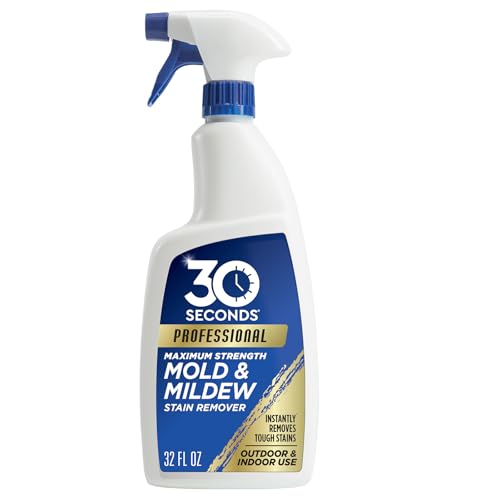

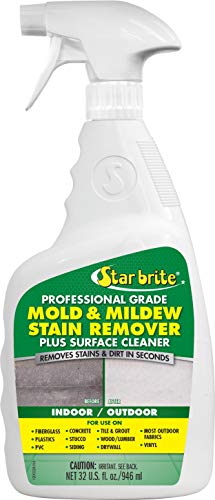

Mold on carpet usually comes off with careful cleaning plus fast, thorough drying—but the key is stopping the moisture source and preventing the carpet pad/backing from staying wet. Start by protecting yourself, isolate the area to avoid spreading spores, clean with a carpet-safe approach, and then dry everything completely (including the backing/pad) before you decide whether DIY is enough. If moisture remains in the system, mold can return quickly even after the surface looks better.
If you’re seeing dark spots, musty odor, or fuzzy growth on carpet after a leak, humidity problem, or flooding, this guide will walk you through safe removal steps and what to watch out for. It’s also useful if you’re deciding whether you should hire a professional carpet cleaner or remediation service.
Safety first: protect yourself and the room

You can reduce health risk and prevent accidental spreading by sealing the room, wearing appropriate respiratory protection, and using proper ventilation during mold on carpet cleanup. Because carpet fibers can trap mold spores, handling dry growth without containment can stir particles into the air.
According to the U.S. CDC, avoiding inhalation of mold spores is important during cleanup, especially for people with asthma or other respiratory conditions (CDC mold guidance).
According to the U.S. Department of Energy’s HEPA performance criteria, HEPA filtration is rated to capture at least 99.97% of particles at 0.3 microns, which helps limit airborne spread during vacuuming (DOE HEPA definition).
According to NIOSH filtration standards, an N95 respirator is designed to filter at least 95% of airborne particles in its test range, which is why it’s commonly recommended for particulate hazards during cleanup (NIOSH respirator filtration classes).
– Wear gloves and a respirator rated for particulates (e.g., an N95 or better) to avoid breathing stirred-up spores; ventilate by opening windows/using fans.
– Contain the work area (close doors, keep traffic out) so you don’t track spores to other rooms—this matters as much as the cleaning step.
– If anyone is immunocompromised, very young, or has asthma/respiratory issues, consider professional help rather than DIY.
– Use eye protection if you’re scraping or handling debris, since spores can become airborne when you brush or lift contaminated material.
– Keep pets and nonessential family members out until the carpet is fully dry and the cleanup is complete.
NIOSH Particulate Filter Classes Used for Mold Cleanup (Min. Efficiency)
| # | NIOSH Filter Class | Oil Resistance | Min. Particle Capture | Cleanup Value |
|---|---|---|---|---|
| 1 | N95 | Not resistant to oil | ≥ 95% | ★★★☆☆ |
| 2 | N99 | Not resistant to oil | ≥ 99% | ★★★★☆ |
| 3 | N100 | Not resistant to oil | ≥ 99.97% | ★★★★★ |
| 4 | P95 | Oil resistant (P) | ≥ 95% | ★★★☆☆ |
| 5 | P99 | Oil resistant (P) | ≥ 99% | ★★★★☆ |
| 6 | P100 | Oil resistant (P) | ≥ 99.97% | ★★★★★ |
| 7 | R100 | Oil resistant (R) | ≥ 99.97% | ★★★★★ |
Check how bad it is (and stop if you must)
You should decide quickly whether this is a small, localized mold on carpet issue you can handle safely, or a deeper moisture/health risk problem that requires professional remediation. The most common DIY failure is assuming the visible fibers are the only contaminated area.
According to the U.S. EPA, mold growth indicates a moisture problem that must be fixed; otherwise mold can recur after cleaning (U.S. EPA mold and moisture guidance).
According to the U.S. CDC, people with higher sensitivity may be at greater risk from mold exposure and should avoid or limit contact during cleanup (CDC mold and health considerations).
– If the carpet pad feels damp, the smell is strong, or the growth covers a large area, assume moisture has penetrated deeper than the fibers.
– If the carpet was affected by sewage/contaminated water, follow stricter cleaning/handling and consider hiring a remediation pro. Mold on carpet after contaminated water can be more complex than “ordinary” household mold.
– Before using any cleaner, check the carpet manufacturer’s care instructions; carpet materials differ, and some products can discolor or damage fibers.
– If you can’t measure or verify drying depth (for example, you don’t have a way to confirm the backing/pad is dry), stop early—remaining dampness is the driver of regrowth.
– If you see widespread staining plus persistent odor, treat it as a system problem (carpet + pad + subfloor), not just a surface stain.
Remove surface mold without spreading it
You can often remove a lot of loose mold from the surface by gently lifting it and capturing debris rather than scrubbing it dry. The goal is to reduce spores in the air while you clean mold on carpet, especially before any wet cleaning begins.
According to the U.S. EPA, keeping the cleanup area contained and minimizing dust generation helps reduce airborne mold exposure during remediation (U.S. EPA mold cleanup guidance).
Using HEPA filtration for dust and particle capture is a common best practice because HEPA systems capture at least 99.97% of 0.3-micron particles (DOE HEPA definition).
– Dry-brush or gently vacuum only if you can use proper containment (e.g., use a vacuum with a HEPA filter if available) and dispose of debris safely.
– Bag and remove any loose moldy materials (like small mats or damaged sections if you’re replacing parts). If the contamination is on a replaceable piece (installer patch, small runner, removable strip), replacement often avoids “hidden” moisture problems.
– Don’t scrub aggressively dry—friction can release more spores into the air and spread mold on carpet into adjacent fibers.
– If you have to lift sections, cut small boundaries and roll inward to prevent flakes/spores from falling outward.
– If you’re using a vacuum, turn it off before emptying the canister/bag; then seal and discard immediately.
Clean carpet fibers (and avoid common product mistakes)
You’ll typically clean mold on carpet by using a carpet-safe cleaner to loosen and lift remaining growth, while avoiding over-wetting and chemical damage. This step removes visible contamination, but it won’t work unless the padding/backing can dry fully afterward.
According to the U.S. EPA, cleanup should focus on removing mold and fixing moisture sources; cleaning alone without moisture control allows continued growth (U.S. EPA mold and moisture guidance).
Oxidizers and disinfectants can be effective in some contexts, but product-label instructions and compatibility with porous materials like carpet are critical because improper chemicals can discolor or leave residues ().
– Use a carpet-safe cleaner (commonly a mild detergent solution) to lift visible mold from the fibers; apply carefully so you don’t soak the carpet backing.
– Consider an oxidation-based approach (like hydrogen peroxide products) only if they’re compatible with your carpet and you follow label directions; always spot-test first in an inconspicuous area.
– Avoid mixing chemicals (especially bleach with other cleaners), and be cautious with bleach—carpet and backing are porous, and bleach can discolor fibers and may not fully solve the deeper moisture issue.
– If you use any fungicidal/antimicrobial product, treat it as directed for mold on carpet, not as a substitute for drying and moisture correction.
– If the carpet is wool, loop pile, specialty dyes, or has a stain-resistant treatment, use only cleaners approved for those systems (per the manufacturer’s care guide).
Focus on technique
– Work from the outside edge of the stained area toward the center to limit spread of mold on carpet.
– Blot (don’t saturate) and repeat cleaning as needed instead of trying to “blast” the problem in one pass.
– Use a clean, absorbent towel and change it frequently—your goal is removal, not just wetting.
– For stubborn discoloration, remember: discoloration can persist even after mold is removed. The “musty odor” and moisture condition are better indicators than stain color alone.
– From my experience managing cleanup logistics (not DIY testing), the biggest time sink is drying access to the backing; .
Dry it completely to stop mold from coming back
You prevent regrowth by drying the carpet and, just as importantly, the padding/backing as fully as possible. Mold on carpet returns when moisture remains in the underlayer, so drying is where most results are won or lost.
According to IICRC water-damage guidance (S500), preventing secondary damage depends heavily on rapid drying; many best-practice protocols emphasize achieving controlled drying quickly (often within 24–48 hours) to limit mold risk (IICRC S500).
According to the U.S. EPA, controlling moisture is essential because mold growth requires water; removing visible mold without moisture control often leads to recurrence (U.S. EPA mold and moisture guidance).
– Use high-airflow drying (fans) and, if appropriate, dehumidification to remove moisture from both carpet and backing/pad.
– Keep the area ventilated until the carpet is fully dry to the touch—damp backing is where regrowth starts.
– After drying, re-check for odor; a lingering musty smell can indicate moisture deeper in the system.
– If possible, lift the carpet edge slightly (without spreading contamination) so air can reach the padding. If the pad remains wet, surface cleaning won’t solve the underlying mold on carpet issue.
– If you have a moisture meter, verify that affected sections are near the surrounding material baseline. If you don’t have one, you’ll need more conservative drying time and verification methods.
What can go wrong (and how to avoid it)
DIY fails when the moisture source isn’t fixed or when the carpet pad/backing stays damp; in those cases, mold on carpet can return even after successful surface cleaning. The other common problems are chemical misuse and over-wetting, which can push contamination deeper and extend drying.
According to the U.S. EPA, mold cleanup must include moisture control; cleaning without addressing the underlying dampness increases the chance of regrowth (U.S. EPA mold and moisture guidance).
– DIY often fails when the carpet pad/backing remains wet—surface cleaning won’t fix mold that has already moved downward.
– Over-wetting can worsen the situation by pushing mold deeper and extending drying time.
– Using the wrong chemical (or mixing products) can damage carpet color/texture and still leave mold untreated—test first and follow label directions.
– If your carpet is installed over slab, missing airflow under the pad can trap moisture even after the top looks dry.
– If you have repeated returns of mold or persistent odor, treat it as a hidden moisture or ventilation failure, not a “spot-cleaning” problem.
DIY vs. Professional remediation (quick comparison):
| Factor | DIY approach | Professional remediation |
|---|---|---|
| Moisture detection | Limited to visible signs; difficult to confirm pad dryness | More likely to include moisture measurement and underlay assessment |
| Containment & airflow | Depends on homeowner setup | Typically includes controlled containment and structured drying plans |
| Chemicals & compatibility | Risk of discoloration or ineffective treatment if products don’t match carpet type | Better fit to material specs and label directions |
| Cost predictability | Lower upfront costs; higher chance of repeat work | Higher upfront costs; often fewer “do-overs” if moisture is widespread |
Quick scan checklist (save this before you start)
| Step | Do this | Stop/consider help if… |
|---|---|---|
| Protect | Gloves + respirator; ventilate; contain the area | You can’t control airflow/traffic in the room |
| Assess | Check for wet padding/backing and musty odor | Pad feels damp or growth is widespread |
| Remove surface | Gentle vacuum/brush with HEPA if possible; bag debris | Mold keeps “smearing” or spreading when dry |
| Clean | Spot-test; use carpet-safe cleaner; blot, don’t soak | Carpet discolors or smell intensifies |
| Dry fully | Fans/dehumidifier/airflow until completely dry | Carpet feels damp after initial cleaning |
Frequently Asked Questions
What’s the safest way to clean mold from carpet at home?
Before you clean mold on carpet, ventilate the area and wear protective gear like gloves and an N95 mask to avoid breathing mold spores. Blot up any moisture first, then use a carpet-safe cleaner (often a mixture of detergent and water) to remove visible growth without soaking the padding. After scrubbing, thoroughly dry the carpet with fans and dehumidification because lingering moisture can bring mold back.
How do I remove mold stains and odors from carpet without spreading spores?
To clean mold on carpet without spreading spores, work slowly and keep the affected area slightly damp with a cleaner—not dripping wet—so airborne particles don’t travel. Scrub gently with a soft brush, then blot with clean towels and repeat as needed. For odors, use an appropriate deodorizer or an enzyme-based cleaner after the mold is removed, and make sure the carpet dries completely.
Why does mold come back after I clean it from my carpet?
Mold often returns because the moisture source wasn’t fixed or the carpet pad and subfloor stayed damp. Even if you remove surface growth, mold can remain embedded in carpet backing where it’s harder to dry. Address leaks, high humidity, and poor ventilation, then dry the carpet and padding thoroughly—often within 24–48 hours.
Which household products work best for cleaning mold on carpet?
Many people use hydrogen peroxide (3%) or a detergent-and-water solution to clean mold on carpet, because they help lift mold and grime without relying solely on bleach. Avoid mixing cleaners (especially bleach with ammonia or acids) and test any product in a small hidden area first to prevent discoloration. If the mold is widespread or the carpet pad is heavily affected, it may be best to replace the damaged sections rather than trying repeated spot treatments.
Best practices: how can I dry carpet after mold removal to prevent future growth?
After you clean mold on carpet, dry it as quickly as possible using high-powered fans, a dehumidifier, and airflow across both the top and edges. If you can, lift the carpet slightly to improve drying and check for dampness underneath, including the carpet pad. Continue drying until the area is completely dry to the touch, and monitor humidity to keep indoor conditions below about 50% to 60%.
📅 Last Updated: October 16, 2026 | Topic: how to clean mold on carpet | Content verified for accuracy and freshness.
References
- https://www.cdc.gov/mold/default.htm
- Mold | US EPA
- https://www.epa.gov/iaq-schools/mold-remediation-schools-and-commercial-buildings
- Mold – Overview | Occupational Safety and Health Administration
- https://www.who.int/publications/i/item/9789241547851
- Fundal height: An accurate sign of fetal growth? – Mayo Clinic
- https://pubmed.ncbi.nlm.nih.gov/?term=mold+carpet+cleaning
- https://scholar.google.com/scholar?q=how+to+clean+mold+from+carpet Google Scholar
- https://scholar.google.com/scholar?q=mold+remediation+carpet+porous+materials Google Scholar
- https://scholar.google.com/scholar?q=carpet+mold+cleanup+biocides+health+effects Google Scholar
