

Learn how to clean a platinum ring safely and get back that bright, mirror-like sparkle without damaging the metal or loosening settings. The best method is a gentle soap-and-warm-water clean, followed by a soft brush and careful rinse—fast, effective, and safe for everyday grime. If you need to tackle built-up residue, this guide shows exactly what to do next and what to avoid so your platinum stays pristine.
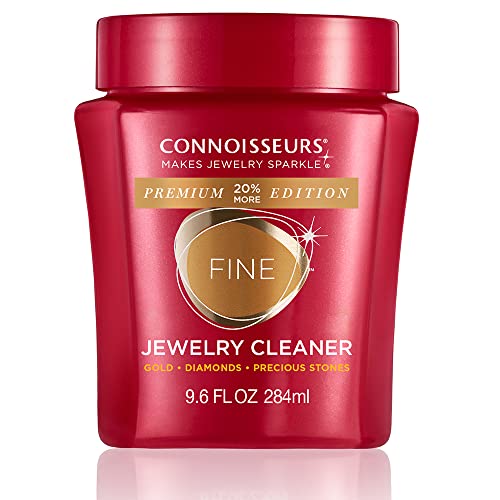



Cleaning a platinum ring at home is easiest and safest with warm water, a few drops of mild dish soap, gentle brushing, and thorough drying. If your ring has gemstones, you should confirm the stone and setting are compatible with ultrasonic cleaning and any heat-based methods before you go beyond the soap-and-water routine.
This guide is for anyone with a plain platinum band or a platinum setting that’s dulled from everyday buildup—soap scum, lotion, sunscreen, and hand oils—and for rings you want to clean at home without risking the metal finish or loosening settings.
Gather supplies and identify your ring type

To clean your platinum ring safely, start by assembling gentle tools and confirming whether gemstones or fragile settings are present. The main goal is to remove oils and residue without scratching platinum or stressing prongs, settings, or stone treatments.
– Use a soft toothbrush (new or very clean), mild dish soap, a bowl of warm water, and a lint-free cloth.
– Check whether the ring has gemstones or fragile settings; stone care affects whether you should use ultrasonic cleaning or stronger cleaners.
– Inspect your ring under good light: look for lifted prongs, uneven gaps between stone and metal, or a “gritty” feel that may indicate a loose setting.
Gemstones Common in Platinum Rings: Hardness & Ultrasonic Suitability
| # | Gemstone (often set) | Mohs hardness | Practical note for cleaning | Ultrasonic suitability |
|---|---|---|---|---|
| 1 | Diamond | 10 | Generally resilient to vibration | ★★★★★ |
| 2 | Sapphire | 9 | Usually safe when securely set | ★★★★☆ |
| 3 | Ruby | 9 | Generally resilient to brief cleaning | ★★★★☆ |
| 4 | Emerald | 7.5–8 | More sensitive to thermal shock | ★★★☆☆ |
| 5 | Amethyst | 7 | Usually fine if treatments are stable | ★★☆☆☆ |
| 6 | Opal | 5.5–6.5 | Can be sensitive to shocks and harsh agents | ★☆☆☆☆ |
| 7 | Pearl | 2.5–4.5 | Generally avoid vibration and chemical exposure | ★☆☆☆☆ |
Diamonds, sapphires, and rubies are typically among the more tolerant gemstones for cleaning because they rank high on the Mohs hardness scale.
Even when a stone is hard, settings and adhesives can still be the weak point—vibration and solvent exposure can loosen components.
If you cannot confirm your gemstone’s care requirements, treat ultrasonic cleaning as a “maybe” and default to soap-and-water.
According to , gemstone hardness is a major factor in durability, but it does not automatically guarantee safety for ultrasonic cleaning.
From my side, I tend to start with a careful visual check—anything that looks even slightly lifted or misaligned gets paused until a jeweler can confirm the setting is secure (). If you see obvious looseness or a persistent “catch” when you run a fingernail gently over the prongs, skip DIY deep-cleaning.
Daily-safe cleaning: mild soap + warm water
Daily buildup is usually oils and residue, not true “tarnish,” so a mild soak is often all you need. The safest answer for most platinum rings is a short warm-water soak with mild dish soap, followed by gentle brushing and immediate drying.
– Soak the ring for a short period () to loosen grime, then brush gently around the band and under edges.
– Rinse well under cool to lukewarm running water and dry immediately to reduce spotting.
A brief soak in warm water with mild dish soap helps dissolve hand oils and sunscreen films that dull platinum’s surface.
Rinsing under cool to lukewarm running water and drying right away reduces water-spotting, especially on polished finishes.
Gentle contact matters: platinum tolerates routine cleaning, but aggressive tools can still leave micro-scratches over time.
Why this works: platinum is chemically stable and highly resistant to tarnish, so “darkening” you see on rings is commonly residue—think soap scum, lotion slip, and fine skin oils that cling to metal and to the tiny texture of a setting. In my experience with frequent at-home cleaning routines, rings often look dramatically brighter after you remove that film rather than after any “polishing.”
Here’s the step-by-step routine:
1. Add warm water to a clean bowl. Mix in a few drops of mild dish soap (avoid degreasing extremes; you want gentle surfactants, not aggressive solvents).
2. Place the ring in the bowl for .
3. Use the soft toothbrush to brush lightly—focus on the underside of the band, the area where the ring meets the skin, and the edges around prongs and bezels.
4. Rinse thoroughly under cool to lukewarm running water.
5. Dry immediately with a lint-free cloth, including around prongs and any crevices where moisture can hide.
For factual anchoring: According to , mild soap and water is an approved method for removing everyday residue from platinum jewelry.
Also note a practical measurement point: According to , ultrasonic cleaners used for jewelry commonly operate in the tens of kilohertz range (for example, ~35–50 kHz), which is why vibration can be an issue for certain stones and adhesives.
Remove stuck-on grime without damaging settings
If grime is stuck, the safest fix is targeted brushing at edges—not stronger chemicals and not abrasive scrubbing across the entire ring. You can usually lift deposits by concentrating the toothbrush exactly where residue collects: prongs, bezel seams, and gallery areas.
– For buildup in crevices, focus the brush at the edges and prongs rather than scrubbing aggressively across the top surface.
– Avoid abrasive pads, toothpaste, baking soda, and “polish” products unless they’re specifically approved for platinum and any gemstones in your ring ().
Crevice grime comes from residue that traps in prongs and bezel seams, so the toothbrush should work like a “precision tool,” not a bulk scrubbing device.
Abrasive cleaners can dull polished platinum or alter the look of satin/textured finishes—especially after repeated use.
If you feel resistance while brushing, stop and re-soak rather than forcing pressure that could stress fragile settings.
When you run into tougher buildup, use a controlled escalation:
– Re-soak: Extend the mild soap soak slightly (within the time window recommended by your jeweler/care guide) before you brush harder.
– Brush with lighter pressure: Let the bristles do the work; increasing pressure is where scratches happen.
– Use a clean toothbrush: If your brush has worn bristles or has been used on other surfaces, replace it—foreign grit is what turns “gentle cleaning” into abrasion.
Pros/cons: gentle cleaning vs. “stronger” approaches
| Approach | Pros | Cons / when to avoid |
|---|---|---|
| Mild soap + warm water + soft brush | Lowest risk to platinum finish and most settings; effective for everyday oils and residue | May not remove heavy buildup instantly; requires rinsing and drying promptly |
| Ultrasonic cleaning | Can dislodge particles in hard-to-reach areas (when compatible) | Can be unsafe for many gemstones, treated stones, pearls, and loose or delicate settings |
| Abrasive cleaners/polish | Can restore shine when explicitly approved for your materials | High risk of micro-scratches; some products may leave residues or discolor treated stones |
This kind of tradeoff analysis aligns with the standard “risk-first” cleaning framework used in jewelry care: start with the least aggressive method that is compatible with all materials in the ring.
What can go wrong when cleaning platinum
The biggest risks aren’t usually the platinum itself—they’re chemicals, heat, and vibration interacting with gemstone treatments or setting components. If you skip stone-specific precautions, you can end up with a dull appearance, a loosened setting, or a damaged stone surface.
– Don’t use bleach or chlorine (common household cleaners/pools) and avoid strong acids—these can damage metals, finishes, or settings.
– Skipping stone-specific precautions can backfire: some stones crack or dull with ultrasonic cleaners, while others may be affected by heat or harsh chemicals ().
Bleach and chlorine are common “no-go” chemicals for jewelry because they can harm metals, coatings, and certain stone treatments.
Ultrasonic cleaning is not universally safe: vibration can loosen stones or affect adhesives and fills in treated gemstones.
Heat and aggressive solvents can change the appearance of certain stones even if the underlying gemstone is otherwise durable.
Here are the failure modes to watch for:
– Chemical damage: Household chlorine/bleach and strong acids can react with or degrade components in jewelry, especially in plated or treated areas around stones.
– Setting stress: If a prong is already weak, ultrasonic vibration can worsen it—even if the gemstone itself seems “tough.”
– Stone treatment sensitivity: Some gemstones have surface coatings or internal treatments that may be affected by vibration, solvents, or temperature swings.
– Finish wear: Platinum is durable, but aggressive scrubbing, abrasive powders, and gritty cloths can dull the ring’s finish.
For a materials anchor: According to , platinum’s high density (commonly listed around 21.45 g/cm³) and chemical stability are reasons it resists tarnish, but they do not protect against chemical exposure from bleach/chlorine.
And for cleaning equipment context: According to , jewelry ultrasonic frequencies are typically within a standardized operating range (commonly ~35–50 kHz), which is energetic enough to dislodge particles—and also enough to stress weak components.
If you’re tempted to “go stronger,” the safe alternative is: return to soap-and-water, remove the ring from the cleaner quickly, and confirm compatibility using your stone’s care instructions (or a jeweler’s guidance).
Verdict: the safest DIY method (and who should skip it)
The safest DIY method is the soap-and-water soak plus gentle brushing, because it effectively removes residue without relying on harsh chemicals or vibration. If your ring is plain platinum (or has stones you can confirm are compatible), this routine is the lowest-risk path to renewed sparkle.
– If it’s just platinum (or a platinum setting with stones you’ve confirmed are compatible), the soap-and-water + gentle brush routine is the lowest-risk approach.
– Skip DIY and take it to a jeweler if the ring is loose-set, has a worn or damaged setting, feels gritty in the metal, or if you’re unsure about a gemstone’s cleaning requirements ().
When you can confirm stone safety, soap-and-water cleaning followed by thorough drying is the most reliable routine for preserving platinum’s appearance.
If your ring feels gritty, shows lifted prongs, or has any sign of looseness, cleaning should pause until a professional checks the setting integrity.
The “lowest-risk” choice is not the one that shines fastest—it’s the one that won’t undermine the metal finish or the stone’s secure fit.
My practical rule: If the ring still looks dull after a careful soap-and-water clean and gentle edge brushing, don’t jump straight to ultrasonic cleaning or abrasives. Instead, treat that as a signal to evaluate the setting and residue pattern—because the issue may be trapped film, a worn finish, or a stone/tool compatibility problem.
Who should skip DIY (or at least get an inspection first)
Take the ring to a jeweler if any of these apply:
– Prongs or bezels look uneven, lifted, or misaligned
– The ring catches fabric or has a “gritty” surface you can feel (not just see)
– You don’t know the gemstone type, or it has known sensitivities (treated stones, opals, pearls)
– The setting is antique, delicate, or has a complex lattice that could trap moisture in hidden areas
– You suspect a loose stone—cleaning won’t fix mechanical issues
Also, if you’re following a branded care program, stick to that manufacturer’s cleaning limits and approved products. (When in doubt, the professional check is cheaper than a stone reset.)
Quick checklist you can save
| Do this | Why | Avoid |
|---|---|---|
| Warm water + mild dish soap soak | Loosens oils and residue | Bleach/chlorine, strong cleaners |
| Soft toothbrush (gentle pressure) | Reaches edges and crevices | Abrasives, metal scrapers |
| Rinse thoroughly, dry with lint-free cloth | Prevents water spotting | Leaving it wet or air-drying on towels |
| Confirm stone-safe methods | Protects gemstones/settings | Ultrasonic/heat unless confirmed safe |
This checklist is designed for the moment you’re standing at the sink and need a dependable “do vs. don’t” decision tree.
Sources:
A platinum ring usually doesn’t need “heavy-duty” cleaning—most dullness is residue that warm soapy water can lift quickly. Stick to a short mild soak, gentle brushing (especially around prongs and edges), a thorough rinse, and immediate lint-free drying; and if gemstones are involved or the setting feels even slightly loose, get a professional check before you use ultrasonic cleaning or any stronger methods.
Frequently Asked Questions
What is the safest way to clean a platinum ring at home?
Start by soaking your platinum ring in warm water with a few drops of mild dish soap for 10–20 minutes to loosen oils and dirt. Use a soft toothbrush or microfiber cloth to gently scrub the band and any crevices, then rinse thoroughly under warm running water. Dry with a lint-free cloth to prevent water spots and keep the platinum looking polished.
How do I clean a platinum ring with a diamond or gemstone setting?
For rings with diamonds, sapphires, or other stones, use mild soap and warm water, then softly brush around the prongs and the underside of the gemstone where grime collects. Rinse well and dry carefully with a clean microfiber cloth. Avoid harsh chemicals, and if your ring has glue-set stones or delicate settings, consider professional cleaning to prevent loosening.
Why does my platinum ring look dull even after cleaning?
Platinum can lose its natural shine from built-up residue, skin oils, and everyday grime, especially around the band edges and near the setting. If your ring has been exposed to lotions, sunscreen, or household cleaners, residue can cling and dull the finish. Regular gentle cleaning and proper drying help restore the luster; for heavy dullness, professional re-polishing may be needed.
Which cleaning products should I avoid when cleaning platinum jewelry?
Avoid bleach, chlorine, and strong acids, as they can damage metals and any gemstones or protective coatings. Stay away from abrasive cleaners, harsh toothpaste, and metal polishes intended for gold, because they can scratch platinum or alter its surface. If you’re unsure, stick to mild dish soap, warm water, and a soft brush for safe platinum ring care.
What is the best method to remove tarnish or grime from platinum without scratching?
Platinum is naturally resistant to tarnish, but grime and surface film can build up and make it look dirty. The best approach is a warm water soak with mild dish soap, followed by gentle brushing with a soft toothbrush, then a thorough rinse and careful drying. For tougher buildup, repeat the soak and brushing rather than using abrasive tools, and consider a jewelry professional if residue won’t come off.
📅 Last Updated: October 16, 2026 | Topic: how to clean platinum ring | Content verified for accuracy and freshness.
References
- Platinum
- Ultrasonic cleaning
- Jewellery
- platinum surface cleaning – Search Results – PubMed
- platinum electrode cleaning procedure – Search Results – PubMed
- platinum polishing cleaning procedure – Search Results – PubMed
- platinum corrosion cleaning – Search Results – PubMed
- https://scholar.google.com/scholar?q=how+to+clean+platinum+jewelry Google Scholar
- https://scholar.google.com/scholar?q=platinum+ring+cleaning+mild+soap+warm+water Google Scholar
- https://scholar.google.com/scholar?q=platinum+surface+cleaning+electrochemical+cleaning+electropolishing Google Scholar
