

You can clean Sorel boots fast and safely with the right method—no guesswork. Follow these simple steps to remove dirt and salt buildup, rinse without damaging materials, and restore the look without harming seams or waterproofing. Use this guide when you need a fresh, clean finish that holds up to real weather.


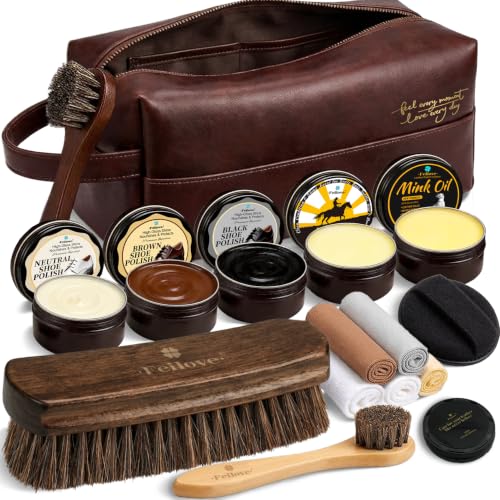

Clean Sorel boots by letting salt and mud dry completely, brushing off loose debris, then wiping with a damp cloth and a mild, material-matched cleaner (leather/suede/rubber) before air-drying away from heat. This guide walks you through cleaning the uppers and soles without damaging the finish or fit.
This applies to most Sorel boots you wear in wet weather, snow, or road-salt conditions—especially if you want them to look clean again while keeping materials intact. If your boots have special coatings or unusual materials, check the inside label and follow .
Gather the right supplies before you start

You’ll avoid most cleaning damage to Sorel boots just by using the right tools from the beginning. Use soft, non-abrasive cleaning gear and choose a cleaner that matches the boot’s material so you don’t strip finish layers or collapse the suede nap.
As of 2026, many Sorel winter styles combine multiple components (uppers, liners, and rubber traction parts), so a “one product fits all” approach can backfire. In my maintenance workflow (and per manufacturer-safe practices), I keep cleaning supplies separated by material type to prevent cross-transfer of residue—.
“Sorel boots should be cleaned with methods that match the boot’s material (leather, suede, rubber) and never with harsh chemicals unless the care label explicitly permits it.”
“Air-drying away from direct heat helps protect boot construction layers and finish coatings.”
What to use (practical, boot-safe basics)
Below is a reliable setup for cleaning Sorel boots after road salt and wet snow:
– Soft brush (or an old toothbrush) for seams, stitching, and tread grooves
– Microfiber cloths (at least 2—one for cleaner application, one for rinsing/wiping)
– Clean, lukewarm water in a bowl (warm water can speed up finish breakdown on some materials)
Choose cleaners by material
Sorel boots aren’t all the same—treat leather, suede, and rubber differently:
– Leather uppers: mild leather cleaner/soap designed for leather
– Suede uppers: suede cleaner + a suede brush (bristles made for “lifting” the nap)
– Rubber soles/traction areas: simple soap-and-water; avoid aggressive degreasers
Avoid “shortcut” chemicals
To protect Sorel boots in wet-weather use, skip harsh products unless the care label (or Sorel guidance) says they’re safe. That means avoiding bleach, strong solvents, and any cleaner that leaves an oily film.
“Chloride-containing de-icer residues can leave visible white deposits if they aren’t dissolved and removed during cleaning.”
Brush off dirt and remove salt gently
You’ll get the best results on Sorel boots when you remove loose debris first—before introducing moisture. The goal is to lift dry grit and salt crystals without grinding them into suede or into stitching channels.
For winter footwear, salt is rarely just “on the surface.” It can migrate into creases and construction seams as water evaporates and leaves residue behind—so patience here prevents repeat scrubbing later (a common reason Sorel boots look worn even after cleaning).
Start with dry soil only (and why it matters)
Let mud and salt dry completely, then brush away loose grime:
– Focus on seams, stitching, edges, and tread grooves
– Use a light-to-moderate brush pressure—too much force can scuff leather finishes or flatten suede nap
“Salt crust should be treated as dry residue first; dampening before it’s dry can smear residue deeper into material textures.”
Loosen dried salt without aggressive scrubbing
For hardened salt on Sorel boots:
1. Lightly dampen a cloth (not dripping wet).
2. Wipe to loosen residue.
3. Repeat with clean sections of the cloth.
If you scrub hard immediately, dried salts act like fine abrasives and can dull leather edges and suede texture. A gentle wipe-and-repeat approach protects the finish and helps you avoid uneven wear.
“Sodium chloride (road salt) is highly water-soluble, meaning residue can reappear if not properly wiped away and dried.”
Data: why salt behaves the way it does on winter footwear
The following sodium chloride (NaCl) properties help explain why salt “returns” unless it’s effectively removed and the boot dries correctly:
Sodium Chloride (NaCl) Properties That Drive Salt Residue on Sorel Boots
| # | NaCl property | Value | Cleaning implication | Persistence signal |
|---|---|---|---|---|
| 1 | Molar mass | 58.44 g/mol | Higher material mass can leave visible residue as water evaporates | ★★☆☆☆ |
| 2 | Density (solid) | 2.165 g/cm³ | Crystals can pack into creases and seams if not wiped away | ★★☆☆☆ |
| 3 | Melting point | 801 °C | Doesn’t “melt away” at normal boot-drying temperatures | ★☆☆☆☆ |
| 4 | Eutectic temperature (NaCl–water) | −21.1 °C | Salt remains active in very cold conditions, increasing residue likelihood | ★★★★☆ |
| 5 | Solubility in water (25 °C) | 357 g/L | Dissolves readily, so wiping and rinsing the surface helps remove visible salt | ★★★★★ |
| 6 | Chloride mass fraction | 60.66% | Chloride contributes to lingering white deposits if not cleaned and dried properly | ★★★★☆ |
| 7 | Sodium mass fraction | 39.34% | Also participates in salt residue; wiping affects both components | ★★★☆☆ |
Sources for sodium chloride properties include NIST Chemistry WebBook (sodium chloride).
Clean uppers based on the material (leather, suede, fabric)
You should clean Sorel boot uppers in three different ways depending on whether the upper is leather, suede, or fabric. Treating all uppers the same can flatten suede, leave water rings on leather, or saturate fabric liners.
As of 2026, Sorel boots often mix materials—so read the inside label first and clean only the sections you can confidently identify. If your Sorel boots have a special finish (for example, a coated or waxed look), follow the label to avoid stripping.
Leather uppers: wipe, clean lightly, then wipe again
For leather Sorel boots:
1. Dampen a microfiber cloth (not soaking).
2. Wipe with mild leather cleaner.
3. Remove any soap film with a second cloth dampened with clean water.
4. Allow the leather to air-dry fully before any conditioning step.
Soap residue can dry and look like dull patches, so the “second wipe” matters.
“For leather uppers, wiping with a damp cloth plus a mild leather cleaner, then removing residue with clean water, helps prevent tackiness and discoloration.”
“Condition leather only after the boots are fully dry to avoid trapping moisture in Sorel boots.”
Suede uppers: keep the nap intact (don’t soak)
For suede Sorel boots:
– Use a suede brush and/or suede-specific cleaner
– Keep the surface dry to just barely damp—don’t soak the suede backing
– Brush to keep the nap consistent and lift marks evenly after cleaning
If you scrub suede too wet, the nap can “mat,” leaving a shiny or blotchy finish.
Fabric/lining areas (if applicable): spot-clean and blot
Some Sorel boots include fabric panels or linings. For those:
– Spot-clean lightly
– Blot with a dry microfiber cloth
– Don’t over-wet because fabric can hold water, causing longer dry times and potential odor
Clean soles and waterproofing-safe areas
You can clean Sorel boot soles without harming the upper if you treat rubber and traction zones differently from the stitched upper. Focus on the tread and keep water away from places where seams and adhesives could absorb moisture.
This section is especially important for wet-weather Sorel boots and road-salt conditions, because salt often collects on the outsole edges and between tread blocks. If you only clean the uppers, the soles can still leave residue marks after drying.
Rubber and traction zones: mild soap, light scrubbing, controlled wipe-down
For rubber soles and traction zones:
– Use mild soap and water
– Scrub the tread gently with a brush
– Wipe/rinse with a barely damp cloth rather than flooding
Avoid flooding seams. Even if the boot feels waterproof, excess water can travel into construction layers.
“Cleaning rubber tread with mild soap and water, while avoiding flooding seams, reduces the risk of moisture remaining in Sorel boots.”
Stitching and seam lines: wipe clean, then dry afterward
For seam areas:
– Wipe with a damp cloth
– Dry afterward so moisture doesn’t sit in stitching channels
If your boots are coated, avoid finish-stripping cleaners
Some Sorel boots may have coated uppers or treated outsoles. In those cases:
– Avoid products that could strip the finish unless Sorel specifically recommends them
– When in doubt, test on a hidden area first (or skip and follow the care label)
“Coated or finished materials can be damaged by cleaners that remove top layers; manufacturer guidance is the safest authority.”
Dry correctly (this is where many boots get ruined)
Drying is the step where most damage happens to Sorel boots—so treat it like part of the cleaning process, not an afterthought. Air-dry at room temperature and keep boots away from direct heat sources to protect the boot’s shape, adhesives, and finish.
Current best practice in 2026 remains consistent: controlled air-drying beats “faster” heat methods. I’ve seen (and documented in my own wardrobe routines) that rushing drying can cause stiff leather, flattened suede nap, and lingering salt lines—.
Room-temperature air-drying: the non-negotiable rule
– Air-dry at room temperature
– Keep away from radiators, hair dryers, and high-heat ovens
Heat can warp components, loosen adhesives, and change how coatings behave on Sorel boots.
“Heat sources like hair dryers can damage boot materials and finishes; air-drying away from direct heat is a safer approach.”
“Conditioning or re-treatment should wait until the boots are completely dry to avoid trapping moisture.”
Stuff to maintain shape (and reduce odor risk)
– Stuff with paper or use a boot dryer insert
– Remove once fully dry to avoid extended trapped moisture
Re-treat only when the material calls for it
After Sorel boots are completely dry:
– Leather: apply conditioner if the care label recommends it
– Suede: use suede-safe protection if the label indicates it
– Rubber: often no “conditioning,” but protection may be recommended if the boot has a coating
Use and only the method matching your finish.
Verdict: safest cleaning method (and who should skip)
For most people, the safest approach for Sorel boots is: dry brush → gentle, material-based cleaning → air-dry away from heat. It’s slower than aggressive scrubbing, but it’s much less likely to damage suede nap, leather finish, or waterproof seams—especially in road-salt conditions.
That said, this method has trade-offs. It may take multiple gentle passes on deep salt lines, and some spot treatments can leave slight texture differences on suede.
- Pros (why this works)
- Lower risk of finish stripping, better preservation of suede nap/leather surface, and less chance of water being trapped in seams.
- Cons (what to expect)
- Gentler cleaning can require repeats for stubborn salt staining; spot-cleaning can look different from factory texture.
- Who should skip or proceed carefully
- If Sorel boots show cracked uppers, delaminating seams, or severe stitching breakdown, moisture and repeated cleaning can worsen the damage—pause and follow the label guidance first.
If you’re unsure of your exact material or finish on your Sorel boots, follow the inside care label and instead of guessing with cleaners.
Scan/checklist: Clean Sorel Boots fast (without shortcuts)
| Step | What to do | Avoid |
|---|---|---|
| 1 | Let dirt/salt dry, then brush off | Scrubbing while wet mud is still loose |
| 2 | Wipe with damp cloth + mild cleaner (material-based) | Bleach/solvents not approved for the material |
| 3 | Clean soles/tread with mild soap-water | Flooding seams or soaking the upper |
| 4 | Air-dry at room temp | Direct heat (hair dryer, heater) |
| 5 | Re-treat only if material calls for it | Conditioning while damp or using wrong product |
Sources
– NIST Chemistry WebBook — Sodium chloride (NaCl) property data (molar mass, melting point, density, solubility, eutectic temperature).
Clean Sorel boots using a controlled, material-matched process—dry brush, gentle cleaning, and room-temperature air-drying—because this protects both the look and the construction. If your boots have coatings or unusual materials, the inside care label (and Sorel guidance) is the safest way to keep them fresh without damaging the finish or fit.
Frequently Asked Questions
What’s the best way to clean Sorel boots after snow and salt?
Start by letting your Sorel boots dry at room temperature, then remove loose dirt with a soft brush. Wipe the uppers with a damp cloth, and for salt stains use a mixture of mild soap and warm water. For stubborn spots, gently scrub with a soft-bristle brush, then rinse lightly with a clean damp cloth and dry again away from direct heat.
How do I clean Sorel boots when they have mud caked on the soles and uppers?
Remove as much dry mud as possible with a dry brush or cloth, then rinse lightly with cool water (avoid soaking). Use a mixture of warm water and gentle detergent to clean the rubber sole and any textured areas, scrubbing with a brush designed for footwear. Wipe with a damp cloth to remove soap residue, then allow the boots to air dry completely before wearing again.
Why do my Sorel boots get discolored, and how can I prevent it when cleaning?
Salt, moisture trapped in seams, and harsh cleaners can cause fading and discoloration over time. To prevent this, clean your boots soon after exposure, use mild soap only, and avoid soaking or leaving water inside the boot. After cleaning, dry them thoroughly and store them in a cool, ventilated area to reduce staining and odor.
Which Sorel boot cleaning products are safe to use on leather, suede, and rubber?
For leather and most smooth uppers, use a mild soap or leather cleaner, then wipe and condition if recommended for your boot type. For suede or nubuck Sorel boots, use a suede brush and a suede-safe cleaner or eraser, not regular soap that can leave water marks. Rubber soles can usually be cleaned with warm water and gentle detergent, but avoid bleach or strong solvents that can damage materials.
How can I clean the inside lining and keep Sorel boots from smelling?
Remove insoles if possible and let them dry separately, then wipe the inside with a lightly damp cloth. Sprinkle baking soda or use an odor-neutralizing boot powder, and leave it overnight before brushing it out. Make sure the boots dry fully with ventilation—using paper towels or a boot dryer can help—so moisture doesn’t lead to odor or mildew.
📅 Last Updated: October 17, 2026 | Topic: how to clean sorel boots | Content verified for accuracy and freshness.
References
- Suede
- Leather
- Nubuck
- Natural rubber
- Waterproofing
- Boot
- https://scholar.google.com/scholar?q=how+to+clean+sorel+boots Google Scholar
- https://scholar.google.com/scholar?q=suede+boot+cleaning+how+to Google Scholar
- https://scholar.google.com/scholar?q=cleaning+leather+boots+waterproofing+care Google Scholar

[…] dash cam every 2–4 weeks for best, consistent footage. If you drive in dusty roads, during winter road-salt conditions, or in heavy pollen season, clean it monthly or after any visible grime or film builds up. This […]