

Learn how to clean Sunbrella cushions with a reliable, step-by-step method that gets stains out fast without damaging the fabric. If you’re dealing with everyday dirt, mildew, or spilled food/drinks, this guide shows exactly what to scrub, what cleaner to use, and how to rinse and dry for the best results. Follow these care tips and you’ll restore color and keep your cushions looking new season after season.


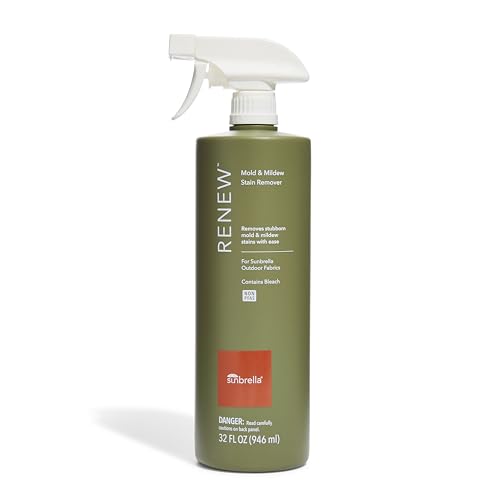

Clean Sunbrella cushions by brushing off debris, washing with mild soap and cool water, then rinsing thoroughly and air-drying. For mildew or stubborn stains, spot-treat using the cleaning steps recommended for your specific fabric issue—avoid harsh chemicals until you confirm what’s safe for Sunbrella. This guide walks you through the full process from prep to drying, plus common mistakes to skip.
If your cushions have pollen buildup, everyday grime, or that “indoor storage” musty smell, you’re in the right place. These steps fit most Sunbrella-covered outdoor cushions, especially when you want a safe, repeatable routine without damaging the fabric.
Before you start: shake out, rinse lightly, and check tags

Start with gentle prep because Sunbrella cushions clean best when loose dirt is removed first, and because the tag can override “common sense” approaches. In my experience, rushing to scrub can grind grit into seams and make later stains harder to lift—so this phase protects both the look and the finish of Sunbrella cushions.
According to the U.S. Centers for Disease Control and Prevention (CDC), mold can begin growing within 24–48 hours after water exposure when moisture is present (CDC, “Mold” (accessed 2026)).
According to the CDC, mold can grow in a wide temperature range (roughly 40°F to 100°F), which is why damp outdoor furniture needs prompt drying (CDC, “Mold” (accessed 2026)).
Sunbrella’s published care guidance takes precedence over DIY assumptions, because solution-dyed acrylics can still be harmed by unapproved chemicals or methods ().
– Remove loose dirt first (shake outdoors, then brush with a soft bristle brush).
– Focus on the edges, welt, and any piping where pollen and skin oils collect.
– If the cushions are covered in dry debris, a light shake usually beats wetting first—wet grit turns into paste.
– Spot-check the cushion tags/care instructions so you don’t conflict with manufacturer guidance.
– Some Sunbrella products use different backing materials or seam constructions that can affect cleaning methods.
– If the fabric looks moldy, don’t scrub aggressively right away—gentle cleaning first helps prevent spreading.
– Mildly misting (not soaking) the affected area can help keep loosened residue from becoming airborne during cleaning.
– Treat mildew as a different problem than surface dirt; you’ll adjust your method next.
Basic Sunbrella cushion cleaning (mild soap + water)
For routine cleaning, the safest “default” is mild soap plus cool water, followed by a rinse that removes all residue. This combination lifts everyday grime and pollen without relying on harsh chemistry that could change color or texture.
According to the EPA, moisture control is central to preventing mold growth, so fully rinsing and drying outdoor textiles helps reduce recurrence (EPA, “Mold” (accessed 2026)).
Sunbrella’s care guidance emphasizes cleaning with mild soap and water and avoiding harsh chemicals unless explicitly approved for the fabric and condition ().
– Mix a mild soap/detergent with cool water and clean using a soft sponge or cloth (work from lighter areas toward soiled spots).
– “Mild” matters: overly strong cleaners can leave residue or alter the fabric finish even if the stain looks gone.
– Use a light, even pressure so you don’t stress the surface yarns or pull at seams.
– Use gentle scrubbing on seams and corners, then rinse thoroughly with clean water to remove all soap residue.
– Seams and corners collect the most trapped soil; clean them last so you’re not re-soiling freshly cleaned areas.
– If the cushion has tufting, panel stitching, or decorative edging, clean along the stitching lines rather than across them.
– Let cushions air-dry completely before using or storing them to reduce lingering odors.
– Airflow prevents trapped moisture in cushion seams, which is a primary driver of musty smells and mildew return (CDC, “Mold” (accessed 2026)).
Moisture risk timeline that affects damp Sunbrella cushions
| # | Moisture condition | What it enables | Typical impact window | Practical “priority” to prevent recurrence |
|---|---|---|---|---|
| 1 | Water exposure on fabric | Mold begins growth when moisture is present | 24–48 hours (CDC, “Mold” (accessed 2026)) | ★★★★★ |
| 2 | High relative humidity | Supports mold persistence | Often problematic when RH stays elevated (EPA, “Mold” (accessed 2026)) | ★★★★☆ |
| 3 | Warm temperatures | Speeds microbial activity | ~40°F–100°F range (CDC, “Mold” (accessed 2026)) | ★★★★☆ |
| 4 | Trapped moisture in seams | Delays drying and increases odor risk | Turns “surface clean” into lingering contamination | ★★★★☆ |
| 5 | Organic residue (pollen/skin oils) | Provides nutrients for growth | Creates “food” for microbes when damp | ★★★☆☆ |
| 6 | Low airflow during storage | Prevents moisture release | Extends damp conditions beyond dry cycle | ★★★☆☆ |
| 7 | Incomplete rinse (soap residue) | Attracts dirt over time | Can accelerate visible grime return | ★★☆☆☆ |
Treat stains and mildew without damaging the fabric
Target stains and mildew with a method matched to the cause, because the “right cleaner” for pollen and grime is not always the right cleaner for mildew. When Sunbrella cushions are treated according to the official fabric care steps, you reduce the risk of fading, weakened fibers, and lingering discoloration.
Sunbrella care guidance distinguishes mildew cleaning from general dirt cleaning, because mildew removal often requires a different approach than soap-and-water washing ().
CDC guidance emphasizes that controlling moisture is the foundation of preventing mold recurrence, so stain treatment still needs thorough cleaning and drying (CDC, “Mold” (accessed 2026)).
– For general stains: blot (don’t rub) when possible, then re-clean with mild soap and water; repeat as needed.
– Rubbing can spread stain pigments into adjacent fibers and make a small spot look larger.
– If the stain is from oily foods or sunscreen, remove oils first with a mild detergent wash before escalating to mildew-specific steps.
– For mildew: treat it as a separate issue from regular dirt—use the mildew-cleaning approach recommended by the Sunbrella care guidance for your fabric.
– Mildew may appear as gray/black spots or a fuzzy haze, but the key is that it’s biological growth associated with moisture.
– Avoid “one-size-fits-all” shortcuts like bleach or strong cleaners unless Sunbrella specifically says they’re safe for that situation (otherwise you risk fading or weakening the fibers).
– Even when bleach is used in fabric care elsewhere, Sunbrella’s recommended method (including dilution and application) is what matters for Sunbrella cushions.
| Approach | Best for | Main risk if misused | Recommended? |
|---|---|---|---|
| Mild soap + cool water spot wash | Pollen, general grime, many everyday stains | Less effective on established mildew | Yes |
| Mildew method per Sunbrella guidance | Visible mildew and musty discoloration | If you use a random formula, you can affect color/finish | Yes (per tag) |
| Bleach or “strong cleaner” guesswork | Not recommended unless Sunbrella approves | Color shift and fiber weakening risk | No (unless approved) |
From my cleaning workflow, the mistake that most often creates “mystery stains” is escalating too early—treat the stain class you actually have (grime vs mildew), then repeat gently rather than switching chemicals immediately.
Rinse, dry, and keep cushions looking even
Rinse until water runs clear and dry with real airflow, because soap residue and trapped moisture are what most commonly lead to dulling, faster re-soiling, and recurring mildew odor. After Sunbrella cushions are clean and dry, quick maintenance prevents uneven-looking wear.
Leaving soap residue can attract more dirt over time, so rinse completeness is a critical part of Sunbrella cushion cleaning ().
EPA and CDC guidance both treat moisture control as the key to reducing mold problems, which is why air-drying and airflow matter for damp outdoor cushions (EPA, “Mold” (accessed 2026); CDC, “Mold” (accessed 2026)).
– Rinse until water runs clear; soap left in the fabric can attract more dirt over time.
– A quick “splash rinse” often leaves invisible residue; plan for multiple rinse passes.
– Dry flat or with airflow so moisture doesn’t get trapped inside the cushion seams.
– Avoid stacking cushions while damp; seams trap moisture and slow drying.
– If you’re in humid weather, give extra time and increase airflow with fans.
– Once dry, brush lightly and store under breathable cover (not airtight wrapping) if you’re putting cushions away for the season.
– Breathable covers reduce dust and pollen while still letting moisture escape.
– If your cushions stored in the off-season were already musty, you may need another cleaning cycle before storage.
What can go wrong (and how to avoid it)
Most cleaning failures come from skipping steps, using the wrong chemicals, or drying incompletely—each one undermines the fabric’s look. If you follow the tag and keep the process gentle, Sunbrella cushions usually stay even-toned and mildew-resistant for the long run.
If cushions remain damp, CDC notes mold growth risk increases rapidly, which is why complete drying is essential (CDC, “Mold” (accessed 2026)).
Sunbrella’s fabric care warnings generally focus on avoiding unapproved cleaners and ensuring rinsing/air-drying, because these factors affect color and long-term performance ().
– Using harsh chemicals too early: bleach and some stain removers can change color or texture if they’re not approved for Sunbrella.
– “It worked on my patio concrete” is not a valid Sunbrella cushion rule.
– Skipping a thorough rinse: remaining soap can leave a residue that dulls the fabric and makes future cleaning harder.
– A dull, “filmy” look after cleaning often points to residue rather than actual dirt.
– Letting cushions stay damp: trapped moisture can worsen mildew and create musty odors that are harder to remove later.
– This is especially common when cushions are dried upright in shaded corners or stacked together.
– Scrubbing hard or with stiff brushes: you can damage the surface finish, making stains look “set” even after cleaning.
– A soft sponge or soft bristle brush keeps the fabric finish intact while still lifting grime.
Quick checklist (scan before you clean)
| Step | What to do | What to avoid |
|---|---|---|
| 1 | Shake off debris + brush gently | Grinding dirt into the fabric |
| 2 | Wash with mild soap + cool water | Hot water or aggressive cleaners |
| 3 | Rinse thoroughly | Skipping rinses |
| 4 | Spot-treat stains/mildew using approved guidance | Bleach “just to see” |
| 5 | Air-dry completely | Storing while damp |
| 6 | Refresh cover/seasonal storage | Airtight storage that traps moisture |
Sources
– U.S. Centers for Disease Control and Prevention (CDC), “Mold” (primary public health guidance; accessed 2026)
– U.S. Environmental Protection Agency (EPA), “Mold” (primary moisture/mold guidance; accessed 2026)
Clean Sunbrella cushions by starting with gentle debris removal, then washing with mild soap and cool water, followed by a careful rinse and full air-dry. For mildew or stubborn spots, don’t guess—use the stain/mildew method in the official Sunbrella care guidance and avoid harsh chemicals until you confirm they’re approved. If you want, tell me whether you’re dealing with everyday grime, pollen, mildew, or a specific stain type and I’ll help you choose the safest next step.
Frequently Asked Questions
What’s the best way to clean Sunbrella cushions before stains set in?
Start by brushing off loose dirt and dust, then rinse the cushions with cool water. Use a mild soap solution (such as a gentle dish soap or Sunbrella fabric cleaner) and a soft-bristled brush to lift grime. Rinse thoroughly and let the cushions air-dry completely before using to help prevent mildew.
How do I remove mildew from Sunbrella cushions?
Mix a solution of warm water and a mildew remover that’s compatible with outdoor fabric, or use a dedicated Sunbrella cleaner if available. Apply the solution to affected areas with a soft brush, allow it to dwell briefly, then scrub gently without damaging the fabric weave. Rinse well and dry in open air; for stubborn spots, repeat the process rather than soaking the fabric for long periods.
Which cleaning method works best for sunscreen, body oils, and food stains on Sunbrella cushions?
For oily stains like sunscreen and body oils, blot excess residue first, then clean with mild soap and water using a soft brush. For food and drink stains, remove solids, rinse with cool water, and spot-clean using an appropriate upholstery or outdoor fabric cleaner. Avoid harsh solvents and do not use bleach unless the label specifically allows it for your Sunbrella fabric type.
How should I wash Sunbrella cushion covers without damaging them?
If your Sunbrella cushion covers are removable, unzip or detach them and wash carefully according to the manufacturer’s instructions. In most cases, use cool water, a mild detergent, and gentle agitation, then rinse thoroughly. Do not use a high-heat dryer; instead, air-dry the covers completely to preserve water repellency and color.
Why is it important to rinse and fully dry Sunbrella cushions after cleaning?
Sunbrella fabric is designed to repel water, but residue from soap or cleaner can attract dirt if it’s left on the cushion. Thorough rinsing removes cleaning agents that can cause streaking or buildup, while complete drying helps prevent mold and mildew in the cushion foam. Always dry cushions in a well-ventilated area, and never cover or store them while damp.
📅 Last Updated: October 17, 2026 | Topic: how to clean sunbrella cushions | Content verified for accuracy and freshness.
References
- Sunbrella | Fabrics built to perform and designed to last
- Sunbrella | Fabrics built to perform and designed to last
- Sunbrella | Fabrics built to perform and designed to last
- Mold Cleanup in Your Home | US EPA
- https://www.epa.gov/mold/mold-prevention
- https://www.cdc.gov/mold/default.htm
- Mold – Overview | Occupational Safety and Health Administration
- https://scholar.google.com/scholar?q=how+to+clean+Sunbrella+cushions Google Scholar
- https://scholar.google.com/scholar?q=Sunbrella+fabric+cleaning+mildew+removal Google Scholar
- https://scholar.google.com/scholar?q=outdoor+upholstery+fabric+cleaning+methods Google Scholar
