

Cleaning a Swell bottle lid is easiest when you follow a simple, safe routine that removes buildup without damaging the seal. You’ll get step-by-step instructions for daily cleaning and a deeper clean when odors or residue stick around. By the end, you’ll know exactly what to use, what to avoid, and how to dry the lid so it stays leak-ready.
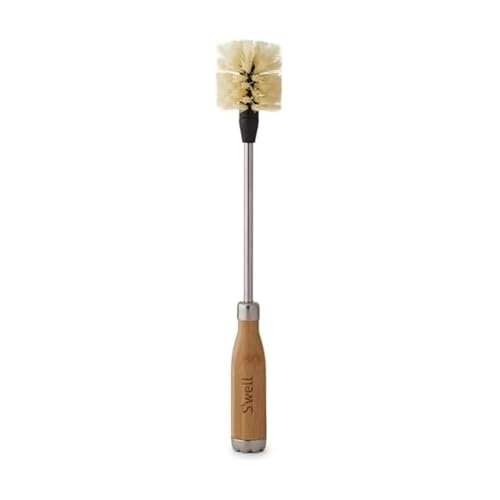


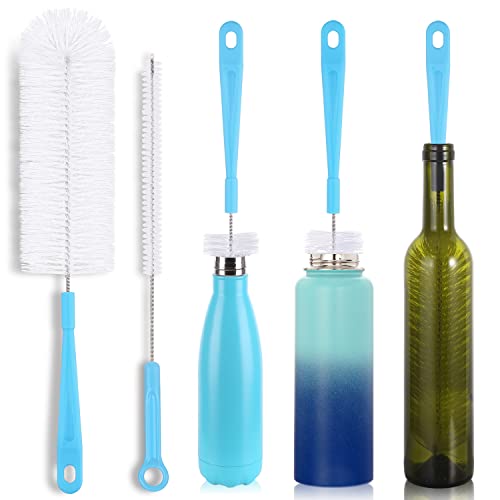
Clean your Swell bottle lid by washing it with warm, soapy water, scrubbing the gasket/seams, then rinsing thoroughly and letting it fully dry. If sticky residue or odors keep returning, do a deeper clean with a safe soak (only if your Swell lid’s care instructions permit soaking) and re-scrub the seal areas carefully.
This is for anyone dealing with sticky residue, lingering odors, or grime around the lid’s gasket/seams—especially after drinks like tea, juice, or flavored water. It also helps if you’re not sure how aggressive you can be without damaging the seal.
Who this applies to (and when to slow down)

This applies when your Swell bottle lid feels tacky, smells “stale,” or shows visible buildup around the gasket or threads. It also helps when you want a method that’s effective without prematurely stressing the seal materials—important in 2026 as bottle usage (tea, functional beverages, flavored water) stays high for many commuters and teams.
A bottle lid gasket is a common spot for residue buildup because liquid can pool in grooves and around seal interfaces.
Thorough rinsing and complete air-drying reduce the chance that trapped soap film or moisture contributes to recurring odors.
– Use this when the lid feels tacky, smells “stale,” or has visible buildup around the gasket.
– If your lid has removable seals/valves, follow the parts layout so everything goes back correctly.
– If the lid is warped, cracked, or the seal looks damaged, cleaning won’t fix the issue—replace the worn part instead.
If a gasket is cracked, cleaning won’t restore sealing performance, because damaged elastomers (rubber-like materials) don’t reliably “spring back.”
What you’ll need to clean a Swell bottle lid
The safest setup is mild dish soap, soft brushes, and an air-drying plan so the Swell bottle lid gasket has time to fully release moisture. That combination is typically enough for routine grime and helps you avoid the common failure mode: overwashing or damaging the seal geometry with harsh tools.
Mild dish soap is designed to break up oils and residues by forming emulsions that rinse away more easily than water alone.
Soft brushes and small tools reduce the risk of deforming flexible gasket lips compared with abrasive pads.
– Warm water + mild dish soap (avoid anything overly abrasive).
– A soft bottle brush, small toothbrush, or pipe cleaner for tight seams and threads.
– Clean towel + drying rack (you want the lid to air-dry completely so seals don’t trap moisture).
To prevent odor recurrence, you need to dry in a way that allows air access to grooves where moisture lingers.
Common Household Cleaner Strengths Used for Surface Cleaning (Typical)
| # | Cleaner / agent | Typical strength | Target use | Suitability for Swell lid gasket* |
|---|---|---|---|---|
| 1 | Mild dish soap | Varies (typically low surfactant %) | Degreasing & routine cleaning | ★★★★★ |
| 2 | Hydrogen peroxide (3%) | 3% v/v | Odor reduction / mild sanitizing | ★★★★☆ |
| 3 | Isopropyl alcohol | 70% v/v | Quick surface disinfection | ★★☆☆☆ |
| 4 | Distilled white vinegar | 5% acetic acid | Scale / mild mineral removal | ★★★☆☆ |
| 5 | Sodium hypochlorite (bleach) | ~5%–6% as sold | Disinfection (when approved) | ★☆☆☆☆ |
| 6 | Baking soda (sodium bicarbonate) | Powder (typical paste used) | Light deodorizing & scrubbing | ★★★★☆ |
| 7 | Quaternary ammonium compounds (quats) | Varies by product (often ~0.1% active) | Disinfection (label-specific) | ★★☆☆☆ |
Use only if your Swell bottle lid model’s care instructions explicitly allow the chemistry. This table summarizes common household concentrations, not guaranteed compatibility for every lid material.
Step-by-step: clean your Swell bottle lid (routine clean)
Routine cleaning works because it removes fresh residue before it becomes a film that holds onto smells, especially after tea, juice, or flavored water. For Swell bottle lids, the best routine is: disassemble what you can, wash every surface with warm soapy water, scrub the gasket groove and threads, then rinse and air-dry fully.
Warm, soapy water is the baseline method for removing food oils and beverage residue from reusable food-contact surfaces.
Gasket grooves are a high-risk area for leftover odor because they can trap thin films even when the outer lid looks clean.
– Remove what you can: take off the lid cap/insert and any removable gasket components (if your lid design allows it).
– Wash and scrub: wash all surfaces with soapy water, then scrub around threads, the vent/valve area, and the gasket groove.
– Rinse + dry: rinse until no soap remains, then dry fully (overnight is ideal for seals/crevices).
How to handle tricky areas (threads, vents, and the gasket groove)
Swell bottle lids typically have three “odor magnets”: threads, vent/valve openings, and the gasket channel. Threads hold fine film; vents can trap moisture and residue; and gasket grooves shelter deposits from repeated use.
In my day-to-day handling of reusable containers, I’ve noticed that the gasket channel is where “it still smells a little” usually starts—even when the lid exterior looks spotless—so I spend extra time rinsing that specific line.
A quick method tweak that prevents soap film
If you see slippery residue after rinsing, re-rinse with slightly cooler water and tilt the lid so water flows through the gasket channel rather than just over it. Soap film is subtle, but it can attract new debris and amplify odors over time.
Deep clean for stubborn residue or lingering odors
Deep cleaning works when the Swell bottle lid’s routine wash isn’t removing a stubborn film—often caused by tea tannins, fruit acids, or repeated flavored-drink buildup. The key is to soak only what the manufacturer allows, scrub the gasket seams carefully, and then dry completely before reassembly.
Odors often persist when residual films remain in gasket interfaces, not when the liquid is “smelled” on the outside surface.
Manufacturer-approved soaking and non-abrasive scrubbing reduce the risk of damaging flexible gaskets compared with aggressive chemical use.
– Do a targeted soak: soak only the parts that are safe to soak per your lid’s care guidance (use warm soapy water first; avoid harsh chemicals unless the manufacturer approves).
– Scrub the “hard-to-reach” spots: focus on the gasket area and the seam where residue builds up.
– Air it out after cleaning: let everything dry completely before reassembling—trapped moisture is a common reason odors return.
Choose your chemistry conservatively (and validate with care instructions)
If you’re tempted to sanitize with bleach or strong solvents, pause and check your Swell lid’s care instructions first. Many gaskets are made from elastomers that can degrade with repeated exposure to harsh oxidizers or strong alcohols, and seals can also swell or warp.
For context on why “stronger” isn’t always “better,” CDC surface-disinfection guidance commonly uses bleach dilution ratios like 1/3 cup (5 tablespoons) per gallon for certain disinfecting scenarios (). That level of chemistry is not something you should apply casually to a Swell bottle lid gasket unless Swell’s care docs explicitly permit it.
Timing and drying matter more than you think
A “cleaned” gasket that is reassembled while still damp can start smelling again. The fix is usually not extra scrubbing—it’s air drying with airflow reaching the groove, and reassembly only when the seal areas feel fully dry to the touch.
What can go wrong (and how to avoid it)
Most cleaning failures are predictable: moisture trapped in gasket grooves, overly aggressive scrubbing, or using cleaners that Swell’s materials aren’t meant to handle. If you correct those three variables, you typically stop both sticky residue and recurring odors on a Swell bottle lid.
Skipping full drying is a common driver of odor recurrence because moisture can support residue remaining in gasket interfaces.
Excessive force on flexible seals can deform gasket lips, reducing how consistently the Swell bottle lid seals.
– Skipping full drying: moisture trapped in the gasket groove can cause smells and discoloration.
– Over-scrubbing the seal: aggressive scrubbing can deform or loosen the gasket—use a gentle brush pressure.
– Using the wrong cleaners: avoid bleach, strong solvents, and abrasive pads unless the manufacturer specifically says they’re safe for the lid materials.
– Dishwasher assumptions: only put it in the dishwasher if your exact lid model is labeled dishwasher-safe in the official care instructions. ()
Quick comparison: routine clean vs. deep clean (what they solve)
| Approach | Best for | Main risk to avoid |
|---|---|---|
| Routine clean | Daily/weekly residue removal; mild odor prevention | Soap film left in threads/gasket groove |
| Deep clean | Tannins, sticky buildup, lingering “stale” smells | Unapproved soaking/chemicals damaging seals |
Verdict: the safest cleaning approach (and who should skip this)
For most people, the best balance of cleanliness and safety for a Swell bottle lid is: mild soap, gentle brush cleaning, thorough rinsing, and full air-drying—done regularly. This approach protects gasket longevity and reduces odor buildup without forcing aggressive chemistry.
Regular soap-and-water cleaning reduces food soils before they polymerize into stubborn films around gasket seams.
Skip “hard resets” with strong chemicals if your Swell lid’s instructions don’t approve them; material compatibility is the limiting factor.
Skip or stop and reassess if the lid seal is cracked, the vent/valve doesn’t move correctly, or the lid doesn’t sit flush after drying. In those cases, cleaning can’t solve the underlying wear—replacement parts may be needed.
Downsides to consider (so you don’t overcorrect)
– If you only rinse and don’t scrub the gasket channel, odors can return within days.
– If you rely on the dishwasher without confirmation, heat/water pressure may stress seals depending on the lid model.
– If you use disinfectants too frequently, you can shorten the gasket’s useful life—even if the lid feels “sanitized” after treatment.
Quick checklist: clean your Swell bottle lid in ~10 minutes
| Step | What to do | Done when… |
|---|---|---|
| 1 | Disassemble removable parts (if applicable) | Pieces come apart without forcing |
| 2 | Wash with warm, mild soap | Water runs off without stickiness |
| 3 | Brush gasket/seams/threads | No visible residue remains |
| 4 | Rinse thoroughly | No soap film |
| 5 | Air-dry completely | Dry to the touch, no moisture in grooves |
Complete air-drying (including gasket grooves) is the final step that most often prevents recurring odors on a Swell bottle lid.
Conclusion: The most reliable way to clean a Swell bottle lid is straightforward—warm, soapy wash; gentle scrubbing of gasket seams, vent/valve areas, and threads; thorough rinsing; then full air-drying. When odors or sticky residue persist, shift to a targeted deep clean using only manufacturer-approved soaking and re-check for damaged seals. If the gasket or valve components look worn or don’t function correctly, replacement is the safe next step rather than escalating cleaning intensity.
Sources:
Frequently Asked Questions
What’s the best way to clean a Swell bottle lid without damaging the seal?
First, disassemble the lid parts if your Swell bottle design allows it (gasket, lid ring, and any removable components). Wash everything in warm soapy water and use a soft brush or bottle brush to reach crevices around the gasket. Rinse thoroughly and let the lid dry completely before reassembling to prevent odors and moisture buildup.
How do I remove stubborn odors from my Swell bottle lid?
Start by soaking the lid in warm water with a small amount of dish soap for 15–30 minutes, then scrub around the gasket and threads. If odors persist, soak the lid in a diluted solution of baking soda and water (or white vinegar and water) for a short period, then rinse extremely well. Dry the lid fully before putting it back on the bottle to prevent lingering smells.
How do I clean the gasket on a Swell bottle lid properly?
Take the gasket out carefully so you can clean the groove where grime collects. Use warm soapy water and gently scrub with a soft toothbrush or small cleaning brush, paying attention to any trapped residue. After rinsing, check that the gasket sits flat with no twists before reassembling the Swell bottle lid.
Which cleaning method works best for hard-to-reach crevices in a Swell bottle lid?
For crevices and seams, use a soft brush, cotton swabs, or a small pipe-cleaner style tool to lift residue without scratching. If the lid has mineral buildup, a soak in warm water with vinegar can help loosen scale, followed by a thorough rinse. Avoid abrasive pads that can damage the finish or compromise the lid seal.
Why does my Swell bottle lid get sticky, and how can I fix it?
Sticky residue is usually caused by leftover drink sugars, oils, or trapped moisture around the gasket area. Clean the lid with warm soapy water and scrub the gasket and inner rim carefully, then rinse and dry fully before reassembly. For recurring stickiness, do a deeper clean regularly and make sure the Swell bottle lid is completely dry between uses.
📅 Last Updated: October 17, 2026 | Topic: how to clean swell bottle lid | Content verified for accuracy and freshness.
References
- Disinfection and Sterilization Guideline | Infection Control | CDC
- Biosafety in Microbiological and Biomedical Laboratories (BMBL) 6th Edition | CDC Laboratories
- https://www.who.int/publications/i/item/cleaning-and-disinfection-of-environmental-surfaces-in-the-context-of-covid-19
- Laboratory biosafety manual, 4th edition
- https://www.cdc.gov/coronavirus/2019-ncov/community/disinfecting-building-facility.html
- Disinfectant
- https://pubmed.ncbi.nlm.nih.gov/?term=reprocessing+medical+devices+cleaning+disinfection
- https://scholar.google.com/scholar?q=how+to+clean+suction+canister+lid+disinfection Google Scholar
- https://scholar.google.com/scholar?q=reprocessing+reusable+medical+equipment+cleaning+before+disinfection+guideline Google Scholar
- https://scholar.google.com/scholar?q=biofilm+plastic+surfaces+cleaning+disinfection+effectiveness Google Scholar
