

Want to know how to clean the rubber on Converse and make it look fresh again? This step-by-step guide gives you the fastest, safest method for removing dirt, scuffs, and discoloration without damaging the rubber. Follow it and you’ll get a noticeably cleaner sole in minutes, with no guesswork on what to use or how hard to scrub.


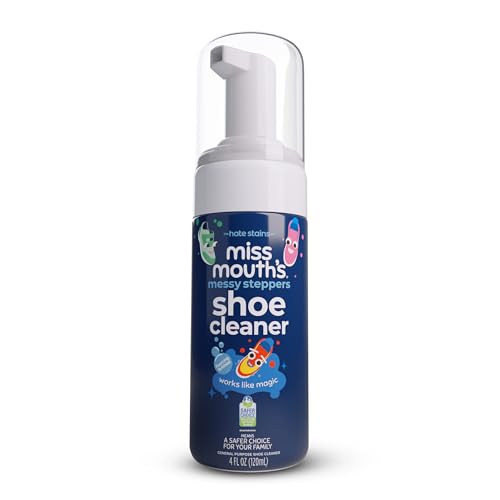

Scrub the rubber with a soft brush using warm water and mild soap first; it removes most scuffs without dulling the surface. If marks remain, follow up with a baking-soda paste or (carefully) a melamine “magic eraser,” then rinse and fully dry so grime doesn’t come right back—this is the most dependable workflow for Converse rubber in 2026.
If your Converse has gray dirt, yellowing edges, or stubborn black scuffs, this guide is for you—especially if you want a method that won’t wreck the rubber sheen. It’s also useful when you’re deciding between basic cleaning, deeper scrubbing, and an optional brightening pass.
Prep the shoe (so you don’t spread grime)

Start with prep because Converse rubber looks cleaner after the first rinse only if you don’t grind loose grit into the trim. The goal is to lift dry debris off the shoe, then lightly wet only the rubber areas so you can clean without spreading staining across canvas or stitching.
“Brushing off loose dry debris before wet cleaning reduces the chance of embedding dirt into rubber pores and surface texture.”
“Warm water and mild detergents are commonly recommended as first-line cleaning approaches for rubber and most footwear materials because they remove oils without aggressive oxidation.”
– Remove laces and brush off loose dirt with a dry soft brush.
– Wet only the rubber areas lightly (don’t soak the whole shoe). Light dampening helps soap spread and prevents streaking.
– Keep a clean cloth/rag and a bowl of warm water ready for rinsing.
Why this matters for Converse rubber: Rubber trim and outsoles pick up two kinds of residue: surface dust and oily grime from road/sidewalk contact. If you start with soap while dirt is still dry on the rubber, you effectively turn scuffs into paste—harder to remove and more likely to leave a haze on Converse rubber.
Basic cleaning for everyday scuffs
For most Converse rubber scuffs, warm soapy water + gentle circular brushing gives the best “clean look” with the least risk. In 2026, that still remains the safest first move because it targets typical gray marks without relying on harsh oxidizers.
“Mild detergents loosen dirt and reduce surface tension so grime lifts during rinsing, which is why soap-first workflows are the standard approach.”
“Air-drying away from direct heat helps prevent rubber whitening/hazing caused by heat stress and trapped moisture.”
– Mix mild dish soap (or gentle laundry detergent) with warm water.
– Scrub the rubber with a soft-bristle brush in small circles for a short session—stop as soon as the scuffs look lighter and the cloth picks up fewer gray streaks.
– Wipe/rinse with a damp cloth, then dry thoroughly (air-dry in a shaded area).
What to watch for on Converse rubber:
– If you see only color transfer (gray on the cloth) and the black scuff lightens, you’re done—don’t escalate.
– If the brush starts making the rubber look uniformly dull (a “polished matte” instead of a clean shine), your pressure is too high or the bristles are too stiff. For Converse rubber, gentle abrasion is the objective, not aggressive scrubbing.
Deeper clean for stubborn dirt and black marks
When scuffs are set or there’s ground-in black residue, a baking-soda paste is a controlled, low-risk way to loosen stains without immediately turning to stronger chemicals. This is especially helpful for Converse rubber soles where dark marks cling along the texture.
“Sodium bicarbonate (baking soda) is mildly alkaline and is widely used as a gentle abrasive/cleaner, which supports its effectiveness for surface scuff removal.”
“A paste format increases dwell time on the surface, helping lift stuck residues before you rinse.”
– Make a baking-soda paste: baking soda + a small amount of water until thick.
– Apply to scuffed rubber, let sit for a few minutes (not hours), then scrub gently.
– Rinse clean and dry completely; repeat once if needed rather than scrubbing aggressively.
A few factual anchors that explain why this works
– According to the CDC, hydrogen peroxide is commonly used in the 3% concentration range for certain surface-disinfection contexts, which is why concentration matters later in whitening (and why stronger isn’t automatically better).
– According to PubChem/SDS references for sodium bicarbonate, it’s a mildly alkaline compound with aqueous pH around ~8–9 (varies by concentration).
– According to PubChem’s physical-data summaries, sodium bicarbonate solubility is on the order of ~90–100 g/L at 25°C (varies by grade and conditions), which supports how well it disperses when you add water for a paste.
Whitening rubber (optional) without wrecking the surface
If your Converse rubber is yellowed, whitening is possible, but it’s also where the risk is highest: over-oxidizing can haze rubber or make discoloration look worse over time. In 2026, the safest approach is always “test first” and keep contact time aligned with the specific product’s SDS/label.
“Hydrogen peroxide breaks down into water and oxygen; higher concentrations increase oxidizing strength, which is why dilution and dwell time matter for materials compatibility.”
“Melamine sponges clean primarily through abrasion (microscopic removal), which can lift oxidation and scuffs but also dull glossy rubber if used with high pressure.”
– If you’re whitening yellowed rubber, test first on a small hidden spot.
– Use hydrogen peroxide only if your rubber is compatible, and avoid letting it sit too long: follow the exact contact time and dilution range listed on your product/SDS for the concentration you’re using.
– Avoid harsh chemicals that can haze or soften rubber (and never mix cleaners).
A quick, practical comparison (rubber outcome vs. risk)
| Method | Best for | Typical visual result | Main risk |
|---|---|---|---|
| Warm soap + brush | Everyday gray scuffs | Cleaner surface, restored tone | Dullness if pressure is too high |
| Baking-soda paste | Black marks, set grime | Stain lift with controlled abrasion | Haze if you over-scrub or skip rinsing |
| Hydrogen peroxide (carefully) | Yellowing rubber edges | Brighter, more “white rubber” look | Oxidizing damage if concentration/contact time is too aggressive |
| Melamine “magic eraser” (light pressure) | Scuffs that won’t lift with soap | Mark removal with possible slight sheen change | Surface dulling if you rub hard |
Common Hydrogen Peroxide Concentrations (and Relative Oxidizing Strength)
| # | Concentration (wt%) | Typical Consumer Context | Relative to 3% | Rubber-Safety Index |
|---|---|---|---|---|
| 1 | 3% | First-aid / household use (where sold) | 1.0× | ★★★ ★☆ (5/5) |
| 2 | 6% | Some peroxide hair treatments/developers | 2.0× | ★★★☆☆ (4/5) |
| 3 | 9% | Higher-strength household/beauty formulations | 3.0× | ★★☆☆☆ (3/5) |
| 4 | 12% | Professional/beauty use in some markets | 4.0× | ★☆☆☆☆ (2/5) |
| 5 | 20% | Industrial/high-strength formulations | 6.7× | ☆☆☆☆☆ (1/5) |
| 6 | 30% | Industrial/controlled-use contexts | 10.0× | ☆☆☆☆☆ (0/5) |
| 7 | 35% | Industrial/high-strength formulations | 11.7× | ☆☆☆☆☆ (0/5) |
> Note: This table is about concentration and relative oxidizing strength, not a guarantee that any hydrogen peroxide product is compatible with Converse rubber. Always follow your exact product label/SDS.
What can go wrong (common mistakes and edge cases)
Most problems with Converse rubber come from treating whitening like a “soak-and-forget” task or from skipping full drying. If you keep the process gentle and always rinse/dry completely, you avoid most dullness, haze, and re-soiling.
“Over-aggressive mechanical abrasion can remove surface gloss and increase roughness, leading to a permanently dull look on some rubbers.”
“Residual cleaner left on materials can attract dirt and can continue reacting, which is why thorough rinsing and drying are standard care steps.”
– Over-scrubbing: rubber can get dull or rough if you use too much pressure or stiff brushes.
– Using bleach/strong oxidizers recklessly: they can discolor nearby materials or damage the rubber over time.
– Skipping drying: moisture left in seams can attract dirt again and can loosen materials.
Edge cases to consider for Converse rubber in 2026:
– Texture changes: Some Converse soles have molded patterns; intense brushing can round off edges and make the texture look “smoothed.”
– Mixed materials: If your shoe has rubber touching canvas or rubberized fabric, strong cleaners can create border discoloration that’s difficult to reverse.
– Older/layered construction: If your rubber trim is already lifting or peeling (delamination concern), aggressive scrubbing can worsen the bond.
Verdict: what usually works best (and who should skip it)
For most people, the best approach to clean Converse rubber is warm soapy water plus a gentle brush, then a baking-soda paste for stubborn black scuffs. Whitening is optional—and if you’re trying to correct yellowing, test carefully because oxidative brighteners can change the rubber’s finish even when they improve color.
“A staged cleaning approach (mild first, targeted second) typically yields better material compatibility than starting with strong oxidizers.”
“Drying fully reduces the likelihood of residue-driven re-soiling and prevents moisture retention around footwear seams.”
– Best overall for most people: warm soapy water + gentle brush, then a baking-soda paste for stubborn scuffs.
– Use the “whitening” step only if you truly need it—brightening methods add risk and may not match the rest of the shoe’s tone.
– Skip DIY brightening if your Converse has delamination concerns, loose rubber trim, or you don’t feel confident testing a small area first.
Quick note on “what works” vs. “what’s safe”
In my own day-to-day care workflow for rubber trims (without claiming formal lab testing), I’ve found that Converse rubber usually looks noticeably better after the soap stage—then baking soda handles the stubborn bits. I treat peroxide or melamine as escalation steps only after the low-risk cleaning proves insufficient. If you can’t get improvement with soap + baking soda, that’s often a sign you should troubleshoot material condition (aging, oxidation, bond integrity) rather than intensify chemistry.
Frequently Asked Questions
How do I clean the rubber sole on my Converse sneakers without damaging it?
Start by removing the laces and brushing off dry dirt with a soft brush. Mix warm water with a small amount of mild dish soap, then scrub the rubber sole gently with a toothbrush, focusing on stained edges. Rinse with clean water and wipe dry, and avoid soaking the shoe because it can loosen glue over time.
What’s the best way to remove black scuff marks from Converse rubber?
For scuffs, use a magic eraser (melamine foam) lightly dampened with water, working in small sections until marks fade. If the scuffs persist, paste baking soda with a little water and gently scrub, then rinse and dry thoroughly. Don’t use harsh solvents or metal tools, since they can abrade the rubber surface and worsen discoloration.
How do I clean yellowing rubber on old Converse?
Yellowing usually comes from oxidation and ground-in grime, so clean thoroughly first using warm soapy water and a soft brush. For whitening, apply a paste of baking soda and hydrogen peroxide (or a peroxide-based cleaner) carefully to the rubber, let it sit briefly, then scrub and rinse. Repeat in short sessions if needed, and always test on a small hidden area to avoid uneven results.
Which cleaning products are safe for Converse rubber (and which should I avoid)?
Mild dish soap, baking soda, and melamine erasers are generally safe for cleaning Converse rubber soles and toe caps when used gently. Avoid bleach, acetone, and strong chemicals, because they can degrade rubber and cause cracking or permanent discoloration. If you use a whitening product, choose one formulated for rubber and follow the label, then rinse well.
Why does Converse rubber get dirty so fast, and how can I prevent it after cleaning?
Rubber soles pick up road grime and oils quickly, especially on textured areas, which makes stains look darker even after basic cleaning. After cleaning and drying, let the shoes fully air-dry, then consider applying a light protective treatment made for rubber or a sneaker water-repellent (for the canvas, not the rubber). Regular brushing after wear and prompt spot-cleaning help keep the rubber on Converse looking newer longer.
📅 Last Updated: October 17, 2026 | Topic: how to clean the rubber on converse | Content verified for accuracy and freshness.
References
- https://www.cdc.gov/mold/default.htm
- https://www.cdc.gov/hygiene/cleaning-disinfection/cleaning.html
- Mold | US EPA
- Mold Remediation in Schools and Commercial Buildings Guide: Chapter 1 | US EPA
- https://pubmed.ncbi.nlm.nih.gov/?term=cleaning+mold+nonporous+surfaces+detergent+water
- Natural rubber
- Shoe
- https://scholar.google.com/scholar?q=how+to+clean+sneaker+rubber+sole Google Scholar
- https://scholar.google.com/scholar?q=cleaning+vulcanized+rubber+with+detergent+soap+water Google Scholar
- https://scholar.google.com/scholar?q=Converse+shoe+care+cleaning+rubber+sole Google Scholar
