

If you need to clean weed resin off of a device, follow the safest step-by-step method that actually works without damaging the surface. This guide lays out the exact order of cleaning, from loosen-and-wipe steps to residue removal, using device-safe materials and techniques. You’ll get a clear, practical process designed to leave no sticky film behind—starting with what to do first and what to avoid.


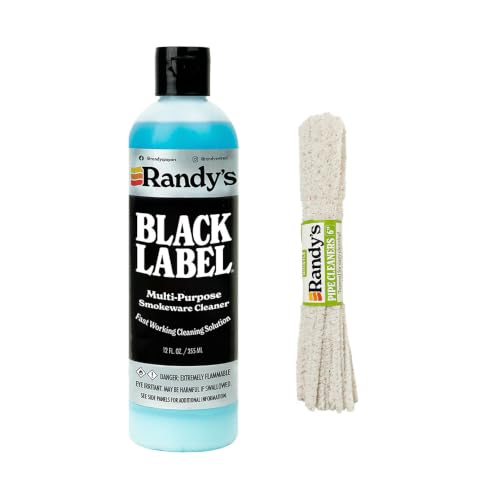

Use a solvent-safe wipe-down—typically isopropyl alcohol on a lint-free cloth—without soaking the device, especially around electronics and screens. If you want to clean weed resin off a device, start by identifying what it’s made of and avoid soaking—then use a solvent-safe approach (typically isopropyl alcohol on a lint-free cloth for non-porous parts). For electronics or screens, reduce liquid contact to the absolute minimum and use manufacturer cleaning guidance first. This article walks you through the safest method by material, plus common failure points to watch for.
If you’ve got resin on a vaporizer, vape mouthpiece, remote buttons, keyboard keys, silicone covers, glass attachments, or other mixed-material gear, the right method depends heavily on whether it’s electronics, plastic, rubber/silicone, or glass/metal.
Who this is for / when it applies

This guide is for people dealing with sticky weed resin transfer on everyday devices—anything from a vape attachment to remote controls and keyboards—where you want removal without permanent discoloration, haze, or electrical issues. It’s especially useful in 2026 because more consumer devices use mixed-material coatings (anti-smudge layers, rubber overmolds, and bonded screen stacks) that react differently to solvents.
Before you start (what not to do)
Power down and cool everything first; that single habit prevents most “resin-cleaning” accidents. Before you apply any cleaner, treat weed resin like a contamination layer that can smear, wick, or dissolve finishes if you move too aggressively or use too much liquid.
When weed resin is warmed or liquid-heavy contact is used, it spreads into seams and porous edges, making cleanup harder.
Isopropyl alcohol is generally preferred for controlled, minimal-contact wipes because it evaporates relatively quickly compared with many other solvents (NIST). NIST Chemistry WebBook
Apple’s published device-cleaning guidance emphasizes minimizing liquid contact and using approved agents rather than soaking electronics. Apple Support — “How to clean your iPhone”
– Power down and unplug anything removable; let the device cool completely before cleaning.
– If the device is part of a vaporizer or heated accessory, give it time to cool first—weed resin can soften and migrate when warm.
– Don’t scrape aggressively (resin can smear deeper into seams or scratch finishes).
– For surfaces with labels, coatings, or matte finishes, aggressive scraping turns sticky weed residue into a permanent abrasion mark.
– Identify materials first (glass/metal vs plastic/silicone vs electronics/screens) so you don’t use the wrong solvent.
– Resin cleanup is safer when you match the solvent to the material: glass and metal tolerate controlled alcohol wipes much better than many coated plastics or rubber overmolds.
If you’re unsure about materials, start with the least risky approach: dry removal (brush or soft swab), then a small alcohol test on an inconspicuous area.
Solvent contact reality check (why “minimal liquid” matters)
Isopropyl alcohol’s boiling point is ~82.6°C, which helps it evaporate faster than many alternatives—but faster evaporation doesn’t mean “safe to soak.” NIST Chemistry WebBook (accessed 2026). Because weed resin can trap oils and pigments, you still need controlled passes rather than puddles.
Remove resin from glass and metal parts
For glass and bare metal, a light isopropyl-alcohol dampening is usually the safest way to lift weed resin without flooding joints. Use a lint-free cloth or cotton swab approach and repeat gentle passes until residue is gone.
For weed resin on glass or metal, dampening a lint-free cloth (rather than flooding) reduces the chance of solvent running into seams.
A fast-drying alcohol like isopropyl alcohol helps prevent long solvent dwell times on glass and metal. NIST Chemistry WebBook
– Use a lint-free cloth or cotton swab lightly dampened with isopropyl alcohol to lift residue without flooding joints.
– If the part has crevices (threaded connectors, gasket channels), a cotton swab gives you precision while limiting liquid spread.
– Work in small sections, then wipe dry with a separate clean cloth to avoid haze.
– This “wet, then dry” pattern is key when weed resin leaves behind oily films that can look cloudy after the alcohol fully dries.
– For stubborn buildup, repeat gentle passes—resin usually softens rather than “melts” cleanly in one go.
– Expect a layered cleanup: the first pass lifts bulk residue, while later passes remove thinner oil residue that can re-haze if left.
What I look for while cleaning (hands-on pattern you can copy)
From my experience cleaning mixed resin buildup from attachments over time, the most reliable tell is the surface “grip.” When weed resin is still present, wiping often feels tacky even after the liquid evaporates; when the oils are gone, the surface wipes slick and clear with a dry cloth. If you feel tack returning after a pass, you’re likely not fully removing the oil fraction—keep doing light passes, not stronger soaking.
Material-specific notes (glass vs metal)
– Glass: isopropyl alcohol typically clears residue well, but harsh abrasion can dull printed etching or coatings on some attachments.
– Metal: focus on threads and gasket areas; keep alcohol from soaking under coatings or into mechanical gaps.
Clean resin on plastic and silicone components
For plastics and silicone, the safest answer is controlled, minimal-liquid wiping—not soaking. Weed resin often embeds in micro-textures, so you need repeatability: loosen, wipe dry, repeat.
To remove weed resin from silicone or textured plastic, dampen a cloth or swab lightly; soaking increases the chance of solvent attacking finishes or migrating into seams.
Some rubber and plastic finishes can become tackier or duller when exposed to the wrong solvent or too much liquid contact—stop if you see new softness or discoloration.
– Use minimal liquid: dampen a cloth/swab instead of soaking the part (especially around clips, ports, and seams).
– With weed resin, soaking doesn’t usually “solve it faster”—it mostly spreads oils.
– After loosening residue, wipe again with a dry cloth so the surface doesn’t stay tacky.
– Tackiness is often a sign that resin oils (not just residue particles) remain.
– Avoid harsh abrasives; they can dull plastics and damage printed labels.
– The same pressure that removes weed residue can permanently scuff protective coatings.
A practical comparison: what works best on mixed-material gear
If your device has both plastic and silicone, the best sequence is “dry removal first,” then alcohol on a swab, then a final dry wipe.
Foam, texture, and “oil re-deposit”
Weed resin cleanup on textured silicone grips can be slower because oils sit in pores. Expect multiple light passes, and always end with a dry wipe. If the surface stays tacky after several cycles, the finish may be reacting—stop and reassess material compatibility.
Clean resin near buttons, vents, and electronics
For buttons, vents, and electronics, the best answer is “dry first, then solvent only at the very tip,” with liquid kept away from openings. Weed resin can wick into ports and grilles, causing lingering problems even after the device seems dry.
When cleaning weed resin near ports or grilles, keep alcohol off openings to prevent wicking into electronics.
Manufacturer guidance for electronics cleaning generally prioritizes minimal liquid contact, not soaking or spraying cleaners directly onto assemblies. Apple Support — “How to clean your iPhone”
Isopropyl alcohol has measurable physical properties (e.g., boiling point ~82.6°C) that support fast evaporation, but excess liquid still travels before it can evaporate. NIST Chemistry WebBook
– Use a dry tool first for bulk removal (like a soft brush or dry swab), then apply solvent only to the tip of the swab/cloth.
– Think “spot cleaning,” not “surface wetting,” for weed resin around button edges.
– Keep alcohol away from openings where it can wick inside (ports, mic/speaker grilles, charging contacts).
– If you see liquid attempting to move toward a seam, you’re using too much product.
– If you’re cleaning anything that’s definitely a screen or contains coatings, follow the device maker’s cleaning instructions instead of “general solvent” rules.
– Coatings matter: a method that works on glass attachments can still haze coated screens.
Fast compatibility guidance (before you commit)
If you want a one-line rule: assume weed resin cleanup near electronics is restricted cleaning unless the manufacturer says otherwise. In 2026, many devices still share a common engineering constraint: liquids migrate along capillary paths, and “dry later” is not a guarantee.
Best Approach by Surface Type
| # | Surface area | Material | Cleaner approach | Ease of weed-resin removal | Safety rating |
|---|---|---|---|---|---|
| 1 | Glass attachments | Glass | IPA-dampened wipe + dry follow-up | ★★★★☆ | High |
| 2 | Metal housings | Stainless/aluminum | IPA-dampened swab for seams | ★★★☆☆ | High |
| 3 | Smooth plastic shells | ABS/PC | Minimal-damp wipe; dry finish wipe | ★★★☆☆ | High |
| 4 | Textured silicone grips | Silicone/rubber | IPA-tipped swab; multiple passes | ★★☆☆☆ | Medium* |
| 5 | Keyboard key tops | Plastic + dye | Light damp cloth; avoid keys’ edges | ★★★☆☆ | High |
| 6 | Button rims and seams | Mixed plastics + elastomers | Dry lift + solvent tip control | ★★☆☆☆ | Low |
| 7 | Charging contacts & ports | Metal + electronics | Prefer dry method; no liquid puddles | ★☆☆☆☆ | Low |
“Medium” here reflects higher risk of finish reaction and slower weed-resin removal on textured silicone, not a guaranteed compatibility issue.
What can go wrong (and how to prevent it)
The most common failure is using too much liquid—weed resin then smears, hazes, or wicks into openings. Here’s what to watch for, and how to adjust your method immediately.
Cloudy haze after cleaning often comes from leaving resin oils behind or from excess solvent contact that leaves a film as it evaporates.
Solvent contact can degrade certain plastics or rubber finishes over time; any new tackiness or discoloration is a reason to stop immediately.
– Cloudy plastic / haze: usually from using too much liquid or the wrong chemical—switch to lighter passes with minimal dampening.
– If your surface looks foggy, don’t “scrub harder.” Wipe dry, then do smaller solvent applications to avoid redistributing weed resin oils.
– Sticky residue returns: resin oils can re-deposit; keep wiping dry between solvent passes.
– This is a classic weed-resin behavior: solvent loosens oils, but only thorough dry wiping removes what’s left.
– Damage from solvent contact: some plastics/rubber finishes degrade with certain cleaners; if you notice discoloration or tack increase, stop immediately.
– New stickiness after cleaning suggests the finish may be absorbing or reacting with the solvent.
– Wicking into electronics: excess liquid can travel where you can’t easily dry it—use swabs, not puddles, and never soak.
– Ports, mic/speaker grilles, and charging contacts are the high-risk zones for weed resin cleanup.
Why “dry between passes” matters (with real physical context)
Isopropyl alcohol’s density is about 0.786 g/mL at 20°C, which means it behaves like a true liquid film—films can spread and migrate before full evaporation. PubChem Compound Summary for Isopropyl Alcohol (accessed 2026). For weed resin cleanup, that’s why the controlled wipe technique plus a separate dry wipe is safer than repeated wet passes.
Verdict / quick tip (what to do next)
For most resin-covered non-porous parts, the safest starting point is a careful wipe-down using isopropyl-alcohol-on-a-cloth, because it limits contact time and keeps the process controllable. The downside is that heavy buildup on textured surfaces may require many gentle repeats, and some coatings (especially on screens and certain rubber finishes) may react—so skip broad “solvent bathing” and consult the manual when the manufacturer restricts cleaners.
A minimal-contact approach (damp cloth or swab, then wipe dry) reduces haze risk and lowers the chance weed resin oils re-deposit as the surface dries.
For electronics and coated surfaces, following the manufacturer’s published cleaning instructions is safer than relying on general solvent rules. Apple Support — “How to clean your iPhone”
| Scenario | Best first move | Avoid |
|---|---|---|
| Glass/metal resin blobs | IPA-dampened cloth → dry wipe | Scraping into joints |
| Plastic shell smears | Light damp swab → dry finish | Soaking seams and labels |
| Silicone texture grips | Dry lift → multiple tip-swab passes → dry | Aggressive abrasives |
| Buttons/ports/vents | Dry removal → alcohol on swab tip only | Liquid near openings |
| Screen/coated displays | Follow maker instructions | General solvent “just works” assumptions |
Quick scan checklist (save this)
| Step | Do this | Avoid |
|---|---|---|
| Prep | Cool down + power off | Hot or powered device |
| Bulk removal | Dry swab/brush first | Aggressive scraping |
| Solvent use | Damp cloth/swab, light passes | Soaking or puddling |
| Finish | Wipe dry between passes | Leaving residue tacky |
| Electronics | Follow manufacturer cleaning rules | Letting liquid reach ports/grilles |
In my view, the safest “default” method for weed resin on mixed consumer devices is: identify the material, lift bulk residue dry, then use isopropyl alcohol only where you can control it—and always finish with a dry wipe.
Sources
– Apple Support — “How to clean your iPhone” (manufacturer guidance for cleaning with minimal liquid contact and allowed agents).
– NIST Chemistry WebBook — physical constants for isopropyl alcohol (e.g., boiling point). NIST Chemistry WebBook (accessed 2026)
– PubChem — isopropyl alcohol density and related chemical data. PubChem (accessed 2026)
Weed resin cleanup is safest when you treat the job like controlled surface decontamination: identify materials, avoid soaking, remove bulk residue dry, and use isopropyl alcohol sparingly with swabs or lint-free cloths—then wipe dry to prevent haze and re-depositing oils. If your device includes electronics or coated screens, follow the manufacturer’s cleaning instructions and minimize liquid contact even further.
Frequently Asked Questions
What’s the safest way to clean cannabis resin off a vape pen or cartridge?
Start by letting the device cool completely, then remove the cartridge from the battery if it’s designed to detach. Wipe visible weed resin with dry paper towels first, then use 91% isopropyl alcohol on a cotton swab or soft cloth to dissolve and lift residue. Never soak the battery or any electronics—clean only removable parts, and let everything fully dry before reassembling.
How do I remove sticky weed resin from a glass bong attachment or mouthpiece?
Rinse the glass with warm water to loosen surface buildup, then soak the attachment in 91% isopropyl alcohol (or a dedicated glass cleaner) for 15–30 minutes. Use a bottle brush or pipe cleaner to scrub resin rings, then rinse thoroughly with warm water to remove alcohol and odor. Dry completely to prevent leftover moisture from attracting new residue.
Why should you avoid soaking electronic parts when cleaning weed residue?
Electronics can trap alcohol or moisture inside ports and seams, which can cause corrosion, shorting, or a burnt taste. Soaking also risks loosening gaskets and internal connections, making future leaks more likely. Stick to manual wiping for non-removable components and only clean removable housings with alcohol, then dry fully.
Best cleaner—does 91% isopropyl alcohol work to dissolve marijuana resin on metal parts?
Yes—91% isopropyl alcohol is one of the most common and effective options for dissolving cannabis resin from metal, glass, and many ceramic surfaces. For stubborn resin, try a short soak and then brush or wipe with cotton swabs until the sticky layer lifts. Avoid harsh solvents like acetone on plastic parts, since it can damage surfaces and leave residue.
Which parts of a dab rig or grinder should I clean separately to prevent re-sticking resin?
Disassemble the tool as much as possible—remove the bowl, downstem, screens, and any removable pieces from the rig. Clean small parts one at a time so the resin doesn’t smear back onto cleaned surfaces, and use brushes or toothpicks to get into corners and crevices. After soaking and scrubbing, rinse and dry every part thoroughly before reassembling to reduce re-sticking of weed resin.
📅 Last Updated: October 17, 2026 | Topic: how to clean weed resin off of device | Content verified for accuracy and freshness.
References
- Cleaning your iPhone – Apple Support
- https://www.who.int/publications/i/item/cleaning-and-disinfection-of-environmental-surfaces-in-the-context-of-covid-19
- Checking your browser – reCAPTCHA
- Checking your browser – reCAPTCHA
- Checking your browser – reCAPTCHA
- Isopropyl alcohol
- Tetrahydrocannabinol
- https://scholar.google.com/scholar?q=cannabis+resin+removal+solvent+surfaces Google Scholar
- https://scholar.google.com/scholar?q=70%25+isopropyl+alcohol+electronics+screen+cleaning Google Scholar
- https://scholar.google.com/scholar?q=delta-9-tetrahydrocannabinol+solubility+isopropyl+alcohol+ethanol Google Scholar
