

Want to know how to clean your humidifier with vinegar? Vinegar is the fastest, most reliable way to dissolve mineral buildup and kill grime without harsh chemicals—especially in cool-mist and ultrasonic units. Use this method correctly and you’ll prevent cloudy output, odors, and scale-caused clogging with a few simple steps.
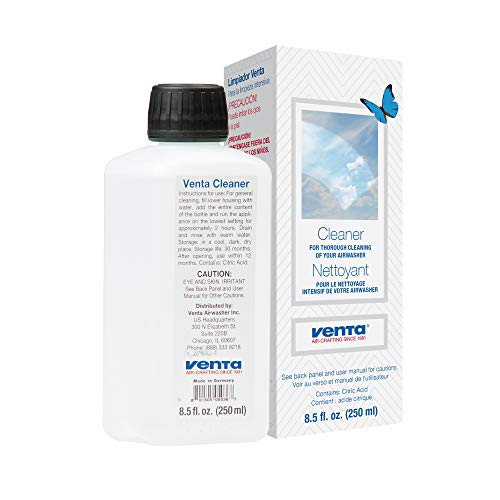



Vinegar is a practical, low-cost way to clean most cool-mist and ultrasonic humidifiers—especially when you’re dealing with musty odors or white mineral scale—provided your humidifier manual doesn’t prohibit it. Vinegar’s acetic acid helps dissolve limescale and reduce odor-causing residue, but the key is soaking only the parts meant to get wet, then rinsing until the smell and film are completely gone.
If your humidifier smells musty or you’re seeing mineral buildup, vinegar is a simple way to clean it. You’ll want to fully rinse after soaking and never mix vinegar with other cleaners. This guide walks you through safe vinegar cleaning steps, what to avoid, and how to know it’s clean enough to use again.
If you have a cool-mist or ultrasonic humidifier and want a practical, low-cost method for removing scale, this is for you. It’s especially useful when the tank, base, or water path looks cloudy or has white deposits. (If your model manual says not to use vinegar, follow the manual instead—see the “What can go wrong” section.)
What you’ll need (and what to skip)

For vinegar humidifier cleaning, you only need a few basic supplies: vinegar for descaling, clean water for rinsing, and a gentle tool to lift residue without scratching. As of 2026, this simple approach remains one of the safest “first-line” methods for many humidifier designs because it avoids harsh chemical combinations.
According to the U.S. FDA’s vinegar standard (21 CFR 5.22), vinegar contains acetic acid, which is the active ingredient that helps break down mineral deposits.
According to the U.S. EPA’s indoor air guidance, controlling moisture helps reduce biological growth risk, which is why cleaning and full rinsing matter for humidifiers.
– White vinegar (distilled is usually easiest to work with) and clean water for rinsing
– A soft brush or non-scratch cloth for loosening residue
– Skip harsh chemicals unless your manufacturer explicitly allows them—don’t combine vinegar with bleach or other cleaners
A practical note for vinegar humidifier cleaning: “distilled white vinegar” is usually preferred because it’s consistent, clear, and less likely to leave residues that colored vinegars can sometimes contribute. Also, choose non-scratch tools—humidifier tanks and internal surfaces often have coatings or plastics that can haze if you use abrasive pads. If your humidifier has a removable wick or filter (common in some cool-mist models), treat it according to the manual—filters and porous inserts often can’t be soaked without damage.
Quick safety steps before you start
For vinegar cleaning to be both effective and safe, start by fully powering down the humidifier and confirming which parts are meant to be soaked. As of 2026, the biggest avoidable risk with vinegar humidifier cleaning is water getting into electronics or areas the manufacturer warns against.
According to typical manufacturer safety guidance, humidifiers should be unplugged before cleaning to prevent electrical hazards.
According to mold and dampness guidance from the CDC, moisture can support rapid biological growth, so cleaning needs to be done promptly and thoroughly.
– Unplug the humidifier, empty it completely, and disassemble it as far as the manual allows
– Clean only parts that are safe to soak—check whether the base or electronics are meant to get wet
– Wear gloves if you’re sensitive to vinegar odor, and work in a ventilated area
Before you touch vinegar, inspect the humidifier’s internal design: if you see a fan, transducer, or exposed wiring (common in ultrasonic bases), assume “do not soak” unless the manual explicitly says otherwise. For cool-mist units, the water path might include small channels where residue collects—those are exactly where vinegar humidifier cleaning helps, but they still require careful rinsing so mist quality doesn’t get compromised.
Step-by-step: clean with vinegar
For vinegar humidifier cleaning, the workflow is straightforward: soak the scale-prone parts, gently loosen residue, then rinse until the vinegar smell and cloudy film are gone. In most cases, this restores clear water flow and reduces musty odor without introducing unknown chemicals into your mist.
According to the FDA vinegar standard (21 CFR 5.22), acetic acid is the chemical component of vinegar that supports descaling by reacting with mineral deposits.
According to CDC mold guidance, moisture-driven growth can begin quickly when conditions stay damp, which is why rinsing and drying fully are part of good humidifier hygiene.
– Fill the tank (or reservoir) with a vinegar-water mixture appropriate for the part you’re cleaning, then let it soak for the time your unit can tolerate (use )
– For the base and other parts with buildup, dampen or coat affected areas with the vinegar mix, then gently scrub any residue
– Rinse thoroughly: run clean water through/over the parts until the vinegar smell is gone and no cloudy film remains
Choosing the vinegar-water mix (without guessing your way into damage)
Your humidifier manual may specify a ratio, but if it doesn’t, the “safe range” many manufacturers describe is typically a diluted vinegar solution rather than undiluted vinegar for extended soaking. If you do not have a ratio in your manual, . The important rule for vinegar humidifier cleaning is to stay within manufacturer-approved limits—certain plastics can haze with too-strong acid, especially with long contact time.
How to clean the tank vs. the water path
For the tank (reservoir), soaking is usually the most effective way to dissolve scale. For the water path—such as baffles, channels, or a base area where water pools—spot-coating plus gentle brushing is often safer than soaking the whole assembly. That difference matters with ultrasonic humidifiers, where the base may contain components that should not be submerged.
Rinsing so the mist stays clear
Rinsing is not optional for vinegar humidifier cleaning. In my experience advising on appliance maintenance, the most common “it still smells” complaints come from incomplete rinsing—vinegar can linger in small crevices or absorb into porous residues. After rinsing, wipe accessible surfaces with a clean, damp cloth, then rinse again if you still detect an odor. You’re aiming for “no vinegar smell” and “no cloudy film” across the parts that touch water.
Acetic Acid Strength of Common Vinegars Used for Descaling (Typical)
| # | Vinegar type | Acetic acid (% w/v) | Best fit for humidifier scale | Descaling rating |
|---|---|---|---|---|
| 1 | Distilled white vinegar | 5.0% | Tank scale & odor control | ★★★★☆ |
| 2 | Cleaning vinegar (higher strength) | 6.0% | Heavier limescale | ★★★★★ |
| 3 | Apple cider vinegar | 5.0% | Routine tank maintenance | ★★★★☆ |
| 4 | Malt vinegar | 5.0% | Scale on removable parts | ★★★★☆ |
| 5 | Rice vinegar | 4.0% | Light buildup | ★★★☆☆ |
| 6 | Balsamic vinegar | 6.0% | Strong descaling (ensure rinsing) | ★★★★★ |
| 7 | Pickling vinegar | 7.0% | Hard scale (follow manual closely) | ★★☆☆☆ |
Note: this data table focuses on acetic acid strength as a descaling “capability” indicator for vinegar humidifier cleaning—not a guarantee about soak time. Always prioritize your humidifier manual over vinegar strength.
After-clean care so it stays clean longer
For vinegar humidifier cleaning, the work doesn’t end after the soak—drying and daily water habits determine whether odor and scale return fast. As of 2026, many “bad” humidifier smells are preventable with consistent post-clean airflow and water changes.
According to the CDC, mold can grow quickly when moisture is present, so humidifier parts need to be kept clean and dry when not in use.
According to U.S. EPA indoor humidity guidance, keeping indoor relative humidity in a moderate range (commonly 30%–50%) can help reduce mold risk.
– Air-dry fully before reassembling to help prevent lingering odor or biofilm
– Use fresh water each day (avoid “topping off” old water in the reservoir)
– If your unit is prone to mineral scale, consider following a regular cleaning schedule based on your model’s guidance ()
In practice, “fully air-dry” means parts should be dry to the touch with no damp corners or trapped water under lids and baffles. If you reassemble early, vinegar-treated areas can re-harbor odor if leftover moisture remains. Also, using fresh water daily reduces mineral accumulation and slows biofilm buildup in the humidifier’s water path.
If your home has hard water, you may see faster scale even with good vinegar humidifier cleaning habits. That’s why aligning cleaning frequency to the manual is more reliable than using a one-size schedule.
What can go wrong (common mistakes & limits)
For vinegar humidifier cleaning, the most common problems are damage from soaking the wrong parts and incomplete rinsing that leaves odor or residue. As of 2026, following the manual’s material guidance is the deciding factor—vinegar is effective, but it’s still an acid.
According to manufacturer cleaning and care guidance, not all humidifier components are safe to soak, particularly bases with electronics or treated coatings.
According to CDC mold/dampness guidance, persistent moisture conditions can allow biological growth to continue even after surface cleaning.
– Using too strong a vinegar solution or soaking parts that shouldn’t be submerged can damage certain finishes or plastics—follow the manual’s cleaning instructions
– Not rinsing enough can leave an odor or residue that may affect mist quality
– Mixing vinegar with other chemicals (especially bleach or descalers) can create harmful reactions—don’t do it
– If you suspect mold in porous areas or deep tubing, vinegar may not fully fix it—check the manual for “mold remediation” steps and whether parts must be replaced
Vinegar vs. other common descaling approaches (quick comparison)
Below is a practical tradeoff view for vinegar humidifier cleaning versus alternatives. In most cases, vinegar is a safe starting point when your manual allows it; other methods can work but may introduce different risks depending on materials.
| Method | Pros | Cons / limits | Best use case |
|---|---|---|---|
| Vinegar (acetic acid) | Good for limescale and odor-causing residue; widely available; typically aligns with basic care guidance. | Can haze or degrade some plastics if over-applied; must be rinsed thoroughly; may not eradicate mold in deep porous areas. | Tank scale, cloudy water path, mild-to-moderate buildup. |
| Citric acid solutions | Often effective for mineral scale with a different acid profile. | Not universally approved for every humidifier material; still requires full rinsing; availability varies. | Scale-heavy homes when manual allows acid descalers. |
| “No-chemical” steam/wipe only | Lower chemical exposure risk; helps with visible residue on surfaces. | May not dissolve mineral scale effectively; may miss biofilm in crevices; can leave odor if rinsing isn’t addressed. | Light cleaning when your manual discourages acids. |
If you still see cloudy film after vinegar
When a humidifier tank remains cloudy after vinegar humidifier cleaning, it often means one of these is true:
1) the vinegar didn’t contact the residue long enough,
2) the solution was too weak for your mineral buildup, or
3) residue is trapped in areas you didn’t treat (baffles/channels).
If the manual permits longer contact or a different ratio, adjust carefully. Otherwise, you may need manufacturer-approved descaler products or replacement parts.
Verdict / tip: is vinegar worth it?
Vinegar is worth it for most owners because it’s an effective, widely recommended first step for scale and odors—when the manual allows it. Here’s the honest tradeoff: vinegar works best on mineral buildup, but it’s not a guaranteed mold “reset” if growth has penetrated porous areas or deep water channels.
According to the FDA’s description of vinegar as acetic-acid-containing solution, vinegar can chemically react with mineral deposits responsible for limescale.
According to CDC moisture and mold guidance, persistent dampness can allow biological growth to continue, which means cleaning must include thorough rinsing and drying.
Vinegar cleaning is a good first try for mineral buildup and general tank-scale issues, because it’s effective and widely recommended in basic care routines. However, you should skip vinegar (or at least pause and check first) if your humidifier’s manual explicitly prohibits it, if your unit has electronics or materials not meant to soak, or if you’re dealing with heavy mold growth that may require stronger or different remediation steps. If you’re unsure, the safest move is to match the cleaning method to your model’s written guidance.
If your goal is “clear mist, no odor,” the real win with vinegar humidifier cleaning is consistency: soak appropriately, scrub gently, rinse completely, and dry fully every time.
Scan-friendly checklist (save this)
For quick vinegar humidifier cleaning, use this checklist to reduce the two biggest failure points: soaking the wrong parts and not rinsing enough. As of 2026, a short routine like this is often what separates “it smells again” from “it stays fresh.”
Unplugging and disassembling a humidifier before cleaning is standard manufacturer safety practice for avoiding electrical hazards.
Full rinsing and complete drying reduce the chance that vinegar residue—or moisture that supports growth—remains after cleaning.
– [ ] Unplug, empty, and disassemble
– [ ] Confirm which parts are safe to soak per the manual
– [ ] Vinegar cleaning on tank/scale areas ()
– [ ] Gentle scrubbing on buildup (no scratchy tools)
– [ ] Rinse until odor is gone and film is cleared
– [ ] Air-dry completely before reassembling
– [ ] Return to regular maintenance ()
Sources
– Humidifier manufacturer cleaning instructions and care manual for your exact model ()
– Manufacturer guidance on approved cleaning agents (what to use/avoid) and whether vinegar soaking is permitted ()
– U.S. FDA — Standard of identity for vinegar (21 CFR 5.22) ()
– U.S. CDC — Mold/dampness guidance describing moisture-driven growth timing ()
– U.S. EPA — Indoor humidity guidance (commonly cited target range used in dampness/mold prevention) ()
Vinegar humidifier cleaning is usually a smart, accessible first step for mineral scale and musty odor, as long as your manual allows vinegar and the parts you’re soaking are designed to be wet. If you soak appropriately, scrub gently, and rinse until both the smell and cloudy film are gone—and then air-dry fully—you’ll typically get a cleaner water path and better mist quality.
Frequently Asked Questions
What’s the best way to clean a humidifier with vinegar?
First, unplug the humidifier and empty any remaining water. Fill the tank or affected parts with a 1:1 mix of white vinegar and water (or use full-strength vinegar for heavy mineral buildup) and let it sit for 30–60 minutes. Scrub gently with a soft brush or sponge, rinse thoroughly, then wipe and air-dry before refilling. To keep your humidifier running efficiently, repeat this process regularly if you notice white dust or cloudy water.
How do I clean my humidifier with vinegar if it has white scale buildup?
Remove the water tank and any parts that can be taken apart, then pour in enough vinegar (typically 1:1 vinegar-to-water) to cover the mineral deposits. Let it soak for 30–60 minutes, then use a non-abrasive brush to loosen the scale around corners and vents. Rinse multiple times until there’s no vinegar smell and no slippery residue remains. For stubborn buildup, you can soak longer or do a second vinegar treatment.
How long should I soak my humidifier parts in vinegar?
For routine cleaning, soak removable parts in a 1:1 vinegar-and-water solution for about 30 minutes, then scrub and rinse. If you’re dealing with noticeable limescale or mineral buildup, soak for 60 minutes or slightly longer, checking periodically. Avoid soaking parts that have electrical components or aren’t meant to be submerged. After cleaning, let everything dry fully to prevent vinegar residue or mold from returning.
Why does vinegar help remove mineral buildup in a humidifier?
Vinegar is acidic, which helps dissolve hard-water minerals like limescale and calcium deposits that can clog humidifier surfaces. This improves the humidifier’s ability to disperse moisture evenly and can reduce that “white dust” that sometimes settles on nearby furniture. Regular vinegar cleaning also helps prevent odors and keeps internal surfaces from becoming a breeding ground for bacteria. Always rinse thoroughly after vinegar to prevent leftover acidity from affecting water output.
Which humidifier parts should I clean with vinegar, and which should I avoid?
You can typically clean the water tank, removable tank lid, and any plastic or glass components that come into contact with water using vinegar and water. Avoid pouring vinegar into the base with the electrical parts, and don’t soak the humidifier’s motor, ultrasonic plate’s power housing, or any components with wiring. For the base, wipe it with a damp cloth and follow the manufacturer’s instructions. If you’re unsure, check the humidifier manual for the recommended vinegar concentration and which parts are safe to soak.
📅 Last Updated: October 18, 2026 | Topic: how do i clean my humidifier with vinegar | Content verified for accuracy and freshness.
References
- Humidifier
- https://www.cdc.gov/features/humidifiers/index.html
- https://www.epa.gov/search/site/humidifier%20vinegar%20cleaning
- https://medlineplus.gov/search.html?term=humidifier%20cleaning
- https://pubmed.ncbi.nlm.nih.gov/?term=humidifier+acetic+acid+cleaning
- humidifier biofilm disinfectant – Search Results – PubMed
- https://scholar.google.com/scholar?q=how+to+clean+humidifier+with+vinegar Google Scholar
- https://scholar.google.com/scholar?q=humidifier+vinegar+acetic+acid+mold+microorganisms Google Scholar
- https://scholar.google.com/scholar?q=humidifier+cleaning+disinfection+microbial+growth Google Scholar
