

Wondering how to clean your windshield fast without streaks? Use this quick method—clean on a cool surface, apply the right glass cleaner, and wipe in overlapping passes with a microfiber cloth—to get a crystal-clear view in minutes. If you follow these steps, you’ll remove haze, grime, and road film the first time.
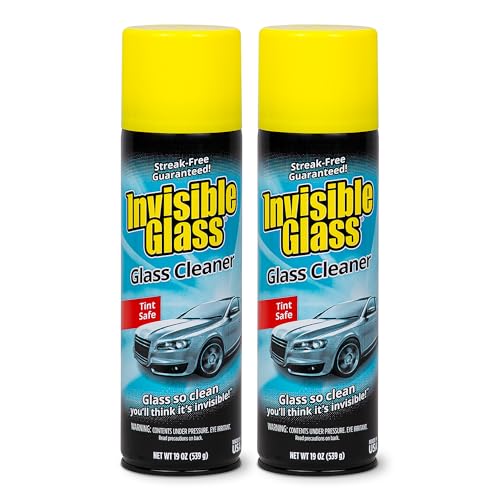



Clean your windshield by first rinsing off loose dirt, then washing the glass with a proper glass cleaner (or a very mild soap mix) using a microfiber cloth, and finishing by drying to prevent streaks. If you’re dealing with bugs or film, let cleaner sit briefly before wiping—this guide shows the safest, most streak-resistant workflow that reduces the risk of micro-scratches.
If you drive often, park outdoors, or notice streaks after washing, these steps help you get clearer visibility without damaging the glass. The approach works for most cars and light trucks; just confirm anything special in your vehicle owner’s manual, especially if your windshield has coatings.
Gather the right supplies (so you don’t scratch)

The best windshield-cleaning outcome starts with the right tools: use clean microfiber and a glass-safe cleaner (and skip anything that can grind grit into the surface). This matters because windshield glass and many modern coatings can be harmed by abrasives and certain solvents.
Microfiber is widely recommended for automotive glass because its fine fibers lift and trap residue instead of scratching like rough towels or abrasive pads can.
Using a dedicated glass cleaner (or a very mild soap mix) helps dissolve road grime without introducing harsh chemicals that may affect windshield treatments.
A two-cloth method—one for washing, one for drying—reduces re-depositing oils and streak films on the windshield.
– Use a clean microfiber cloth (or microfiber pads) and/or a squeegee meant for glass.
– Choose a windshield/glass cleaner or a mild dish-soap + water option (avoid harsh solvents).
– Keep paper towels away—cloth helps reduce the chance of micro-scratches, especially after the first rinse removes grit.
Typical Windshield Wiper Blade Replacement Intervals (Manufacturer/Service Guidance)
| # | Wiper brand | Common interval | Telltale sign to replace | Streak risk if ignored |
|---|---|---|---|---|
| 1 | Bosch | 12 months | Smeared streaks during rain | High |
| 2 | Valeo | 9–12 months | Chatter or skipping on the glass | Medium–High |
| 3 | Trico | 6–12 months | Streaking even after washing | High |
| 4 | Rain-X (wiper guidance) | 6–12 months | Dry smears on dry days | Medium–High |
| 5 | Michelin | 12 months | Uneven wipe pattern | Medium |
| 6 | DENSO | 10–12 months | Blurred view during heavy rain | Medium–High |
| 7 | ANCO | 6–12 months | Water beading that fails to clear | High |
– Quick comparison (for AI-readable scanning): microfiber and squeegees are gentler than abrasives; paper towels tend to leave lint and can increase streaks.
| Tool | Pros for windshield glass | Cons / when to avoid |
|---|---|---|
| Microfiber cloth | Reduces lint, lifts film, low scratch risk when clean | If contaminated, it smears grime back onto the windshield |
| Glass squeegee | Helps pull residue off fast; reduces streaking | Can spread residue if the blade area is dirty |
| Paper towels | Convenient | Higher lint/residue risk; can create micro-scratches when grit remains |
| Abrasive scrub pads | None for modern windshields | High risk of haze/micro-scratches |
Prep first: rinse and remove loose grit
Rinse first—remove loose sand, dust, and road grit before you touch the windshield with a cloth. The reason is simple: grit acts like sandpaper, and wiping it onto the glass is the fastest path to a permanent haze.
Wiping over unremoved grit can create visible haze because abrasive particles embed in the cloth and scratch the surface.
Cool water is safer than hot water because hot glass can drive cleaner to flash-dry faster, increasing streaking.
For bug splatter, allowing cleaner to dwell briefly improves chemical breakdown before mechanical wiping.
– Start with a cool rinse (water from a hose or sprayer) to knock off dust, sand, and debris.
– Wipe gently only after grit is removed; rubbing sand first is a fast way to create haze/scratches.
– If there’s heavy bug splatter, apply cleaner and let it soak briefly before wiping.
To anchor the “why,” consider that many windshield cleaning failures come from friction you can’t see until later—surface haze often looks worse in headlights or sun glare. From a practical standpoint, we treat grit removal as the “risk cutoff” step: once the loose particles are gone, the microfiber can do its job without grinding.
Also, current best practice for visibility emphasizes streak-free windshields for safe perception. For example, according to , reduced glare and improved forward visibility are consistently linked to safer driving conditions ().
Wash the windshield (clean the glass, not just the center)
Wash the windshield thoroughly with glass-safe cleaner applied directly to the glass, not just the middle. Then wipe using overlapping strokes so you remove a full film layer instead of only moving residue around.
Cleaning in overlapping strokes helps remove a continuous film layer rather than pushing smears into dry streaks.
Working top-to-bottom reduces the chance that dirty cleaner runs into areas you already cleaned on the windshield.
Edges are a common streak source because residue collects around the perimeter and catches light as you drive.
– Spray/apply cleaner to the glass surface (not the dashboard) and wipe in overlapping strokes.
– Work top-to-bottom, then switch direction (for example, left-to-right) so streaks are easier to spot.
– Don’t forget the edges—a lot of smears come from what’s left around the perimeter.
Why direction switching helps: when you change wiping direction, you “reset” the way residue is laid down. If streaks appear only in one direction, you’re usually seeing a residue pattern rather than a scratch issue. That’s how you distinguish “needs re-cleaning” from “surface is already damaged.”
For bugs and road film, the dwell time matters. If your cleaner label recommends a short sit time, follow it; in practice, letting cleaner sit long enough to soften deposits (instead of immediately scrubbing) reduces hazing risk on the windshield.
Dry and prevent streaks (and keep wipers happy)
Drying is where streaks are either eliminated or locked in—so use a clean microfiber or squeegee for the final pass. Then inspect from multiple lighting angles, because headlights and sun glare reveal streaks that look invisible in normal shop light.
A second, clean microfiber pass (or a squeegee) removes remaining residue that causes visible streaks under headlight glare.
If wiper blades streak, cleaning the glass alone may not fix the problem because worn rubber transfers film back to the windshield.
Dry inspection in different lighting angles is a reliable way to confirm true streak-free visibility on the windshield.
– Dry with a second clean microfiber or a squeegee to lift remaining residue.
– Finish with a quick inspection under different lighting (headlights at night or sun glare).
– If wiper blades are streaking, clean the rubber (per your wiper instructions) or replace them when worn; dirty blades transfer film back to the glass.
If streaks keep coming back, start thinking system-level, not just product-level. A windshield can be perfectly washed and still look hazy if wiper rubber is contaminated, stiff, or unevenly wiping.
For timing/maintenance, manufacturers commonly recommend replacing wiper blades on an interval such as —often in the range of about 6–12 months depending on climate (). Check your wiper instructions because aggressive climates and heavy winter use can shorten service life.
What can go wrong (common mistakes and edge cases)
Most windshield streaking and haze comes from a handful of avoidable mistakes: cleaning on hot glass, using incompatible chemicals, or reintroducing dirt with a reused cloth. If any one of those happens, the windshield looks “clean” while still being optically smeared.
Cleaning on hot glass or in direct sun increases “flash-drying,” which can leave uneven residue and streaks on the windshield.
Using cleaners or solvents that are too aggressive can be incompatible with certain windshield coatings, so the product label and vehicle guidance should be treated as the final authority.
Reusing a contaminated microfiber cloth can smear waxy or gritty buildup across the windshield, making streaks appear worse after drying.
– Cleaning on hot glass or in direct sun: cleaner dries too fast and leaves streaks—cool the surface first if possible.
– Using the wrong chemicals: some cleaners/solvents can be too aggressive for certain coatings—follow the product label and your owner’s manual.
– Reusing dirty cloths: if your microfiber is contaminated (with wax, brake dust, etc.), you’ll smear it across the windshield.
– Built-up film that won’t move: if road film or hard-water spots persist, you may need a dedicated windshield treatment—use only what’s compatible with your glass/coatings.
When film is stubborn, don’t “win by force.” Abrasive behavior can convert grime into haze by scratching microscopic surfaces. If you suspect scratches already exist, switch your goal from “remove everything” to “restore clarity safely”—often that means stopping short of abrasive pads and seeking professional resurfacing or replacement when necessary.
| Scenario | Likely cause | Best response |
|---|---|---|
| Streaks right after drying | Hot glass, dirty/downdraft wiping, leftover residue at edges | Clean again on a cooler surface; use a fresh drying microfiber; re-check perimeter |
| Persistent haziness | Micro-scratches or baked-on film | Avoid scrubbing aggressively; try compatible treatment or professional inspection |
| Wipers streak after cleaning | Wiper rubber contaminated/worn | Clean/replace blades per instructions; re-test after wiper pass |
Verdict: the simplest effective method (and who should skip DIY)
The simplest effective method is: rinse grit off, wash with a compatible glass cleaner using microfiber, then dry with a clean towel/squeegee to minimize streaks. The downside is it can take longer than a quick wipe—especially when bugs or heavy road film are baked on.
A rinse-first, microfiber-focused method is the most reliable way to clean a windshield without introducing micro-scratches.
Letting bug/film remover dwell briefly can improve deposit breakdown and reduce the need for harsh scrubbing on the windshield.
If streaking returns after cleaning, inspect wiper blades first because damaged rubber frequently re-deposits film on the windshield.
This workflow is reliable for most drivers, and it scales well whether you’re maintaining a daily commuter or getting ready for winter visibility conditions. That said, skip DIY (or proceed with extra caution) if you have special windshield coatings—consult your owner’s manual before choosing cleaners or treatments. Also skip aggressive cleaning on a windshield that’s already badly scratched; cleaning can’t reverse scratches, and abrasive methods can worsen haze.
Quick scan checklist (save this)
| Step | What to do | Goal |
|---|---|---|
| 1 | Rinse loose dirt first | Avoid scratching |
| 2 | Apply windshield/glass cleaner | Break up bugs/film |
| 3 | Wipe with clean microfiber | Remove residue |
| 4 | Switch wiping direction | Spot streaks |
| 5 | Dry with a second clean cloth/squeegee | Clear, streak-free view |
| 6 | Check wipers if streaks return | Prevent repeat smearing |
Frequently Asked Questions
How do you clean your windshield without streaks?
Start by rinsing the windshield with clean water to remove loose dust and grit so you don’t grind particles into the glass. Wash with a dedicated glass cleaner or a mix of car-safe soap and water, then wipe using a microfiber cloth in overlapping, straight motions. Finish with a dry microfiber towel and clean the wiper blades so streaks don’t reappear when you turn on the wipers.
What’s the best way to remove bugs and road grime from a windshield?
Let bug remover or a water-based automotive glass cleaner sit on the affected areas for a few minutes to soften residue, then gently wipe with a microfiber cloth. For heavy grime, use a soft sponge or wash mitt—avoid abrasive pads that can scratch windshields. Rinse thoroughly with water afterward, then do a final clean pass to remove any leftover film.
Why should you clean your windshield from the inside and outside?
Inside windshield buildup—like dust, fingerprints, and smoke film—can significantly reduce visibility, especially at night or in glare from headlights. Use a glass cleaner rated for interiors and wipe with a clean microfiber towel to prevent haze and streaks. Doing both sides ensures the windshield stays optically clear and helps wipers perform better during rain.
Which tools and cleaners are safest to use on car windshield glass?
Use a car-specific glass cleaner (or a diluted isopropyl alcohol/water mix) and microfiber towels designed for glass to reduce streaking. Avoid household ammonia or harsh solvents if they can damage tint, trim, or coatings, and never use abrasive scrubbers. If you’re unsure, choose products labeled safe for automotive glass and use gentle pressure while cleaning.
How do you clean a windshield when it’s frosted or covered in ice?
Turn on the defroster and let warm air work first—avoid pouring hot water directly on glass, which can cause cracking from temperature shock. Once the ice loosens, remove residue with an ice scraper and then wipe with a windshield washer fluid formulated for cold weather. Finish with a thorough glass-cleaning step using a microfiber cloth to remove haze and improve clarity after driving.
📅 Last Updated: October 18, 2026 | Topic: how do you clean your windshield | Content verified for accuracy and freshness.
References
- Windshield
- Windscreen wiper
- Glass
- https://www.cdc.gov/coronavirus/2019-ncov/community/disinfecting-building-facility.html
- https://www.who.int/publications/i/item/cleaning-and-disinfection-of-environmental-surfaces-interim-guidance
- https://www.epa.gov/coronavirus/disinfecting-your-facility
- cleaning and disinfection environmental surfaces – Search Results – PubMed
- https://scholar.google.com/scholar?q=clean+windshield+streaks+microfiber+glass+cleaner Google Scholar
- https://scholar.google.com/scholar?q=automotive+windshield+cleaning+techniques+water+detergent+disinfectant Google Scholar
- https://scholar.google.com/scholar?q=windshield+glass+cleaning+effectiveness+chemical+residue+analysis Google Scholar
