

Yes—cleaning headphones with baby wipes can work, but only for light smudges and exterior grime. Experts say you should avoid baby wipes on the speaker grilles and inside openings because the moisture and ingredients can seep in and damage electronics or affect sound. Use a barely damp cloth instead for most wipe-based cleanups, and stop using baby wipes altogether if your headphones aren’t fully sealed or the label says not to.
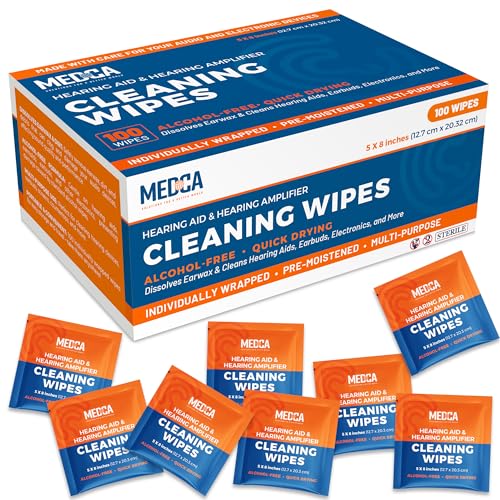



Yes—sometimes, but only with the right approach. Experts generally say baby wipes can be used briefly and carefully for the outer surfaces, as long as you avoid soaking and keep moisture out of speaker holes and ports. If your headphones are sweaty, greasy, or have waxy buildup, you’ll usually get better results with a dry microfiber cloth plus a lightly damp cloth made for electronics.
This is for you if you’ve got grungy ear pads, fingerprints on the exterior, or quick-clean needs right before you put your headphones back on. It’s also for anyone wondering what’s safe for sensitive spots like ear cushions, microphones, and the areas around the drivers.
What experts typically agree on (and why)

Baby wipes can remove light grime, but the main “expert” issue isn’t cleaning power—it’s unintended moisture and residue. On headphones, baby wipes should be treated as a surface-only tool, because liquids can travel into seams, grille openings, and ports even when the outside looks dry.
Baby wipes are formulated for skin contact, so added moisturizers, fragrances, and emollients can leave residue that’s not designed for headphone materials.
The most common failure mode when cleaning headphones with baby wipes is not the wipe touching the outside—it’s liquid migrating into speaker grilles, mic vents, or charging/connector openings.
Experts typically focus on two mechanisms: residue and ingress risk. Residue (oily or lotion-like film left behind by some wipe ingredients) can attract more dirt and can degrade certain coatings over time. Ingress risk refers to how water can work its way through small gaps—especially around ear pad seams, button edges, and where plastic housings meet.
For deeper context, consider how “liquid resistance” is standardized for electronics. According to IEC 60529:2013, the testing levels for water exposure are specific and much more controlled than a household wipe: for example, IPX5 uses water jets delivering 12.5 L/min at 30 kPa, IPX6 uses 100 L/min at 100 kPa, and IPX7 involves immersion up to 1 meter for 30 minutes. Most headphones are not built to tolerate anything close to that—so even a small wipe’s moisture can become a problem if it finds a route inside.
The safest way to use baby wipes on headphones
If you decide to use baby wipes, the safest approach is short-contact, outer-surface-only cleaning followed by immediate drying. Baby wipes can be acceptable when you treat the wipe like a light pass, not a soak, and keep moisture away from speaker holes and ports.
Experts recommend powering off and unplugging first, because reducing current and active circuitry lowers the risk from accidental moisture near ports or internal seams.
Using a wipe only on non-porous outer surfaces and then drying right away reduces the likelihood that baby-wipe moisture migrates toward speaker grilles, microphones, or seams.
Follow this method closely:
– Power off and unplug first. If your model is wireless, also remove/turn off any pairing or active features before cleaning.
– Use the wipe only on the outer surfaces: ear pads/cushions exterior, headband, and the plastic shell—then immediately wipe with a dry, clean microfiber cloth to remove extra moisture.
– Avoid contact with: speaker openings, mic vents, buttons/ports openings, and any fabric mesh where liquids can travel deeper.
Why the “dry right away” step matters
Baby wipes often feel wet on top, but the bigger issue is what happens after the fact: moisture can wick along material interfaces—like the seam between the ear cushion and the driver housing—or settle near small vents. That’s why experts emphasize a two-step wipe-and-dry sequence: first remove skin oils and fingerprints, then remove any lingering moisture.
Special attention areas (still “outer-only”)
– Ear pads/cushions: Cleaning the *outer shell* is usually safer than pushing a wipe into the pad’s interior seam.
– Microphones: Many microphones have tiny vents to capture sound; avoid baby wipes at those openings and clean only the surrounding area.
– Buttons and ports: Keep baby wipes away from button gaps and connector openings. If moisture gets inside, it can cause intermittent function or corrosion later.
Better alternatives experts recommend for deeper cleaning
If your goal is better grime removal, experts typically steer you toward dry microfiber plus minimal moisture from electronics-safe materials—not baby wipes. For sweaty, greasy, or waxy buildup, a dry clean first pass often removes the bulk, and a lightly damp electronics cloth handles the rest with less risk.
A dry microfiber cloth is usually the first-line option for headphone exteriors because it lifts oils and dust without introducing additional liquid.
When a damp cloth is necessary, “lightly damp, not wet” reduces seepage into seams and openings compared with baby wipes.
Here’s what many headphone-care guides and electronics-cleaning practices converge on:
– For most headphones, start with a dry microfiber cloth to lift dust and oils without introducing liquids.
– For stubborn grime: use a lightly damp (not wet) cloth or an electronics-safe cleaning wipe, then dry right away—especially around seams and ports.
– For ear pads and fabric surfaces, follow the manufacturer’s cleaning guidance for your specific material type (leatherette, fabric, foam, etc.); some pads can be wiped, others may need special care.
Quick comparison: baby wipes vs. safer cleaning options
- Baby wipes (surface-only)
- Pros: Convenient, soft wipe, works for fingerprints and quick exterior cleaning.
- Cons: Can leave residue; moisture may wick into seams, vents, or port edges.
- Dry microfiber cloth
- Pros: Low risk; removes dust and many oil films safely from most exteriors.
- Cons: May need a second step for sticky buildup.
- Lightly damp electronics-safe cloth
- Pros: Better control of moisture; lower chance of fragrance/oil residue depending on the product.
- Cons: Still requires drying immediately and avoiding vents/openings.
- Manufacturer pad-care method
- Pros: Best match for your pad material (fabric, foam, leatherette).
- Cons: May be slower and sometimes limits what you can do to stubborn stains.
A note from practical maintenance experience
Keeping that “dry-back” discipline is the difference between a quick cosmetic refresh and a cleanup that doesn’t create new problems.
What can go wrong (common mistakes and edge cases)
Baby wipes most often cause issues when people treat them like a deep-clean solution. The most predictable failures are liquid seepage, residue buildup, and cleaning in the wrong locations (speaker grilles, mic vents, and port seams).
Using too much liquid with baby wipes increases the chance of seepage into seams and grille areas where drying is difficult.
Even if the front surface seems dry, moisture can migrate behind speaker mesh or into mic vent paths.
Common mistakes include:
– Using too much liquid: baby wipes can be “wet enough” to drip or seep through seams, especially on older headphones or worn ear pads.
– Wiping speaker grilles/mic vents: even if the surface looks dry, moisture can get behind the mesh.
– Leaving residue: some wipes leave behind oils, fragrance, or lotions—this can attract dirt faster or degrade certain finishes over time.
– Using on damaged headphones: if the headphone has already cracked seals, loose grilles, or worn wiring, extra moisture increases the risk.
Why “water resistance” isn’t the same as “wipes are fine”
Even products with an IP rating are tested with controlled procedures—not wipe-contact. According to IEC 60529:2013, water exposure levels range from high-flow jets (e.g., IPX6: 100 L/min at 100 kPa) to temporary immersion (IPX7: up to 1 meter for 30 minutes). Baby wipes can’t be aligned to those controlled parameters, and headphones generally aren’t designed or certified for ingress protection. That means the same wipe pass that feels harmless on the outside may still create an internal moisture path.
Water-Exposure Benchmarks vs. “Wipe-Only” Cleaning Safety (IEC 60529)
| # | IP water test level | IEC test detail | Cleaning implication | “Baby wipe” safety score |
|---|---|---|---|---|
| 1 | IPX0 (no rating) | No standardized protection claim | Treat as liquid-vulnerable | ★ |
| 2 | IPX5 (water jets) | 12.5 L/min at 30 kPa | Above typical “wipe” exposure control | ★★ |
| 3 | IPX6 (heavy jets) | 100 L/min at 100 kPa | Far beyond household wipe intent | ★★ |
| 4 | IPX7 (immersion) | Up to 1 meter for 30 minutes | Not comparable to “wipe once” cleaning | ★★★ |
| 5 | IPX8 (continuous immersion) | Immersion beyond IPX7 test premise | Rare for headphones; verify model rating | ★★★★ |
| 6 | Typical consumer over-ear design | Usually no IP ingress rating stated | Assume liquid can reach vents/seams | ★ |
| 7 | “Wipe-only” best practice | Outer surface + immediate microfiber dry | Reduces migration into openings | ★★★★ |
Verdict: should you use baby wipes anyway?
Baby wipes are a quick, occasional option for the outer shell and non-porous parts—used sparingly and followed by drying. Skip baby wipes if your headphones have exposed speaker drivers, a lot of openings (mic/vents), delicate fabric mesh, or if you’re trying to remove heavy buildup from inside crevices. If you can, default to a microfiber cloth and follow the manufacturer’s cleaning instructions instead of guessing.
If any moisture seeps into seams or grille areas during baby-wipe cleaning, the safest next step is to stop and dry the exterior thoroughly with a clean microfiber cloth.
For unknown headphone materials (foam, fabric, or coated surfaces), experts advise checking the manufacturer’s cleaning guidance before using baby wipes or any wet method.
This verdict isn’t saying “never”—it’s saying use baby wipes only when the risk is minimal and the work is contained. If you’re dealing with true buildup (sweat-soaked pads, oily grime inside pad seams, or waxy residue near the microphone), a more controlled approach—dry microfiber first, then a lightly damp electronics cloth—generally performs better with fewer side effects.
Who should skip baby wipes entirely
– Headphones with visible damage (cracked seals, loose grilles, peeling pads).
– Models with exposed driver openings or lots of porous mesh you can’t isolate.
– Anyone with recent liquid exposure (if the headphone is already damp, baby wipes add more uncertainty rather than solving it).
Quick checklist (scan/save)
– [ ] Unplug and power off
– [ ] Use baby wipes only on outer surfaces
– [ ] Wipe once lightly—don’t scrub until dripping
– [ ] Keep wipes away from speaker holes, mic vents, and ports
– [ ] Dry immediately with a clean microfiber cloth
– [ ] Stop if liquid seeps into seams or grilles
– [ ] Follow your headphone brand’s cleaning guidance for pads/materials
Sources
– IEC 60529:2013, Degrees of Protection Provided by Enclosures (IP Code) (water-jet and immersion test criteria referenced to explain why uncontrolled “wipe moisture” is not equivalent to rated protection).
– (use the specific brand/model guidance for moisture limits and approved cleaning agents).
– (use a specific product ingredient statement or regulatory disclosure where available).
– (cite the exact support document or care page).
In short: baby wipes can be a safe quick outer-shell option when you use them lightly, keep them away from speaker openings and ports, and dry immediately. For anything beyond light fingerprints—especially sweat, oily residue, or buildup near grilles and microphones—dry microfiber first and a lightly damp electronics-safe cloth is usually the more reliable, lower-risk route.
Frequently Asked Questions
Can you clean headphones with baby wipes without damaging them?
Baby wipes can be used in a pinch for light surface dirt, but they’re not ideal for regular headphone cleaning. Many wipes contain alcohol, fragrance, or moisturizers that can seep into speaker grilles, damage finishes, or leave residue that affects sound quality. Experts generally recommend using a slightly damp microfiber cloth (or a manufacturer-approved cleaner) instead, especially for over-ear and in-ear models.
How do experts recommend cleaning headphone pads and ear cushions safely?
For headphone pads, experts usually suggest wiping with a cloth lightly moistened with water or a 70% isopropyl alcohol solution that’s safe for electronics (if the manufacturer approves). Avoid saturating the cushioning material, because excess liquid can seep into foam and adhesive layers. After wiping, let the cushions fully air-dry before use to prevent odor buildup and skin irritation.
Why are baby wipes risky for earbuds and in-ear headphone speakers?
Baby wipes can be risky because they’re designed for skin, not electronics, and they may include ingredients that don’t belong on speaker components. If moisture or residue gets into the mesh or ports, it can interfere with drivers, increase the risk of corrosion, or cause a muffled sound. Experts advise cleaning in-ear headphones with a dry brush, compressed air, or a lightly dampened cloth kept away from openings.
What’s the best way to remove earwax buildup on headphone grilles without using wipes?
The best approach is gentle, targeted cleaning: use a soft, dry brush or a wooden/plastic pick designed for electronics to loosen debris, then wipe only the outer surfaces. For stubborn buildup, many experts recommend using slightly alcohol-dampened cotton swabs on the exterior—never soaking the grille. Always ensure the headphones are completely dry before powering on, since moisture can travel to internal components.
Which cleaning products and tools are safest for headphones compared to baby wipes?
Safer alternatives include microfiber cloths, cotton swabs, soft brushes, and manufacturer-approved electronics cleaning spray. If you use alcohol, choose isopropyl alcohol (commonly 70%) in a controlled amount applied to a cloth or swab—not directly onto the headphones. Experts also recommend avoiding baby wipes and harsh chemicals because they can leave residue, damage coatings, or push liquids into ports and seams.
📅 Last Updated: October 19, 2026 | Topic: Can You Clean Headphones With Baby Wipes? What Experts Say | Content verified for accuracy and freshness.
References
- How to clean your Apple products – Apple Support
- https://www.cdc.gov/coronavirus/2019-ncov/prevent-getting-sick/disinfecting-your-home.html
- https://www.who.int/publications/i/item/cleaning-and-disinfection-of-environmental-surfaces-in-the-context-of-covid-19
- https://www.epa.gov/coronavirus/using-disinfectants-safely
- Wet wipe
- earphones disinfection cleaning wipes – Search Results – PubMed
- https://pubmed.ncbi.nlm.nih.gov/?term=headphones+microbial+contamination+disinfection
- https://scholar.google.com/scholar?q=can+you+disinfect+earphones+with+wipes Google Scholar
- https://scholar.google.com/scholar?q=baby+wipes+disinfecting+effectiveness+study Google Scholar
- https://scholar.google.com/scholar?q=electronic+device+cleaning+guidelines+alcohol+wipes Google Scholar
