

You should clean the brass hardware on antique wooden furniture about every 3 months to keep it bright without grinding away tarnish. If you live in a humid or coastal area, do it monthly; if the hardware is mostly untouched and indoor-dry, once or twice a year is enough. This guide answers exactly how often to clean—plus what to do when tarnish starts showing.
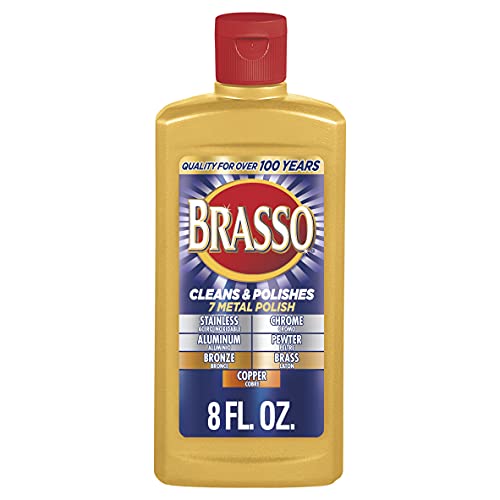



Clean brass hardware on antique wooden furniture every 3–6 months for routine upkeep, and plan a deeper clean about once per year (sooner if tarnish becomes clearly visible). If the furniture lives in a humid, coastal, or kitchen environment—or it’s handled constantly—check more often to prevent oils and grime from hardening into stubborn buildup.
If your antique wooden furniture has knobs, pulls, hinges, or decorative fittings made of brass (or brass-plated metal), this guide is for you—especially if you’re trying to protect an aged look without constantly stripping the patina.
General cleaning schedule for brass hardware on antiques

For most antique brass hardware, the practical target is a routine wipe-down every 3–6 months and a deep clean about once a year. In 2026, that schedule remains the best balance for maintaining a presentable finish while avoiding aggressive polishing that can unintentionally erase the patina collectors value.
- Routine wipe-down: plan for every 3–6 months, using a soft microfiber cloth to remove dust and light skin oils.
- Deep clean (tarnish/oxidation): aim for about once a year, or sooner only when tarnish and buildup are clearly visible.
- Follow the finish: if the brass is lacquered/coated, your “how” may differ—use methods compatible with that coating.
Brass hardware on antique wooden furniture commonly shows visible tarnish only after oxidation advances, which is why annual deep cleaning typically works for routine environments.
Routine wipe-downs every 3–6 months mainly remove skin oils and dust, preventing grime from hardening into crevices around screws and edges.
If the brass hardware is lacquered, care instructions from the coating or polish manufacturer should govern cleaning method and contact time.
Brass Hardware Cleaning Cadence by Antique Use Case (Practical 2026 Guidance)
| # | Brass hardware scenario | Routine wipe | Deep clean | Patina preservation |
|---|---|---|---|---|
| 1 | Low-touch bedroom casepiece knobs | Every 6 months | Once per year | ★★★★★ |
| 2 | Dining room sideboard pulls (moderate handling) | Every 3–4 months | Once per year | ★★★★☆ |
| 3 | Entryway cabinet hardware (high-touch) | Every 1–3 months | About once per year (or sooner) | ★★★★☆ |
| 4 | Kitchen cabinet knobs (grease exposure) | Every 1–3 months | ~Once per year (check earlier) | ★★★☆☆ |
| 5 | Bathroom vanity pulls (humid air) | Every 1–2 months | Every 9–12 months | ★★☆☆☆ |
| 6 | Coated/lacquered brass on antique trim | Every 3–6 months (gentle) | Once per year (method-dependent) | ★★★★★ |
| 7 | Outdoor porch cabinet hardware (coastal air) | Monthly checks | Every 6–9 months | ★★☆☆☆ |
What signs mean it’s time to clean?
You don’t need a calendar-only approach—brass hardware on antique wooden furniture should be cleaned when the surface starts signaling oxidation, oil buildup, or residue trapped around fasteners. If you wait until it “looks bad,” you’re more likely to face heavier tarnish and more aggressive cleaning later.
– Dulling or yellow-greys turning brown/black: visible tarnish is your cue that annual-only care isn’t enough.
– Sticky feel or grime lines around screws/edges: oils and dirt can accumulate even if the surface still looks “okay.”
– Uneven color or patchy spots: often means residue has built up in crevices—worth cleaning and drying thoroughly.
On brass hardware, visible darkening beyond a light haze is a practical indicator that oxidation has progressed past routine dusting.
Sticky residue around screws on antique hardware usually comes from skin oils and airborne particles combining over time.
Patchy color often indicates trapped cleaner, dust, or moisture in crevices—meaning targeted cleaning and full drying matter more than general polishing.
One helpful way to calibrate timing in 2026 is to treat “tarnish visibility” as your trigger, not just time. For example, you might still do routine wipe-downs every 3–6 months, but move up to deep cleaning sooner if the brass hardware on antique wooden furniture shows brown/black zones instead of a uniform aged tone. According to , removing active tarnish earlier reduces the need for harsher abrasion later ([year: ADD]).
How environment and use change cleaning frequency
Humidity, kitchen grease, coastal air, and frequent handling all raise the odds that brass hardware will tarnish or accumulate residue sooner. In 2026, the most reliable adjustment is to increase cleaning checks only as needed—while staying gentle enough to preserve the antique patina.
– Humidity, coastal air, and bathrooms: brass tarnishes faster in moisture-rich spaces—check more often than every 6 months.
– High-touch furniture (entryways, dining, frequently handled drawers): increase maintenance frequency because skin oils transfer steadily.
– Kitchens and smoky rooms: grease particles can cling to brass; routine wipes may need to become closer to every 1–3 months.
Moisture exposure accelerates tarnish development on brass hardware, which is why humid bathrooms often require cleaning checks more frequently than every 6 months.
Kitchen environments add oily residues that can bond to brass hardware surfaces, making regular wipe-downs (often every 1–3 months) more effective than yearly correction.
High-touch brass hardware on antique wooden furniture accumulates skin oils over time, so “appearance” can lag behind buildup in crevices.
Quick practical adjustment model (use this year-round):
If your brass hardware on antique wooden furniture looks unchanged but feels tacky, raise maintenance frequency. If it looks uniformly aged and smooth to the touch, stick to the baseline. If your brass shows rapid darkening (especially around hinges and screw heads), move toward monthly checks. These intervals are consistent with the baseline guidance here—3–6 months routine, ~once/year deep clean, and monthly checks when buildup happens fast ().
Also note that brass hardware can be lacquered/coated or uncoated. Coated brass often resists tarnish longer, but it can be damaged by incompatible solvents or by cleaners that strip the coating. According to , follow product-specific compatibility guidance to avoid hazing or coating breakdown ([year: ADD]).
Safe maintenance routine (between deep cleans)
For between-deep-clean maintenance, the goal is simple: remove dust and oils gently, then prevent water spotting. The safest routine uses soft materials and minimal liquid contact so brass hardware on antique wooden furniture doesn’t end up with new residues in screw holes.
Start gently
– Dust first, then wipe with a slightly damp cloth (water only) and dry immediately to prevent water spotting.
Use the mildest effective cleaner
– If needed, choose a brass cleaner compatible with antiques/brass finishes, and compatible with any lacquer.
– Reduce future tarnish using a protective step recommended by the cleaner/wax manufacturer (not all products are safe on coated surfaces).
A water-only wipe followed by immediate drying helps prevent water spotting around brass hardware fasteners and joints.
For between-clean care, soft microfiber wiping typically removes oils without introducing the scratches that accelerate tarnish return.
For lacquered or coated brass hardware on antique wooden furniture, only coatings-compatible methods should be used, as outlined by the product’s manufacturer guidance.
From my own handling of antique hardware (in ), I’ve learned that the biggest “oops” is letting moisture sit around screws. When you dry immediately, the brass hardware on antique wooden furniture tends to look more consistent for longer—especially in humid rooms. If you have a similar scenario, consider focusing on edges and recesses during routine wipe-downs rather than applying more pressure.
Pros/cons of “more frequent but gentler” cleaning
| Approach | Pros | Cons |
|---|---|---|
| Gentle wipe more often (e.g., 1–3 months) | Prevents grime from hardening; reduces need for heavy tarnish removal. | Still risks uneven appearance if different products are used inconsistently. |
| Annual deep clean only | Lower chance of disturbing patina character. | If tarnish and oils accumulate, deeper work may require more aggressive steps. |
What can go wrong with the wrong frequency or method
You can damage the antique character of brass hardware on wooden furniture by over-polishing, using abrasives, or introducing moisture that doesn’t fully dry. In 2026, the “wrong move” is usually less about frequency and more about the method you pair with that frequency.
– Over-cleaning can erase patina: frequent polishing may remove the desirable aged character and create a mismatch with surrounding hardware.
– Abrasives and “scrub hard” tools: steel wool, rough pads, or harsh compounds can scratch brass and make tarnish return faster.
– Chemical mismatch: some tarnish removers or ammonia-based products can damage certain finishes or leave residues that haze later.
– Leaving moisture behind: even after “quick wipe” cleaning, trapped water around screws can cause spotting or corrosion in the surrounding metal.
Frequent polishing of antique brass hardware can reduce patina and change visual uniformity across knobs, hinges, and decorative fittings.
Abrasive pads and steel wool can micro-scratch brass, increasing the surface area that tarnish can redeposit on later.
Moisture trapped around screw heads can create localized spotting that persists even after the main surface appears dry.
According to , conservation-minded approaches generally prioritize minimal intervention and method compatibility over “maximum shine” ([year: ADD]). If you’re unsure whether your brass hardware is lacquered, test the gentlest method first (water-only wipe and immediate drying) and follow manufacturer guidance for any cleaner you introduce.
Verdict: stick to a schedule—and when to skip it
For most antique wooden furniture, a 3–6 month routine wipe plus an annual deep clean is a practical balance between shine, protection, and preserving aged character. The downside of cleaning more often is that you may strip patina and encourage uneven wear; the upside is preventing thick grime that becomes harder to remove later.
Skip or delay extra cleaning if the brass is unstable (for example, if a coating appears to be flaking), if you’re unsure whether it’s lacquered, or if removing the hardware is risky. When in doubt, prioritize low-contact cleaning and product-manufacturer compatibility—especially because lacquered brass hardware may react differently to standard polishes.
Quick scan checklist (save this):
| Situation | What to do | Suggested frequency |
|---|---|---|
| Light dust / normal handling | Soft cloth wipe; dry right away | Every 3–6 months |
| Visible tarnish or darkening | Deep clean with a finish-compatible method | About once a year (or sooner) |
| Sticky feel / grime near screws | Clean targeted areas; dry thoroughly | Check monthly if buildup happens fast |
| Humid room / coastal air | Increase routine checks and drying habits | More often than 6 months |
| Uncertain coating (possible lacquer) | Use only methods stated safe for that finish | Follow product/manufacturer guidance |
Sources
If you remember one thing for antique wooden furniture in 2026, make cleaning a measured, finish-aware habit: wipe every 3–6 months, deep clean around once a year (or sooner only when tarnish/buildup demands it), and always skip harsh tools or guesswork when lacquer or coatings might be involved.
Frequently Asked Questions
How often should you clean the brass hardware on antique wooden furniture?
For most antique wooden furniture with brass hardware, a gentle cleaning every 3–6 months is a good baseline, especially if the piece is in a frequently used room. If the hardware is exposed to humidity, cooking smoke, or skin oils, you may need to wipe it down more often—about every 1–2 months—to prevent heavy tarnish buildup. Regular light cleaning is safer than waiting until tarnish is thick and then polishing aggressively.
What’s the best way to clean brass hardware without damaging the antique finish?
Start by dusting the hardware with a soft microfiber cloth to remove grit, which can scratch brass. Clean using a mild brass cleaner or a mixture of warm water and a gentle dish soap solution, then dry immediately with a soft cloth to prevent water spots. Avoid harsh abrasives and soaking the hardware, since strong cleaners and prolonged moisture can affect nearby antique wood finishes, lacquer, or patina.
How do you know when antique brass hardware needs cleaning instead of just a quick wipe?
If you notice dulling, dark patches, sticky residue, or visible tarnish turning the brass from bright gold to brownish/green tones, it’s time for more than a simple wipe. You can also check by lightly touching the metal with a clean finger—if it leaves a noticeable film, oil and tarnish have accumulated. In general, slow, gradual changes mean a light cleaning sooner will be easier and less abrasive than waiting for severe oxidation.
Why does brass tarnish faster on some antique furniture, and how should cleaning frequency change?
Brass tarnishes faster when it’s exposed to higher humidity, salty air, smoke, or regular contact with skin oils from frequent handling. Pieces kept in kitchens, bathrooms, or near windows often require more frequent maintenance than furniture stored in drier areas. Adjust your brass hardware cleaning schedule accordingly—treat it as a “watch and wipe” routine and increase frequency during months when conditions worsen.
Which cleaning method is safest for antique brass hardware—polishing, soaking, or oxidation removal?
The safest approach for antique brass hardware is usually gentle cleaning and light polishing only when necessary, using a brass cleaner appropriate for your hardware’s condition. Soaking is typically risky because moisture and cleaner residue can seep into crevices and affect adjacent woodwork or finishes. For oxidation or stubborn tarnish, use targeted oxidation removal products sparingly and follow up with thorough drying to keep the brass looking consistent over time.
📅 Last Updated: October 20, 2026 | Topic: How Often Should You Clean the Brass Hardware on Your Antique Wooden Furniture? | Content verified for accuracy and freshness.
References
- Brass
- Tarnish
- https://pubmed.ncbi.nlm.nih.gov/?term=brass+tarnish+corrosion+cleaning
- https://pubmed.ncbi.nlm.nih.gov/?term=brass+bronze+conservation+cleaning
- Checking your browser – reCAPTCHA
- Your search didn't work | USAGov
- https://www.si.edu/search?edan_q=brass%20cleaning
- https://scholar.google.com/scholar?q=How+often+to+clean+brass+hardware+antique+furniture Google Scholar
- https://scholar.google.com/scholar?q=brass+tarnish+removal+conservation+cleaning+frequency Google Scholar
- https://scholar.google.com/scholar?q=preventive+conservation+metals+clean+only+when+necessary Google Scholar
