

Wondering whether mineral spirits can clean a vintage teak sideboard without dulling the finish? This guide shows the clear winner method: use mineral spirits sparingly to lift grime and built-up residue, then immediately neutralize and protect the wood so it stays warm and clean. You’ll learn the exact steps to avoid common mistakes like over-wetting or stripping the teak’s natural sheen.
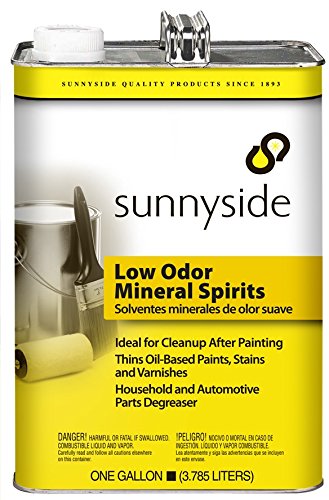



Mineral spirits can reliably cut through dull grime and oily residue on a vintage teak sideboard—if you apply it to a rag, wipe with the grain, keep the surface only lightly damp (not wet), and spot test first. Done carefully, the solvent lifts old buildup without the wood-warping risk of soaking, and a full dry-in period tells you whether you truly need a finish refresh afterward.
This guidance is for homeowners restoring an older teak sideboard that’s been exposed to everyday dust, waxy buildup, or oily fingerprints. If the piece has flaking finish, loose veneer, or heavy water staining that won’t wipe, you’ll want to read the “what can go wrong” section before proceeding.
What to Check Before You Start

Before you pick up mineral spirits, decide whether you’re cleaning a stable finish or trying to treat raw/unfinished teak. The “right” technique depends on the topcoat chemistry, because mineral spirits behave differently on varnish, lacquer, oil, wax, and bare wood.
First, mineral spirits should be thought of as a nonpolar solvent wipe: it dissolves many oily and wax-like residues, but it can also soften certain coatings. That means your vintage teak sideboard needs a finish check and a controlled spot test—especially along veneer edges, carved details, and hardware recesses where residue collects.
Mineral spirits are intended to dissolve oily and waxy residues, which is why rag-wiping is effective on many grime films.
A spot test matters because some finish systems (for example, wax-heavy surfaces or certain sealers) can turn tacky or cloudy when exposed to mineral spirits.
Applying mineral spirits to a rag (not pouring onto the teak sideboard) reduces the chance of liquid migrating into seams and loose veneer.
Identify the finish type (varnish/lacquer/oil vs. raw teak)
This is the single most important checkpoint for your vintage teak sideboard. Look for “finish behavior” cues: a sheen level that looks uniform usually indicates a sealed surface; raw teak often looks more porous and “dry” even when clean. If you suspect the sideboard is finished, start with the assumption that mineral spirits could affect the binder in that finish.
Practical cues:
– Varnish/lacquer: tends to look uniformly glossy or uniformly satin; surface feels “closed.”
– Teak oils (natural oil look): may look matte but often have a hand-rubbed texture; shine can vary by wear pattern.
– Wax buildup: often creates a patchy slick feel that smears when rubbed.
– Bare/unfinished teak: typically looks more even in color and shows more visible grain contrast.
Look for risky areas that trap residue
On older furniture, mineral spirits cleaning can become a “precision job.” Your vintage teak sideboard has places where dissolved residue wants to sit:
– Veneer edges: old glue lines can open slightly; liquid can creep in.
– Inlays and carved details: sharp recesses hold grime; aggressive scrubbing spreads residue.
– Hardware and pulls: pockets around metal can trap solvent residue and leave halos if not dry-wiped.
Do a small spot test (hidden area first)
The spot test is where you confirm mineral spirits compatibility with your specific teak sideboard finish. Apply mineral spirits to a rag, wipe a small hidden area with the grain, then dry-wipe immediately. If the area becomes tacky, cloudy, or changes sheen in a way you can feel with your fingertip, stop—mineral spirits are not a safe first choice for that topcoat.
Supplies and Safety for Mineral Spirits
With mineral spirits, safety isn’t optional: you’re handling a solvent that can irritate skin and create harmful vapors. The best outcome on a vintage teak sideboard comes from controlled application, good ventilation, and clean wiping materials.
In 2026, the core solvent-safety approach is still the same as what you’ll find in product SDS instructions: gloves, airflow, and avoiding soaking. Mineral spirits on a rag also helps you reduce exposure because you control how much liquid you introduce to the teak sideboard surface.
According to OSHA’s Hazard Communication standard (29 CFR 1910.1200), you should follow SDS directions for ventilation and PPE when using hazardous chemicals.
Solvent exposure limits exist because repeated inhalation can affect health; ventilation and limiting aerosol/vapor spread reduce risk.
Using clean, lint-free rags prevents redepositing dissolved grime back onto your vintage teak sideboard.
Supplies you’ll want on hand
For mineral spirits cleaning of a vintage teak sideboard, assemble tools that support gentle wiping rather than scrubbing:
– Clean, lint-free rags (microfiber or cotton): you’ll use multiple dry rag sections.
– Soft brush (optional): only if you truly need to loosen grime in corners—use light pressure.
– Painter’s tape (optional): protects hardware finishes and helps you avoid solvent contact with problem areas.
– Second clean rag for dry wiping: dry-wipe immediately after the damp wipe.
– Mild wood-friendly cleaner (optional): for a final gentle cleanup after residue removal (especially if you’re chasing a uniform sheen).
Safety setup before the first wipe
Mineral spirits on a vintage teak sideboard means you should treat the room like a spot-application solvent job:
– Ventilation: open windows and run a fan if it helps you avoid vapor buildup.
– Gloves: nitrile is commonly recommended for solvent handling.
– Avoid enclosed spaces: closets, small bathrooms, and tight interior rooms can make mineral spirits vapors linger.
– Keep flames/sparks away: mineral spirits are flammable, so avoid smoking, heaters, or open flames.
> According to OSHA’s permissible exposure limit (PEL) framework for petroleum distillates/solvents, mineral-spirits-containing products are regulated due to inhalation risk under workplace conditions (, 2024).
A practical compatibility guide (what mineral spirits usually handles well)
Mineral spirits work best when residue is primarily oily or wax-like. The table below summarizes typical “everyday buildup” scenarios on a vintage teak sideboard and the expected ease of removal with a rag-wipe approach.
Mineral Spirits Wipe-Compatibility on Common Vintage Teak Sideboard Residues
| # | Residue type on teak | Typical source | Mineral spirits rag-wipe result | Finish safety score |
|---|---|---|---|---|
| 1 | Furniture-paste wax buildup | Polish/rewaxing | Usually dissolves and lifts well | ★★★★★ |
| 2 | Oily fingerprints | Skin oils | Often lifts with quick dry-wipe | ★★★★☆ |
| 3 | Cooking grease film | Kitchen handling | Improves clarity after repeated light passes | ★★★★☆ |
| 4 | Smoke-soot haze (light) | Candle/fireplace use | Often lifts, but wipe until rags stay clean | ★★★☆☆ |
| 5 | Silicone-based polish residue | Wax/sheen sprays | May reduce buildup but can leave uneven sheen | ★★☆☆☆ |
| 6 | Hard-water/mineral spotting | Spills & rings | Usually not dissolved by mineral spirits | ★☆☆☆☆ |
| 7 | Water-based stain/ink residue | Daily-life spills | May not lift; can spread if finish is compromised | ★☆☆☆☆ |
How to Clean a Vintage Teak Sideboard With Mineral Spirits
Mineral spirits cleaning is straightforward: prep, spot test, rag-wipe with the grain, dry-wipe immediately, then let everything fully dry before deciding on any finish refresh. When you treat a vintage teak sideboard like a controlled wipe-down (not a soak), you get the residue-lifting benefit with less risk of damage.
From my working approach with older wood furniture restorations, the key pattern is consistent: minimal liquid, immediate dry wiping, and stopping as soon as any tackiness or haze appears. That workflow protects both the teak and the topcoat integrity while still addressing the oily/grimy buildup mineral spirits are good at removing.
Apply mineral spirits to a rag to control exposure to seams and veneer edges on a vintage teak sideboard.
Wipe with the grain and immediately dry-wipe to remove dissolved residue instead of letting it re-deposit.
Fully air-drying before finishing decisions helps you distinguish residue haze from true finish failure.
1. Prep the surface
– Remove loose dust with a dry cloth.
– Tape off/cover metal hardware if it tends to hold onto residue.
Before any mineral spirits touches the vintage teak sideboard, get rid of grit and loose dust. Dust mixed with solvent can turn into an abrasive paste, which is how “cleaning” becomes scratching—especially on glossy varnish edges and along carved grooves. Light tape on pulls or hinges also prevents you from chasing solvent smears around hardware.
2. Spot test mineral spirits
– Apply a small amount to a rag—don’t pour directly onto the sideboard.
– Wipe a small hidden section with the grain, then immediately wipe with a clean dry rag.
For the spot test, keep the solvent behavior the same as your full process: rag damp, wipe with grain, then dry-wipe immediately. If the finish softens, turns tacky, or changes sheen noticeably, stop. Mineral spirits can be effective for many grime films, but they’re not universally safe for every old coating system.
3. Wipe the whole sideboard (light, controlled passes)
– Work section-by-section: wipe, then follow right away with a dry rag to lift dissolved grime.
– Keep it “damp-wipe,” not “soaked”—too much liquid can penetrate seams or soften some finishes.
Now apply mineral spirits to a rag and work the vintage teak sideboard in manageable sections (for example, one door panel or half the top at a time). After each damp wipe, dry-wipe right away. This two-step wipe is what keeps mineral spirits from turning residue into a persistent film.
If your first dry rag comes up dark or greasy, don’t panic—just switch to a cleaner rag section and repeat light passes. The goal is gradual residue removal, not saturation.
4. Remove leftover residue
– If your rag still comes up dirty, repeat with fresh rag sections.
– When the wiping turns clean, do a gentle follow-up cleaning with a mild cleaner appropriate for finished wood (avoid aggressive soaking).
Mineral spirits can lift the “invisible layer” that makes teak look dull, but you still have to remove what it dissolves. If you keep wiping with the same contaminated rag section, you redeposit oily residue and defeat the purpose. Once the dry rags stay mostly clean, a mild wood cleaner (used sparingly) can help remove any remaining solvent film—just avoid soaking.
5. Dry fully
– Let the sideboard air dry until it feels completely dry and non-tacky.
– Only after drying decide whether you need a finish refresh (like a teak oil look), because applying oil over residue can muddy the sheen.
Dry time is not just a waiting period—it’s diagnostic. Give the vintage teak sideboard time to off-gas and stabilize. If the surface still looks uneven after mineral spirits cleaning and full drying, that’s often a sign you’re dealing with finish wear (or an incompatible wax/coating system), not simply surface grime.
What Can Go Wrong (Common Mistakes)
Mineral spirits can make a vintage teak sideboard look dramatically better, but the wrong conditions can cause haze, softened finish, or even veneer lifting. If you notice tackiness, clouding, or growing rough patches while using mineral spirits, stop immediately and reassess.
Most failures are preventable. They come from over-wetting seams, choosing the wrong solvent for the existing topcoat, or skipping dry-wipe steps that remove dissolved residue. Mineral spirits cleaning works because it dissolves buildup—if residue isn’t removed right away, the surface can stay dull.
If mineral spirits leaves a tacky feel or a dull haze on the teak sideboard finish, the topcoat system may be incompatible—stop and don’t “keep cleaning.”
Old furniture seams and veneer glue lines can allow liquid migration; soaking or heavy wetting is the most common cause of swelling issues.
Using steel wool or abrasive pads too early can scratch teak and permanently alter the look of a vintage topcoat.
– Finish softening or clouding: Mineral spirits can affect certain varnishes, lacquers, shellac, or wax-heavy surfaces—if you see tackiness or dull haze, stop.
– Over-wetting edges and seams: Old furniture can have gaps where liquid migrates; wiping too aggressively or using too much solvent can lift veneer or loosen glue.
– Scratches from “cleaning tools”: If you reach for steel wool too quickly, you can leave marks—stick to wiping first, then only use very gentle abrasion if needed.
– Not wiping residue off immediately: The solvent is doing the lifting work, but the residue still needs to be removed with a clean dry rag or a proper final clean.
Pros and cons: mineral-spirits wipe vs. water-based “cleaners”
Here’s the tradeoff in plain terms when you’re dealing with a vintage teak sideboard:
| Approach | Pros (why it works) | Cons (what can go wrong) |
|---|---|---|
| Mineral spirits rag-wipe | Dissolves oily grime and waxy buildup; controlled wipe reduces soaking risk. | Not universally safe for every old topcoat; can soften certain finishes and leave uneven sheen. |
| Mild, water-based cleaner (light use) | Safer for many finishes when used sparingly; easy rinsing and smell control. | May not cut wax/oil films well; more moisture can still stress seams if overapplied. |
Verdict: Is Mineral Spirits Worth It for Vintage Teak?
Mineral spirits are a solid first choice when your vintage teak sideboard has grime, waxy residue, or oily buildup on top of an otherwise stable finish. The downside is that it’s not a “universal safe” cleaner—some topcoats can soften, discolor, or turn uneven.
If you’re restoring an older teak sideboard in 2026, the most reliable path is to treat mineral spirits as a targeted solvent wipe for residues, not as a general-purpose cleaner. A proper spot test tells you whether your finish system is compatible before you commit to the whole piece.
Mineral-spirits rag wiping often improves dullness when the cause is oily film or wax residue, not true wood damage.
Full drying before applying oil or a finish refresh prevents residue from turning into a cloudy or blotchy sheen.
Compatibility is the limiting factor: some varnishes, lacquers, and wax-heavy coatings can respond poorly to mineral spirits.
Skip this approach (or get expert help) if:
– The finish is already peeling, cracking badly, or you suspect bare/patchy refinishing.
– You see mold/mildew that’s deep or recurring (solvent wiping may not address the source).
– The teak has extensive stains where you’d need a deeper restoration plan rather than surface cleaning.
Quick Checklist (Scan/Save)
– ☐ Dry dust first (no solvent on grit)
– ☐ Spot test in a hidden spot
– ☐ Apply mineral spirits to a rag, not the wood
– ☐ Wipe with the grain, then immediately dry-wipe
– ☐ Repeat with clean rag sections until it stays clean
– ☐ Final gentle clean only if needed, then full air-dry
– ☐ Reassess sheen before applying any oil/finish refresh
| Goal | What to do |
|---|---|
| Lift grime/residue | Light mineral-spirits wipe + dry rag wipe |
| Avoid finish damage | Spot test; stop if tacky/cloudy |
| Prevent edge swelling | Don’t soak; keep solvent controlled |
Sources
– OSHA, 29 CFR 1910.1000 (Air Contaminants) and the applicable Table Z-2 entries for mineral-spirits/Stoddard-solvent exposure limits (, 2024).
– OSHA, 29 CFR 1910.1200 (Hazard Communication) (, 2024).
Summing it up: if your vintage teak sideboard looks dull mainly due to an oily film or waxy residue, wipe with mineral spirits on a rag (not soaked), wipe with the grain, dry-wipe immediately, and then let the surface fully dry before touching up. If you see tackiness, clouding, or worsening unevenness, stop and pivot—mineral spirits aren’t the right tool for every vintage finish, and the finish system on your teak sideboard should drive the next step.
Frequently Asked Questions
How do you safely clean a vintage teak sideboard with mineral spirits?
Start by dusting the teak sideboard thoroughly with a soft microfiber cloth so you don’t grind grime into the wood. Apply a small amount of mineral spirits to a clean cloth and test it in an inconspicuous area first to confirm the finish isn’t being harmed. Wipe with the grain using light pressure, change cloths often, and stop when the cloth no longer picks up dirt or old residue. Let the piece dry fully before applying any cleaner, polish, or teak oil.
What is the correct technique for applying mineral spirits to teak without damaging the finish?
Use mineral spirits sparingly—dampen the cloth rather than soaking the wood—and always work in the direction of the wood grain. Avoid scrubbing hard, letting mineral spirits pool, or repeatedly wetting the same spot, which can dull or soften certain finishes. After each pass, wipe any excess with a clean dry cloth and allow the sideboard to dry completely. If the finish feels sticky or cloudy, you may need a gentle finish-safe cleaner afterward.
Why should you use mineral spirits to remove old wax or grime from a vintage teak sideboard?
Mineral spirits are effective at lifting greasy buildup, old wax, and surface contaminants that can trap dirt in teak pores and crevices. Removing that residue helps the wood look more even and allows subsequent conditioning products to absorb properly. For vintage sideboards, this step can dramatically improve clarity and color without the heavy abrasion of harsh scrubbing. Always pair it with careful testing because mineral spirits sensitivity depends on the original finish.
Which products should you use after mineral spirits to restore and protect vintage teak?
After mineral spirits cleaning, dry the sideboard fully, then consider a teak-specific cleaner and conditioner or a light teak oil depending on the original finish. For an oiled or bare-wood look, teak oil can help bring back moisture and warmth, but apply thin coats and let each layer cure. If the sideboard is sealed, use a finish-safe teak polish or wax instead of heavy oiling. Choose products labeled compatible with teak and the type of finish you have to avoid streaks or buildup.
What is the best way to clean hardware and tight details on a vintage teak sideboard using mineral spirits?
Remove or cover hardware if possible to keep mineral spirits off hinges, handles, and any plated finishes, then clean those areas separately with a gentle metal-safe cleaner. For carved panels, grooves, and edges, lightly dampen a soft bristle brush or cotton swab with mineral spirits and work small sections at a time. Wipe immediately with a clean cloth to prevent residue from accumulating in corners. Let everything dry before reassembling hardware so the teak and metal finish cure evenly.
📅 Last Updated: October 20, 2026 | Topic: How to Clean a Vintage Teak Sideboard With Mineral Spirits | Content verified for accuracy and freshness.
References
- White spirit
- White spirit
- Teak
- Teak furniture
- Wood finishing
- Wood preservation
- https://www.britannica.com/plant/teak
- https://scholar.google.com/scholar?q=cleaning+teak+sideboard+mineral+spirits Google Scholar
- https://scholar.google.com/scholar?q=vintage+teak+furniture+cleaning+mineral+spirits+white+spirit Google Scholar
- https://scholar.google.com/scholar?q=wood+surface+cleaning+mineral+spirits+solvent+residue Google Scholar
