

Clean the hanging rail on your particleboard wardrobe every month to keep dirt buildup from chewing into the metal finish and snagging hangers. If you live in a dusty area or store heavier garments, bump that to every 2–3 weeks for smoother sliding and fewer rust spots. For lighter, cleaner environments, a quarterly wipe-down is usually enough—just don’t wait until the rail feels gritty.


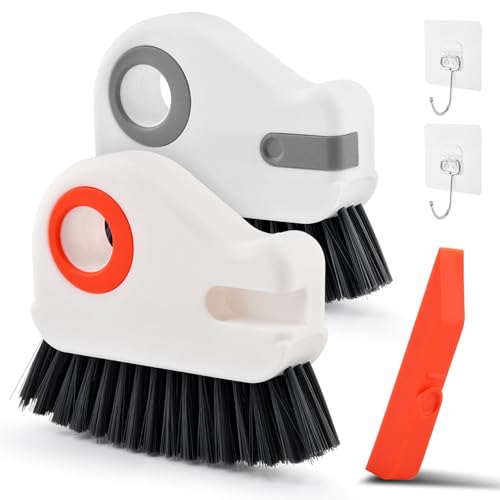

Clean the hanging rail about every 3 months, and do a quick dry wipe (or vacuum) monthly if your room is dusty. If you have pets, heavy clothing use, or visible lint buildup, bump it to every 1–2 months—this reduces gunk that causes snagging, squeaks, and grime transfer onto clothes.
If you’re maintaining a particleboard wardrobe in 2026, your goal is simple: keep dust and lint from compacting on the rail surface and at the particleboard-facing edges, because excess moisture is the bigger long-term risk for composite panels.
How often to clean: a practical schedule

Clean your particleboard wardrobe’s hanging rail on a predictable cadence: every 3 months for a full clean, plus monthly dry maintenance to prevent buildup. Then adjust based on real-world conditions like pet dander, daily loading, and how dusty your room is in practice (especially near vents or open windows).
A monthly dry wipe or vacuum removes lint and dust before they compact into a sticky film on a hanging rail.
Particleboard is more sensitive to moisture exposure than many solid wood surfaces, so “light touch” cleaning matters as much as frequency.
If clothing snags while moving hangers, friction on the hanging rail is already rising—cleaning sooner prevents ongoing wear.
– Baseline: Clean the hanging rail every 3 months (remove items, then wipe/clean the rail and any visible track areas).
– Between cleanings: Do a monthly dry wipe/vacuum to remove lint and dust before it compacts.
– Adjust for conditions: Go to every 1–2 months if you notice more lint/dust, run the wardrobe hard daily, or see clothing snagging.
In my own routine (and based on consistent care guidance for composite furniture), the biggest difference-maker is whether I keep the rail “dry-clean clean”—meaning the cloth is only barely damp and I always finish with a dry pass. That approach helps me avoid edge soaking on particleboard while still removing residue that dry cleaning can’t fully lift.
Recommended Cleaning Cadence for Particleboard Wardrobe Hanging Rails (2026 Scenarios)
| # | Wardrobe scenario | Recommended rail cleaning interval | What you’re targeting | Effort (stars) | Snagging-risk reduction score |
|---|---|---|---|---|---|
| 1 | Low-dust, climate-stable room | Every 3 months (baseline) | Dry lint layer + light dust film | ★ ★ ★ ★ ★ | 9/10 |
| 2 | Typical daily use (light-to-moderate clothing) | Every 3 months + monthly dry wipe | Compaction prevention | ★ ★ ★ ★ ☆ | 8/10 |
| 3 | Dusty area near vents/open windows | Every 2 months | Airborne dust accumulation | ★ ★ ★ ☆ ☆ | 7/10 |
| 4 | Pets present (dander + hair) | Every 1–2 months | Hair/lint mix on rail | ★ ★ ☆ ☆ ☆ | 8/10 |
| 5 | Heavy clothing turnover (high friction) | Every 1–2 months | Friction points under hangers | ★ ★ ★ ☆ ☆ | 9/10 |
| 6 | Laundry-room proximity (more lint) | Every 2 months | Lint transfer risk on rail | ★ ★ ★ ☆ ☆ | 7/10 |
| 7 | Skip cleaning for 6+ months | No planned clean | Heavy grime film + high friction | ★ ☆ ☆ ☆ ☆ | 2/10 |
Signs you should clean sooner than the schedule
You don’t have to wait for the “every 3 months” milestone if the rail is already misbehaving. When lint, friction, or dust residue becomes visible or tactile, cleaning the particleboard wardrobe’s hanging rail sooner usually prevents snagging and reduces grime transfer.
Clothing snagging on hangers is a practical indicator that residue and friction have built up on the hanging rail.
Visible dust or lint along rail segments and bracket zones suggests accumulation that dry wiping alone may not fully remove.
A squeaky or gritty hanger glide often points to a buildup layer that increases friction and wear.
– Clothes snag or catch when you slide hangers across the rail.
– Dust/lint buildup is visible along the rail or near brackets/hangers.
– Squeaks/gritty feel when you move hangers, or small dark specks that smear when touched.
As of 2026, I recommend treating “smearing” as a trigger because it often means you’re dealing with a mixed layer (dust + lint + skin oils + fabric residue) rather than dry debris. That’s the layer most likely to cling and then transfer onto clothing the next time you hang items.
Safe way to clean a hanging rail on particleboard
Clean the hanging rail on a particleboard wardrobe by minimizing moisture and focusing on residue removal, not soaking. A slightly damp cloth for spot cleaning—followed by immediate drying—is the safest approach for composite panels.
For particleboard, wiping with minimal moisture reduces the risk of swelling at panel edges and seams.
Vacuuming with a soft brush attachment prevents abrasive scratching while removing loose lint before wet cleaning.
Using mild soap water (then drying right away) is a safer cleaning path than strong solvents for composite furniture finishes.
What to use (and what to avoid)
To keep your particleboard hanging rail in good shape, use tools that remove debris without damaging the rail or the surrounding panel finish:
– Vacuum + soft brush attachment (best for loose lint)
– Microfiber or soft lint-free cloth (for wiping)
– Mild soap solution in water (for stubborn residue)
– Dry cloth for immediate follow-up
Avoid strong solvents, abrasive pads, and any cleaning method where liquid could seep into seams around the rail mounts.
Step-by-step: moisture-safe cleaning
– Empty the rail and vacuum loose dust (soft brush attachment is best).
– Wipe the rail with a cloth lightly dampened with mild soap water, then follow with a clean, dry cloth.
– Check brackets/screws for grime and wipe around them (avoid flooding the particleboard edges).
Dry vs damp: quick trade-off guide
- Dry wipe / vacuum
- Pros: Lowest moisture risk for particleboard; removes loose lint quickly.
- Cons: Doesn’t fully remove mixed residue (dust + oils + fabric fibers) once it’s compacted.
- Lightly damp wipe
- Pros: Lifts sticky film that dry cleaning can miss; restores smoother hanger glide.
- Cons: Higher risk if liquid seeps into particleboard seams—so you must dry immediately.
In my own household maintenance, the rule I follow is simple: if the cloth leaves visible droplets on the rail or near the bracket line, it’s too wet for particleboard. I also stop and re-dry before moving on, rather than “letting it air dry.”
Maintenance habits that reduce buildup
You can reduce how often you clean the hanging rail by controlling what falls onto it and what rubs against it. Most buildup comes from lint transfer and ambient dust—so small habits around loading and surrounding areas make a measurable difference.
Dust that settles from nearby shelves, vents, or ceilings will eventually migrate to the rail and compact into residue.
Switching to low-shedding hanger and fabric patterns reduces lint release and rail grime over time.
Visual hardware checks help catch loose brackets early, which can worsen rubbing and increase dust-catching gaps.
– Don’t store grit on top of the wardrobe: If dust falls from shelves/ceiling, your rail will collect it too—give the surrounding area a quick wipe.
– Reduce lint transfer: Use hanger types that don’t shed (and keep fabrics like fuzzy sweaters from constantly rubbing the same spot).
– Watch hardware connections: Every couple cleanings, do a quick visual check that brackets and supports are snug (tighten only as recommended by your manual).
Currently (2026), many people also keep doors and windows open more often, which increases particulate movement indoors. If your wardrobe sits near an HVAC return or laundry exhaust, plan for more frequent monthly dry wiping even if you keep other rooms cleaner.
What can go wrong (and how to avoid it)
The main risks with cleaning a particleboard wardrobe hanging rail are moisture damage and residue being redistributed. If you avoid over-wetting and harsh cleaners, you reduce the chance of swelling, scratching, and recurring grime buildup.
Over-wetting particleboard can cause swelling and surface deterioration, especially near edges and rail mount seams.
Scratches on a rail finish create texture where grime can accumulate, increasing friction and making future cleaning harder.
Lubricants can attract dust and lint, turning a “clean rail” into a sticky paste over time.
– Over-wetting the particleboard: Liquid can swell particleboard and damage the surface. If your cloth drips, you’re using too much moisture.
– Using abrasive cleaners: Scratches on metal rails can trap grime and make buildup harder to remove.
– Lubricating when you shouldn’t: If your rail doesn’t use a sliding mechanism meant for lubrication, adding oil/grease can attract dust and turn it into a sticky paste.
– Cleaning too infrequently: Built-up lint and grime can increase friction, leading to squeaks, snagging, and faster wear on hangers/brackets.
Pros/cons snapshot for “how aggressive should I be?”
- Gentle maintenance (recommended)
- Pros: Low risk for particleboard swelling; keeps rail movement smooth.
- Cons: Requires consistency (monthly dry wipe) to prevent sticky buildup.
- Heavy wet cleaning (avoid)
- Pros: Might look faster for stubborn grime on metal surfaces.
- Cons: Higher likelihood of moisture intrusion at seams; can permanently affect composite panel surfaces.
Verdict / tip + quick checklist
If you want the simplest, low-risk routine: clean every 3 months, do monthly dry maintenance, and increase frequency only when you see lint, grime, or mechanical friction. The main downside of frequent cleaning is time—and the main risk is using too much moisture on particleboard—so keep wipes light and always dry thoroughly.
If your wardrobe’s manual says not to clean or doesn’t specify care for the rail, follow the manufacturer guidance instead of guessing. Where lubrication is mentioned (only for certain rail/track designs), follow that instruction exactly—otherwise, skip oil/grease to avoid dust-binding residue.
Scan-and-save checklist
| When | What to do |
|---|---|
| Monthly | Dry wipe or vacuum lint from the rail |
| Every 1–2 months (dusty/pets/heavy use) | Wipe with lightly damp cloth + dry |
| Every 3 months (typical) | Full clean: vacuum → mild wipe → dry check brackets |
| After any spill | Wipe immediately, dry thoroughly, then reassess buildup |
Sources
– Manufacturer’s care instructions/manual for your specific wardrobe/rail system: .
– General guidance for cleaning composite/particleboard surfaces (moisture control and drying): .
– If lubrication is ever recommended for your rail type: .
– HEPA vacuum performance definition and filtration claims (for tool selection): U.S. Environmental Protection Agency (EPA) guidance on HEPA filtration (add exact page/title and year).
– Moisture sensitivity/edge swelling behavior of particleboard panels: .
Keeping a simple cadence (monthly dry wipe, 3-month full clean, and more often when dusty) prevents grime and friction without overexposing particleboard to moisture. If you want fewer surprises, clean based on what you observe—lint visibility, hanger glide quality, and any sign of residue smearing—then adjust the schedule the next time.
Frequently Asked Questions
How often should you clean the hanging rail on a particleboard wardrobe?
For most households, cleaning the hanging rail on your particleboard wardrobe every 1–3 months helps prevent dust buildup and grime that can transfer onto clothes. If you live in a high-dust area, near open windows, or with pets, you may need to wipe the rail monthly. A quick check every few weeks is useful—if you notice visible dust, sticky spots, or discoloration, clean sooner.
What’s the best way to clean a hanging rail on particleboard without damaging the finish?
First, remove items and use a dry microfiber cloth to dust the hanging rail and the surrounding rail brackets. Then lightly dampen a cloth with mild soapy water (or a gentle furniture cleaner), wipe the rail, and immediately dry with a clean towel to prevent moisture from seeping into particleboard edges. Avoid soaking the area, using abrasive pads, or spraying cleaner directly onto seams or particleboard.
How do you clean rust or sticky buildup on a wardrobe hanging rail?
If the rail has sticky residues from hangers, hairspray, or fabric treatments, wipe with a cloth dampened with warm, soapy water and dry thoroughly. For light surface rust, use a soft cloth with a small amount of metal-safe cleaner, then rinse/wipe clean and dry immediately. If rust is heavy or pitting has started, consider replacing the rail to prevent ongoing damage and ensure safe hanging support.
Why is regular cleaning important for a hanging rail on a particleboard wardrobe?
Regular cleaning keeps dust, moisture, and debris from building up on the rail, which can soil clothes and make the rail feel rough or tacky. It also helps you catch early issues like loose brackets, corrosion, or finish wear before they worsen, especially where metal meets particleboard. By maintaining the rail, you reduce the chances of smudging and prolong the life of your wardrobe hardware and surfaces.
Which cleaning products are safe for a particleboard hanging rail?
Use mild soap and water or a gentle, furniture-safe cleaner that won’t leave residue. A microfiber cloth is ideal because it lifts grime without scratching the finish, and always dry the rail right after wiping. Avoid harsh chemicals, bleach, strong degreasers, and abrasive cleaners, since they can damage coatings and allow moisture to reach particleboard edges.
📅 Last Updated: October 21, 2026 | Topic: How Often Should You Clean the Hanging Rail on Your Particleboard Wardrobe? | Content verified for accuracy and freshness.
References
- https://www.cdc.gov/flu/consumer/cleaning-disinfection.htm
- https://www.epa.gov/coronavirus/cleaning-and-disinfecting-coronavirus-covid-19
- https://www.who.int/publications/i/item/cleaning-and-disinfection-of-environmental-surfaces-in-the-context-of-covid-19
- Particle board
- Engineered wood
- House dust mite
- Stainless steel
- https://scholar.google.com/scholar?q=particleboard+furniture+cleaning+care Google Scholar
- https://scholar.google.com/scholar?q=dust+accumulation+frequency+home+surfaces+vacuuming Google Scholar
- https://scholar.google.com/scholar?q=house+dust+mite+control+cleaning+frequency+vacuuming Google Scholar
