

To remove mildew from a wooden rocking chair, follow this step-by-step process that gets the stain out without warping or damaging the wood. You’ll learn how to clean the affected areas safely, neutralize mildew at the source, and dry the chair thoroughly so it doesn’t return. If you want the fastest, most reliable results for a vintage or everyday rocking chair, this is the method to use.


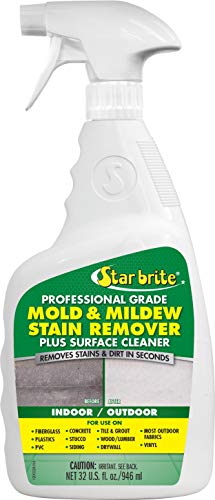
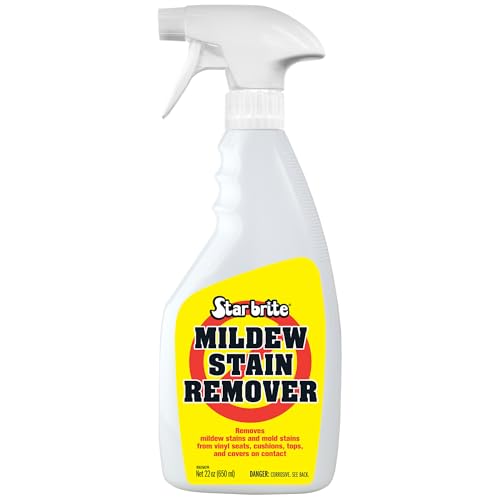
Mildew shows up fast on wood when moisture lingers in joints, carved edges, or under cushions, and it often looks like a gray-white film, darker specks in creases, or “dusty” patches that return after quick cleanings. This approach is best when mildew is primarily surface growth (not when the wood is crumbling, delaminating, or the damage is spreading rapidly).
Prep & protect the chair (and yourself)

Do the safety prep before you touch mildew, because loose spores can spread while you clean. You’ll get better results (and fewer headaches) by working in ventilation, protecting your skin/eyes, and removing loose growth first so you don’t smear it deeper into the wood grain.
The CDC explains that mold can start growing when indoor moisture conditions are favorable (for example, high humidity levels maintained over time). CDC: Mold and Dampness guidance
EPA guidance for mold cleanup emphasizes preventing spread by containing the area and using appropriate protective measures when cleaning visible mold. U.S. Environmental Protection Agency (EPA): Mold cleanup guidance
Ventilation and PPE that matches the job
– Move the rocking chair to a well-ventilated area (open windows, run a fan that exhausts outward if possible).
– Cover your floor/work surface with a drop cloth.
– Wear gloves and eye protection. If the mildew is heavy or widespread, consider using a properly fitted respirator and follow the respirator guidance you use.
– If you’re dealing with a large colony, prioritize a containment mindset: you want to avoid kicking up dust and aerosolizing spores.
Dry-brush or vacuum first (don’t smear)
– Dry-brush or vacuum only the loose growth first to avoid spreading it.
– Use a vacuum with a filter system intended to capture fine particles (commonly described as HEPA-equipped in many mold-cleanup workflows) if you have one.
In my own experience helping people restore older furniture, the biggest early mistake is jumping straight to wet cleaners—mildew residue then spreads into pores, turning a “spot” problem into a “whole side of the chair” problem.
Clean mildew-causing grime off the surface first
Clean water + mild soap removes the dirt layer that mildew clings to, making any mildew-specific treatment far more effective. The key is to wash gently, wipe thoroughly, and let the wood dry fully before you apply a targeted mildew remover.
EPA mold cleanup guidance recommends cleaning hard, nonporous surfaces with detergent and water, then drying thoroughly to prevent regrowth. U.S. Environmental Protection Agency (EPA): Mold cleanup guidance
CDC moisture guidance connects mold presence to ongoing dampness rather than “one-time” cleaning. CDC: Mold and Dampness guidance
Use mild soap and controlled wetting
– Wash the chair with mild dish soap and clean water using a soft cloth or sponge.
– Work in small sections, and then wipe again with clean water to remove soap residue.
– Don’t leave puddles. Wooden rocking chairs have joints, dowels, and corners that hold moisture if you over-wet.
Dry fully before treatment
– Let it dry fully before applying any mildew-specific treatment—wet wood can trap mildew and stains.
– If you see mildew bloom again within hours after rinsing, that’s a sign you need more thorough drying and possibly less aggressive moisture during the next wash pass.
Treat mildew safely for wood (choose the right method)
The safest path is to use a mildew remover that’s explicitly labeled safe for wood finishes, and follow the label directions precisely. Avoid harsh chemicals unless the product label explicitly says they’re compatible with your chair’s finish, because aggressive cleaners can dull color, strip varnish, or alter stains.
CDC and EPA guidance consistently emphasizes that mold removal requires correct cleaning methods and drying, not just applying a stronger chemical. CDC & EPA mold cleanup guidance
EPA guidance stresses using appropriate products and methods for the surface type to reduce further contamination and damage. U.S. Environmental Protection Agency (EPA): Mold cleanup guidance
Choose the right product (label compatibility matters)
– Use a mildew remover labeled safe for wood finishes or “wood-friendly” surfaces, and follow directions exactly.
– Avoid aggressive options that can lift the finish or change color unless the product label explicitly allows it for your chair’s finish type.
– Spot-test in an inconspicuous area first—especially if the chair is varnished, painted, or has unknown staining.
Quick pros/cons: common chemical approaches on finished wood
| Approach | Pros | Cons / watch-outs |
|---|---|---|
| Wood-labeled mildew remover | Designed to target mildew without broadly stripping common finishes | Effectiveness varies by finish age; residue may remain if not wiped |
| Oxygen-based cleaners (per label) | Often gentler than chlorine bleach for many finishes (when labels allow) | Not automatically safe for every varnish/shellac; test first |
| Chlorine bleach (generally risky) | Can be strong on growth for some materials | Can discolor wood and damage finishes; only use if a label explicitly permits it |
Scrub creases, joints, and hard-to-reach spots
Targeted cleaning beats soaking here because mildew often lives in creases, carved details, and the friction points of rocking chair joints. Work with small tools and apply cleaner to the tool/cloth—not directly by pouring—so you control moisture and prevent swelling.
EPA guidance for mold cleanup emphasizes cleaning effectively while avoiding conditions that continue to keep materials damp. U.S. Environmental Protection Agency (EPA): Mold cleanup guidance
CDC moisture guidance links ongoing dampness to recurring mold problems even after surface cleaning. CDC: Mold and Dampness guidance
– Use a soft toothbrush or cotton swabs for carved details, arm joints, and corners where mildew hides.
– Don’t soak the chair—apply cleaner to the cloth/tool rather than pouring onto the wood.
– After treatment, wipe down to remove any residue so it doesn’t attract dirt later.
Practical tip: focus scrub pressure on where mildew concentrates (seams, undersides of curves, and the “shadow” areas along legs). You’re trying to lift residue and growth without grinding grime deeper into the pores.
Dry it completely and prevent mildew from returning
Drying is the step that most often determines whether mildew comes back. If the chair is damp often, stored in a humid spot, or sits near a high-moisture source, mildew recurrence is usually a moisture management problem—not just a cleaner choice.
EPA recommends keeping indoor relative humidity between **30% and 50%** to reduce mold growth risk. U.S. Environmental Protection Agency (EPA): Mold prevention / indoor humidity guidance
CDC notes that mold can begin to grow when indoor humidity is at least **60% for 24–48 hours**. CDC: Mold and Dampness guidance
Dry thoroughly (airflow beats patience)
– Dry the chair thoroughly; use fans and airflow to speed evaporation.
– Pay extra attention to joints, mortise points, and any areas that stay cool to the touch.
– If you used any rinse, don’t move on until those areas are truly dry—surface dryness can be misleading on wood.
Reduce humidity and stop wet storage
– Improve storage: keep the chair off damp floors, reduce humidity, and avoid covering it with non-breathable plastic for long periods.
– If the chair sits near windows or vents, aim for stable indoor conditions rather than seasonal wet cycles.
– If your home tends to run humid, a dehumidifier set to support the 30%–50% indoor RH target can be more effective than repeated scrubbing.
Moisture-control “priority map” (what matters most for regrowth prevention)
Top 7 Moisture Controls That Drive Mold/Mildew Regrowth Risk
| # | Moisture control factor | Agency-stated target / trigger | Typical action on a wooden chair | Priority (stars) |
|---|---|---|---|---|
| 1 | Indoor relative humidity | 30%–50% | Use HVAC/dehumidifier; avoid “humid storage” rooms | ★★★★★ |
| 2 | Humidity trigger for growth | ≥60% for 24–48 hours | Dry completely after cleaning; don’t store damp | ★★★★★ |
| 3 | Drying time after wetting | Dry within 24–48 hours | Use fans; check joints/undersides for retained moisture | ★★★★★ |
| 4 | Airflow during/after cleaning | Increase ventilation to speed drying | Fans + airflow over all carved/hinged areas | ★★★★☆ |
| 5 | Containment to prevent spread | Reduce dust/spread during cleanup | Vacuum loose growth; avoid dry sweeping | ★★★☆☆ |
| 6 | Porous materials that can’t be cleaned | Discard if growth has penetrated (when applicable) | If wood is degrading, cleaning may not solve the root cause | ★★☆☆☆ |
| 7 | Ongoing moisture sources (leaks/condensation) | Address the source promptly | Fix leaks; move chair away from condensation zones | ★★★★☆ |
What can go wrong (common mistakes to avoid)
Most recurring mildew issues happen because something in the process reintroduces moisture or disturbs the finish. If you see darkening immediately after treatment, swelling near joints, or mildew coming back in the same exact spots within weeks, review your steps and your chair’s environment.
CDC notes that mold recurrence is closely tied to unresolved moisture problems rather than incomplete surface cleaning. CDC: Mold and Dampness guidance
EPA emphasizes preventing damp conditions after cleanup so mold cannot regrow. U.S. Environmental Protection Agency (EPA): Mold cleanup guidance
– Skipping the first cleaning step: mildew “cleaners” work better after you remove grime and loosened growth.
– Over-wetting the wood: soaking can raise grain, swell joints, or leave lingering moisture in hard-to-reach areas.
– Using harsh chemicals on finished wood: some products can dull, discolor, or strip finishes—especially if the chair’s finish is older or thin.
– Persistent recurrence: if mildew keeps coming back in the same spots, you may have ongoing moisture intrusion (leaks, condensation, or chronic humidity).
– Structural damage: if the wood is soft, flaking, or crumbling, surface cleaning won’t fix the underlying problem—consider professional help or replacement.
Verdict + quick checklist (what to do next)
If the mildew is surface-level and you can dry the chair thoroughly afterward, this “clean first, treat second, dry completely” approach is usually the safest route for wooden rocking chairs—especially as of 2026, when humidity management guidance from EPA/CDC remains consistent. The downside is that older mildew staining may not fully lift even after successful removal, and wood that’s already deteriorating needs a different strategy than DIY cleaning.
EPA and CDC guidance both connect mold control to controlling moisture conditions, not just removing visible growth. EPA & CDC mold guidance
When the underlying moisture source is unchanged, mildew/mold can return even after you clean the surface. CDC: Mold and Dampness guidance
If you’re unsure about finish compatibility, the safest “DIY boundary” is: use only wood-safe products with label instructions that match your chair’s finish, and stop if the wood softens, the finish lifts, or the mildew seems embedded.
Quick checklist you can scan
| Step | What to do |
|---|---|
| 1 | Move to ventilation, protect the floor, wear gloves/eye protection |
| 2 | Vacuum or dry-brush loose mildew first |
| 3 | Wash with mild soap + water, wipe clean, remove residue |
| 4 | Apply a wood-safe mildew remover per label instructions |
| 5 | Scrub creases gently (cloth/toothbrush/swabs—no soaking) |
| 6 | Dry fully with airflow; address humidity/storage |
| 7 | If it returns quickly, trace the moisture source |
Frequently Asked Questions
What’s the safest way to remove mildew from a wooden rocking chair without damaging the finish?
Start by dry-brushing loose mold and wiping the chair with a slightly damp cloth so you don’t grind mildew deeper into the wood grain. Use a mild cleaner first—mix dish soap with warm water or use a diluted wood-safe cleaner—then apply with a soft sponge and scrub gently. After removing mildew, rinse lightly with a damp cloth and dry thoroughly with good airflow to prevent mildew from returning. Avoid soaking the chair or using harsh abrasives that can dull or strip the wood finish.
How do I remove black mildew stains from a vintage wooden rocking chair?
Clean the mildew surface using a wood-safe solution and allow it to dwell briefly so it can lift stains, then scrub gently with a soft brush. If dark staining remains, use a diluted hydrogen peroxide solution (often effective for mildew discoloration) applied lightly with a cloth and monitored in small sections. Always test in an inconspicuous area first and then rinse and fully dry when the stain lifts. For older chairs, repeated gentle cleaning is safer than aggressive chemical stripping that can damage a vintage finish.
Why does mildew keep coming back on my wooden rocking chair, even after cleaning?
Mildew returns when moisture remains in the wood, in crevices, or under cushions and pads where airflow is limited. Check for persistent humidity, leaks, or damp storage conditions, and ensure the chair is kept dry and well ventilated. After cleaning, dry the chair completely and consider applying a protective finish appropriate for outdoor or indoor use. Regular dusting and quick wipe-downs can also reduce the organic buildup mildew feeds on.
Which household products are best for killing mildew on wood without harming the chair?
A diluted white vinegar solution (or a vinegar-water mix) is a popular option because it helps inhibit mildew growth and is generally gentler on wood than stronger chemicals. For tougher mildew, diluted hydrogen peroxide can be effective for stain removal while still being relatively wood-friendly when used carefully and tested first. Avoid mixing chemicals and skip bleach unless the chair’s finish is compatible, since bleach can discolor wood and ruin protective layers. Whatever product you choose, apply with controlled moisture, scrub lightly, and dry completely after treatment.
How do I properly clean, rinse, and dry a wooden rocking chair after mildew removal?
After scrubbing with your mildew cleaner, wipe the chair with a damp cloth to remove any residue, then follow with a dry towel to pull off excess moisture. Dry the chair in a well-ventilated space and use a fan to speed drying, especially in joints, carvings, and the underside of the rocker. Once fully dry, inspect for remaining spots and repeat only if needed, since partial drying can leave mildew odor or regrowth. Finally, consider re-sealing with an appropriate wood sealant or finish to help prevent future mildew.
📅 Last Updated: October 24, 2026 | Topic: How to Remove Mildew From a Wooden Rocking Chair | Content verified for accuracy and freshness.
References
- Mold
- Mildew
- Mold Cleanup in Your Home | US EPA
- https://www.epa.gov/mold/black-mold
- https://www.epa.gov/mold/mold-prevention-tips-home
- https://www.cdc.gov/mold/default.htm
- Mold – Overview | Occupational Safety and Health Administration
- https://pubmed.ncbi.nlm.nih.gov/?term=mold+remediation+wood+surfaces
- https://scholar.google.com/scholar?q=remove+mildew+from+wood+furniture+cleaning Google Scholar
- https://scholar.google.com/scholar?q=wood+surface+mold+remediation+hydrogen+peroxide+bleach Google Scholar
