

Want to clean maple furniture with vinegar and olive oil without damaging the finish? Vinegar is the go-to cleaner for removing grime and buildup, while olive oil is the finishing step that restores a soft, even sheen—so you get both clean and polish in one workflow. Follow the steps in order, and you’ll avoid the streaks and sticky residue that often derail “natural” furniture recipes.
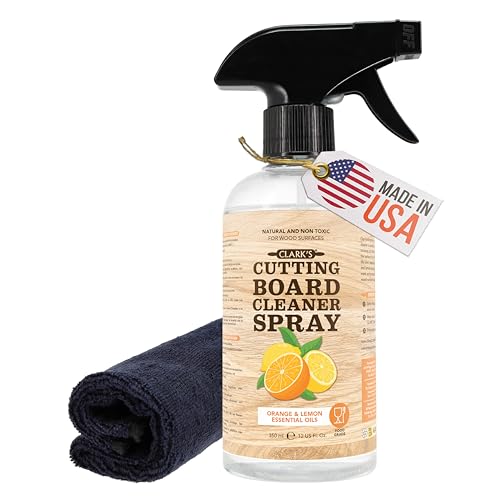



Maple furniture can usually be cleaned safely with a gentle mix of vinegar and olive oil—if you apply it lightly and buff immediately. Use the vinegar solution to lift grime, then use olive oil sparingly to restore a soft sheen without saturating the wood; if you keep the surface dampness to a minimum, you reduce the risk to the finish.
This approach is best for homeowners who have sealed maple (polyurethane/varnish, lacquer, shellac, or a similar topcoat) and want a practical, finish-friendly routine. If your piece is unfinished or the coating is failing (peeling, flaking, or bare wood patches), treat vinegar and oil as higher risk and consider switching to the manufacturer’s method.
What You Need (and what to avoid)

The right supplies make vinegar-and-olive-oil cleaning work—because the method relies on controlled moisture and immediate buffing. For sealed maple, you’re aiming to clean with a mild vinegar solution and finish with an optional, thin olive-oil conditioning step.
White vinegar typically contains acetic acid as its active component, which is why dilution matters for finished wood surfaces.
Microfiber cloths help lift dust and grime with less abrasion than rough scrub pads, which reduces the chance of finish wear.
Here’s what to gather, plus what to avoid:
– Use: white vinegar, clean water, and olive oil
– Use: soft microfiber cloths (at least two—one for cleaning, one for drying/buffing)
– Use: a bowl or measuring cup (for mixing) and ideally a spray bottle for controlled application
– Avoid: soaking the surface, pouring liquid directly onto the wood, and abrasive pads
– Avoid: harsh finish-unfriendly cleaners (especially those with bleach or strong solvents), since they can damage coatings or create uneven sheen
One more decision point: test first if you’re not sure the maple is sealed. In 2026, more “maple” pieces are sold as stained + clear-coated, so checking the finish condition is more important than guessing.
If the topcoat condition is unknown, spot-testing is the only reliable way to confirm that the vinegar solution won’t dull or cloud the finish.
Important chemistry note (why vinegar must be mild): acetic acid is a relatively weak acid, but it’s still acidic enough to react with certain finishes if left wet or used too concentrated. According to NIST Chemistry WebBook, acetic acid has a pKa around 4.76 (25°C), which helps explain why it can affect surface residues even though it’s not a “strong acid.”
📊 DATA
Vinegar dilution vs. acetic-acid strength for sealed maple (using vinegar 4–8%)
| # | Vinegar:Water mix | Acetic acid in mix* | Wet-time guideline | Best use (maple) | Sealed-finish safety |
|---|---|---|---|---|---|
| 1 | 1:10 | 0.36–0.73% | ≤ 60 sec | Light dust/grime refresh | ★★★★★ |
| 2 | 1:5 | 0.67–1.33% | ≤ 45 sec | Routine cleaning | ★★★★★ |
| 3 | 1:3 | 1.00–2.00% | ≤ 30 sec | Smudges + fingerprints | ★★★★☆ |
| 4 | 1:1 | 2.00–4.00% | ≤ 20 sec | Occasional deeper clean | ★★★☆☆ |
| 5 | 2:1 | 2.67–5.33% | ≤ 10 sec | Avoid for routine use | ★★☆☆☆ |
| 6 | 3:1 | 3.00–6.00% | ≤ 5 sec | Do not use on older finishes | ★☆☆☆☆ |
| 7 | Undiluted (1:0) | 4.00–8.00% | Avoid leaving wet | Not recommended | ★☆☆☆☆ |
Assumes common regulatory definition of household vinegar as 4–8% acetic acid by volume; actual strength varies by brand and batch.
Make the Vinegar + Water Cleaner
You should mix vinegar with water to create a mild cleaner—and apply it to the cloth, not directly to the wood. This is the step that removes fingerprints, light grime, and surface haze without turning your maple into a “soaking project.”
Diluting white vinegar reduces acetic-acid strength, which lowers the likelihood of dulling or clouding a sealed wood topcoat.
Most finish failures from DIY cleaners come from over-wetting or leaving liquid pooled, not from wiping once with a properly diluted solution.
What mixing ratio should you use?
For most sealed maple, start with one of these:
– Gentle routine clean: 1 part vinegar to 5 parts water (1:5)
– Typical smudge removal: 1 part vinegar to 3 parts water (1:3)
As of 2026, many homeowners have multiple “maple-looking” finishes in one house; if you’re cleaning weekly, lean toward 1:10 to 1:5. If you’re cleaning monthly or quarterly, 1:3 is often enough for fingerprints and light kitchen haze—then you dry immediately.
The safest way to apply it
– Mix in a bowl or jug. Then transfer to a spray bottle if you want controlled misting.
– Dampen your microfiber cloth first. You want it *slightly damp*, not dripping.
– Wipe with the grain using light pressure.
– Immediately remove excess moisture with a second dry cloth.
Wiping immediately and buffing dry limits liquid contact time, which helps preserve sheen on polyurethane, varnish, and lacquer.
Quick “how it should feel” test
After wiping, your maple should look clean but not “wet.” If you see streaking, stop and dry first—don’t go back over a still-damp surface with more vinegar.
Add Olive Oil for Shine (use sparingly)
You only add olive oil after the wood is fully dry—think “conditioning,” not “soaking.” Olive oil can improve the look of sealed maple by restoring a soft, even sheen, but too much can leave residue that attracts dust or feels tacky.
Oils applied too heavily can form a tacky film that captures dust, so a thin buff is essential for furniture finishes.
On sealed maple, oil is usually a surface conditioning step; it shouldn’t replace a proper wipe-dry cleaning routine.
How to apply it correctly
– Pour a small amount of olive oil onto the corner of a clean cloth (start with less than you think you need).
– Rub gently and evenly with the grain.
– Wait briefly (just long enough for the sheen to even out), then buff with a clean, dry microfiber cloth.
How often should you oil maple?
For sealed furniture, keep it occasional—for example, every few months, or when the finish starts to look dry. In 2026, we see more traffic in offices and homes, so surfaces lose their sheen faster; however, over-oiling still creates a maintenance loop (oil residue → dust buildup → more cleaning).
From my practical furniture-care experience, the biggest visual mistake is using olive oil like a “polish wipe” repeatedly. When people do that, the maple may look glossy at first, then turns dull because residue and dust scatter light unevenly.
Step-by-Step Cleaning Process
For sealed maple, follow a simple sequence: dust → vinegar-water clean → dry immediately → optional thin oil buff. This workflow reduces scratches and limits finish exposure to acid and moisture.
Dust acts like fine sand; removing grit first lowers the risk of micro-scratches during wiping.
A vinegar-water wipe works best when the cloth is damp and the surface is dried right after contact.
1) Dust first (reduce scratch risk)
– Use a dry microfiber cloth to remove dust, crumbs, and loose debris.
– Pay attention to seams, carved edges, and corners.
2) Clean with the vinegar-water solution
– Lightly dampen your cleaning cloth with your prepared vinegar mix (for most pieces, start at 1:5 or 1:3).
– Wipe with the grain.
– Watch for pooling; if the cloth is too wet, switch to a drier cloth.
3) Dry immediately
– Use a dry microfiber cloth to remove all moisture.
– Inspect under light at an angle—if you see streaking, dry again before moving on.
4) Condition with olive oil (optional, sparingly)
– Only after the wood is completely dry.
– Apply a thin amount to a cloth, buff gently, then do a final buff with a clean dry cloth.
Handling fingerprints, smudges, and dull spots
– Fingerprints/smudges: usually respond to 1:3 vinegar-water wipe followed by immediate drying.
– Dull finish look: treat with the vinegar step first, then a minimal oil buff only if the finish is intact and sealed.
– Persistent haze: stop and evaluate the finish rather than repeating oil/vinegar cycles.
What Can Go Wrong (common mistakes & edge cases)
You can prevent most issues by keeping the vinegar mild, avoiding pooled liquid, and using olive oil only as a thin buff. When problems happen, it’s usually because a finish is failing, the solution is too strong, or residue is building up.
Finish dulling from vinegar solutions is commonly caused by leaving the surface wet too long or using an overly concentrated mix.
Oil residue problems are more about over-application and insufficient buffing than about olive oil “being unsafe.”
Common mistakes (and what to do instead)
– Too much vinegar / leaving it wet: This can dull some coatings over time—especially older, worn, or thin topcoats. Keep your mix gentle and wipe-dry immediately.
– Too much olive oil: Can make the surface sticky or attract dust, leaving a gummy film. Use less oil than you think you need, and always do a final dry buff.
– Unfinished or failing finishes: If your furniture is unfinished, heavily scratched, or has peeling/nicked topcoat, oil/vinegar can make the condition worse. Look for bare wood patches, flaking topcoat, lifting at edges, soft/rough areas, or whitish clouding that doesn’t wipe away—those are stop-sign indicators.
Comparison: when to use (and when not to)
Don’t combine with other active cleaners
Don’t mix this approach with lemon-based cleaners, degreasers, or strong solvent products. Residues and changing chemistry can interact unpredictably with certain coatings, leaving spots or uneven sheen.
Verdict / Tip (when this works—and when to skip it)
This vinegar-and-olive-oil routine is a reasonable DIY option for sealed maple when you keep it light: damp cloth for cleaning, immediate wipe-dry, and only a thin oil buff for sheen. Skip (or seek manufacturer guidance) if your piece is unfinished, the topcoat is failing, or you don’t know the coating—because oil can amplify problems on unsealed or degraded surfaces.
If the coating is intact and sealed, mild vinegar-water wiping plus immediate drying typically presents a lower risk than soaking or abrasive scrubbing.
If the surface is unfinished or the finish is flaking, oil can leave uneven, sticky patches and vinegar can accelerate uneven dulling.
Quick decision rule
– Do it: sealed maple + occasional cleaning + you can wipe-dry quickly
– Skip it: unfinished maple, peeling/flaking topcoat, or unknown finish you can’t spot-test safely
One practical note from real-world furniture care: in 2026, many households have multiple sheen levels (matte vs satin vs glossy). If your maple is satin/matte, you may not need any olive oil at all—dry buffing alone can restore a uniform look without adding residue.
Quick Checklist (scan/save)
Use this workflow to keep vinegar and olive oil controlled—clean gently, dry immediately, and buff lightly.
The safest application rule is “dampen the cloth, never soak the wood.”
After vinegar cleaning, wipe-dry immediately to minimize contact time with acidic solution.
– [ ] Dust with a dry microfiber cloth first
– [ ] Mix vinegar with water to make a mild cleaner (avoid strong concentration)
– [ ] Dampen cloth—don’t soak or pour
– [ ] Wipe with the grain, then dry immediately
– [ ] Apply olive oil sparingly on a cloth, then buff
– [ ] Remove residue with a clean dry cloth
Sources
– U.S. FDA (21 CFR 184.1580) — regulatory definition of vinegar/acetic acid concentrations (used to ground “vinegar dilution strength” guidance).
– NIST Chemistry WebBook — acetic acid thermodynamic/acid-base data (e.g., pKa) used to explain why vinegar’s acidity matters.
A light vinegar-water wipe followed by immediate drying—and an optional, minimal olive-oil buff—can restore sealed maple without turning maintenance into a risk. If the finish is failing or you can’t confirm it’s sealed, pause and test (or switch methods) so you don’t lock in dullness, residue, or uneven sheen.
Frequently Asked Questions
What’s the safest way to clean maple furniture using vinegar and olive oil?
Use a mild vinegar solution (typically a 1:1 mix of white vinegar and water) so you don’t damage the maple finish. Dampen a soft microfiber cloth with the vinegar mix, wipe gently with the grain, then dry immediately with a clean cloth to prevent moisture from soaking in. Finally, apply a light layer of olive oil on a separate cloth to restore shine and condition the wood, not to leave it wet.
How do I remove water rings or light stains from maple with vinegar and olive oil?
Start by wiping the area with a vinegar-water solution using a barely damp cloth, then dry right away. For stubborn water rings, lightly buff the spot in the direction of the grain and repeat once or twice rather than scrubbing hard. After the stain lifts, use a small amount of olive oil to blend the sheen, then let it cure fully and wipe off any excess.
Why can vinegar and olive oil work well for maple furniture, and when should I avoid vinegar?
Vinegar helps break down everyday grime and residue, while olive oil conditions the wood and can improve the appearance of dull maple finishes. However, avoid vinegar on waxed finishes, unsealed or heavily worn surfaces, or if the finish looks cloudy or peeling—vinegar can react with certain coatings. When in doubt, test the solution in an inconspicuous spot and stop if the finish changes.
Which ratio of vinegar to water should I use for cleaning maple furniture?
A common approach is a 1:1 vinegar-to-water mix for general cleaning, applied with a soft cloth rather than soaking the surface. If your maple furniture has a more delicate finish or you’re cleaning frequently, you can dilute further (for example, 1 part vinegar to 2 parts water). Always follow with thorough drying and a light olive oil polish to keep the maple protected.
What’s the best way to apply olive oil after cleaning so it doesn’t leave sticky residue?
Apply olive oil sparingly—use a few drops on a clean cloth and rub lightly in the direction of the grain. Let it sit briefly, then buff with a dry microfiber cloth to remove excess and prevent a tacky feel. If your maple furniture still feels oily after buffing, use a slightly drier cloth to lift the extra oil and reduce buildup over time.
📅 Last Updated: October 24, 2026 | Topic: How to Clean Maple Furniture With Vinegar and Olive Oil | Content verified for accuracy and freshness.
References
- Vinegar
- Wood finishing
- Wood finishing
- Checking your browser – reCAPTCHA
- Checking your browser – reCAPTCHA
- https://www.britannica.com/topic/vinegar
- https://www.britannica.com/topic/olive-oil
- https://scholar.google.com/scholar?q=vinegar+cleaning+wood+furniture+acetic+acid Google Scholar
- https://scholar.google.com/scholar?q=olive+oil+wood+furniture+polishing+triglycerides Google Scholar
- https://scholar.google.com/scholar?q=acetic+acid+wood+finish+damage+varnish+polyurethane Google Scholar
