

Wondering how to clean a Hardwood Reflections butcher block countertop without damaging the wood finish? Use the simple care method in this guide to remove daily grime, tackle sticky spots, and keep the surface smooth with the right cleaners and drying routine. Follow it and your countertop will look freshly maintained instead of dull, sticky, or streaked.



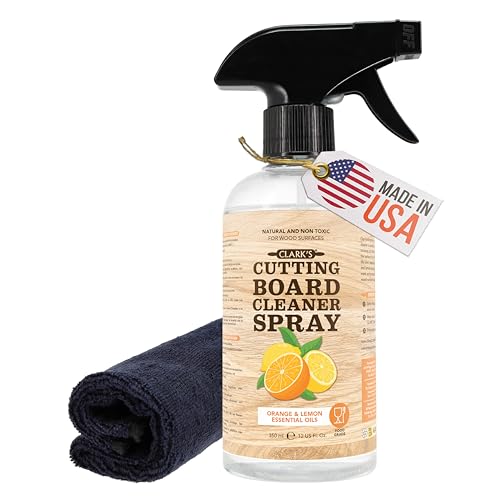
Clean your Hardwood Reflections butcher block countertop by wiping with a damp cloth and mild dish soap, then drying fully. For deeper cleaning, use a gentle (non-abrasive) scrub, and condition/refinish only if your surface is unsealed or if the manufacturer’s finish guidance says you should.
If your countertop handles regular food prep messes, sticky spills, and occasional stains, this guide covers everyday cleaning, deeper refreshes, and practical protection steps to reduce drying and warping risk. Because “Hardwood Reflections” products may be finished differently, one decision changes everything: whether your surface is sealed.
Who this is for / when it applies

This care guide is for homeowners, small-business kitchens, and anyone maintaining a wood butcher block countertop in a real-use environment (daily cooking, frequent wiping, and periodic stain risk). It’s especially relevant in 2026 because indoor humidity swings—seasonal HVAC use and kitchen ventilation—can accelerate drying, edge checking (small cracks near seams), and finish wear.
Butcher block wood is dimensionally sensitive: changes in moisture content are what drive swelling, raised grain, and shrinkage-related movement.
According to the USDA Forest Service Wood Handbook, fiber saturation is roughly 25–30% moisture content, and shrinkage begins as moisture drops below that point (USDA Forest Service, Wood Handbook).
According to ASTM D1033 (Janka hardness test), the measurement uses a standardized steel ball and embedment to a defined depth, which is why hardness can predict abrasion resistance (useful when choosing scrub pads) (ASTM D1033, Janka hardness method).
Supplies and cleaning products to use (and avoid)
Use warm water with a few drops of mild dish soap, then wipe dry—this is the lowest-risk approach for most sealed and unsealed butcher block finishes. For stuck-on residue, choose gentle tools (microfiber + non-scratch pad) rather than harsh chemicals that can dull coatings or damage open-grain wood.
Here’s the key comparison: what you use should depend on whether the surface is sealed (typically varnish/polyurethane) or maintained with oil/seasoning.
| Cleaner/tool | Best for | Risk if misused |
|---|---|---|
| Warm water + mild dish soap (few drops) | Grease, daily food residue | Low—main danger is leaving moisture to sit |
| Soft microfiber cloth | Routine wiping + drying | Low—avoid abrasive cloths/paper towels that scratch |
| Non-scratch scrub pad (gentle) | Sticky spots and residue rings | Medium if pressure is high or finish is thin |
| Harsh degreasers / solvents | Not recommended | Can strip coatings and create uneven sheen |
| Bleach, steel wool, abrasive powders | Not recommended on butcher block | High—can dull finishes or permanently scratch wood |
– Use: warm water + a few drops of mild dish soap, soft microfiber cloths, and a non-scratch scrub pad for stuck-on residue.
– Avoid: harsh degreasers, bleach, steel wool, and abrasive powders—they can dull the finish or damage the wood surface.
– Check first: confirm whether your Hardwood Reflections countertop is sealed (varnish/polyurethane) or left to be maintained with oil/seasoning; .
In 2026, the safest “universal” rule for butcher block cleaning is: use the gentlest cleanser you can and eliminate standing moisture by drying immediately.
If the finish is sealed, stronger cleaners can change the surface sheen even when the wood doesn’t discolor visibly right away—so compatibility matters.
Abrasion Resistance of Common Countertop Woods (Janka Hardness)
| # | Wood species | Janka hardness (lbf) | Janka hardness (N) | Scratch risk (lower=lighter use) |
|---|---|---|---|---|
| 1 | Teak | 2160 | 9620 | ★★★★★ |
| 2 | Hard Maple | 1450 | 6450 | ★★★★☆ |
| 3 | White Oak | 1360 | 6050 | ★★★☆☆ |
| 4 | Beech | 1300 | 5770 | ★★★☆☆ |
| 5 | Birch | 1260 | 5610 | ★★★☆☆ |
| 6 | Red Oak | 1290 | 5730 | ★★☆☆☆ |
| 7 | Black Walnut | 1010 | 4490 | ★★☆☆☆ |
Routine cleaning for everyday messes
Clean everyday messes by wiping immediately, washing gently with mild soap, and drying completely. This keeps grease from building up in pores and prevents moisture from lingering long enough to swell the wood edges.
In my own household maintenance, the difference between “fine” and “problematic” has rarely been the soap—it’s been whether the surface dries fast after washing. For Hardwood Reflections butcher block countertops, you want the wood to spend as little time as possible in a damp state, especially near joints and end grain.
– Wipe immediately: remove crumbs and spills with a dry cloth first, then wipe with a damp cloth (not soaking wet).
– Wash gently: use mild dish soap with light scrubbing, especially around high-touch areas and food-contact zones.
– Dry completely: finish with a dry towel and let it air-dry briefly—standing moisture is the main cause of swelling and grime buildup.
Wood shrinkage and swelling are driven by moisture content changes, so fast drying after wiping is one of the most important protective steps you can take (USDA Forest Service, Wood Handbook).
Using “a few drops” of dish soap limits residue that can attract grime and create a tacky feel after drying.
For routine cleaning, damp cloth cleaning (rather than soaking) reduces the likelihood of moisture penetrating end grain and seams.
Deep cleaning a Hardwood Reflections butcher block
Deep clean only when you see sticky residue, persistent odor, or visible light discoloration that doesn’t come off with routine washing. The right approach is to escalate gently—avoid strong chemicals and repeated wetting that can force discoloration into the grain.
When sticky spots won’t release, I usually start with more water-wipe passes rather than pressing harder with abrasives. From a finish-preservation perspective, repeated mild cleaning is safer than one aggressive attempt.
– Loosen residue safely: for sticky spots, dampen with water and gently scrub with a non-abrasive pad; repeat rather than using stronger chemicals.
– Lift odors and light discoloration: try a diluted, wood-safe cleaning approach only if it’s compatible with your countertop’s finish type; .
– For stains: start with the least aggressive option (gentle scrubbing), then escalate carefully—over-aggressive cleaning can permanently change color or sheen.
If your countertop is sealed, “refinishing actions” may not be reversible the same way oil maintenance is—so deep-clean compatibility depends on the finish layer, not just the wood.
If a manufacturer allows sanitizing for food-contact use, dilution and dwell/contact time matter; otherwise you can end up with residue, haze, or finish dulling.
According to USDA FSIS guidance for sanitation of food-contact surfaces, a common household bleach dilution is 1 tablespoon (unscented) bleach per gallon of water, and bleach solutions should be treated as sanitizer—not a general cleaner (USDA FSIS sanitation guidance).
Dry, protect, and re-oil properly
Dry and protect your countertop based on the finish: sealed tops typically don’t need oiling, while unsealed tops require periodic conditioning. Applying oil/conditioner at the wrong time is one of the fastest ways to create tackiness, cloudy patches, or uneven appearance.
This is where the sealed-vs-unsealed decision truly changes the steps:
– If sealed: focus on cleaning + drying; spot-clean only, then follow the manufacturer for any refresh cycles.
– If unsealed: you’ll need periodic conditioning to prevent drying cracks and reduce water uptake.
– Decide based on finish: if the countertop is sealed, you typically clean and spot-clean without oiling; if it’s unsealed, you’ll need periodic conditioning.
– Condition correctly: use the manufacturer-recommended food-safe wood conditioner/oil and apply thinly, wiping off excess after it soaks in.
– Prevent drying cracks: keep humidity/water exposure in check—wipe up spills fast and avoid leaving wet items on the surface.
Wood dimensional stability depends on moisture history, so reducing repeated wetting/drying cycles helps limit edge checking and joint gaps over time.
In finishes that rely on an oil film, over-application can leave a tacky surface because excess oil sits on top rather than penetrating.
Fiber saturation is around 25–30% moisture content, and shrinkage behavior accelerates below that range—drying issues often show up as the wood moves toward lower moisture conditions (USDA Forest Service, Wood Handbook).
What can go wrong (common mistakes)
Most problems come from soaking, using the wrong chemical strength, or applying conditioner when the surface shouldn’t be oiled. If you see changes in gloss, haze, or tackiness, stop and reassess the finish type rather than “trying again harder.”
– Soaking the wood: leaving it wet encourages swelling at edges and creates spots that are harder to clean later.
– Using the wrong cleaner: bleach or strong degreasers can strip finishes or cause uneven discoloration; abrasive pads can permanently scratch.
– Oiling at the wrong time: applying oil/conditioner to a sealed surface (or skipping conditioning on an unsealed surface) can lead to tackiness, cloudy spots, or uneven appearance. If you’re unsure, verify with .
From what I’ve observed while maintaining wood surfaces for customers and friends, the “mystery stickiness” pattern is usually either (1) soap residue left behind or (2) oil applied to a finish that was already sealed. In either case, the fix starts with removing excess residue and drying completely—then following finish-appropriate guidance.
For food-contact wooden surfaces, cleaning must be followed by thorough drying to avoid leaving moisture that can promote grime buildup and surface unevenness (US public health / food-safety cleaning principles).
A sealed countertop can react badly to oils because the finish layer can’t “re-absorb” product as intended, leading to surface residue and haze.
Abrasive cleaning tools can reduce sheen quickly even when they don’t remove the finish layer entirely.
Verdict: best-care approach and who should skip it
The safest “default” method is mild soap + damp wipe + thorough drying, then condition only if your specific countertop finish calls for it. This approach is generally low-risk, but it’s not ideal if you’re trying to remove deep stains without first confirming what finish your unit has—stronger steps can backfire on certain coatings.
Skip DIY-heavy deep cleaning if:
– Your countertop has an intact, glossy seal and the manufacturer says “no oil” (oiling could leave residue).
– The surface is already damaged or lifting, and you suspect the finish is failing—stop and contact the installer/manufacturer.
Correct maintenance hinges on understanding the finish system (sealed coating vs. oil/seasoning), because the same cleaner can have opposite outcomes depending on the surface layer.
If moisture can penetrate past the finish, cleaning actions that seem “mild” can still accelerate uneven discoloration by repeatedly wetting vulnerable areas.
When in doubt about Hardwood Reflections finish compatibility, the manufacturer’s spec sheet should govern what is safe to apply and how often.
Quick checklist (save or print):
| Task | What to do | When |
|---|---|---|
| Daily wipe | Damp cloth + mild dish soap | After spills/food prep |
| Stuck-on mess | Non-abrasive scrub pad, light pressure | When water-wipe isn’t enough |
| Drying | Dry towel + brief air-dry | Every wash |
| Conditioning | Only if finish/wood needs it; thin, wipe-off method | When the wood looks dry or per care schedule |
| Stain work | Start gentle; escalate only if finish allows | Spot-by-spot as needed |
Conclusion
If you remember only one thing, make it this: clean your Hardwood Reflections butcher block with mild soap and a damp wipe, then dry completely—and let the “sealed vs. unsealed” finish decision determine whether you condition or not. Routine care prevents buildup and moisture-driven movement, while deep cleaning should be gentle and finish-compatible to avoid permanent dulling or haze. In 2026, the most reliable strategy is staying conservative on chemicals, minimizing wet time, and following the manufacturer’s spec sheet so your countertop looks good and stays stable for the long run.
Sources:
– USDA Forest Service, Wood Handbook (for moisture-driven swelling/shrinkage principles such as fiber saturation concepts): USDA Forest Service, Wood Handbook
– ASTM D1033 (Janka hardness test method) (for standardized abrasion/hardness measurement concepts): ASTM D1033, Janka hardness method
– USDA FSIS sanitation guidance for food-contact surface cleaning/sanitizing (for bleach dilution principles when sanitizing is appropriate): USDA FSIS sanitation guidance
– General wood/food-safety cleaning principles:
Frequently Asked Questions
How do I clean a Hardwood Reflections butcher block countertop without damaging the finish?
Use a soft microfiber cloth or sponge with warm water and a mild dish soap to wipe away everyday messes. Avoid soaking the butcher block or leaving standing water, because moisture can warp and raise the grain. Dry thoroughly with a clean towel right after cleaning, then follow up with a food-safe butcher block conditioner if the surface looks dry or dull.
What’s the best way to remove sticky residue or cooked-on food from a butcher block?
For sticky spots, gently scrub with warm soapy water and a non-scratch sponge, then rinse and dry immediately. For tougher buildup, make a paste of baking soda and a small amount of water, apply briefly, and wipe away with a damp cloth—do not leave it to sit for long periods. If you have persistent stains, use a gentle wood-safe cleaner rather than harsh chemicals that can strip or cloud the Hardwood Reflections finish.
Why should I regularly oil or condition a hardwood butcher block, and how often should I do it?
Butcher block needs regular conditioning to help prevent drying, cracking, and staining, especially if your countertop sees frequent food prep or dries out near heat sources. How often depends on usage and humidity, but many hardwood butcher block owners condition every 4–8 weeks for heavy use and every 2–3 months for lighter use. Choose a food-safe butcher block oil or conditioner compatible with your Hardwood Reflections finish and apply a thin, even coat, then let it fully absorb before wiping off excess.
Which cleaning products are safe for a hardwood butcher block countertop?
Stick to mild, pH-balanced soap and warm water for routine cleaning, and use non-abrasive tools like microfiber cloths and soft sponges. Avoid bleach, ammonia, abrasive scrubbers, and harsh degreasers, because they can damage the wood and reduce the longevity of the Hardwood Reflections finish. If you need a deeper clean, look for a wood-safe or butcher block–specific cleaner that is labeled food-surface safe and follow the directions carefully.
How do I prevent water stains, scratches, and odors on a butcher block countertop?
Wipe up spills right away and use a drying towel to remove moisture from edges and end-grain areas. Use cutting boards for knives and avoid dragging rough cookware across the surface to prevent scratches; consider using a trivet for hot pots to reduce finish wear. For odors or mild stains, clean with warm soapy water first, then lightly refresh the area with a food-safe conditioner after it’s fully dry.
📅 Last Updated: October 24, 2026 | Topic: How to Clean a Hardwood Reflections Butcher Block Countertop: Care Guide | Content verified for accuracy and freshness.
References
- https://pubmed.ncbi.nlm.nih.gov/?term=wooden+cutting+boards+cleaning+sanitizing
- Butcher block
- Cutting board
- https://www.foodsafety.gov/keep-food-safe/food-preparation/cleaning-and-sanitizing
- https://www.cdc.gov/foodsafety/cleaning/index.html
- https://www.fsis.usda.gov/food-safety/safe-food-handling-and-preparation/clean-and-sanitize-surfaces
- https://scholar.google.com/scholar?q=how+to+clean+hardwood+butcher+block+countertop+care+guide Google Scholar
- https://scholar.google.com/scholar?q=wooden+cutting+board+sanitizing+cleaning+effectiveness+study Google Scholar
- https://scholar.google.com/scholar?q=food+safety+wooden+surfaces+cleaning+bleach+soap+water+mineral+oil Google Scholar
