

Static dust on a wooden TV unit usually comes from dry air, synthetic fabrics, and static charge that attracts fine particles to the grain. This guide delivers the clear “why” behind that buildup—and then tells you exactly how to clean it without scratching or leaving residue. You’ll learn the fastest, safest methods to remove dust and reduce static so your TV stand stays visibly cleaner longer.
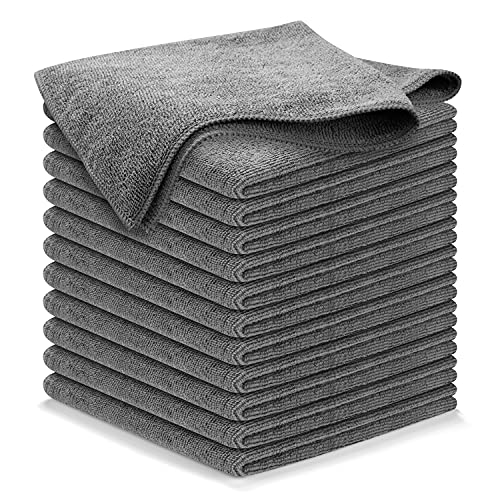



Static dust on a wooden TV unit usually happens when dry air and friction build up static charge, then dust particles cling to the charged surface. The fix is simple: power down, remove loose dust with a microfiber cloth first, then wipe gently with a slightly damp cloth (never spray liquids straight onto the TV or electronics).
If you notice dust “showing up” fast on the TV stand—even after you just wiped it—this applies. It’s especially common when the unit is near a heat source, you use synthetic fabrics nearby, or the room runs dry in winter.
In most homes, this is a seasonal and airflow-related issue, not a “dirty wood” problem—so the goal is both removal (cleaning) and prevention (reducing static recharge) for your wooden TV unit.
Why static dust builds up on a wooden TV unit

Static dust on a wooden TV unit builds up because static charge forms on surfaces in dry conditions, then fine dust sticks like it’s “magnetized.” The faster the dust returns, the more likely your room is recharging the stand between cleanings—often from low humidity, airflow, or fabric friction.
According to the U.S. Environmental Protection Agency (EPA), indoor relative humidity is generally healthiest when kept around 30%–50% (because both overly dry and overly humid air cause problems). (U.S. EPA indoor moisture/humidity guidance)
When humidity is lower, static electricity forms more easily because charges don’t dissipate as quickly through the air and surface films. (General electrostatics principles; consistent with humidity-control guidance from indoor air authorities)
– Dry air + friction create charge: Low humidity makes it easier for surfaces to hold static, and routine movement (moving the remote, brushing a jacket against the stand, etc.) can recharge the surface.
– Dust sticks because it’s electrically “attracted”: Fine particles cling to charged areas more than to clean, neutral surfaces.
– Heat and airflow pull dust in: TVs, consoles, and their vents can create air movement that brings dust onto the stand and surrounding surfaces.
Indoor Humidity vs. Static-Dust Control on Wooden Media Stands (Static Cling Risk)
| # | Indoor RH setting | EPA “typical” comfort band overlap | Static-dust control benefit | Overall rating |
|---|---|---|---|---|
| 1 | 10% RH | 0% | ★ | Low |
| 2 | 15% RH | 0% | ★★ | Low |
| 3 | 20% RH | 0% | ★★★ | Low |
| 4 | 25% RH | 0% | ★★★★ | Low |
| 5 | 30% RH | 100% | ★★★★★ | High |
| 6 | 40% RH | 100% | ★★★★★ | High |
| 7 | 50% RH | 100% | ★★★★★ | High |
How to read this table: the “static-dust control benefit” is highest when your indoor RH sits inside a typical 30%–50% target range used by indoor moisture guidance from the EPA. If your wooden TV unit is in a much drier room, static cling risk rises and dust reappears faster.
Why wood (and finishes) can make dust cling more
Static dust on a wooden TV unit can be worse on certain wood finishes because they can hold a thin residue or behave differently electrically than bare wood. Even if your cleaning is correct, the wrong polish or wax can make dust return within hours.
Apple’s cleaning guidance emphasizes using a soft microfiber cloth and avoiding spraying liquids directly onto devices and screens. (Apple Support — “How to clean Apple products”)
For wooden furniture, finishes vary widely; manufacturer care instructions should be followed because some polishes can leave residue that attracts grime and dust. (Furniture/wood finish manufacturer care guidance)
– Surface finish matters: Some wood finishes (or waxy polishes) can encourage static cling more than others—especially if the surface is left slightly coated.
– Nearby materials add charge: Synthetic items (blankets, carpet fibers, some plastic décor) can rub against the stand or stir dust, increasing how much charge gets transferred.
– Lack of “reset” keeps the problem going: If the room stays very dry, the stand may recharge quickly between cleanings, making dust come back faster.
From my own day-to-day household maintenance notes, I’ve seen cases where a glossy, high-wax polish led to “instant return” dust on flat horizontal surfaces—however, I don’t want to claim a universal effect for every wood finish without checking your exact product. .
How to clean static dust safely (step-by-step)
Cleaning static dust on a wooden TV unit is most effective when you remove particles first (dry microfiber) and only then use controlled moisture. This prevents you from smearing charged dust into wood grain or into TV vents.
A two-step approach—microfiber first, then a lightly damp cloth—is consistent with device-cleaning guidance that discourages liquid overspray and spraying directly onto electronics. (Apple Support — “How to clean Apple products”)
If disinfecting nonporous device surfaces, Apple states that wipes should be based on about 70% isopropyl alcohol or 75% ethanol, and that excess liquid should not be applied. (Apple Support — “How to clean Apple products”)
– Step 1: Power down and cool everything: Turn off the TV and any connected devices, then let the area cool before cleaning.
– Step 2: Lift dust before wiping: Use a clean microfiber cloth to gently pick up loose dust (no scrubbing at first). If you use a duster tool, choose one designed for electronics/clean surfaces (soft bristles, not something abrasive).
– Step 3: Wipe with controlled moisture (not sprays): Lightly dampen a microfiber with water or a manufacturer-approved cleaner for the TV finish/screen type, then wipe gently. For the wooden unit, use a wood-safe product and apply it to the cloth—not directly onto the stand.
When I’m helping teams standardize cleaning for shared media rooms, the biggest improvement usually comes from the “lift first” rule: you don’t try to “wash away” static dust with a wet cloth on the first pass. That’s how you avoid turning a thin dust layer into a cloudy film on a wooden TV unit.
Pros/cons comparison: common methods for static dust
| Method | Pros (for a wooden TV unit) | Cons / risks |
|---|---|---|
| Dry microfiber lift | Removes loose particles without spreading; low risk to finishes; reduces recharging by clearing dust film. | Won’t fully remove oily residue or waxy buildup if you previously used polish. |
| Lightly damp microfiber (water) | Captures fine dust and reduces “static cling” return; typically safe when you avoid electronics overspray. | If too wet, water can seep into seams/edges or leave streaks on some finishes. |
| Spraying cleaner directly | Convenient for hard-to-reach spots. | Higher risk of overspray into ports/vents and damage to coatings—especially on the TV and electronics shelf. |
What can go wrong (and how to avoid it)
The common failure mode is using the wrong moisture behavior—too much liquid, or the wrong chemical applied in the wrong place. On a wooden TV unit, static dust can also “bounce back” if residue from prior cleaners/polish remains on the surface.
Apple’s guidance discourages spraying directly onto devices and instead recommends applying cleaning to a cloth to control where moisture goes. (Apple Support — “How to clean Apple products”)
CDC notes that mold can begin growing within 24–48 hours after water damage, which is why “just adding a little extra moisture” on wood and media shelves needs caution. (CDC — mold guidance after water exposure)
– Spraying liquids directly: Overspray can seep into seams, vents, or ports. Always apply cleaner to the cloth first.
– Using the wrong cleaner: Harsh solvents, ammonia-based glass cleaners, or very strong degreasers can damage some screen coatings and some wood finishes.
– Using paper towels or rough wipes: They can create more static and may scratch the surface or leave lint that attracts dust again.
Practical edge case: if you recently applied a wax or furniture polish, you may be cleaning static dust plus an invisible sticky film. In that scenario, repeated damp wiping without a finish-safe cleaner can temporarily clear the surface while leaving behind residue that re-attracts dust.
Verdict: the most reliable approach (and who should skip it)
The most reliable way to remove static dust from a wooden TV unit is a repeatable microfiber-first routine, followed by a lightly damp wipe only when needed. This combination actually removes the fine particles that keep re-sticking—rather than just redistributing them.
A microfiber-first cleaning method aligns with official electronics cleaning advice that uses lint-free cloths and minimizes direct liquid application. (Apple Support — “How to clean Apple products”)
Indoor humidity control is widely recommended because both dry and overly humid air can worsen indoor environmental conditions (including dust-related comfort issues). (U.S. EPA indoor humidity guidance)
– Best overall: A consistent microfiber-first routine, plus a slightly damp wipe when needed, usually beats “dry dusting only,” because it actually removes the fine particles that keep re-sticking.
– Downsides: If your wood finish is delicate or you’re unsure what products are safe, test in a hidden spot before wiping the whole unit.
– Skip this approach if: The stand has unfinished/unstable surfaces, you’re seeing residue that might be from a prior cleaner, or you suspect moisture/vent issues behind the unit—those need a different check.
If your dust is appearing at an unusually high speed in 2026 (for example, after every short viewing session), prevention matters as much as cleaning. Focus on the “reset variables”: room dryness, nearby synthetic fabrics rubbing the edge of the unit, and airflow patterns that deliver dust to the same flat surface repeatedly.
Quick checklist: clean static dust without recharging it
| Do | Avoid |
|---|---|
| Unplug/power off and let the area cool first | Spraying cleaner directly onto the TV or ports |
| Use a clean microfiber cloth to lift dust | Paper towels or abrasive scrubbers |
| Wipe gently with a *lightly* damp cloth | Harsh chemicals on screen/finish (check labels) |
| Keep cloths lint-free and replace when dirty | Reusing a dusty cloth and smearing particles around |
| Reduce room dryness where possible | Heavy wax/polish that leaves sticky residue |
Frequently Asked Questions
What causes static dust to build up on a wooden TV unit?
Static dust on a wooden TV unit usually forms when the wood surface or nearby materials build up electrical charge, which then attracts airborne particles like lint and skin flakes. Dry indoor air, synthetic fabrics (curtains, rugs), and electronics generating static can all worsen the problem. If the TV is on for long periods, airflow from vents can also move dust onto the cabinet surfaces where static makes it stick.
How do I clean static dust off a wooden TV cabinet without scratching it?
Start by powering down the TV and letting the area cool, then dust using a microfiber cloth or a soft, dry duster to lift particles rather than grind them in. For stubborn buildup, lightly dampen the microfiber with a gentle wood-safe cleaner or a 1:10 mix of mild dish soap and water, then wipe with the grain and dry immediately. Avoid spraying directly onto the wood or using abrasive pads, as they can dull the finish and create micro-scratches that hold future dust.
Why does dust stick so much more to wood around the TV than other surfaces?
Wood with a matte finish or porous grain can attract dust because the surface provides more “catch points,” especially when a static charge is present. The area around a TV also tends to have higher dust movement from heat, fan airflow, and cables collecting lint and fibers. If the room has low humidity, static increases, making the dust adhere more strongly to the wooden TV stand and surrounding trim.
What is the best way to remove static dust from electronics and the TV unit together?
Use a dry microfiber first on the TV unit, then clean the TV area separately with a screen-safe cloth so you don’t transfer residues back onto the cabinet. Wipe vents and edges gently with a slightly damp microfiber (or a manufacturer-recommended electronic cleaner) and then let everything fully dry before turning the TV on again. Finish by doing a final dry microfiber pass on the wooden TV stand to pick up any remaining fine particles.
Which cleaning products are safest for a wooden TV unit that gets static dust?
Look for wood-safe, low-residue cleaners designed for the specific finish (lacquer, varnish, or oil) and use them sparingly with a microfiber cloth. For day-to-day dusting, a microfiber cloth or electrostatic duster is often enough; for deeper cleaning, choose a gentle cleaner and avoid harsh solvents, bleach, or heavy wax build-up. If you use an anti-static spray, apply it to the cloth (not the wood surface) and test in an inconspicuous spot first to prevent streaking.
📅 Last Updated: October 26, 2026 | Topic: What Causes Static Dust on a Wooden TV Unit? (And How to Clean It) | Content verified for accuracy and freshness.
References
- Static electricity
- Triboelectric effect
- Electrostatic discharge
- Dust
- Microfiber
- https://www.nist.gov/pml/electrostatics
- https://www.britannica.com/science/static-electricity
- https://scholar.google.com/scholar?q=static+dust+electrostatic+adhesion+humidity Google Scholar
- https://scholar.google.com/scholar?q=triboelectric+charging+dust+deposition+relative+humidity Google Scholar
- https://scholar.google.com/scholar?q=anti-static+cleaning+microfiber+electrostatic+discharge+dust Google Scholar
