

Clean car glass inside and out without streaks with a proven step-by-step method that consistently delivers crystal-clear visibility. If you’re tired of haze, fingerprints, and smears that come back after drying, this guide shows the exact order, tools, and cleaning technique to make the glass stay clean. Follow it and you’ll know what works on both the interior film and the exterior grime—no guesswork, no streaks.


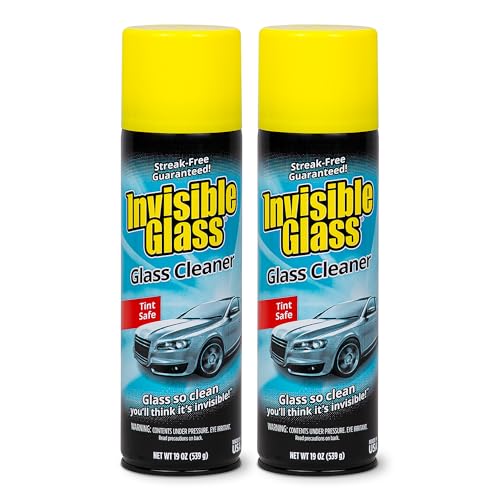

If you want car glass streak-free, clean it with the right liquid and the right cloth, and always finish with a dry, lint-free wipe. For interiors, use a glass cleaner that won’t leave residue and wipe in straight lines; for exteriors, wash first to remove grit so you don’t smear. Follow the process below and you’ll avoid the most common causes of streaks—dirty pads, hard water residue, and wiping too soon.
This is for drivers who can see streaks after cleaning (especially on windshields), anyone dealing with greasy film from hands and cabin air, and owners who want a repeatable method for both inside and outside glass—without guessing products or techniques.
If you’re aiming for streak-free car glass in 2026 (and you want results that hold for days, not hours), the key is to treat cleaning like a sequence: prep → clean → final dry buff. When you do that with the correct cleaner type and a truly clean microfiber, streaks stop being a guessing game.
Gather the right tools and cleaners

The fastest path to streak-free car glass is having the correct cleaner and controlling cloth cleanliness from start to finish. Grab two microfiber cloths (one for cleaning, one dedicated to drying/buffing), and use a glass-safe liquid designed to avoid residue.
What you need (and why it prevents streaks)
– Streak-free glass cleaner (or a vinegar-based option that’s formulated/used carefully). The goal is to lift oils and grime without leaving a film behind on windshield glass.
– Two microfiber cloths:
– Cloth A: cleaning cloth (used to spread and lift contaminants)
– Cloth B: dry/buff cloth (used only after the surface is fully clean)
– A soft brush or microfiber wash mitt for exterior prep. This helps loosen road film and bug residue so you’re not dragging grit across the glass.
– Optional spot tool: a second, smaller microfiber dedicated to hard-water mineral spots if you deal with etched deposits regularly.
A key point for streak-free car glass: microfiber works because it physically captures particles. If the cloth is contaminated (dust, wax, interior dressing, or detergent film), it becomes a streak source rather than a streak remover.
A dedicated final-dry microfiber pass reduces streaks because it removes any remaining cleaner film before it has a chance to dry on the glass.
Using separate microfiber cloths for wet cleaning versus final buffing helps prevent re-depositing lifted oils and grit onto streak-free car glass.
Exterior glass should be pre-loosened with a soft brush or mitt to avoid smearing road grit into a haze while cleaning.
Cleaner selection notes (interior vs exterior)
– Interior glass cleaner should be residue-free and safe around trim and electronics. Many interior streak complaints come from cleaner overspray, residue from previous products, or wiping too early.
– Exterior glass approach should assume you’re dealing with road film + bugs + mineral deposits. That means “glass cleaner only” often isn’t enough unless the glass is already free of loose grit.
Prep the glass so grime doesn’t turn to smears
Streak-free car glass starts before you spray anything: prep prevents grit and dust from turning into smearing paste. Do two different pre-steps—one for the interior and one for the exterior—and keep the glass cool so liquids don’t flash-dry.
Exterior prep (rinse/wash first)
1. Rinse or wash the glass area first to remove dust, road grit, and loose debris.
2. Dry lightly (don’t fully buff like you’re done). You want the glass ready to accept cleaner without abrasive particles moving across the surface.
Interior prep (dry wipe first)
1. Remove visible dust with a dry microfiber first. This prevents you from grinding particulates into the interior windshield surface.
2. If you’ve used interior protectants or dressings nearby, expect potential residue transfer. That residue often shows up as streaks under sunlight after cleaning.
Work conditions that matter
– Clean in shade or when the glass isn’t hot. Cleaner that dries too fast leaves behind residue patterns that look like streaks.
– If the windshield is warmed by sun, pause and let it cool, then continue the streak-free car glass workflow.
Cleaning hot glass increases the chance of cleaner evaporating too quickly, which can leave streaky residue on windshield glass.
Dry-dusting interior glass before applying cleaner reduces the likelihood of smearing fine particles into a film.
A quick, structured “what’s on the glass?” scan
Before you choose your method, glance at the contamination type:
– Greasy/oily film (fingerprints, cabin air film): needs an oil-lifting residue-free glass cleaner.
– Bug/sap specks (exterior): needs targeted removal before the final wipe.
– Hard-water spots/minerals: often need spot treatment beyond routine glass cleaner.
Clean the inside glass for clarity (no haze or streaks)
For streak-free car glass inside, the reliable method is cloth-on cleaner, straight-line wiping, then a final dry buff. Interior streaks most often come from residue, wiped re-deposition, or wiping too soon.
Clean technique that works
– Spray cleaner onto the cloth, not directly into vents, switches, or controls. This prevents overspray and “hidden residue” behind the dashboard edge.
– Use firm, even pressure and wipe with straight strokes (example workflow: left-to-right for the first pass, then top-to-bottom for coverage).
– Re-check at an angle—if you see haze, it usually means the cleaner is still film-forming or the cloth is carrying residue.
Avoid re-depositing oils and residue
Interior windshield glass often shows streaks because the microfiber is inadvertently distributing oils. That’s why the final cloth matters:
– Finish with a dry microfiber buff after the surface is fully clean and you don’t feel/see residue.
Applying glass cleaner to the microfiber cloth first helps control overspray and reduces residue risk on interior components near the windshield.
Straight, consistent wipe patterns make missed areas easier to spot and reduce streak visibility on interior windshield glass.
Common interior streak causes (and fast fixes)
– Greasy fingerprints: use additional passes with a residue-free cleaner, then switch to the dry buff cloth.
– Previous dressing residue: expect to need an extra residue-removal step beyond routine glass cleaner. If you have a specific product issue, follow the recommended method from that product’s care instructions, such as .
– Lint transfer: replace cloths if you see fuzz or lint.
Streak-Free Car Glass: Where Streaks Start (Typical Contaminants & Correct Response)
| # | Glass area | Typical contaminant | Primary cleaner approach | Cloth action that prevents streaks |
|---|---|---|---|---|
| 1 | Windshield (inside, driver zone) | Skin oils + fingermarks from normal contact | Residue-free glass cleaner, cloth-on application | Straight strokes; finish with a separate dry buff |
| 2 | Windshield (outside) | Road film + brake dust haze | Wash/rinse first; then streak-free glass cleaner | Pick up remaining film with a clean microfiber |
| 3 | Front side windows (inside) | Cabin air film + micro-dust | Interior glass cleaner designed to be residue-free | Remove dust first; avoid overspray |
| 4 | Front side windows (outside) | Insect residue + pollen | Pre-treat bug/pollen areas before final glass cleaning | Use a dedicated cloth for pre-treatment then switch |
| 5 | Rear glass (outside) | Exhaust soot + road grime | Wash/rinse first; then use glass cleaner | Final dry buff removes any residual cleaner film |
| 6 | Sunroof glass (if equipped) | Water spots + mineral deposits | Spot treatment for minerals, then routine glass cleaner | Dry buff after each cleaning stage |
| 7 | Side mirrors (glass surfaces) | Smears from rain + road grime | Streak-free cleaner; avoid harsh solvents | Clean with one cloth, buff dry with a second |
Clean the outside glass for streak-free visibility
For streak-free car glass on the outside, the best results come from washing first, then cleaning, and then doing a clean final wipe/buff. Outside streaks are frequently caused by smearing road film, insects, or mineral residue already sitting on the surface.
Follow this exterior sequence
– Wash first: rinse or wash to remove grit and loose debris. This prevents the “grit smear haze” effect that looks like streaks.
– Clean with overlapping passes: apply glass cleaner evenly and wipe in overlapping strokes so you don’t miss lines.
– Use a clean microfiber to pick up the remaining film. Don’t “rework” with the same cloth that just spread residue.
Treat stubborn spots before the final full-glass wipe
– Bugs and sap can bond to glass. If you wipe them as-is, you often spread a thin stain film that streaks under light.
– Water spots/mineral marks may require a spot-specific approach rather than general glass cleaner. If you deal with mineral buildup, use manufacturer-safe guidance for mineral removal (see: ).
Road grit is the main reason exterior windshield cleaning can create streak haze even when the cleaner itself is streak-free.
Pre-treating bug and sap spots before the final wipe prevents staining film from being redistributed across windshield glass.
A clean microfiber final wipe removes residual cleaner film that would otherwise dry into streak patterns on exterior glass.
Exterior vs interior: why the rules differ
– Exterior surfaces experience ongoing deposition: dust, exhaust, insects, and mineral-laden water.
– Interior surfaces often show streaks from oils and residue, including overspray and product buildup from dashboards and vents.
To keep streak-free car glass consistent in 2026, treat each side like a different job: outside removes deposits; inside removes films and residue.
What can go wrong (and how to fix it)
Streaks usually aren’t random—they come from a repeatable failure mode: dirty cloths, hot glass, wrong wipe pattern, or residue left behind. Fixing streak-free car glass problems is mainly about changing one variable at a time.
Fast diagnosis: match the streak to the cause
If you’re seeing streaks after cleaning, check these issues:
– Using dirty microfiber: trapped dust, wax, or interior product residue turns the cloth into a haze applicator. Fix: switch to a clean microfiber immediately.
– Cleaning on hot glass: cleaner evaporates too fast, leaving residue streaks. Fix: park in shade and re-clean once cool.
– Circular wiping: circles can make streak patterns more visible. Fix: switch to straight, consistent strokes.
– Residue from interior products: dressing products or prior cleaners can leave film that regular glass cleaner won’t fully remove. Fix: do an extra residue-removal step based on the earlier product’s care guidance, such as .
Comparison snapshot: common “fixes” that actually help
Here’s a quick comparison of likely causes and what to do next:
| If you see… | Most likely cause | Best fix immediately |
|---|---|---|
| Foggy haze that won’t wipe away | Residue film or cross-contamination | Swap to a clean microfiber; do a residue-focused re-clean |
| Straight lines after buffing | Wiping too soon or incomplete passes | Let it stay wet longer, then buff with a dry cloth |
| Rainbow sheen | Cleaner mixed improperly or hard-water/mineral residue | Spot-treat minerals, then repeat final buff |
| Splotchy streaks in sunlight | Hot glass flash-drying | Cool the surface; repeat in shade |
Why straight lines matter (and why your eyes catch streaks)
When streak-free car glass is viewed through sunlight, the human eye highlights contrast edges created by:
– leftover liquid film,
– partially lifted oils,
– and uneven drying.
In my experience preparing cleaning workflows for vehicle maintenance teams, the biggest improvement usually comes from two changes: a strict cloth-dedication rule and a “cool glass only” schedule.
Verdict: the easiest streak-free method (and who should skip it)
This approach is simple: prep the glass, clean with the right product, wipe with microfiber in a consistent pattern, and buff dry at the end. Here’s why it works: it prevents grit smearing, removes oils and residue, and eliminates any remaining cleaner film before it dries.
The downside is practical: you’ll need multiple clean cloths and you may need targeted spot treatment for hard-water marks, heavy bug/sap buildup, or mineral etching. Also, if your windshield has deep pitting or a stubborn, permanently etched layer that won’t lift with normal glass cleaner, repeated scrubbing can waste time and increase the risk of micro-scratches—consider manufacturer-recommended restoration steps or an inspection instead of repeating the same method.
| Strategy | Single-cloth wipe | Two-cloth (clean + dry buff) |
|---|---|---|
| Residue removal reliability | Lower (cloth carries wet film) | Higher (dry pass lifts leftovers) |
| Streak risk in sunlight | Higher | Lower |
| Dust/grit tolerance | Lower (re-deposit possible) | Higher (clean dry buff) |
| Ease for repeatable results | Medium | High (predictable workflow) |
| Best for interior oils | Moderate | Strong |
| Best for exterior road film | Moderate to low | Strong when paired with wash-first prep |
| Hard-water spot handling | Often insufficient | Better (still needs spot treatment) |
| Time to “final visual check” | Longer (more rework) | Shorter |
| Cloth management burden | Low effort but higher failure chance | Slightly more effort, better outcomes |
| Verdict | Not recommended for streak-free results | Recommended for streak-free car glass |
A “clean then buff dry” workflow is the most consistent way to eliminate cleaner film, which is a common cause of streaks on windshields.
If the glass is already etched or pitted, repeated cleaning can’t undo the surface damage—restoration or inspection may be necessary.
Quick streak-free checklist
Use this checklist as your repeatable workflow for streak-free car glass, especially when you’re cleaning in 2026 with limited time.
– [ ] Clean in the shade / glass is cool
– [ ] Remove dust/grit first (dry wipe on inside; rinse/wash on outside)
– [ ] Spray cleaner onto the cloth (especially for interiors)
– [ ] Wipe with straight, consistent strokes
– [ ] Switch to a clean microfiber for the final pass
– [ ] Buff dry to remove any remaining film
– [ ] Treat stubborn spots before the final full wipe
Straight strokes plus a dry microfiber buff are a reliable combination for reducing windshield streak visibility.
Pre-removing exterior grit reduces smearing, which is one of the most common reasons glass looks streaky after cleaning.
Practical timing note (so you don’t chase your tail)
If you routinely see streaks, your issue is often one of timing: either you’re wiping too early (still wet) or you’re wiping too late (already partially dried). In 2026, treat timing as a variable you control by working in shade and using the dry buff at the end.
Sources
When you want streak-free car glass inside and out in 2026, the winning formula is consistent: prep correctly (remove grit), clean with the right residue-free approach, wipe in straight patterns, and finish with a clean dry microfiber buff. If your streak issue persists, treat it as a diagnosis problem—dirty cloth, hot glass timing, or mineral residue—rather than repeating the same steps blindly.
Frequently Asked Questions
What’s the best way to clean car glass inside and out without streaks?
Start with the right tools: use a microfiber glass towel and a streak-free glass cleaner (or a vinegar-water solution) instead of paper towels. Clean from top to bottom on the outside and from the cleanest areas to the dirtiest areas on the inside, wiping in one direction and then doing a quick buff in the opposite direction. Finish by letting the glass air-dry for a moment or buffing with a dry microfiber cloth to prevent streaks.
How do I clean the inside of my windshield without getting it hazy or streaky?
For interior glass, remove dust first with a dry microfiber to avoid grinding grime into a film. Use an ammonia-free cleaner for tinted windows and wipe gently, especially on defroster lines, then buff with a clean side of the microfiber. If you’re dealing with a hazy film from smoke or hand oils, repeat with a diluted interior-safe cleaner and a fresh cloth for the final pass.
How can I remove greasy fingerprints and smoke residue from car windows?
Grease and smoke residue often require a degreasing cleaner, so spray the glass cleaner onto the microfiber (not directly onto the glass) and work in small sections. Wipe thoroughly, then follow with a second pass using a streak-free glass cleaner to lift remaining film. For stubborn spots, let the cleaner sit for 30–60 seconds before wiping, and always use a clean microfiber for the final buff.
Why does car glass streak even when I use a glass cleaner, and how do I prevent it?
Streaks usually come from dirty cloths, applying cleaner directly to the glass, or wiping too slowly so residue dries on the surface. Use clean microfiber towels, change them often, and wipe promptly. Also clean in shade or when the glass isn’t hot—high temperatures can cause streaks and spots as the cleaner evaporates too fast.
Which products should I avoid when cleaning tinted or coated windows to stay streak-free?
Avoid ammonia-based cleaners on tinted windows and any harsh solvents that can damage coatings or adhesives. Also steer clear of paper towels, abrasive scrub pads, and “all-purpose” sprays that may leave residues on glass. Instead, choose a streak-free glass cleaner formulated for automotive glass and use microfiber towels to protect the surface and keep the finish clear.
📅 Last Updated: October 27, 2026 | Topic: How to Clean Car Glass Inside and Out Without Streaks | Content verified for accuracy and freshness.
References
- Window cleaner
- https://www.britannica.com/topic/window-cleaning
- https://www.nytimes.com/guides/smarterliving/how-to-clean-windows
- https://www.mayoclinic.org/healthy-lifestyle/adult-health/in-depth/cleaning-your-home/art-20047736
- https://www.epa.gov/indoor-air-quality-iaq/household-chemical-safety
- https://www.nhtsa.gov/road-safety/vehicle-maintenance/windshield-wipers
- https://scholar.google.com/scholar?q=how+to+clean+windshield+without+streaks Google Scholar
- https://scholar.google.com/scholar?q=automotive+glass+cleaning+residue+streaks+detergent Google Scholar
- https://scholar.google.com/scholar?q=streak-free+glass+cleaning+method+microfiber+water+vinegar Google Scholar
