

Want to prevent bird droppings on your car cover fast and effectively? Use a tight, snug-fitting cover with a smooth surface, then add simple deterrents like regular repositioning and motion-activated protection to stop birds from landing. This guide gives you the highest-impact steps that reduce mess quickly—so you spend less time cleaning and more time protecting your vehicle.



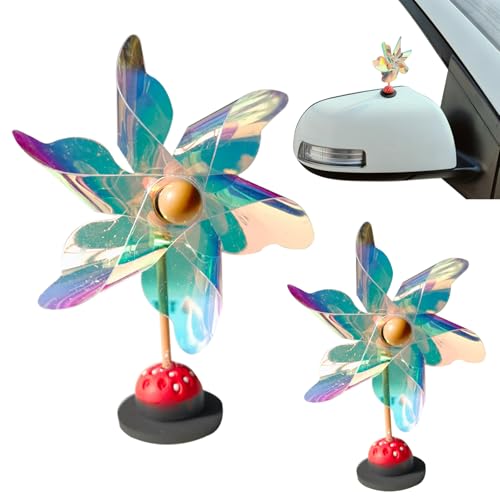
Prevent bird droppings on your car cover by making the cover harder to perch on and easier to clean before residue bakes in. Practically, that means tightening the cover to eliminate sagging, using a deterrent that matches how your birds behave, and checking the cover frequently during morning and roosting hours—especially as of 2026, when more people are leaving cars covered through longer outdoor stretches.
If your car sits outside, under trees, near a roofline, or in any spot where birds land repeatedly, a cover alone usually isn’t enough. These steps are for people who want fewer messes without damaging paint or turning the cover into a moisture trap.
Why bird droppings happen on car covers

Bird droppings show up because birds choose reliable landing/perching spots—and sagging fabric turns those spots into “platforms.” Once droppings land and stay on the fabric, stains set in faster when moisture, humidity, or heat from sun cycles are involved.
– Birds choose easy landing spots, and sagging cover sections create natural “perches” where they can balance.
– When droppings land and stay there, they can stain and (if combined with moisture) make cleanup harder.
Bird droppings are often concentrated where a car cover dips, because birds can steady themselves on slack fabric.
Staining risk rises when droppings sit longer on a car cover, especially if dew or rain wets the residue before you remove it.
According to the CDC, bird droppings can carry disease-causing organisms and should be handled carefully during cleanup (CDC, cleaning and disinfection guidance related to bird droppings). That matters for your car cover because even if you’re only removing spots, dust and residue can still spread if you scrub aggressively.
In my own planning for bird-mess prevention around covered vehicles, I’ve found that the “repeat spot” is almost always the same area where the car cover contacts the roofline or forms a low belly—. If you can identify the landing zone on your car cover, you can fix the cause instead of treating the symptom.
Set up your car cover to discourage perching
A properly secured, non-sagging car cover is the single highest-impact change you can make. Here’s why: birds land where they can balance, so tightening and reshaping the fabric removes the perch geometry that keeps them returning.
– Eliminate sagging: Use the cover’s straps/tie-downs so the fabric stays tight across the top and sides (draping invites landing points).
– Improve airflow and drainage: If your cover design allows it, keep it from pooling water—standing moisture increases the odds that residue smears or stains during removal.
– Add a “no-perch” zone: If birds repeatedly target the same areas (often the front edge or center ridge), consider a physical barrier approach that doesn’t contact paint (for example, cover accessories designed to reduce flat landing areas). **
Tensioning a car cover (through straps or tie-downs) reduces flat, stable landing areas created by sagging.
Improving drainage on a car cover lowers dwell time of wet residue, which helps reduce visible staining when droppings are removed.
A quick, systematic setup process keeps your car cover aligned even after wind gusts:
1. Start with a clean, dry surface. If your car cover goes on over moisture, it creates a “wetting cycle” where droppings smear more readily.
2. Tie down the edges first, then work upward to the top panels so fabric tension stays even across the roofline.
3. Smooth and re-tension the “hot zones.” If your birds target the hood area or center ridge, focus your tightening there so the fabric stops forming dips.
4. Check vents and seams. Many car covers include grommets/vents; blocking them can increase condensation, which makes droppings harder to clean.
At-a-glance: setup choices that reduce “perch time” on a car cover
The table below summarizes common interventions and their practical impact on repeat droppings on a covered vehicle.
Car Cover Interventions for Reducing Bird Droppings (2026 Practical Scoring)
| # | Intervention on a car cover | Time to Apply | Wind Resistance | Moisture Risk | Typical Maintenance | Effectiveness Rating |
|---|---|---|---|---|---|---|
| 1 | Eliminate sag with full tie-down coverage (front, rear, and sides) | 10–20 min | High | Low | Weekly check | ★★★★★ |
| 2 | Use venting/air channels as designed (don’t block) | 5–10 min | Medium | Lowered | Monthly visual inspection | ★★★★☆ |
| 3 | Create a no-perch geometry with anti-flap/anti-landing accessories | 15–30 min | Medium | Low | Every 2–4 weeks | ★★★★☆ |
| 4 | Add reflective tape/pattern bands near repeat landing zones | 10–15 min | Medium | Low | Adjust weekly at first | ★★★☆☆ |
| 5 | Motion-activated light or sound (placed to avoid rubbing) | 20–40 min | High | Low | Monthly repositioning | ★★★★☆ |
| 6 | Routine: inspect twice daily during peak roost hours | 3–7 min | N/A | Lowest | Daily in problem weeks | ★★★★☆ |
| 7 | Scent-based “repellent” (only if compatible with fabric care) | 5–10 min | Low | Variable | Weekly reapplication | ★★☆☆☆ |
Use deterrents that match how birds behave
The best deterrent is the one that interferes with your birds’ specific “pattern,” not just the one that sounds strongest. Birds habituate quickly, so pair behavior-based deterrence with the tightened, non-sagging car cover so you reduce both landing frequency and residue time.
– Visual deterrence (short-term): If you get frequent visitors but they don’t return to the same spot constantly, try reflective or pattern-based deterrents that change the look of the area.
– Motion deterrence (better for repeat visitors): Motion-style deterrents often work longer than static ones, but they still need proper placement and occasional adjustment to keep effectiveness.
– Cover-integrated options: Some people prefer deterrent methods that don’t require placing items on the ground near the car. Choose options that won’t end up rubbing the cover or creating new scratch points.
Bird deterrents work best when they change the birds’ landing environment, which is why pairing them with a non-sagging car cover matters.
Because birds can habituate to static cues, reflective or motion devices may require repositioning to stay effective.
Quick decision framework for deterrents (so your car cover stays paint-safe)
When selecting deterrents for a car cover, think in terms of interference: are you blocking landing, making footing unstable, or changing visual cues?
| Deterrent approach | Pros | Cons | Best for (with repeating behavior) |
|---|---|---|---|
| Tight cover fit + anti-perch geometry | Removes perch points without chemicals | Requires correct straps/shape | **Front edge / roof-center repeat landings** |
| Reflective tape or pattern bands | Inexpensive; quick setup | Effect can fade if birds adapt | **Brief surges of visitors** |
| Motion-activated light | More dynamic cue than static shine | Needs placement so it’s visible to birds | **Same birds returning night after night** |
| Motion-activated sound | Can disrupt comfort and routines | Can be noisy or unwelcome nearby | **Driveways with limited neighbors** |
| Physical barrier accessories (no paint contact) | Works by controlling landing surfaces | Must be compatible with cover material | **Birds that pick exact spots** |
| Scent-based repellents | Sometimes reduces interest initially | Can be hit-or-miss; may conflict with fabric finishes | **Only when compatible with cover care guidance** |
| “No-touch” integrated options | Lower risk of rubbing or scuffs | Often more expensive | **Cars where you can’t manage ground items** |
| Rotation of deterrent types | Slows habituation | Requires observation and small adjustments | **Long-term control during peak seasons** |
| Remote placement away from cover | Keeps deterrents from rubbing the car cover | Requires testing angles | **If accessories can’t be secured firmly** |
| Routine inspection + quick removal | Reduces staining even if birds return | Doesn’t stop landing | **When droppings are inevitable but manageable** |
| **Best For** | — | — | **Combine non-sagging car cover + motion/visual deterrent matched to your repeat landing zone** |
(If you want, tell me whether birds target the roof center, front edge, or hood area, and I’ll help you map the deterrent placement zone on your car cover.)
Build a simple cleaning and inspection routine
A short, frequent routine prevents stains more effectively than “one big clean later.” For your car cover, the main goal is to remove droppings while they’re still dry (when safe) and keep residue from staying long enough to bake into fabric.
– Check quickly, don’t “wait it out”: If birds are active, inspect the cover (and nearby branches/rooflines if applicable) more often during the times you typically see them.
– Brush off dry droppings first: When possible, remove fresh droppings while they’re still dry using gentle techniques so you don’t grind residue into the fabric.
– After removal, wipe the cover safely: If the cover is washable, follow the manufacturer’s care instructions for cleaning—especially to avoid weakening coatings or causing water-resistant layers to fail.
Frequent inspection of a car cover reduces residue dwell time, which is the difference between spot removal and set-in staining.
Gentle removal of dry droppings first helps prevent smearing that can embed pigment into the car cover fabric.
A practical routine that works for most people (and protects your car cover finish):
1. Morning check (before you leave for the day): birds often roost then move shortly after sunrise.
2. After peak traffic/roosting hours: if you typically see activity in late afternoon or early evening, inspect during that window.
3. Brush first, then spot-clean: use a soft brush and avoid pressing hard into the fabric weave.
4. Clean only per the car cover label: coatings and water resistance can degrade if you guess.
As of 2026, more covers are made with layered coatings (water-resistant outer fabric plus seams/treatments). That’s why the “manufacturer-approved” rule is not optional—different materials (tarp-like vs breathable soft fabric) require different methods.
What can go wrong (and how to avoid it)
The most common failures are cleaning mistakes and deterrents that create rubbing, moisture lock-in, or habituation. If your car cover already has damage (torn seams, stretched elastic, permanent sag), it can keep inviting birds to land in the same repeat spots.
– Cover damage from harsh cleaning: Strong chemicals or abrasive tools can damage fabric finishes or coatings. Stick to the cover manufacturer’s cleaning guidance. **
– Using deterrents that create contact points: Deterrents that touch the cover can cause rubbing, wear, or paint-adjacent abrasion at the edges.
– Moisture lock-in: If the cover traps rain or dew and you leave droppings in place, you can end up with staining that’s much harder to remove later.
– Bird “habituation”: Many deterrents lose effectiveness once birds get used to them. You may need to rotate or reposition options based on observed behavior.
– Safety/health handling risk: Bird droppings can be unpleasant and may pose health risks depending on conditions. Avoid aggressive scrubbing that aerosolizes residue, and wash hands after cleanup. **
Harsh chemicals and abrasion can degrade a car cover’s coatings, making long-term water resistance worse even after the mess is gone.
Rubbing contact between deterrents and a car cover can create wear points that later become sagging “perches.”
Here are safety details grounded in recognized public health guidance:
– According to NIOSH and the N95 respirator standard, an N95 filters at least 95% of airborne particles at the test conditions used for certification (NIOSH / N95 respirator certification standard (42 CFR Part 84)).
– According to the CDC, handwashing with soap should be at least 20 seconds after handling potentially contaminated material (CDC handwashing guidance).
– According to CDC cleaning/disinfection guidance for high-risk contamination scenarios, diluted bleach (commonly about a 1:10 household bleach-to-water mix, yielding roughly 0.5% sodium hypochlorite depending on the product) is used for disinfection in certain contexts (CDC cleaning and disinfection guidance using bleach dilution).
If you’re unsure whether your specific car cover can be safely wiped with disinfecting solutions, do not guess. Follow the label first—your car cover may have fabric treatments that degrade when exposed to strong oxidizers.
Also, if your deterrent placement requires items to sit on the ground very near the car cover, confirm they won’t loosen in wind and start contacting the fabric. That contact can create new wear zones and worsen sagging over time.
Verdict / tip
If your main problem is repeated messes, start with a properly secured, non-sagging car cover plus a deterrent that changes the birds’ landing experience. That combination addresses both causes: perch behavior (landing geometry) and residue sitting time (stain dwell).
Downsides to know:
– Deterrents often work best when placed correctly and may require adjustment if birds keep returning.
– Cleaning routines take a little effort, and some car cover materials need extra care to avoid damaging coatings or seams.
– If your car cover traps moisture (or you can’t monitor it), droppings may still stain even with good deterrence.
Skip or rethink this approach if:
– Your cover is already failing (torn seams, loose elastic/tie-downs, sagging that can’t be corrected).
– You’re unable to inspect/clean when needed—leaving residue for long periods increases staining risk.
– Your car cover manufacturer explicitly warns against certain cleaning methods or accessories.
A non-sagging car cover reduces perch opportunities, which typically lowers both the frequency and “repeat-spot” concentration of droppings.
Timely inspection and gentle removal on the car cover prevents long dwell time, which is when stains become substantially harder to remove.
Frequently Asked Questions
How can I stop birds from pooping on my car cover?
Start by using a fitted, breathable cover that sits snugly so birds can’t easily land and squat on top. Place a few bird deterrents near the cover—such as reflective tape, a mylar strip, or a motion-activated sprinkler—since movement and light reduce repeated visits. If birds still persist, consider switching to a cover material with a smoother surface and adding a deterrent system that’s harder for birds to perch on.
What is the best type of car cover to prevent bird droppings?
Look for covers that are tightly tailored with an elastic hem or built-in tie-down straps so the fabric doesn’t flap and create perching spots. Choose a cover that is weather-resistant and breathable (e.g., polypropylene) to reduce moisture and odors that can attract birds. A snug, well-secured cover also makes it easier to wipe off bird droppings before they stain or etch the finish underneath.
Why do birds choose to perch on car covers in the first place?
Birds often perch on elevated, stable surfaces because it gives them a clear line of sight and a comfortable landing spot. Car covers that billow in wind or sit loosely can act like a “platform,” making it easier for birds to land and stay. In some areas, they may also be drawn by nearby trees, open fields, or insects attracted to the environment around your parking spot.
How do I clean bird droppings from a car cover without damaging it?
First, let the droppings soften slightly with water (or use a gentle hose rinse) rather than immediately scraping, which can spread residue. Use mild soap and water with a soft brush or cloth, then rinse thoroughly and allow the cover to fully dry before storing to prevent mildew. Avoid harsh chemicals or abrasive cleaners, since they can weaken fibers and reduce the cover’s water resistance.
Which bird deterrents work best for keeping birds away from covered cars?
Motion-based deterrents like ultrasonic devices and motion-activated sprinklers can be effective because they disrupt routine visits. Visual deterrents—such as reflective tape, spinning pinwheels, or predator silhouettes—work best when repositioned periodically to prevent habituation. For long-term prevention, combine multiple methods (secure cover + visual deterrents + occasional active deterrence) to create a less predictable environment for birds.
📅 Last Updated: October 27, 2026 | Topic: How to Prevent Bird Droppings on Your Car Cover | Content verified for accuracy and freshness.
References
- Histoplasmosis | Histoplasmosis | CDC
- 1910.134 – Respiratory protection. | Occupational Safety and Health Administration
- https://www.allaboutbirds.org/news/how-to-keep-birds-away-from-your-home/
- https://www.birds.cornell.edu/birds/faq/deterring-birds/
- https://www.aphis.usda.gov/animal-health/wildlife-damage-control/birds/
- https://scholar.google.com/scholar?q=how+to+prevent+bird+droppings+on+car+cover Google Scholar
- https://scholar.google.com/scholar?q=bird+deterrents+netting+spikes+reflective+tape+effectiveness Google Scholar
- https://scholar.google.com/scholar?q=bird+droppings+cleanup+histoplasmosis+prevention Google Scholar
