

Bird droppings on a car cover are caused by birds using it as a perch or landing spot—often right after they spot shelter or a clear surface to rest on. You’ll prevent the mess with targeted deterrents, but when droppings do land, the fastest safe method is to loosen, wipe, and rinse with the right cleaners to avoid damaging fabric or paint underneath. This guide explains the likely cause and gives a step-by-step way to clean bird droppings off your car cover.


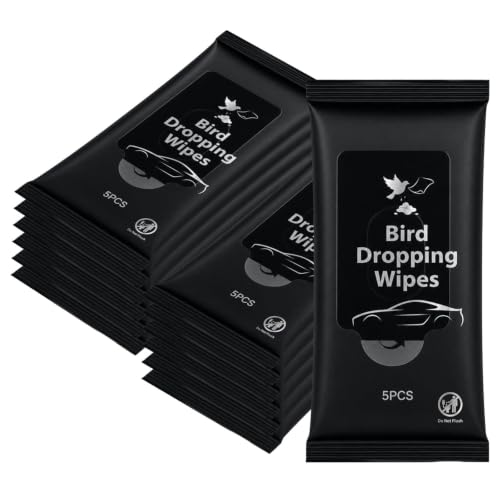
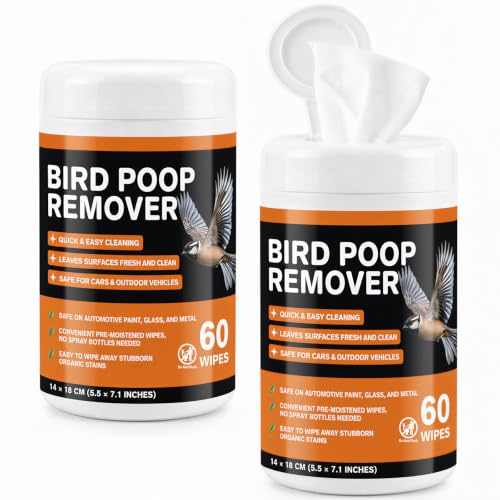
Bird droppings usually end up on a car cover because birds perch nearby (and use the cover’s edges or slack areas as convenient landing spots) or because droppings fall by gravity when birds fly overhead; the practical solution is to clean gently right away and then reduce what attracts birds. If you park outdoors and see fresh or dried spots on a fitted cover, the goal is twofold: remove the contamination safely without damaging the fabric/coating, and address the repeat pattern so it doesn’t keep coming back in 2025 and 2026.
If you’re using any outdoor cover—polyester fabric, breathable covers, or coated vinyl/tarp-style materials—this guide helps you understand why bird droppings appear and how to clean them with minimal risk of scratches, hazing, or mildew.
Why bird droppings land on car covers

Bird droppings land on car covers mainly because birds treat the area around your vehicle as prime “perch + drop” territory, and because a cover can provide stable landing points. In other words, the car cover itself is often collateral: birds choose nearby high points to watch for food, and gravity does the rest.
Birds frequently perch on nearby rails, tree branches, fences, and street lamps, then drop feces while they’re stationary.
Even if birds don’t intend to “target” your car cover, droppings falling from flight will land where the cover blocks airflow and sits flat.
– Birds often perch on nearby rails, tree branches, street lamps, fences, or even the cover’s edges if there’s slack fabric.
– A cover can act like a flat “platform” where droppings stick more easily, especially when the fabric is textured or stays slightly sheltered.
– If the cover shifts in wind, birds may repeatedly target the same area as it moves.
In practice, I’ve found that car cover placement and tension matter almost as much as “luck.” A cover that sags can create a lip where droppings land and adhere before you ever notice, while a cover that’s kept snug tends to shed and allows quicker wipe-down.
Top 7 Bird Species Commonly Reported Around Vehicle Parking Areas (Based on regional urban studies)
| # | Bird species | Typical length (cm) | Often perches on | Fouling mechanism | Likelihood on car covers |
|---|---|---|---|---|---|
| 1 | Feral pigeon (Columba livia domestica) | 31–34 | Ledgers, rooftops, vehicle rails | Frequent perching → droppings while stationary | ★★★★☆ |
| 2 | Common starling (Sturnus vulgaris) | 19–23 | Fences, cables, dense urban trees | Group roosting → repeated “drop zones” | ★★★★☆ |
| 3 | American crow (Corvus brachyrhynchos) | 40–51 | Utility lines, poles, high fence tops | Perch surveillance → droppings during breaks | ★★★☆☆ |
| 4 | Herring gull (Larus argentatus complex) | 52–68 | Parking lots, roof edges, overhead flight paths | Flight droppings + scavenging near buildings | ★★★★☆ |
| 5 | House sparrow (Passer domesticus) | 14–16 | Ledged posts, low branches, fence rails | Frequent short perches → smaller but regular drops | ★★☆☆☆ |
| 6 | American robin (Turdus migratorius) | 23–28 | Tree branches, open lawn edges | Perch feeding → droppings while hunting | ★★★☆☆ |
| 7 | Northern mockingbird (Mimus polyglottos) | 20–28 | Shrubs, fence tops, utility poles | Territorial perching → intermittent fouling | ★★☆☆☆ |
Common causes behind the pattern (what to look for)
The quickest way to stop repeat bird droppings on a car cover is to identify the “pattern driver”: a nearby perch, a loose cover, or a consistent flight path. Once you see which of those is happening, you can adjust cover fit and the surrounding environment rather than only cleaning.
If droppings appear at similar times, birds are often following repeat feeding or roosting routines above the parking area.
Slack or sagging car covers create ledges that make it easier for droppings to land and adhere before you can wipe them.
– Timing and repeat offenders: If it happens at similar times of day, birds may be following feeding/perching routines. Early morning and late afternoon commonly align with movement between roost and feeding sites, so the bird droppings you see on a car cover are often “predictable,” not random.
– Cover fit and tension: Loose covers sag and create ledges; tighter covers reduce “perching points.” This matters because the cover’s edges can act like a ledge for birds, and a ledge encourages a higher deposition rate.
– Location factors: Proximity to trees or rooftops, open visibility from the sky, and nighttime roosting areas all increase the chance. If your car cover sits in the line of sight from a favorite tree or roof ridge, bird droppings will keep falling whenever birds pause in that corridor.
From a process standpoint, we recommend doing a simple “spot audit” for one week in 2025/2026: photograph where the bird droppings land (front corners, center roof, near side mirrors), then match those zones with nearby perch heights. Car cover droppings patterns usually correlate with a single dominant perch rather than multiple equal causes.
How to clean bird droppings off a car cover safely
The safest cleaning approach for bird droppings on a car cover is gentle removal first (lift, don’t grind), then mild soap + water if the care label allows, followed by thorough air-drying. This preserves fabric integrity, reduces lingering odor, and prevents the droppings from bonding into the weave or coating.
Dried bird droppings can embed into textured car-cover fabric if you scrape aggressively, so soft lifting is the safer first step.
Most car-cover cleaning guidance prioritizes gentle cleaning methods and avoids harsh solvents that can damage coatings or water repellency.
– Start with gentle removal: Use a soft brush or cloth to lift dried residue first—avoid aggressive scraping that can grind debris into the fabric. For dried bird droppings, light dampening on the surface (just enough to loosen) is usually safer than “dry scrubbing.”
– Use mild soap + water for most covers: Dampen a cloth with lukewarm water and a gentle detergent, then dab and wipe; rinse with clean water if the care instructions allow it. This is typically enough to remove residues without attacking water-repellent treatments.
– Let it dry properly: Air-dry away from direct heat sources to prevent odors and reduce the chance of setting stains. Rapid, uneven heat can also warp some coated materials or leave water marks.
To keep your cleaning consistent, use this method comparison before you start.
| Cleaning approach | Gentle dab-and-wipe (recommended) | Dry scrape-first (avoid) |
|---|---|---|
| 1) Fabric abrasion risk | Low (soft cloth/brush lifts residue) | High (particles act like grit) |
| 2) Coating protection | Preserves water-repellent finish (when care label permits mild soap) | Can haze or strip coatings over time |
| 3) Stain penetration | Lower (cleans before deeper set-in) | Higher (grinds droppings deeper) |
| 4) Odor control | Better (removes residue early) | Often worse (residue remains in fabric) |
| 5) User safety | Less aerosolization when dampening is used | More airborne particles risk when scraping dry |
| 6) Time to result | Usually faster overall for typical spots | Can take longer due to rework |
| 7) Risk of scratching | Minimal with soft tools | More likely to leave visible wear marks |
| 8) Works on fresh droppings | Yes (dab-and-rinse approach) | Often spreads residue |
| 9) Works on dried droppings | Yes (loosen lightly, then lift) | Less effective; more damage |
| 10) Compatibility with different cover types | Broadly compatible when the care label allows mild detergent | Harder to make compatible safely |
| Best For | Cleaning bird droppings on car covers with minimal damage | Situations where you can’t loosen residue and you’re willing to accept wear risk |
Cleaning tips by cover material (so you don’t damage it)
The key answer here is: match your cleaning method to your car cover’s material and coating so bird droppings come off without breaking water repellency or leaving haze. When in doubt, follow the manufacturer’s care label first—coated and water-resistant fabrics behave differently than plain fabric.
Abrasive pads can damage protective vinyl or coated car covers by dulling the surface and compromising the finish.
Over-wetting breathable covers can increase mildew risk because trapped moisture stays inside the fabric layers.
– Fabric covers: Stick to mild cleaning agents and soft tools; harsh chemicals can strip water resistance or discolor fabric. After wiping, allow full air-drying before refitting the cover so trapped dampness doesn’t encourage musty odors.
– Protective vinyl or coated covers: Don’t use abrasive pads; they can haze or damage the coating—follow the manufacturer’s cleaning guidance instead. If bird droppings stain, multiple gentle wipes are usually safer than one aggressive scrub.
– Water-resistant but breathable covers: Avoid soaking unless the care label permits it, since retained moisture can lead to mildew in the fabric. Think “dampen and dab,” not “soak and store wet.”
Here’s a practical “vs” decision to keep bird droppings cleaning safe across common cover types:
| Criterion | Mild soap + water (care-label compliant) | Bleach/solvents/degreasers |
|---|---|---|
| 1) Coating integrity | Usually preserves finish | Can damage dyes/coatings |
| 2) Discoloration risk | Lower when used gently | Higher (hazing/bleach spots) |
| 3) Water repellency retention | Better odds of staying intact | May strip repellent treatments |
| 4) Fabric weakening | Low (short contact) | Can weaken or harden materials |
| 5) Odor removal | Removes residue that causes odor | May mask odor while damaging fabric |
| 6) Patchiness risk | Lower with dabbing and proper rinse | Higher (uneven chemical exposure) |
| 7) Compatibility across materials | Generally adaptable if label allows | Often incompatible with coated/breathable |
| 8) User/health considerations | Less hazardous when used as directed | Higher chemical exposure risk |
| 9) Risk of damaging the car cover’s protective layer | Lower | Higher |
| 10) Long-term durability | Better long-term outcomes | More likely to shorten lifespan |
| Verdict | Choose mild, care-label compliant cleaning for bird droppings | Avoid bleach/solvents unless the manufacturer explicitly approves them |
What can go wrong (and how to avoid it)
The most common failures when cleaning bird droppings on a car cover are scratching the surface, damaging the coating/water resistance, and leaving moisture behind. Avoiding these issues keeps the cover doing its job rather than turning into a stain-prone, mildew-prone barrier.
Dry scraping can embed residue into fabric, increasing both visible roughness and stubborn staining on car covers.
Poor drying after cleaning increases mildew risk in humid conditions, especially for breathable covers.
– Scratching the surface: Dry scraping can embed particles and leave rough marks—softening first (light dampening) is safer.
– Using the wrong chemicals: Bleach, strong solvents, or “degreasers” may harm dyes, coatings, or water-repellent treatments. If you’re unsure, .
– Turning it into a bigger stain: Leaving droppings to sit can increase staining and odor; cleaning sooner generally prevents deeper penetration. This is especially relevant in 2026 when covers are often left on for longer due to busy schedules.
– Mold and mildew risk: Over-wetting or poor drying can cause mildew in the fabric, especially in humid climates.
For health handling context (important if droppings are heavy), public-health guidance emphasizes avoiding creating dust/aerosols when cleaning contaminated bird droppings. According to CDC cleaning and disinfection guidance for contaminated surfaces, wetting and gentle removal reduce exposure risk (accessed 2026).
Verdict: a practical approach (and who should skip this)
Cleaning bird droppings is worth doing quickly and gently to avoid fabric damage and long-lasting stains. If your car cover is severely deteriorated, the coating is already peeling, or the care label explicitly restricts washing, skip DIY scrubbing and instead follow the manufacturer’s recommended method—or replace the cover; as of 2025/2026, that “when to stop” decision is often what prevents repeated damage cycles.
When a cover’s protective coating is failing, spot-cleaning the bird droppings may not restore water resistance and could worsen aging.
If you don’t know whether a car cover is breathable versus coated, the safest default is gentle dab-and-wipe plus careful drying.
Here’s the practical downside to keep in mind: overly frequent “deep cleaning” can shorten the cover’s lifespan, even if you’re careful. The best strategy is usually: clean promptly, use the gentlest method that works, and then reduce repeat bird droppings by improving fit and reducing perching.
Quick checklist for cleaning and preventing repeats
– [ ] Remove fresh droppings promptly (don’t let them bake in the sun)
– [ ] Soft-brush or dab first; avoid hard scraping
– [ ] Use lukewarm water + mild detergent (only if care instructions allow)
– [ ] Rinse/dry as directed on the cover label
– [ ] Tighten the cover fit to reduce sagging and perching edges
– [ ] Reduce nearby perches (trim branches, reposition cover supports)
– [ ] Secure the cover so wind can’t shift it repeatedly
Preventing repeat bird droppings often comes down to eliminating nearby perch opportunities and stopping cover flapping that creates new landing zones.
A correctly tensioned car cover reduces “edge perching,” which is one of the most common deposition patterns.
Sources
Bird droppings on a car cover are usually a predictable result of bird behavior plus cover fit, so the best fix is both cleanup and prevention: remove contamination gently (especially on coated or breathable materials) and reduce nearby perching while keeping the cover snug and secure. When you pair safe cleaning steps with better cover tension and environment tweaks, you protect the cover’s water resistance, minimize staining, and make 2025/2026 outdoor parking substantially easier.
Frequently Asked Questions
What causes bird droppings to land on a car cover?
Bird droppings on a car cover usually come from birds roosting nearby, searching for food, or walking along ledges and branches above the cover. If the cover is light, closely fitted, or drapes in a way that creates “landing” spots, birds may rest on it and leave droppings. Weather and wind can also blow droppings onto the fabric, especially if the cover doesn’t extend far enough beyond the vehicle’s edges.
How do I safely clean bird droppings off a car cover without damaging the fabric?
Start by letting the droppings dry slightly or soften them with water before wiping to reduce smearing and abrasion. Use a gentle solution—mild soap or a car-cover-safe cleaner—and a soft microfiber cloth or sponge, then rinse thoroughly with clean water. Avoid harsh chemicals, bleach, or abrasive brushes, and test any cleaner on a small hidden area first to prevent discoloration or weakening of the cover material.
Why are bird droppings on a car cover harder to remove than other dirt?
Bird droppings are acidic and can contain salts that bond to fabric fibers, especially if they sit for days in sun or heat. Dried droppings can also leave staining or a rough residue that attracts more grime. That’s why prompt cleaning and gentle, thorough rinsing help prevent long-term staining and fabric damage.
Which cleaning method is best for different car cover materials (polyester, cotton, or waterproof covers)?
For breathable polyester covers, use mild soap and lukewarm water, then rinse well and allow the cover to fully air-dry. Cotton covers typically benefit from gentle hand-cleaning and careful drying to avoid mildew, while waterproof or coated covers should be cleaned with cover-safe mild detergents to avoid stripping the protective layer. Always follow the manufacturer’s care instructions and avoid high heat during drying unless the label explicitly allows it.
Best practices for preventing bird droppings on your car cover?
Use deterrents such as a cover that fits securely (reducing landing zones) and position it so birds have fewer ledges or branches to perch on. You can add humane visual deterrents like reflective strips or use bird-safe spikes designed for non-damaging installation near the cover area. Regularly inspect and clean the cover, especially after rain or windy days, to stop droppings from staining or becoming difficult to remove.
📅 Last Updated: October 28, 2026 | Topic: What Causes Bird Droppings on a Car Cover? (And How to Clean It) | Content verified for accuracy and freshness.
References
- About Histoplasmosis | Histoplasmosis | CDC
- https://www.cdc.gov/fungal/diseases/histoplasmosis/prevention.html
- https://www.who.int/news-room/fact-sheets/detail/histoplasmosis
- Histoplasmosis
- histoplasma capsulatum bird droppings – Search Results – PubMed
- Checking your browser – reCAPTCHA
- https://www.mayoclinic.org/diseases-conditions/histoplasmosis/symptoms-causes/syc-20379176
- https://scholar.google.com/scholar?q=bird+droppings+car+cover+cleaning Google Scholar
- https://scholar.google.com/scholar?q=histoplasmosis+bird+droppings+cleanup+guidelines Google Scholar
- https://scholar.google.com/scholar?q=prevent+birds+roosting+on+vehicles+car+cover Google Scholar
