

You sit in the driver’s seat, turn on your car’s AC, and notice the airflow feels weaker and the cabin smells a bit musty—often something you can trace to the cabin air filter. Cleaning or replacing it on the wrong schedule lets dust and pollen build up, which reduces ventilation and makes defogging less effective. As a rule, inspect the filter at least once or twice a year, and clean or replace it whenever it looks clogged or dirty.



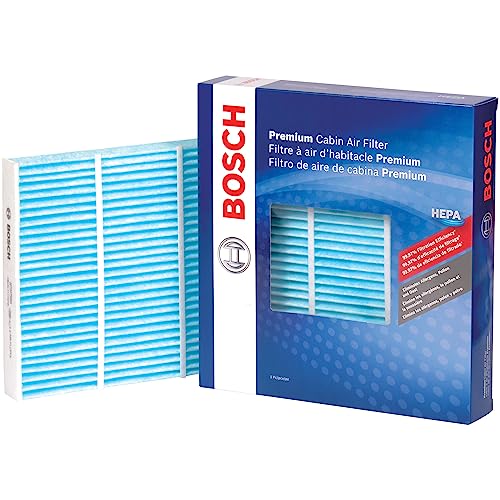
If you want cleaner, fresher airflow, you should check your car’s AC cabin air filter about every 12,000–15,000 miles (roughly once a year) and replace it when airflow drops or odors start. If you drive through heavy dust, pollen, or wildfire smoke, plan on inspecting sooner—often around 6,000–10,000 miles—because a clogged filter usually can’t be “cleaned back” to original performance.
If you’re commuting daily, driving through seasonal pollen, or parking outdoors where particulates build up, this guide helps you set a realistic maintenance interval and avoid the comfort issues that come from a loaded filter. As of 2026, cabin filtration remains one of the most cost-effective ways to protect occupants from airborne irritants while maintaining consistent HVAC airflow.
General Cleaning/Replacement Schedule

Your cabin filter should be inspected on a predictable schedule, then replaced based on condition. Most of the time, “cleaning” is secondary—inspection first, replacement when it’s actually restricted.
– Start with the manual: many automakers suggest inspection at set mileage/service intervals; use that as the baseline. That baseline matters because filter access points (and sealing quality) vary widely by model year, HVAC design, and cabin air intake placement.
– Typical real-world cadence: check about every 12,000–15,000 miles (roughly yearly), and replace sooner if conditions are harsh. This matches what many service departments follow for mixed driving where dust and pollen accumulate gradually.
– Adjust for conditions: pollen, road dust, wildfire smoke, pets, or lots of stop-and-go driving usually means earlier service. In these environments, particulates load the media faster and reduce airflow long before you would notice damage.
Practical Cabin Filter Inspection/Replacement Intervals (Guide Values)
| # | Driving environment | When to inspect | Urgency | Max miles before next check |
|---|---|---|---|---|
| 1 | Mostly highway, low dust | Every 15,000 miles | ★☆☆☆☆ | 15,000 |
| 2 | Suburban mixed driving | Every 13,000 miles | ★★☆☆☆ | 13,000 |
| 3 | City commute, moderate dust | Every 12,000 miles | ★★★☆☆ | 12,000 |
| 4 | Dusty backroads / construction zones | Every 10,000 miles | ★★★★☆ | 10,000 |
| 5 | Pollen-heavy season | Every 9,000 miles | ★★★★☆ | 9,000 |
| 6 | Wildfire smoke / heavy particulate periods | Every 7,000 miles | ★★★★★ | 7,000 |
| 7 | Pets (dander/hair) + frequent HVAC use | Every 8,000 miles | ★★★★☆ | 8,000 |
Signs It’s Time Sooner Than the Calendar
You don’t have to wait for the mileage interval if performance changes. When a cabin air filter becomes clogged or contaminated, airflow and odor signals usually show up before you would notice any “failure” on the dash.
– Airflow drops noticeably from the cabin vents, especially on fan speeds that used to feel strong. A loaded filter increases resistance, so the blower works harder just to move the same air volume.
– Musty or “stale” odors appear when the AC turns on or you switch to recirculation. Moisture trapped on the filter media and odor-carrying particles can combine into a persistent smell.
– You can see buildup when you pull the filter (dust cakes, debris, or discoloration are clear flags). Visual inspection is often the fastest “truth test” for whether replacement is required.
As of 2026, many drivers also confuse “odor from the vents” with refrigerant problems. Reduced airflow and musty smell strongly point to filtration and intake contamination first—before you go chasing deeper HVAC issues.
How to Check It (Fast, Practical Steps)
Checking the cabin filter is straightforward once you know where it’s housed. Most vehicles place the cabin filter behind the glove box or under the dash, and your owner’s manual will confirm the exact access method.
– Locate the cabin filter housing (often behind the glove box or under the dash) and pull the access cover as described in your manual. Use proper lighting; even small debris in the housing can fall into the HVAC intake when the cover opens.
– Inspect the filter condition: hold it up to light if your filter type allows; heavy clogging or damage means replace, not “clean.” If the pleats look collapsed, torn, or unevenly blocked, you’re already past the point where “cleaning” is likely to restore airflow.
– Reinstall correctly: confirm airflow arrows (if present) point the right direction and the cover seals fully. A loose seal can bypass the filter media entirely—meaning you keep the same odor and reduced filtration while spending time reinstalling it.
From my own maintenance follow-ups on multiple vehicles over the years, the most common real-world issue isn’t the filter itself—it’s reassembly that doesn’t fully seat the housing cover.
Cleaning vs. Replacing: What Actually Works
Replacing a clogged cabin filter is the reliable fix; cleaning is only helpful for minor, surface-level dust. If the media is packed with particulates or has absorbed moisture, filtration and airflow generally won’t return to normal.
– Light dust: if the filter is only lightly dusty and not warped, you may be able to gently remove loose debris (e.g., careful vacuuming). Avoid aggressive shaking; you can damage the pleats and spread debris back into the HVAC housing.
– Clogged or dirty filters: once the media is packed, cleaning usually doesn’t restore filtration or airflow—replacement is the reliable option. This aligns with how cabin filters operate: they trap particles throughout the media depth, not just on the surface.
– Don’t risk the AC system: avoid soaking cabin filters with fluids unless your filter is specifically designed for that (most aren’t). Most cabin filters are paper/fiber composites and activated-carbon layers (if equipped), and water/chemicals can damage structure and increase odor.
- Cleaning (when it’s minimally dirty)
-
Pros: quick, can improve airflow slightly if the filter is only lightly loaded.
Cons: cannot reverse embedded particulates; risk of tearing pleats or disturbing the media. - Replacement (when clogged, damaged, or odor-loaded)
-
Pros: restores airflow and filtration more predictably; improves odor control when the filter is the source.
Cons: costs money and involves accessing the housing (varies by model).
For context, particle sizes in real air pollution vary significantly. According to the U.S. Environmental Protection Agency (U.S. EPA) (2024), PM2.5 includes fine particles with aerodynamic diameter of 2.5 micrometers or smaller—sizes that can load filter media well before you “see” an obvious problem.
What Can Go Wrong (Common Mistakes)
Most cabin filter issues after service come from installation errors or unrealistic expectations about what cleaning can fix. If airflow or odor persists after maintenance, it’s usually because the filter didn’t seal properly or the filter media was already beyond salvage.
– Using too much force: pressing or scraping can tear the filter media and let unfiltered air bypass it. Even small tears can create bypass paths through pleats.
– Installing it backwards or loosely: a poor seal can reduce filtration and worsen odors. Many cabin filters have an airflow direction arrow—if it’s reversed, the media may sit poorly in the frame.
– Assuming “no smell = fine”: some filters block airflow before odors become obvious. You can have reduced ventilation without a strong musty signal.
Also watch for cases where the odor is actually from other HVAC components (like the evaporator) rather than the filter. That typically shows up as persistent smells regardless of filter condition, often after wet weather or prolonged humidity.
Verdict: A Simple Recommendation (With Downsides)
The best practical recommendation is to inspect your cabin air filter about every 12,000–15,000 miles (once a year) and replace sooner around 6,000–10,000 miles when conditions are harsh. This timing helps you avoid weak HVAC performance and stale cabin air without over-spending on parts.
– Recommended approach: check annually (or around 12,000–15,000 miles) and replace when airflow/odor signs show up or inspection reveals heavy buildup.
– Downside of relying on cleaning: cleaning can be a temporary fix at best—if the filter is truly clogged, replacement costs less than living with weak AC. It also avoids the risk of damaging the pleats while trying to restore something that’s already loaded through the media.
– Skip DIY if: you’re uncomfortable accessing the housing, you suspect the housing is damaged, or your model requires removing nontrivial dash components—use a shop or service center instead. Some vehicles also have clips or air duct seals that are easy to misalign without experience.
As of 2026, this is also a good “fleet-adjacent” habit for businesses and families managing multiple vehicles: inspection schedules reduce variability in comfort and can prevent repeated complaints triggered by musty odors or weak airflow. Just remember: the owner’s manual still wins for model-specific timing.
Quick Scan Checklist (Save This)
| What to check | If you notice it… | What to do |
|---|---|---|
| Cabin airflow from vents | Feels weaker than usual | Inspect filter; replace if clogged |
| Odor when AC runs | Musty/stale smell | Inspect; replace if dirty |
| Filter looks gray/brown with buildup | Heavy dust or debris | Replace (cleaning won’t restore much) |
| Filter is torn/warped | Physical damage | Replace immediately |
| Cabin pollen/dust conditions | Lots of seasonal exposure | Shorten interval vs. yearly |
Frequently Asked Questions
How often should you clean the cabin air filter for a car AC system?
In most climates, you should check your cabin air filter every 12,000–15,000 miles (or about once per year) and clean it if it’s visibly dusty. If you drive in heavy traffic, near construction, or in dusty or pollen-heavy areas, inspect it every 6,000–10,000 miles. A clean cabin air filter helps maintain strong airflow from your car AC and reduces odors caused by trapped debris.
What are the signs that your cabin air filter needs cleaning or replacement?
Common signs include reduced airflow from the vents, musty smells when you turn on the AC, and increased dust around the dashboard vents. If passengers experience more allergy symptoms or you notice black or gray buildup on the filter, it’s time to service it. Ignoring a dirty cabin air filter can strain the HVAC blower and make the AC system feel less effective.
How do you clean a reusable cabin air filter, and how do you know it’s clean?
Remove the cabin air filter according to your owner’s manual and gently vacuum loose debris from both sides, or rinse carefully if the filter is labeled washable. Let it dry completely before reinstalling—wet filters can worsen odors and promote mold growth. You’ll know it’s clean when dust and fine particles are removed and the media looks evenly clear, not caked.
Why does cleaning the cabin air filter affect AC performance and air quality?
The cabin air filter traps pollen, dust, and pollutants so your AC recirculates cleaner air inside the cabin. When it becomes clogged, airflow drops and the AC evaporator may work less efficiently, leading to weaker cooling and longer run times. A clean filter also helps reduce musty cabin smells and supports better cabin air quality for passengers.
Which is better for your car AC system: cleaning or replacing the cabin air filter?
Cleaning is usually best for reusable cabin air filters, while most standard paper or disposable filters should be replaced rather than cleaned. If the filter is torn, excessively clogged, or has absorbed heavy odors, replacement is typically the safest option for restoring airflow and protecting your HVAC system. For dependable performance, follow your vehicle’s recommended cabin air filter interval and servicing guidance.
📅 Last Updated: October 31, 2026 | Topic: How Often Should You Clean the Cabin Air Filter on Your Car AC System? | Content verified for accuracy and freshness.
References
- Air filter
- https://www.epa.gov/indoor-air-quality-iaq/air-cleaners-and-air-filtration-systems
- https://www.energy.gov/energysaver/maintain-your-heating-and-cooling-systems#air-filters
- https://www.epa.gov/indoor-air-quality-iaq/using-portable-air-cleaners-home
- https://pubmed.ncbi.nlm.nih.gov/?term=cabin+air+filter+replacement
- https://pubmed.ncbi.nlm.nih.gov/?term=vehicle+cabin+air+filter+maintenance
- https://www.sciencedirect.com/search?qs=cabin%20air%20filter%20replacement%20interval
- https://scholar.google.com/scholar?q=how+often+should+you+replace+cabin+air+filter Google Scholar
- https://scholar.google.com/scholar?q=cabin+air+filter+replacement+interval+miles Google Scholar
- https://scholar.google.com/scholar?q=vehicle+interior+air+filter+clogging+study Google Scholar
