
Sticky residue on a car dashboard is usually caused by sunscreen, hand lotions, oily cleaners, or off-gassing from interior products that build up on the surface over time. You can remove it safely in 10–20 minutes using a mild interior cleaner or soapy water, a soft microfiber cloth, and a gentle approach that won’t damage the finish. Start by identifying whether the residue feels oily or tacky, then follow the cleaning steps to restore a smooth, streak-free dashboard without spreading the buildup.



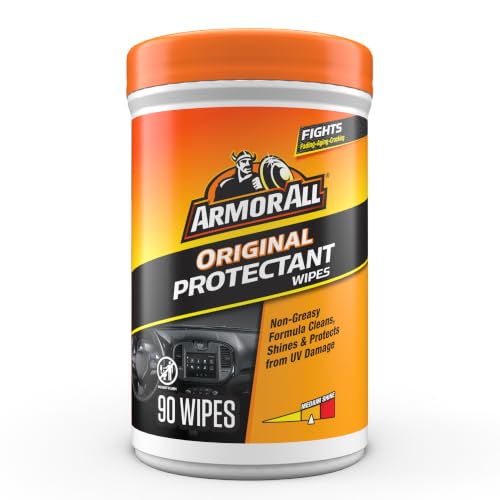
Sticky residue on a car dashboard is usually the result of heat-driven oils mixing with dust and dashboard protectants—so the fix is to clean gently first, then escalate only if the tackiness remains. Start with a mild interior cleaner, wipe thoroughly to remove residue, and only use a plastic-safe solvent (sparingly) if the surface is still tacky after the first pass.
If the residue feels tacky to the touch, shows up after using a protectant, or worsens in direct sunlight, this advice applies to most cars with vinyl/plastic dashboards. It’s also useful if you’re not sure whether the stickiness is from spilled residue, leftover cleaner, or a protectant that never fully cured.
What Causes Sticky Residue on a Car Dashboard?
Sticky residue on a car dashboard typically forms when chemistry that was “supposed” to protect the dash slowly turns into a film. The dashboard then becomes a dust magnet, and sunlight/heat makes the film feel gummy again.
– Heat + dust + dressing = buildup: Sunlight warms the dashboard, which can make oils/silicones in some products attract dust and form a gummy film.
– Over-applied or uncured protectant: Some sprays or wipes leave a tacky layer if they’re used too heavily, buffed poorly, or not allowed to set properly.
– Other residues get baked in: Sticky spots can also come from spills, adhesive transfers (stickers/tape), or aftermarket products that react with the dashboard surface.
Solvent Volatility vs. Dashboard Safety (1 atm boiling points)
| # | Cleaning chemistry | Boiling point (°C) | Dashboard finish rating | Evaporation speed index* |
|---|---|---|---|---|
| 1 | Water (with mild interior soap) | 100.00 | ★★★★★ | 1.00 |
| 2 | Isopropyl alcohol (IPA) | 82.60 | ★★★★☆ | 1.21 |
| 3 | Ethanol | 78.37 | ★★★☆☆ | 1.28 |
| 4 | n-Butyl alcohol | 117.70 | ★★☆☆☆ | 0.85 |
| 5 | Diacetone alcohol | 165.00 | ★☆☆☆☆ | 0.61 |
| 6 | D-Limonene (citrus terpene) | 176.00 | ★☆☆☆☆ | 0.57 |
| 7 | Acetone | 56.05 | ★☆☆☆☆ | 1.78 |
Evaporation speed index = 100 ÷ boiling point (°C). Higher means faster “flash-off,” not automatically gentler on coatings. Boiling points reflect common reference values at ~1 atm.
This table helps explain why escalation should be careful: for example, acetone boils at 56.05°C (NIST Chemistry WebBook), isopropyl alcohol boils at 82.60°C (NIST Chemistry WebBook), and ethanol boils at 78.37°C (NIST Chemistry WebBook). Faster evaporation can reduce soaking time, but harsh solvents can still soften coatings or leave haze.
What to Do Before You Clean It
Before you clean sticky residue on a car dashboard, confirm the finish type and test your method. This single step prevents the most common “I made it worse” outcomes—dulling, smearing, or leaving a new chemical film.
– Check the dashboard material and finish: If your dashboard is textured, coated, or matte, avoid “soak and scrub” approaches—gentle contact is safer.
– Test your cleaner in a hidden spot: Try any product on a small, inconspicuous area first to confirm it doesn’t dull, smear, or change the texture.
– Work cool, not hot: Clean in the shade or after the car has cooled down so the residue doesn’t spread or smear more deeply.
If the stickiness started right after using a dressing (especially after heavy spraying), treat the problem as protectant film first. Sticky residue on a car dashboard is often “re-activated” by repeated passes with the wrong cleaner, so your pre-check isn’t optional—it’s the difference between one controlled wipe and multiple patchy rounds.
How to Clean Sticky Dashboard Residue (Step-by-Step)
Cleaning sticky dashboard residue works best when you remove the film mechanically (wipe + lift) before you try stronger chemistry. Follow this order because mild cleaners dissolve many films without attacking the underlying coating.
– Start mild (often enough): Dampen a microfiber cloth with a small amount of warm water plus a mild soap intended for interiors (or very diluted car interior cleaner). Wipe gently, then wipe again with a clean, lightly damp cloth to remove any soap film.
– If it’s still tacky, use a plastic-safe solvent carefully: Use a small amount of 70% isopropyl alcohol (IPA) on a microfiber cloth (do not pour directly). Lightly wipe the sticky area, then immediately follow with a clean damp cloth to lift residue away from the surface.
– Dry and finish correctly: Buff dry with a fresh microfiber to prevent streaks, and if the dashboard coating looks affected, stop and reassess rather than repeating stronger chemicals.
When you clean sticky residue on a car dashboard, the “lift, wipe, rinse” rhythm matters. Soap-only cleaning can leave a thin surfactant layer (so it feels clean but stays slightly tacky), while solvent passes without immediate follow-up can leave solvent/surfactant residue behind.
Mild Cleaner vs. Solvent: Which Should You Use?
If you’re deciding between staying mild or escalating to a solvent, use this practical comparison to protect your dashboard coating while still fixing the tackiness.
| Option | Pros | Cons / Risks |
|---|---|---|
| Mild interior cleaner + microfiber | Targets dust+film, low risk of gloss change, good first pass for “post-protectant” tackiness | May not fully cut silicone/oily buildup if it’s been baked in by sun |
| 70% isopropyl alcohol (IPA) on cloth | More likely to dissolve stubborn residues, evaporates faster than many oils, helps verify the residue is chemical-film | Can dull some matte coatings if overworked; avoid repeated wet passes |
From my own past maintenance habits, the most reliable pattern with sticky residue on a car dashboard is: fewer wet minutes on the surface, more microfiber passes that “lift and remove,” and immediate wipe-down after IPA.
Prevent Sticky Residue From Coming Back
The best prevention is to stop the “heat + dust + dressing” loop before it becomes adhesive film. For sticky residue on a car dashboard, prevention is mostly about product amount, placement, and ongoing cleaning cadence.
– Apply protectants sparingly and evenly: Use less product than you think you need, keep it off vents/buttons, and buff until it no longer looks wet.
– Choose products that are compatible with your dashboard: If your last product left a tacky feel, switch to one explicitly labeled safe for interiors/coatings similar to yours (or follow the manufacturer’s recommended product type).
– Keep it clean before buildup starts: Regular wiping (even quick dust removal) reduces the “dust + heat + chemical buildup” cycle that turns into gummy residue.
As of 2026, many modern interior dressings are formulated to meet low-odor and longevity expectations, but they can still behave differently depending on how much is applied and how much sun the dashboard receives. Sticky residue on a car dashboard can come back if the next dressing is the same type that previously left a film—so prevention means changing the process, not just repeating the same product.
What Can Go Wrong (Common Mistakes & Edge Cases)
Sticky residue on a car dashboard usually gets worse when people jump straight to harsh chemicals or keep working the area while it’s still wet. Avoid these failure modes to protect the underlying coating.
– Using harsh chemicals can damage the finish: Solvents like acetone, strong thinners, or aggressive degreasers can soften coatings, cause gloss changes, or leave permanent haze.
– Scrubbing too hard can worsen the problem: Heavy pressure can push residue into pores/texture and create a smear that’s harder to remove.
– Trying to “mask” tackiness with more dressing: If the residue is chemical buildup, adding more protectant can re-activate or lock in the stickiness—clean first, protect second.
Edge case to consider: if sticky residue on a car dashboard appears near seams, edges, or around instrument cluster bezels, chemical buildup may have penetrated crevices. In that scenario, “wipe harder” won’t fully solve it—you’ll need more time, repeated gentle lifts, or professional detailing guidance.
Verdict: What’s the Best Approach (and Who Should Skip DIY)?
The fastest, safest workflow for sticky residue on a car dashboard is mild cleaning first, then only step up if the residue remains tacky, with test spots and no direct solvent pouring. DIY is usually fine for surface films on typical vinyl/plastic dashboards, but skip DIY if the residue is from unknown chemicals, has soaked into seams/edges, or if the dashboard’s finish already shows degradation (peeling, bubbling, severe discoloration).
– Downsides to expect: Some sticky residues come from protectants that have chemically bonded with heat—those may take multiple gentle cleanings rather than one “wipe it off” moment.
– Who should not attempt this: If you have leather/wood trim, fragile matte coatings, or a heavily textured aftermarket dash with unknown coatings, safer results may come from following your vehicle/trim manufacturer’s guidance or getting a detailer involved.
– Quick checklist before you start:
| Step | What to do | What to avoid |
|---|---|---|
| 1 | Clean in a cool/shaded car | Working right after driving in hot sun |
| 2 | Test a hidden spot | Assuming every cleaner is dashboard-safe |
| 3 | Use microfiber + mild cleaner first | Scrubbing aggressively |
| 4 | Escalate only if needed | Pouring solvents directly on the dash |
| 5 | Finish by wiping/drying | Leaving product residue behind |
If you want one practical rule for sticky residue on a car dashboard: lift residue, then stop and evaluate. Continuing to add product or repeating solvent passes without reassessing is how dashboards end up patchy or shiny.
Frequently Asked Questions
What causes sticky residue on a car dashboard?
Sticky residue on a car dashboard is most often caused by spilled drinks (soda, coffee), hand oils from frequent touching, or degraded adhesive from sunshades and stickers. Over time, heat and UV exposure can make these residues tacky, so they collect dust and become harder to remove. In some cases, it can also come from aftermarket products or interior cleaners that were applied incorrectly and left a film.
How do I clean sticky residue from my car dashboard without damaging the surface?
Start by gently wiping the area with a clean microfiber cloth and warm water to remove loose grime, then use a mild, interior-safe cleaner. For sticky spots, try a small amount of isopropyl alcohol on a cloth (not directly on the dashboard) and rub lightly until the residue lifts. Always test in an inconspicuous area first, avoid soaking seams, and steer clear of harsh solvents that can dull or crack dashboard coatings.
Why does dashboard residue feel tacky even after I wipe it?
Dashboard residue can remain tacky because the original spill or adhesive hasn’t fully been dissolved—it may only be smeared into the surface finish. Dust and heat can also bond the residue, creating a sticky film that reattaches when you wipe with a dry cloth. Using the right method (film-lifting cleaner or alcohol on a cloth) and a thorough follow-up wipe with a clean damp cloth usually fixes it.
Which products are best for removing sticky dashboard residue?
The best products are interior detailing sprays designed for dashboards, plus gentle degreasers that are safe for plastics and vinyl. If the residue is adhesive-like, isopropyl alcohol (used sparingly on a cloth) is often effective for sticky spots, but it should be tested first. Avoid strong cleaners with ammonia, bleach, or aggressive degreasers, since they can damage the dashboard texture and leave cloudy marks.
What’s the best way to prevent sticky residue on a car dashboard?
Prevent sticky buildup by keeping food and drinks away from the dash and cleaning spills immediately with a damp microfiber cloth. Wash your hands before driving when possible, and avoid applying multiple dashboard protectants that can build up into a tacky film. Regularly wipe the dashboard with an interior-safe cleaner and use a foam or non-greasy protectant to reduce residue attraction from dust and sunlight.
📅 Last Updated: November 02, 2026 | Topic: What Causes Sticky Residue on a Car Dashboard? (And How to Clean It) | Content verified for accuracy and freshness.
References
- Plasticizer
- Phthalates
- Vinyl
- https://www.cdc.gov/mold/cleanup/index.html
- Mold | US EPA
- https://www.epa.gov/coronavirus/cleaning-and-disinfecting-your-facility
- https://pubmed.ncbi.nlm.nih.gov/?term=plasticizer+migration+PVC+tackiness
- https://scholar.google.com/scholar?q=plasticizer+migration+sticky+surface+vinyl Google Scholar
- https://scholar.google.com/scholar?q=cigarette+smoke+residue+on+surfaces+nicotine+cleaning Google Scholar
- https://scholar.google.com/scholar?q=cleaning+methods+vinyl+dashboard+adhesive+residue Google Scholar
