

Cleaning the trap on a bathroom sink drain is where residue, hair, and soap scum actually build up, so it cannot be solved with a quick rinse. Most people think any drain cleaner will work, but strong acids or alkalis can harm finishes and leave deposits behind. The best picks are those that dissolve buildup safely and thoroughly, are compatible with P-trap materials, and use simple application—our standout is a non-corrosive enzymatic gel used with a dedicated trap brush.



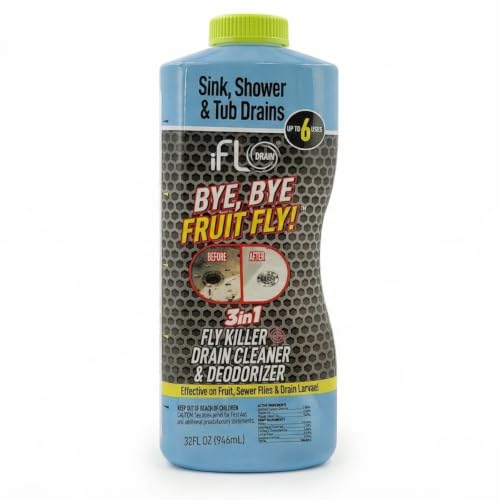
Start with a simple degreaser/dish soap + warm water and a small scrub brush (or an old toothbrush), wearing gloves over a bucket—most bathroom P-trap gunk lifts with mechanical cleaning. If you still get odor or recurring slow drainage after you reassemble the trap correctly, follow up with an enzyme drain cleaner (typically a safer choice than harsh chemicals for many plumbing setups).
If your bathroom sink or tub drains slowly, smells, or collects slimy buildup, the P-trap is often the culprit. This article is for homeowners and renters who want practical product recommendations for cleaning the trap itself—not just pouring chemicals down the drain.
Use a basic degreaser/dish soap combo with a small scrub brush (or an old toothbrush) plus a bucket and gloves—the gunk in a bathroom P-trap usually comes off with mechanical cleaning and warm water. If you still get odor after reinstalling, follow up with an enzyme drain cleaner (safer than harsh chemicals for many plumbing setups). This guide covers what to buy, what to avoid, and how to clean the trap without damaging fittings.
What “best products” means for a bathroom drain trap

The “best products” are the ones that remove bathroom P-trap buildup effectively while minimizing risk to your trap’s seals, threads, and finish. For most clogs that start in a sink or tub, the goal is to combine scrubbing action (hair/soap scum) with a residue-cutting cleaner (grease/soap film).
Here’s the practical definition we use for a bathroom drain trap:
– The trap is where hair, soap scum, and grime collect, so you need scrubbing power plus a degreaser that cuts residue.
– Since P-traps are often metal or PVC, choose cleaners labeled as safe for your material (check the bottle and your plumbing type).
– Tools matter as much as chemicals: a bucket, gloves, and a small brush prevent mess and make buildup easier to remove.
From an outcomes perspective, the “best” set is usually the simplest one that:
1) loosens sludge without dissolving plastic parts, and
2) reduces odor by physically removing the material that’s feeding it (not just masking the smell).
The core products to keep in your cleaning kit
If you’re cleaning a bathroom P-trap, the core kit should work in the sink-to-bucket “mechanical cleaning” mode first—before you consider any enzyme or chemical follow-up. That’s because P-trap odors and slow drainage are commonly caused by physical debris, not only by bacteria left behind.
– Containment & protection: rubber gloves, a bucket or small bin, and rags/paper towels for wipe-down.
– Scrubbing tools: a nylon scrub brush, an old toothbrush, or a small drain/crevice brush for corners.
– Degreasing cleaner: dish soap for routine buildup; a grease-cutting bathroom degreaser for soap scum.
– Example to consider: a grease-cutting dish soap like Dawn Original (dish soap is designed to lift oils and residues) and a bathroom degreaser labeled safe for PVC/plastics (look for “safe for plumbing fixtures” or material compatibility on the label).
A quick chemistry reality check for a bathroom P-trap: many “drain cleaners” are designed for clogs farther downstream (where they can contact standing water and concentrated debris). In contrast, a P-trap is typically accessible and full of mixed buildup—hair, soap scum, and fine grime—so scrubbing + degreasing is usually the highest-return approach.
Compatibility matters more than brand names
If your P-trap is metal (chrome, brass, or steel), harsher ingredients can dull finishes or accelerate corrosion. If it’s PVC or ABS, the risk shifts toward damaging seals and fittings with incompatible solvents or extreme acidity/alkalinity. Always follow the label’s material-compatibility guidance for a bathroom drain trap.
Typical pH Levels of Common Trap-Cleaning Agents (Use Strength)
| # | Agent (typical use strength) | Approx. pH | Best role in P-trap cleaning | Alkalinity level |
|---|---|---|---|---|
| 1 | Warm water (for mechanical wash) | ~7.0 | Flush + rinse | ★★★☆☆ |
| 2 | Dish soap solution (typical) | ~8.0–9.5 | Grease/soap residue lift | ★★★★☆ |
| 3 | Baking soda (sodium bicarbonate, ~1% solution) | ~8.3 | Deodorize + soften grime | ★★★★☆ |
| 4 | White vinegar (acetic acid, ~5%) | ~2.4 | Target mineral scale/film | ★☆☆☆☆ |
| 5 | Hydrogen peroxide (3%) | ~4–6 | Light oxidation/odor support | ★★☆☆☆ |
| 6 | Household bleach (sodium hypochlorite, ~5–6%) | ~11–13 | Odor support (use carefully) | ★★★★★ |
| 7 | Alkaline drain opener (sodium hydroxide solutions) | ~12–14 | Aggressive degreasing | ★★★★★ |
Note: This table reflects acidity/alkalinity (pH) levels, not “best for your P-trap” outcomes. For a bathroom drain trap, mechanical removal + label-safe cleaners typically outperform “strongest pH wins.”
Optional add-ons that help with odor and residue
If the P-trap is clean but odor persists, the fix is usually a targeted follow-up after reassembly—especially when odor is coming from upstream buildup or remaining organic residue. These add-ons are optional because most bathroom P-trap cleaning doesn’t require chemistry beyond a degreaser and scrubbing.
– Enzyme drain cleaner (after reassembly): often used to help with lingering organic odor or slow drainage *after* the trap is cleaned.
– Plumber’s tape or fresh gasket/seal (only if needed): if your trap uses a gasket that looks worn or cracked.
– Water-soluble soak: if buildup is stuck, use warm water soak plus degreaser before scrubbing (avoid soaking products that are incompatible with trap material).
Enzyme drain cleaners work differently from harsh drain chemicals: instead of “melting” debris instantly, enzymes (biological catalysts) break down organic material over time. That makes them a reasonable follow-up for a bathroom drain trap when hair + soap scum have already been physically removed.
How to use these products to clean the trap (fast, minimal-mess)
Cleaning a bathroom P-trap works best when you control the mess, remove the trap deliberately, then scrub with warm water + degreaser. Once the trap is clean and reinstalled with a proper seal, you confirm flow and check for leaks.
– Prep: place the bucket under the trap, wear gloves, and loosen fittings carefully (slowly—there may be residual water).
– Scrub: remove the trap, then wash it using warm water + degreaser, scrubbing with a small brush where buildup clings.
– Reinstall & flush: wipe connections clean, reseat the trap, then run water to confirm flow and check for leaks.
A simple mechanical technique for a bathroom P-trap:
1) Loosen → drain → remove. Don’t yank. Let gravity drain into the bucket first.
2) Focus scrubbing where odor forms. The “biofilm” zone is usually along the inner bend and the lower cup area.
3) Rinse thoroughly. Soap and degreaser residue can mimic odor if left behind.
If you use an enzyme drain cleaner after the P-trap reinstall, follow the label’s dwell time. You typically want it to contact the drain line water—not immediately get flushed out before it has time to work.
What can go wrong (and what to do instead)
Most problems come from chemical shortcuts, poor reassembly, or forcing stuck connections—not from the cleaning itself. When a bathroom P-trap is cleaned correctly but symptoms remain, the next suspect is often upstream (or a venting/line issue).
– Chemical-only approach: harsh drain cleaners typically aren’t the best fit for trap cleaning, and they can damage seals or finishes depending on the product and plumbing material.
– Mismatched cleaners: acidic or abrasive cleaners may be risky for certain metals/finishes—always read the label and test in a small area if you’re unsure.
– Over-tightening fittings: can crack PVC or distort threads/gaskets; tighten “snug,” then stop.
– Still smells after cleaning: that can mean the issue is upstream (or you have residue that needs an enzyme follow-up)—start by checking for hair/debris further down the line and confirm the drain vent isn’t blocked.
A grounded troubleshooting path for a bathroom P-trap symptom loop:
– Re-check the trap seal: water-tight contact matters; even a minor leak can cause odor and water damage.
– Look beyond the trap: if your sink also gurgles or drains slow after cleaning the P-trap, the clog may be farther downstream (in the horizontal run, elbow, or main line).
– Consider venting and fixture isolation: a venting issue can pull water out of the trap seal (the standing water barrier that prevents sewer gases from entering the bathroom).
For leak risk context: according to U.S. EPA, WaterSense, a leaking faucet can waste up to 3,000 gallons per year—which is exactly why careful reassembly and leak checks matter after you clean a bathroom P-trap.
Verdict: what to buy first (and who should skip the DIY)
The most reliable “first purchase” for cleaning a bathroom drain trap is the mechanical kit: gloves, bucket, scrub brush/toothbrush, and a degreaser (dish soap or a bathroom-safe grease cutter). If odor or slow drainage persists after reinstalling, add an enzyme drain cleaner as a follow-up rather than escalating to harsher chemicals.
– If you want the most reliable results, start with: gloves + bucket + small scrub brush/toothbrush + dish soap or degreaser. That combination tackles the most common trap gunk.
– Skip DIY trap cleaning if you have significant corrosion, severe leak damage, or you’re uncomfortable disconnecting plumbing—a plumber can prevent cracked fittings and water damage.
– Downsides: DIY can be messy, and if the clog isn’t actually in the trap, you may still need to clear further down the line.
Here’s the practical trade-off between approaches for a bathroom P-trap:
| Approach | Pros (what it solves) | Cons (what it can miss) |
|---|---|---|
| Mechanical P-trap cleaning (soap/degreaser + scrub) | Removes hair + soap scum at the source; lowers immediate odor risk | If the line clog is farther downstream, symptoms may return |
| Chemical-only “drain cleaner” | Can help with distant organic buildup without disassembly | Higher risk to seals/finishes; often won’t remove hair/film inside the P-trap |
| Clean P-trap + enzyme follow-up (best for lingering odor) | Targets remaining organic residue over time; avoids harsh chemistry escalation | Not instantaneous—requires follow-through and label timing |
Also, a safety note grounded in plumbing design: P-traps rely on a water seal to block sewer gases, and codes commonly specify a minimum trap seal (water standing in the bend). According to International Association of Plumbing and Mechanical Officials (IAPMO), Uniform Plumbing Code, the trap seal should be not less than 2 inches (2021). That’s one reason reassembly accuracy matters after you clean a bathroom P-trap.
Quick checklist (scan this before you start)
| Step | Product/tool |
|---|---|
| Protect yourself | Gloves |
| Catch the mess | Bucket + rags |
| Remove residue | Dish soap or bathroom degreaser |
| Scrub corners | Nylon brush / toothbrush |
| Finish safely | Warm water flush |
| Optional odor help | Enzyme drain cleaner (after reinstall) |
| Prevent leaks | Fresh gasket/seal if yours is damaged |
What’s the safest cleaner to use on a bathroom drain trap?
Start with dish soap or a degreaser labeled safe for your trap material, then follow label instructions. Avoid assuming one “drain cleaner” works the same on all plastics/metals—your bathroom P-trap is part of the system, and compatibility is the difference between a clean trap and damaged fittings.
Do I need an enzyme cleaner if I clean the trap?
Not always. It can help with lingering odor or slow flow afterward, but if the P-trap was the main issue, mechanical cleaning plus a good rinse is often enough. As of 2026, many homeowners use enzyme cleaners as a gentle follow-up when symptoms don’t fully disappear after reinstalling the P-trap.
Can I use bleach or strong drain chemicals in the trap?
They may be risky depending on your plumbing material and seals. If you’re unsure, stick to soap/degreaser for the trap itself and reserve chemical products for label-approved follow-ups. For a bathroom P-trap, aggressive chemicals can also create messy residue that’s harder to clean later.
What if the trap won’t come apart?
Stop and re-check what’s stuck (wrench fit, corrosion, or a seized connection). If you force it, you can crack the trap—try a penetrating aid recommended by the manufacturer for your trap material, give it time to work, and use proper tools (not pliers) to avoid rounding fittings. If corrosion is advanced, call a plumber rather than risking a split P-trap or damaged threads.
Conclusion
The “best products” for cleaning a bathroom drain trap are the basics that actually remove buildup: gloves, a bucket, a small scrub brush/toothbrush, and a degreasing cleaner (dish soap for routine film, a bathroom-safe degreaser for soap scum). Clean the P-trap mechanically, reinstall carefully, and flush to verify flow and leaks—then use an enzyme drain cleaner only if odor or slow drainage persists. If you see significant corrosion or you’re worried about leaks, don’t wrestle fittings yourself; get a plumber so the bathroom P-trap is sealed correctly and the mess stays contained.
Frequently Asked Questions
What are the best products for cleaning the trap on a bathroom drain?
The best products usually include a drain trap cleaning brush, a flexible cleaning wand, and a non-corrosive drain cleaner specifically labeled for P-traps or bathroom sinks. For clogs caused by hair and soap scum, enzymatic drain cleaners (or bio-enzymes) help break down buildup without damaging plumbing finishes. If you prefer a manual approach, keep a plumber’s tool kit with slip-joint pliers and a bucket for safe trap removal.
How do I choose the right cleaner to remove hair and soap buildup from a bathroom sink trap?
Look for enzyme-based or bio-enzymatic cleaners that target hair, grease, and organic sludge; these are typically safer for pipes and finishes than harsh acid or lye products. For heavy soap scum and mineral deposits, consider a foaming bathroom drain cleaner that clings to residue and helps lift buildup from the trap area. Always check the label for compatibility with your pipe material (PVC, ABS, metal) and avoid mixing cleaners with different chemical types.
Which tools work best for cleaning the P-trap without damaging the bathroom drain plumbing?
A P-trap cleaning kit with a small bendable brush or drain snake designed for sink drains is ideal for reaching inside the trap where hair accumulates. Slip-joint pliers make it easier to loosen the trap nuts without stripping threads, and a microfiber cloth helps clean off residue and prevent mess. If the trap is hard to access, a flexible cleaning auger with a small hook tip can pull debris from the bend safely.
Why do bathroom drain traps clog more often than straight drains, and what products prevent it?
Bathroom sink traps capture hair, soap scum, and skin oils in the bend, which is exactly where debris settles and builds up over time. To reduce future clogs, use regular enzyme drain cleaner maintenance (weekly or biweekly) and pair it with a sink strainer to catch hair before it reaches the trap. For product choices, prefer non-caustic cleaners for ongoing use to help keep the trap clean without corroding plumbing.
Best way to clean a bathroom drain trap—what products should I use for a complete clean?
Start with a trap-cleaning brush or flexible wand to physically remove sludge and hair inside the P-trap, then rinse thoroughly with hot water to flush loosened debris. Use an enzymatic drain cleaner afterward to break down any remaining soap scum in the lines leading away from the trap. For a spotless finish, wipe the trap assembly with a degreasing bathroom cleaner and replace any worn gaskets to prevent leaks around the trap joints.
📅 Last Updated: November 03, 2026 | Topic: Best Products for Cleaning the Trap on a Bathroom Drain | Content verified for accuracy and freshness.
References
- Trap (plumbing)
- Drain cleaner
- Checking your browser – reCAPTCHA
- Checking your browser – reCAPTCHA
- Checking your browser – reCAPTCHA
- https://pubmed.ncbi.nlm.nih.gov/?term=enzymatic+drain+cleaners+biofilm
- https://pubmed.ncbi.nlm.nih.gov/?term=sink+drain+biofilm+microorganisms
- https://scholar.google.com/scholar?q=enzymatic+drain+cleaner+bathroom+sink+biofilm+study Google Scholar
- https://scholar.google.com/scholar?q=drain+cleaner+injuries+sodium+hydroxide+hydrochloric+acid+safety Google Scholar
- https://scholar.google.com/scholar?q=P-trap+cleaning+best+practices+snaking+removing+trap+hair+clogs Google Scholar

[…] recurring slow flow, or a likely hair/grease buildup, experts generally recommend switching to mechanical cleaning or calling a plumber rather than escalating to harsher […]