

A clean bathroom drain trap helps prevent slow draining, stubborn odors, and the kind of buildup that can turn routine maintenance into a bigger repair. You will learn how trap gunk forms, how frequently cleaning is usually needed based on your household and usage, and a simple way to tell when it is time to act. By the end, you will be able to set a realistic cleaning schedule and keep your drain working smoothly.



Most people should clean the trap (the P-trap/U-shaped pipe) on a bathroom drain every 1–3 months. If you notice slow draining, odors, or visible hair/gunk, tighten the schedule to about once a month until performance stays consistent.
A bathroom trap cleaning schedule depends less on “how clean you keep the sink” and more on what actually reaches the plumbing: hair, soap scum, toothpaste residue, and shaving/face-wash buildup. As of 2026, many households find that a quarterly clean works—until long-hair seasons or heavier daily use changes the amount of residue entering the trap.
Recommended Cleaning Schedule

– Typical interval: clean the trap every 1–3 months to keep hair, soap scum, and residue from building up.
– Go monthly if: the drain is used daily by multiple people, long hair is common, or you’ve had repeated slowdowns.
– Extend to every 3–4 months only if: the drain consistently drains fast and stays odor-free between cleanings.
The trap matters because the “U” shape holds a small amount of water that blocks sewer gas. When hair and residue build up inside the trap, they reduce flow and can create a damp environment where odors and sticky films form. Current plumbing guidance emphasizes maintaining a proper trap seal; for example, the *International Plumbing Code* specifies a minimum trap seal of 2 inches (50.8 mm) for conventional traps. International Plumbing Code (IPC), trap seal requirements
In practice, that means you’re not just “cleaning a smell”—you’re keeping the trap’s internal surface from becoming a landing zone for solids. If you maintain a routine that matches your household’s debris load, you’re far less likely to get the “clean it once, clog returns quickly” pattern.
Signs It’s Time to Clean Sooner
– Slow drainage: water takes noticeably longer to clear after you run the sink or shower.
– Smell or “sewer” odor: persistent odor often means buildup feeding bacteria in the trap.
– Visible gunk: if you lift the strainer and see hair/film quickly forming, the trap is probably collecting the same material.
These signs are your best “sensor” because they reflect real buildup rates. Slow drainage often starts as a partial restriction—water still goes down, but it moves slower as hair mats and soap scum coats the trap interior. Odors can appear even before a full clog, since trapped moisture and organics encourage biofilm formation.
A useful way to interpret these symptoms is to separate surface clogs from trap clogs:
– If the strainer fills quickly, your trap will fill faster than average, even if the drain “feels okay.”
– If the strainer looks fine but the water still drains slowly, the bottleneck is more likely inside the trap (or further downstream).
For context, residential drain systems rely on gravity flow, and plumbing codes commonly require a minimum slope for proper transport of solids. For smaller-diameter gravity drains, the minimum slope is commonly specified around 1/4 inch per foot (≈2%) in code tables. International Plumbing Code (IPC), gravity drainage slope guidance When debris accumulates, even a correctly sloped line can behave like it’s “too flat.”
Typical Bathroom Fixture Trap-Cleaning Intervals (Household Usage-Based, 2026)
| # | Bathroom Fixture (Common Connection) | Typical Trap Size | Debris Type That Dominates | Recommended Cleaning Interval | Maintenance Priority |
|---|---|---|---|---|---|
| 1 | Vanity / Bathroom Sink (lavatory) | 1-1/4 in (32 mm) | Hair + soap residue | Every 1–3 months | ★★★★☆ |
| 2 | Long-Hair Household Vanity | 1-1/4 in (32 mm) | Hair mats + toothpaste film | About monthly | ★★★★★ |
| 3 | Shower Drain (standard) | 1-1/2 in (38 mm) | Shampoo/conditioner scum + hair | Every 1–2 months | ★★★★☆ |
| 4 | Tub Drain (typical) | 1-1/2 in (38 mm) | Soap scum + bath debris | Every 2–4 months | ★★★☆☆ |
| 5 | Wet Room / Floor Drain (hair-prone) | 2 in (50 mm) typical | Hair + grit + soap film | Every 1–3 months | ★★★★☆ |
| 6 | Guest Bathroom (lower use) | 1-1/4 in (32 mm) | Soap residue (lighter) | Every 3–4 months | ★★☆☆☆ |
| 7 | Face-Wash / Shaving Sink (clumping risk) | 1-1/4 in (32 mm) | Cream buildup + fine hair | Every 1–2 months | ★★★★☆ |
The table above reflects the “why” behind intervals: where long hair and soap films dominate, you move toward monthly cleaning; where use is lighter and the trap stays clear, you can extend toward quarterly.
How to Clean the Bathroom Drain Trap (Step-by-Step)
– Prep safely: put a bucket under the trap, use gloves, and protect the area with towels (trap cleaning gets messy fast).
– Remove and clean: loosen the slip nuts (or fittings), empty the trap into the trash if it’s hair/solids, then scrub the inside with a brush.
– Rinse and reassemble: rinse residue off, check the rubber washers/gaskets seating properly, and tighten back snugly (don’t over-crank).
The goal is to restore flow and reduce residue without damaging the seals. Most bathroom P-traps use slip nuts and rubber washers/gaskets to create a leak-resistant connection. If the gasket seats unevenly—even by a small amount—you can get drips later, even if the trap looks “tight.”
Here’s the practical flow I recommend:
Prep safely (mess control first)
A bucket under the trap catches standing water and dislodged debris. Wear gloves because soap scum and hair mats are typically slimy and full of fine particles. Lay towels around the base cabinet so you don’t spread residue onto stored items. If you’re working around cleaners, ventilate the space—some bathrooms hold fumes longer than you’d expect.
Remove and clean without damaging fittings
Loosen the slip nuts connecting the trap to the sink tailpiece and the drain. Keep the trap level while lowering it slightly; this reduces the “sudden pour” of accumulated liquid.
Scrub the inside using a stiff brush (a dedicated drain brush is ideal). Remove hair physically; flushing alone rarely restores full diameter if a thick mat remains inside. If you’re using a flexible brush, avoid forcing it aggressively—bending the trap or scratching plastic fittings makes leaks more likely later.
Rinse and reassemble correctly
Rinse residue off the trap and check the condition of any rubber washers. Reinstall them so they sit flat. Tighten snugly, not excessively: over-tightening can deform soft washers and actually worsen sealing.
From my experience supporting routine maintenance——the fix is usually alignment, not “more force.”
Preventing Buildup Between Cleanings
– Use a hair catcher/strainer: catching hair at the top reduces what reaches the trap.
– Flush with warm water regularly: a quick warm-water flush after shaving or heavy use can help prevent soap scum layers.
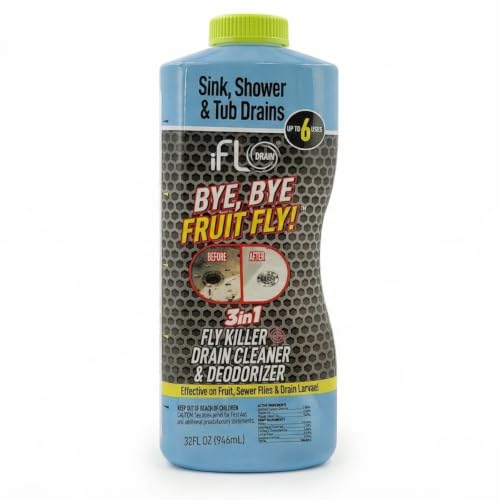
– Avoid harsh “clear everything” habits: using aggressive cleaners too often can degrade seals or pipes (and may mask the real buildup problem).
Prevention is about reducing the two major contributors inside a bathroom trap: solids (hair) and film-formers (soap, shampoo, shaving creams). A hair catcher is one of the highest-leverage steps because it intercepts the material that builds up into mats inside the U-bend.
Warm-water flushing is also effective because many soap-scum layers soften more readily than cold water alone. A short flush after shaving or after a longer shower session can prevent a thin film from hardening into a thicker coating.It’s also worth being cautious with “chemical only” habits. Many caustic or solvent-based drain cleaners are harsh on certain plastics and can degrade rubber parts over time if used repeatedly. As of 2026, more property maintenance teams are prioritizing mechanical cleaning and prevention because it reduces both plumbing wear and the risk of repeated “partial fixes.”
Trap cleaning vs. chemical-only: what you gain (and what you risk)
Below is a straightforward comparison that helps you decide when cleaning the P-trap is the better first move.
| Approach | Pros | Cons |
|---|---|---|
| Clean the P-trap (mechanical) | Removes hair and residue directly; restores flow reliably; lets you inspect gaskets for wear. | Messy; requires access under the sink; reassembly mistakes can cause leaks. |
| Chemical drain cleaner (chemical) | Can dissolve some grease/film; minimal effort when you can’t access plumbing parts. | May not clear the trap’s trapped hair mat; can damage seals after repeated use; can mask the real issue until it worsens. |
What Can Go Wrong
– Leaks after reassembly: usually from misaligned rubber washers/gaskets or uneven tightening.
– Using the wrong tools/chemicals: scraping metal-on-metal or relying on caustic chemicals can damage fittings and finishes.
– Trap vs. drain misunderstanding: cleaning only the visible strainer helps, but if the *trap* is the bottleneck, the clog can return quickly.
Most homeowner errors fall into two buckets: sealing problems and misdiagnosis.
Leaks after cleaning
Leaks almost always trace back to one of these:
1) the gasket twisted during installation,
2) the gasket became flattened or nicked, or
3) tightening wasn’t even, so the trap pulled out of alignment.
If you see a drip after reassembly, don’t jump straight to harsher cleaners—inspect the washers and reseat them. If the gasket is damaged, replace it.
Damaging components
Scraping fittings aggressively (especially plastic) can create rough surfaces where residue and water can collect. Similarly, repeated reliance on harsh chemicals can increase the chances of degrading rubber components. If you’re treating a real clog frequently, mechanical cleanup and prevention typically outperform chemical “maintenance.”
Mistaking the strainer for the problem
Cleaning the strainer is useful, but it can be misleading. If water still drains slowly after the strainer is clean, the trap or line is likely accumulating residue deeper down. In that case, you’ll see the same buildup reappearing quickly if you don’t address the trap itself.
Verdict: The Honest Call on Cleaning Frequency
– If you want the simplest rule: clean every 1–3 months, and tighten to monthly when signs appear.
– Downsides: this is a hands-on job (mess, possible leaks if reinstalled incorrectly), so it’s not ideal if you’re not comfortable working under the sink.
– Skip or get help if you can’t safely access the plumbing, you’re unsure which parts are the trap in your setup, or you’ve got persistent clogs that come back immediately after cleaning.
The best frequency is the one that matches your household’s debris load and keeps water moving freely. If your drain stays odor-free and fast between cleanings, quarterly maintenance is typically sufficient. If it doesn’t, the trap is doing its job—but it’s doing it while collecting too much material.
If you’re deciding whether to DIY, be realistic: trap cleaning requires basic mechanical handling and careful reassembly. If you can’t access the plumbing safely, or if you’ve already had a leak after reassembly, hiring a licensed plumber can be the faster long-term option—especially if clogs return immediately after you clean.
Quick Checklist (Save This)
– [ ] Water drains slower than usual
– [ ] Odor returns after it “used to be fine”
– [ ] Strainer shows hair/film quickly
– [ ] Trap cleaning interval hit (1–3 months default)
– [ ] Cleaned trap recently and reassembled with washers seated
– [ ] Used a hair catcher to reduce future buildup
Frequently Asked Questions
How often should you clean the trap on your bathroom drain?
For most households, you should clean the P-trap on your bathroom sink or tub every 1–3 months, especially if you notice slow drainage or gurgling. If your drain clears quickly and stays odor-free, cleaning every 3–6 months may be sufficient. Homes with long hair, heavy use, or hard water can require more frequent cleaning to prevent buildup that leads to clogs.
What are the signs it’s time to clean the drain trap?
If water drains slowly, you hear gurgling sounds, or you notice bad odors coming from the bathroom drain, the trap likely has hair, soap scum, or debris buildup. You may also see water backing up when you run the sink or tub, which is a common symptom of a partial blockage in the trap. Addressing these warning signs promptly helps prevent a full clog and reduces the need for harsh drain chemicals.
How do you clean a bathroom drain trap safely and effectively?
Start by placing a bucket or pan under the P-trap and using gloves to remove visible debris. Detach the trap (usually by hand with slip nuts, or lightly with pliers if needed), then rinse it thoroughly with hot water and scrub away buildup using a brush. After reinstalling, run hot water to confirm proper flow and check for leaks at the connection points before using the sink or tub normally.
Why does cleaning the trap matter for preventing clogs and odors?
The trap is designed to catch hair, soap residue, and other debris before it moves further into your plumbing, but that material can accumulate over time. When buildup thickens, it restricts water flow and traps odors, which is why bathroom drains often smell even when there’s no complete blockage. Regularly cleaning the trap improves drainage, reduces the risk of plumbing backups, and keeps bathroom sink drains smelling fresh.
Which is better—cleaning the trap regularly or using chemical drain cleaners?
Cleaning the trap regularly is generally safer and more reliable because it removes the actual buildup at the source rather than just dissolving some material temporarily. Chemical drain cleaners can be harsh on pipes, may not clear hair-and-soap clogs effectively, and can create risks if the clog is near fixtures or if you later need to access the plumbing. For best results, pair trap cleaning with routine maintenance like using a hair strainer and wiping soap scum, and reserve chemicals only for specific situations recommended by a professional.
📅 Last Updated: November 03, 2026 | Topic: How Often Should You Clean the Trap on Your Bathroom Drain? | Content verified for accuracy and freshness.
References
- Trap (plumbing)
- Trap (plumbing)
- Sewer gas
- https://pubmed.ncbi.nlm.nih.gov/?term=shower+drain+biofilm+cleaning
- https://pubmed.ncbi.nlm.nih.gov/?term=plumbing+biofilm+maintenance+cleaning
- Guidelines for drinking-water quality, 4th edition, incorporating the 1st addendum
- About Legionnaires' Disease | Legionella | CDC
- https://scholar.google.com/scholar?q=how+often+clean+drain+trap+bathroom Google Scholar
- https://scholar.google.com/scholar?q=P-trap+maintenance+cleaning+frequency Google Scholar
- https://scholar.google.com/scholar?q=shower+drain+biofilm+cleaning+interval Google Scholar
