

After you’re done, every washed baby toy will be clean, thoroughly rinsed, and dry enough for hands-on play. You’ll learn a simple, low-effort process for different materials—plus which soaps and disinfecting options are safe—and how to avoid common mistakes like mixing chemicals or soaking electronics. Plan about 10–20 minutes per batch, with basic supplies such as mild dish soap, a soft brush, and clean drying space.
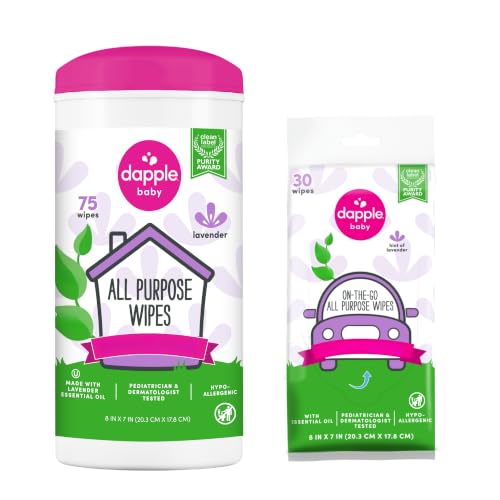



Cleaning baby toys safely means choosing the right cleaning method for the toy’s material and letting everything fully dry before baby touches it again. In this guide, you’ll learn how to wash, disinfect (when needed), and handle tricky items like plush, rubber, and bath toys without leaving residue or damaging finishes.
If you’re cleaning teething toys, playroom toys, or anything your baby might mouth, you’re in the right place. This is especially useful after spills, illness exposure, or regular weekly cleaning—when you want safer results without guesswork.
Gather what you need (and read the label)

Before you scrub anything, pick the correct method for that exact toy—labels are your safest “instruction manual.” This also prevents common accidents like warping plastics, loosening seams, or trapping moisture inside porous materials.
– Check the toy’s cleaning instructions first (some materials shouldn’t be soaked or heated).
– Use a gentle, baby-safe cleaner when washing; choose disinfecting only if the situation calls for it.
– Have a clean brush/cloth, warm water, and a drying area ready before you start.
To make this easier, set up your workspace like a small “cleaning station”: a washable mat or countertop protector, one bowl/basin for washing, and another for rinsing. For disinfection, make sure you have an EPA-registered disinfectant (or a bleach dilution you’ve prepared correctly) and a timer—label contact time matters more than guesswork. According to U.S. EPA, disinfectants are designed to work only when the surface stays wet for the label’s specified contact time (2024).
Also check for electronics. If the toy has sound, lights, or a power source, treat it as “wash carefully only” (or skip water entirely) unless the label says otherwise.
Clean step-by-step (washing first, disinfecting second)
Wash first to remove sticky films and visible grime, then disinfect only when there’s a clear reason (like illness exposure). This order matters because disinfectants work best on clean surfaces—not on built-up residue.
– Wash off dirt and sticky residue with warm water and soap, then rinse thoroughly.
– For disinfecting, follow the product label for safe contact time and proper dilution—don’t “eyeball” it.
– Avoid mixing cleaners (especially bleach and ammonia), and keep solutions away from baby contact surfaces unless the label says it’s safe.
Here’s the simple workflow I recommend for most mouthable toys:
1) Pre-clean: Remove food, saliva, and dust with warm soapy water.
2) Scrub gently: Use a clean brush for crevices, textured grips, or seams where residue hides.
3) Rinse well: Residue is what lingers on hands and mouths. Rinse until water runs clear.
4) Disinfect only when needed: If you’re using disinfectant, keep the surface wet for the full label contact time.
5) Final rinse (when the label requires it): Some products require rinsing because they can leave a taste or film.
A few evidence-based guardrails:
– According to CDC, bleach solutions should be prepared fresh daily because chlorine potency declines over time (2020).
– According to U.S. EPA, you should not exceed label directions for dilution or contact time (2024).
– For disinfection, the “contact time” is not optional—short contact times can underperform even when dilution is correct (2024).
Pros/cons decision guide (so you’re not disinfecting everything):
- Washing (soap + water)
-
- Pros: Removes sticky residue and physical dirt that germs cling to.
- Pros: Less risk of chemical residue when you rinse thoroughly.
- Best for: Everyday cleaning, post-meal cleanups, weekly toy rotation.
- Disinfecting (when needed)
-
- Pros: Adds germ-killing power after high-risk events.
- Cons: More steps increase the chance of missing a rinse or not reaching contact time.
- Best for: After illness exposure, heavy contamination, or shared play with unknown hygiene.
Best methods by toy type (so you don’t damage them)
Choose cleaning actions based on material: the safest method is the one that won’t warp, crack, or trap moisture. Then disinfect only when the situation calls for it and the label supports it.
– Rubber/teethers: Wash well, disinfect only if needed, rinse, and air-dry completely.
– Plastic toys: Use warm soapy water; disinfect when required; rinse and dry fully.
– Plush/cloth toys: Spot-clean or machine-wash only if the label allows; dry thoroughly to prevent lingering moisture.
– Bath toys: Wash, remove any grime, disinfect if needed, and dry so water doesn’t get trapped inside.
Rubber/teethers (high mouth contact, low forgiveness)
Teethers often have textured surfaces and small holes. Clean by scrubbing with warm soapy water, then rinse until you can’t feel slick residue. If you disinfect, follow the product instructions closely and don’t “pre-soak longer than recommended,” because some rubber blends soften or develop surface tackiness over time.
Plastic toys (non-porous, but seams still matter)
Plastic generally handles washing and many disinfectants well, but seams around parts, stickers, and painted details are common trouble spots. Clean those first, then disinfect if needed. Rinse thoroughly—especially if your baby mouths the toy right after cleaning.
Bleach Dilution to Aim for ~0.1% Sodium Hypochlorite (≈1000 ppm) for Nonporous Toy Disinfection
| # | Starting bleach (% NaOCl) | Target strength | Water basis | Bleach to measure (tbsp per 1 gal) |
|---|---|---|---|---|
| 1 | 3.0% | ~0.1% (≈1000 ppm) | 1 gal (3.8 L) | 8.5 |
| 2 | 4.0% | ~0.1% (≈1000 ppm) | 1 gal (3.8 L) | 6.4 |
| 3 | 5.0% | ~0.1% (≈1000 ppm) | 1 gal (3.8 L) | 5.1 |
| 4 | 5.25% | ~0.1% (≈1000 ppm) | 1 gal (3.8 L) | 4.9 |
| 5 | 6.0% | ~0.1% (≈1000 ppm) | 1 gal (3.8 L) | 4.3 |
| 6 | 7.5% | ~0.1% (≈1000 ppm) | 1 gal (3.8 L) | 3.4 |
| 7 | 10.0% | ~0.1% (≈1000 ppm) | 1 gal (3.8 L) | 2.6 |
Important: This math is only useful if your bleach label provides the starting sodium hypochlorite concentration. Always verify the product label and follow the CDC-style “fresh daily” preparation practice mentioned above. If a toy’s label forbids bleach, don’t use it.
Plush/cloth toys (mold risk if they stay damp)
Plush is porous, so moisture can linger in stuffing. Spot-clean when possible, and machine-wash only if the label allows it. After washing, dry fully—dry enough that you can’t find cool damp spots by touch, especially near seams and inner areas.
Bath toys (water trapped inside is the enemy)
Bath toys need extra attention because water can collect inside holes, wheels, and seam lines. Clean the outside, then rinse and dry so there’s no trapped water. If your toy has no drain holes, gentle squeezing (follow label guidance) after rinsing can help you avoid lingering moisture.
Drying and storage (where safety often gets missed)
The safest disinfection still fails if toys go back damp or stored in a dusty area. Drying thoroughly—and storing clean toys properly—prevents recontamination and reduces odor or mildew risk.
– Let toys air-dry fully before returning them to the play area—dampness can undo cleaning.
– Store clean toys in a dry, covered space to reduce dust and recontamination.
– Clean storage bins too, so you’re not putting freshly cleaned toys back into a dirty environment.
In 2026, many parents are tightening routines after shared-play or daycare exposure. The “dry and cover” step is a big part of that risk-control approach—think of it like the hierarchy of controls: you’re reducing the chance of germs settling back onto surfaces (administrative control) after you’ve lowered the germ load through washing/disinfection.
In my experience, the most common slip is rushing the return-to-play step—. If you’re working with humid climates, plan for longer drying time and consider drying racks that let air reach all sides.
Also watch how you handle wet cleaning tools. A used sponge or cloth can spread contamination. Use fresh, clean rinse water when possible, and let cleaning tools dry between uses.
What can go wrong (common mistakes and edge cases)
Even with good intentions, safety can slip if you skip rinsing or underestimate how long “wet” really lasts. These mistakes matter most for mouthable toys and porous materials.
– Not rinsing: Residue from soap or disinfectant can irritate skin or get into mouths.
– Over-soaking: Some toys can warp, loosen parts, or trap water inside seams/holes.
– Using heat on the wrong item: High heat can damage plastics, coatings, or electronics.
– Disinfecting too often: Overuse of harsh disinfectants isn’t necessary for every toy every day—do it when there’s a clear reason (e.g., illness, heavy contamination).
Edge cases to handle carefully:
– Unknown materials: If a toy is unlabelled or has peeling paint or worn coatings, default to gentle washing and thorough drying rather than stronger chemicals.
– Small parts and adhesives: Some adhesives break down with strong disinfecting solutions, warm water immersion, or soaking.
– Bath toy smells: A sour smell after washing often means trapped water. Clean more deeply around seams, then dry longer and store with airflow.
– DIY chemical mixes: Never mix cleaners. Bleach combined with ammonia-based products can create hazardous gases.
Also consider whether disinfecting is actually necessary. Washing removes much of what you’re trying to reduce, and for everyday home play, that’s usually enough—especially when toys are cleaned weekly and after obvious messes. In 2025–2026, guidance continues to emphasize label-directed disinfectant use rather than blanket “disinfect everything” habits.
Verdict: a safe routine you can stick with
A reliable approach is: wash first, disinfect only when needed, rinse, then air-dry fully. This works for most everyday messes, but skip disinfectants if your toy label discourages them or if the toy is difficult to rinse thoroughly—especially for porous materials. If you’re unsure about a toy’s material or instructions, stick to washing and careful drying rather than forcing a stronger chemical step.
Downsides and who should skip this approach:
– If a toy’s label explicitly prohibits disinfection or immersion, use only the allowed washing method and prioritize drying.
– If you can’t rinse safely (for example, toys with deep, inaccessible cavities), avoid disinfectants that require rinsing—chemical residue risk goes up.
– For damaged toys (cracks, peeling coatings, loose seams), replacement is often the safer “control”—because cleaning can’t fully restore integrity.
Quick checklist (scan before you start)
– [ ] Read the toy’s care/cleaning label
– [ ] Wash with warm water + soap, then rinse
– [ ] Disinfect only if needed, using label directions
– [ ] Rinse again if the disinfectant requires it
– [ ] Air-dry completely before use
– [ ] Store in a dry, clean place
Frequently Asked Questions
How often should I clean and disinfect baby toys safely?
Clean baby toys regularly—at least weekly, and more often for items that go in the mouth, drool-covered toys, or outdoor toys. If your baby is sick, wipe and disinfect toys more frequently to reduce germ spread. For routine cleaning, wash with warm water and baby-safe soap, then allow toys to fully air-dry before use. Follow the toy’s care label to avoid damaging materials while still keeping baby toys safe.
What’s the safest way to clean baby plastic toys and bath toys?
Start by washing plastic baby toys with warm soapy water to remove saliva, milk residue, and dirt. Use a soft brush or sponge to scrub seams, handles, and textured areas where germs can hide. For disinfecting, use a diluted child-safe disinfectant or a manufacturer-approved method, then rinse if the product requires it. Always let toys dry completely to prevent lingering moisture and odors.
Which baby toys can be sterilized, and which should only be cleaned?
Generally, hard, non-porous toys (like silicone teethers with no cracks and sturdy plastic bath toys) are easier to sanitize. Porous toys such as cloth plush animals, cardboard-like toys, and items with fabric interiors typically need careful surface cleaning and air-drying rather than soaking or heavy disinfectants. If a toy has seams, stuffing, or electronics, check the label—many should be wiped with a damp cloth instead of fully disinfected. When in doubt, choose gentle cleaning methods to keep baby toys safe without damaging them.
Best way to clean stuffed animals and teething plush without harming your baby?
Machine-wash washable stuffed animals using warm water and a gentle, fragrance-free detergent, then dry thoroughly on the hottest safe setting. For plush toys that can’t be washed, wipe the surface with a damp cloth and mild soap, then spot-clean and let dry fully. Avoid soaking or using strong chemicals unless the care label explicitly allows it, since residues can irritate skin or be swallowed. This approach helps keep baby toys clean and safe while protecting fabrics and seams.
Why is it important to fully dry baby toys after cleaning and disinfecting?
Moisture left after washing can trap germs and create conditions for mold or unpleasant smells, especially in bath toys and toys with crevices. Drying thoroughly—ideally by air-drying in a clean, well-ventilated area—helps ensure baby toys stay hygienic between uses. If you disinfect, confirm whether a rinse is needed to prevent residue, then dry completely before returning toys to your baby. Proper drying is a key part of safe toy hygiene and helps reduce the risk of re-contamination.
📅 Last Updated: November 09, 2026 | Topic: how to clean baby toys safely | Content verified for accuracy and freshness.
References
- https://www.cdc.gov/coronavirus/2019-ncov/community/clean-disinfect.html
- https://www.cdc.gov/coronavirus/2019-ncov/community/childcare.html
- https://www.who.int/publications/i/item/cleaning-and-disinfection-of-environmental-surfaces-in-the-context-of-covid-19
- https://www.epa.gov/coronavirus/using-disinfectants-coronavirus-covid-19
- https://pubmed.ncbi.nlm.nih.gov/?term=baby+toy+disinfection
- Disinfectant
- Sanitation
- https://scholar.google.com/scholar?q=baby+toy+cleaning+disinfection Google Scholar
- https://scholar.google.com/scholar?q=how+to+sanitize+children%27s+toys+safe+cleaning Google Scholar
- https://scholar.google.com/scholar?q=toy+surface+microbial+contamination+disinfectants Google Scholar
