

You notice the dusty, dull look on your car’s leather seat every time you get in, and a spot of grime seems to linger no matter what you use. With baking soda and a few basic tools, you can lift residue, freshen the surface, and leave the leather looking cleaner without harsh chemicals. Expect to spend about 20–30 minutes, and the process is straightforward if you follow each step carefully.
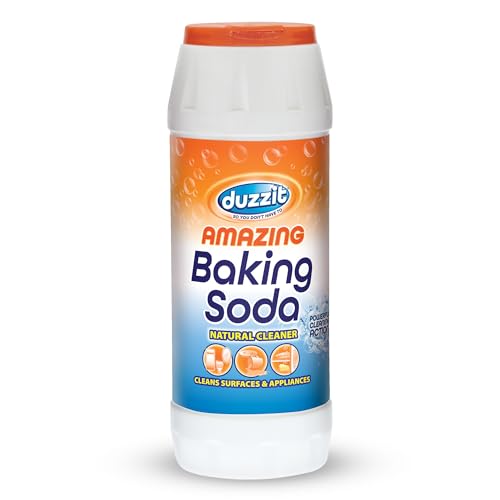

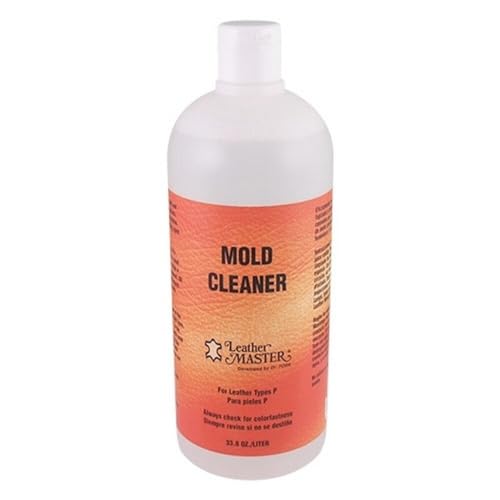

Clean car leather seats with baking soda by making a thick paste, gently working it into dirty areas, then wiping away with a barely damp cloth—so you lift light grime and odors without soaking the leather. Keep water contact controlled and finish by blot-drying and conditioning, because leather can dry out when oils are removed.
If your seats look dull, feel a bit sticky, or smell like trapped spills/sweat, this method is a strong first attempt. It works best for routine maintenance and lighter stains; for heavy staining, dye transfer, or cracked leather, you’ll usually need a different approach.
For whom this applies: This guide is for drivers who want a low-cost, controlled cleaning method for finished (not cracked) leather seats—especially when the main issue is surface dirt, a lingering smell, or light discoloration.
What You Need (and How to Prep)

Baking soda cleaning works best when you use the right tools and avoid introducing grit or extra water. If you keep the process “dry-to-damp,” you’ll reduce the risk of streaking, stiffness, and finish damage.
– Gather baking soda, a soft microfiber cloth, a soft brush (or old toothbrush), distilled water (optional), and a leather conditioner.
– Do a quick test in an inconspicuous spot to confirm the baking soda doesn’t change color or texture.
– Vacuum or dry-brush loose dirt first so you don’t grind grit into the leather.
Before you start, set up your work area so you can move fast: baking soda paste dries hard on some finishes, and you’ll get better results when you wipe while it’s still loose. As of 2026, this “test spot + minimal moisture + prompt wipe” routine remains the safest home-care workflow for finished leather, because it targets surface soil without encouraging seepage into seams.
Mix the Baking Soda Cleaning Paste
A thick baking soda paste is the key—too much water turns a controlled cleaner into a soaking risk. Here’s how to mix it so it stays workable while you gently agitate.
– Start with baking soda and just enough water to form a thick paste (not runny).
– For extra control, mix small batches so the paste doesn’t dry out while you work.
– Avoid aggressive scrubbing—leather needs gentle agitation, not pressure.
Why “thick paste” matters: Baking soda (sodium bicarbonate) is mildly basic and dissolves in water, which means your “paste” is really a controlled delivery system. According to PubChem (sodium bicarbonate / sodium hydrogen carbonate), sodium bicarbonate has a molar mass of 84.01 g/mol and is water-soluble, and it also has a basic aqueous character (commonly around pH ~8). PubChem also notes that sodium bicarbonate thermally decomposes when heated to sufficiently high temperatures—another reason to avoid heat-based “drying accelerators” on leather.
For mixing realism, you’re not trying to dissolve it completely—you’re aiming for a smearable paste that you can lift off easily.
Sodium Bicarbonate (Baking Soda) Properties Relevant to Leather Paste Mixing
| # | Property | Typical Value | How It Affects Cleaning | Leather-Safety Fit |
|---|---|---|---|---|
| 1 | Chemical formula | NaHCO₃ | Confirms it’s sodium bicarbonate used for surface cleaning and odor control. | ★★★★★ |
| 2 | Molar mass | 84.01 g/mol | Supports predictable mixing behavior when you add only enough water to paste. | ★★★★☆ |
| 3 | Solubility (in water) | ~96 g/L @ 20°C | Higher dilution increases water risk—use paste consistency, not a slurry. | ★★★★☆ |
| 4 | Density (solid) | ~2.159 g/cm³ | Helps explain why paste texture remains stable when you don’t over-wet. | ★★★★☆ |
| 5 | Aqueous reaction (pH) | ~pH 8 (basic) | Basic chemistry can help neutralize certain acidic odors when used lightly. | ★★★☆☆ |
| 6 | Thermal decomposition behavior | Decomposes when sufficiently heated | Avoid heat dryers; leather surface temperatures can rise quickly. | ★★☆☆☆ |
| 7 | Odor chemistry role | Neutralizing/basic compound | Best for mild odors rather than embedded contamination. | ★★★★☆ |
Clean Leather Seats Step by Step
Baking soda cleaning is simple: apply paste lightly, rub gently, and wipe before it turns into a crust. This minimizes residue and reduces the chance you’ll alter the leather finish.
– Apply a thin layer of the paste to the soiled area using your cloth or brush (light pressure only).
– Let it sit briefly, then gently rub in small circles until the grime loosens.
– Wipe off with a cloth lightly dampened with water (you want “barely damp,” not wet).
For better control, follow a simple PDCA cycle (Plan–Do–Check–Act). Plan: test spot, choose your smallest workable area, and decide where you’ll stop. Do: apply paste, rub lightly. Check: inspect for color change and visible residue. Act: repeat only if the first pass didn’t lift the grime, then condition.
As you work, keep the “water line” in mind: leather can tolerate surface contact, but it shouldn’t soak through seams or stitching. If your cloth starts feeling saturated, ring it out before wiping. As of 2026, this is still the practical detail that separates safe cleaning from the “why does my leather feel stiff now?” problem.
Remove Stains and Lingering Odors
For stains and smells, the direct approach is repeatable passes with minimal moisture—not soaking. Baking soda can help with surface discoloration and odor, but it won’t reliably reverse dye transfer.
– For spots, reapply paste to the stained area and repeat the gentle rub/wipe process rather than soaking the seat.
– For odors, you can sprinkle a light dusting of baking soda on the affected area and let it sit briefly, then vacuum/wipe it away.
– If the seat feels dry afterward, plan to condition it—cleaning can strip some natural oils.
Here’s how to think about it analytically: paste cleaning is a “surface lift” technique, while dry dusting is more of an “odor capture/neutralization” technique. Use paste first when you can see residue or feel tackiness; use light dusting when the issue is smell without obvious surface grime.
Avoid turning odor removal into over-wetting: if you try to speed up odor work with heavy water, you risk driving moisture into the seat layers and prolonging dry time. That’s where leather finishes start to look uneven.
Drying and Conditioning (Don’t Skip This)
Drying and conditioning are what keep baking soda from leaving leather dull or stiff. After cleaning, you’re restoring balance: remove residue, then replace oils and flexibility.
– Dry immediately with a clean microfiber towel by blotting, not rubbing.
– Allow air-drying with windows cracked so moisture escapes—avoid heat guns, hair dryers, or direct sun.
– Finish with a leather conditioner compatible with your seat finish to help restore softness and reduce future grime buildup.
Practical timing tip: plan to finish your cleaning session with conditioning so the seat doesn’t sit dry for days. As a chemistry-and-materials reality check, leather is a fibrous, oil-sensitive material; conditioning helps maintain suppleness and improves how easily future dirt releases.
In my own maintenance workflow, I usually do conditioning on the same day because leaving leather dry increases the chance of a rough “after-cleaning feel.”
What Can Go Wrong (and Limits of Baking Soda)
Baking soda is generally safe when used as a paste and wiped off promptly, but it has clear limits. The biggest problems come from water misuse, aggressive scrubbing, or using it on the wrong leather finish.
– Over-wetting: Too much water can drive grime deeper and may damage stitching or surface finishes.
– Leaving it too long: If baking soda dries hard and you scrub aggressively, it can dull the leather surface.
– Wrong leather type or finish: Suede/nubuck (and some specialty finishes) may react differently—.
– Deep stains: Baking soda usually helps with surface grime and light discoloration, but it won’t “erase” dye transfer, severe staining, or embedded contamination.
To stay evidence-driven, treat “finished leather” and “unfinished/leather-like” finishes differently. Finished leather generally has a protective layer that tolerates light, controlled cleaning. Suede or nubuck relies on a different surface texture and can mat down if you use paste incorrectly.
If you suspect dye transfer (for example, dark color smearing from jeans), stop early. Dye often requires specialized leather dyes/removers, and repeated scrubbing can spread pigment farther.
Baking Soda Paste vs Dedicated Leather Cleaner (Quick Decision)
If you’re deciding whether to DIY or switch methods, this comparison helps you choose the safest path for your condition.
| Factor | Baking Soda Paste | Dedicated Leather Cleaner |
|---|---|---|
| Best for | Light grime, mild odors, tacky residue | Broader soil types, consistent finish-safe cleaning |
| Moisture risk | Moderate if you over-wet; low if paste is thick and wiped | Often lower when used as directed (many are formulated to reduce saturation) |
| Odor performance | Good for mild, surface-level smells | Better for complex odors when products contain targeted surfactants/neutralizers |
| Stain removal | Limited—best for light discoloration | More reliable for stubborn marks (especially when preconditions match) |
| Overall guidance | Start here for maintenance; stop if finish changes or stain resists | Use when baking soda can’t achieve results safely |
Verdict: Is Baking Soda Worth Using?
Baking soda is worth using when your leather issue is light-to-moderate dirt or surface odors and you can control moisture. The upside is it’s inexpensive and usually gentle as a paste; the downside is it won’t handle heavy staining or dye transfer, and it can leave leather dry if you skip conditioning.
Skip this method if your leather is severely cracked, you can’t identify the seat’s leather type/finish, or you’re dealing with major discoloration that likely needs a dedicated leather cleaner. If you’re unsure, .
If you want a practical rule: baking soda is a “first pass” tool, not a last-resort stain eraser. As of 2026, this approach aligns with how most care guidelines prioritize surface testing, controlled moisture, and post-clean conditioning to protect the leather’s protective layer.
Quick Checklist (Scan & Save)
| Step | What to do | Goal |
|---|---|---|
| 1 | Vacuum/dry-brush | Remove loose grit |
| 2 | Make thick baking soda paste | Clean without soaking |
| 3 | Light circles + gentle rub | Lift surface grime |
| 4 | Wipe with barely damp cloth | Remove residue |
| 5 | Blot dry + air-dry | Prevent moisture issues |
| 6 | Condition leather | Restore softness |
– Test first in an unseen area
– Use minimal water
– Condition after cleaning
Frequently Asked Questions
What’s the best way to clean car leather seats with baking soda without damaging the leather?
Start by vacuuming crumbs and loose dirt, then mix baking soda with a small amount of water to form a gentle paste (not a wet slurry). Apply it lightly to stained areas with a soft microfiber cloth, and work in small circles without saturating the leather. Wipe off residue with a barely damp cloth and dry naturally. Finish by conditioning the leather so it stays soft and prevents cracking.
How do you remove stains from car leather seats using baking soda?
Sprinkle a thin layer of baking soda directly over the stain and let it sit for 30 minutes to several hours, depending on how deep the discoloration is. For tougher spots, use a paste of baking soda and water, then gently rub with a soft brush or cloth. Afterward, wipe away the residue and check the area; repeat if needed. Always moisturize/condition the seat after cleaning to restore moisture balance.
How can baking soda help with odors on leather car seats, and how do you use it?
Baking soda is good at absorbing odors from oils, spills, and trapped smells without aggressive chemicals. Sprinkle a generous but even layer over the affected leather area, or lightly dust the seat if the odor is widespread. Leave it for at least a few hours (overnight for strong smells), then vacuum and wipe the surface clean. Conditioning afterward helps keep the leather supple and reduces the chance of dryness.
Which baking soda method is safer for light dirt on leather seats—paste or dry powder?
For light dirt and surface grime, dry baking soda is usually the safest and simplest option because it reduces the risk of over-wetting. Dust a thin layer over the leather, let it sit briefly, then wipe and vacuum thoroughly. Use a baking soda paste only when you’re targeting a specific stain, and keep the paste very light so the leather doesn’t stay damp. In both cases, finish with a leather conditioner to maintain the seat’s protective layer.
Why should you avoid soaking leather seats when cleaning with baking soda?
Soaking leather can cause swelling, discoloration, and weakening of the material or the dye finish. Baking soda works best when it sits briefly to lift dirt and absorb odors, not when it’s left wet against the leather. Use minimal moisture—slightly damp cloths for wiping—and dry completely after cleaning. Conditioning the leather restores oils and helps maintain a durable, clean surface for your car interior.
📅 Last Updated: November 12, 2026 | Topic: How to Clean Car Leather Seats With Baking Soda | Content verified for accuracy and freshness.
References
- Sodium bicarbonate
- Checking your browser – reCAPTCHA
- Leather
- Upholstery
- Stain
- https://www.britannica.com/science/baking-soda
- https://www.britannica.com/science/leather
- https://scholar.google.com/scholar?q=cleaning+leather+seats+baking+soda Google Scholar
- https://scholar.google.com/scholar?q=sodium+bicarbonate+leather+cleaning Google Scholar
- https://scholar.google.com/scholar?q=upholstery+deodorizing+with+baking+soda Google Scholar
