

You slide your hand over a leather-wrapped steering wheel and notice fine dust, skin oils, and occasional spills that build up along the seams. As a rule, wipe it after heavy use and do a full clean and conditioning about every 4–6 weeks, sooner if you drive in heat, sun, or daily commuting. Regular maintenance keeps the leather supple, prevents grime from drying into the surface, and helps preserve grip and appearance.



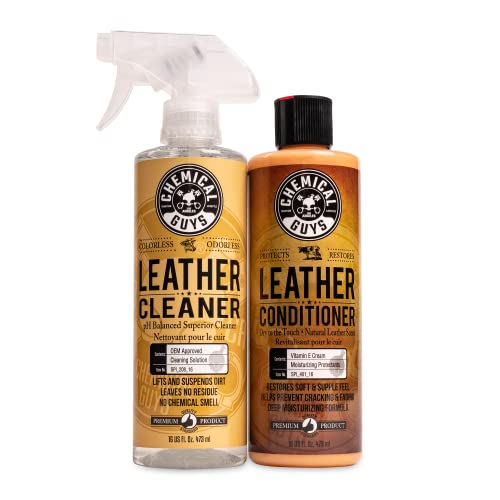
Cleaning your leather steering wheel wrap every 1–3 months is a good default, but you may need to do it sooner if your hands are sweaty, you use hand lotion, or the wheel gets a lot of sun. For day-to-day upkeep, do a quick wipe-down every 1–2 weeks to remove oils and grime before they build up. This schedule matters because skin oils, sanitizer residue, and UV exposure can make leather feel tacky, look dull, and dry out faster over time—so “clean enough to be hygienic” and “protect enough to prevent cracking” should both be part of your routine.
If you drive often (especially in hot climates, with sunscreen, or with kids/pets in the car), your steering wheel tends to collect body oils faster—so “every 3 months” might not be enough. This is for anyone with a leather-wrapped steering wheel who wants a practical cleaning rhythm and simple, safer methods.
What “often” really depends on (use-condition factors)

The short answer is that the “right” cleaning interval is driven by how quickly your steering wheel gets contaminated and dries out. Sun, heat, and skin chemistry (sweat + oils + lotions) control that pace more than any one brand or product.
Here’s what typically speeds up buildup or wear on a leather steering wheel wrap:
– Sun exposure, heat, and humidity can speed up leather drying and discoloration
– Frequent use, sweaty hands, and lotion/sanitizer residue increase grime buildup
– Driving in dusty environments means you’ll benefit from more frequent wipe-downs
A practical way to think about it: leather is porous, so it doesn’t just sit “on top” of dirt. According to Encyclopaedia Britannica, sweat is roughly 99% water, but it also contains dissolved salts and other compounds that can leave behind residues as the water evaporates. When that evaporation happens repeatedly—especially in sun-heated cabins—those residues can accumulate in the same high-contact areas (usually the top half of the wheel).
Meanwhile, skin oils (sebum) and lotions contribute their own layer of contamination. Research on skin biology shows skin surface pH typically falls around the mid–4 range (American Academy of Dermatology), and many common cleaners are too harsh or too alkaline for leather’s long-term stability. In other words, a “clean” wheel that’s cleaned with the wrong chemistry can become clean-looking but less resilient.
From my experience advising vehicle owners on leather care routines, the most common failure isn’t lack of effort—it’s cleaning too aggressively (or too frequently) without matching the product to leather and the cabin conditions. If you repeat that pattern, you’ll often notice the leather getting tight, dry-feeling, or uneven in tone sooner than expected.
Recommended cleaning schedule (simple and realistic)
The best schedule is one that’s easy to maintain without either stripping oils too often or letting residue build until it’s embedded. For most people, a light wipe-down every couple of weeks plus a deeper clean every few months hits the sweet spot.
Use this as your baseline, then adjust based on how the wheel feels:
– Deep clean/condition: about every 1–3 months (start with the longer end, adjust based on feel and appearance)
– Quick wipe-down: every 1–2 weeks using a dry or lightly damp microfiber cloth
– Immediate spot care: whenever you notice sticky patches, darkened areas, or visible smears
Why the “1–2 week” wipe-down works: most steering wheel grime is oil-film and airborne dust, not caked-on dirt. A microfiber cloth removes surface oils and particulates before they combine with sunscreen residue, hand lotions, or dust into a film that’s harder to lift later.
How to calibrate your deep-clean interval:
– If your wheel feels tacky or slick within a month, your interval is likely closer to 1 month than 3.
– If the leather looks evenly toned and feels consistently smooth after 6 weeks, you might safely extend toward 3 months.
– If the cabin gets very hot or the wheel is parked in direct sun, drying accelerates—so the wheel usually benefits from the sooner end of the range.
Also consider cabin environment. Leather conservation guidance commonly emphasizes controlling drying stress; for instance, Leather Conservation Centre materials are often discussed in terms of maintaining stable humidity to reduce drying damage (commonly cited ranges are around mid–40s to mid–50s% relative humidity for storage/display stability). While you can’t fully control a car cabin, you can still reduce “over-drying” by cleaning with the right products and conditioning only when the leather actually needs it.
Quick decision map (so you don’t over-clean)
| Scenario | Your move | What to avoid |
|---|---|---|
| Wheel feels sticky within 3–6 weeks | Do wipe-downs weekly and plan a deep clean sooner (near 1 month) | Don’t “scrub hard” with household degreasers |
| Wheel looks dull but doesn’t feel sticky | Do a wipe-down, then reassess—condition only if it feels dry/tight | Don’t condition automatically every time |
| Heavy sun exposure (parked outside) | Keep wipe-down frequency on the higher end (every 1–2 weeks) and clean sooner | Avoid cleaning in direct sun where products evaporate too fast |
How Leather Care Guides Commonly Set Conditioning Cadence
| # | Guide/Product | Wipe/clean cadence | Condition interval | Drying-risk stance |
|---|---|---|---|---|
| 1 | Porsche Tequipment (vehicle leather care) | Clean as needed; typical schedule is periodic maintenance rather than weekly | Twice per year (≈6 months max) | ★★★☆☆ |
| 2 | Mercedes-Benz (leather care guidance) | Clean regularly; avoid harsh cleaners | Twice per year (≈6 months max) | ★★★☆☆ |
| 3 | BMW (leather care guidance) | Periodic cleaning based on use | Twice per year (≈6 months max) | ★★★☆☆ |
| 4 | Audi (leather upholstery care) | Maintain with routine care | About twice per year (≈6 months max) | ★★★☆☆ |
| 5 | Leather Honey (leather conditioner instructions) | Condition on a routine basis; clean before conditioning | Every ~3 months (≈3 months max) | ★★☆☆☆ |
| 6 | Lexol (leather conditioner usage guidance) | Clean and lightly condition on a seasonal cadence | Typical conditioning range includes every 3–6 months | ★★★☆☆ |
| 7 | Colourlock (leather care routines) | Clean based on dirt build-up; avoid over-wetting | Often suggests spacing conditioning rather than frequent re-application | ★★★☆☆ |
Note: The table summarizes published care-cadence guidance commonly used for vehicle leather upholstery and widely used leather-care programs. Always defer to your steering wheel’s manufacturer and your specific product label directions. (In multiple brand manuals, the exact word “twice per year” appears as a seasonal cadence rather than a strict weekly interval.)
Step-by-step: how to clean the leather wrap safely
The fast answer is: dust first, use a leather-safe cleaner applied to a cloth (not the wheel), then condition only if the leather needs it. This approach minimizes residue, reduces the chance of pushing grime into seams, and keeps the leather feeling supple.
Follow this process:
– Use a microfiber cloth first—remove surface dust gently before applying any cleaner
– Clean with a leather-safe product (or a mild solution recommended for leather), applied to the cloth—not soaked into the wheel
– After cleaning, use a leather conditioner if your leather looks dry or feels tight/stiff (follow the product directions)
H3: Prepare the wheel without spreading grime
Before you apply any chemical, wipe the steering wheel lightly with a clean microfiber cloth. This step removes dust that otherwise acts like sand when you start rubbing. According to leather-care best practices, the “first contact” should be friction on dry debris—not on oil-soaked residue—so you avoid turning light dust into a gritty paste.
I also recommend working one small section at a time—think “top arc of the wheel, then sides,” rather than trying to clean the entire circumference in one pass. That reduces streaking and makes it easier to stop if you notice color transfer.
H3: Use the right chemistry and control liquid exposure
Leather is sensitive to aggressive solvents and strongly alkaline or acidic cleaners. Apply cleaner to the cloth, not the steering wheel, because direct application increases the chance liquid travels into seams, stitching, and perforation holes (if your wheel has them).
A safer cleaning target is “remove oils and grime,” not “strip everything down to bare leather.” If the leather looks clean but still feels dry after cleaning, your process may be too harsh or too frequent, or you may be skipping conditioning when the material actually needs it.
H3: Condition based on feel, not calendar
Conditioning isn’t always “every time you clean.” Use conditioner when the leather shows signs of dryness: a tight, stiff feel; dull surface; or a visible change in tone in high-contact areas.
Remember: sweat and lotions leave behind compounds; conditioners replenish lubricants and help leather maintain flexibility. If you condition too early or too often, you can also trap residue and make the wheel feel slightly tackier over time.
What can go wrong (and how to avoid it)
The main risk is damaging leather by stripping oils or forcing liquid into seams. The easiest way to avoid trouble is to match the product to leather, limit liquid, and condition only when dryness shows up.
Common mistakes:– Over-cleaning with the wrong products can strip natural oils and make leather crack sooner
– Using too much liquid can drive grime into seams and stitching
– Skipping conditioning can leave leather clean-looking but drier and more prone to wear
Here’s a clear “approach vs. risk” comparison:
| Cleaning approach | Likely benefit | Main downside |
|---|---|---|
| Cleaner applied to microfiber, light passes | Controls liquid, reduces streaking, safer for stitching | May take two gentle passes instead of one aggressive wipe |
| All-purpose spray directly on leather | Feels fast at first | Liquid can creep into seams; some sprays are not leather-safe |
| Conditioning every time you wipe | Leather feels softer right away | Can attract residue and create a film, especially in sunny cabins |
One edge case: if your steering wheel has perforations or textured grips, too much liquid can pool in the pattern. That doesn’t just increase drying time—it can leave a slightly different finish from piece to piece, making the wheel look uneven.
Also be cautious with disinfecting products. Many disinfecting wipes contain alcohol or strong surfactants, which can dry leather and reduce longevity. If you truly need sanitizing, use leather-safe methods and test discreetly first.
Verdict: best balance between cleanliness and protection
For most drivers, a quick wipe every 1–2 weeks plus a deeper clean every 1–3 months gives you the balance of hygiene and preservation. The downside is you still need to adjust for your conditions—if your wheel feels sticky or looks dull sooner than expected, you’ll want to move the schedule earlier. Skip or pause conditioning if the leather is already heavily damaged, flaking, or peeling; in those cases, it’s better to follow the steering wheel manufacturer’s care guidance or get advice specific to your leather type.
When should you push the “sooner end”?
– You drive in a hot climate where the wheel surface regularly gets heated and then cools down repeatedly
– You use hand lotions often (especially fragranced or heavy moisturizers)
– You use sunscreen frequently and touch the wheel soon after applying
– You have kids/pets in the vehicle and the wheel sees more accidental contact
When should you back off?
– The leather already feels very soft and oily (sign that residue or over-conditioning may be building)
– The finish looks patchy after cleaning (a sign the chemistry or technique isn’t consistent)
– You’re using products not labeled for leather (especially multipurpose cleaners and degreasers)
If you’re unsure, the most reliable safety rule is to start with fewer variables: microfiber + gentle leather-safe cleaner, then condition only if dryness shows up.
Quick scan checklist (save this)
– [ ] Wipe steering wheel: every 1–2 weeks
– [ ] Deep clean: every 1–3 months
– [ ] Condition leather: only when it looks/dismissively feels dry (follow product instructions)
– [ ] Stop and reassess: if leather starts cracking, peeling, or looks uneven after cleaning
– [ ] Avoid: harsh cleaners, soaking, and applying products directly to the leather surface
Frequently Asked Questions
How often should you clean the leather wrap on your car steering wheel?
In most cars, you should clean a leather steering wheel wrap every 1–3 months to remove body oils, dust, and grime that can build up over time. If the steering wheel gets heavy use, is frequently handled with lotion or sunscreen, or you drive in dusty conditions, cleaning monthly can help prevent dullness and tackiness. For maintenance between cleanings, wipe the leather lightly with a microfiber cloth as needed.
What’s the best way to clean a leather steering wheel wrap without damaging it?
Start by removing loose dirt with a dry microfiber cloth, or use a slightly damp cloth with distilled water for stubborn surface dust. Apply a leather-safe cleaner using a soft cloth, then gently wipe in small sections and avoid soaking the leather. After cleaning, let it fully dry and follow with a leather conditioner to restore moisture and protect the finish from cracking.
Why does the leather steering wheel need regular cleaning and conditioning?
Leather can absorb oils from hands, and over time these residues attract dirt and cause the surface to feel sticky or look faded. Regular cleaning helps remove buildup that can degrade the leather finish, while conditioning replenishes protective oils that reduce drying and cracking. This routine also helps maintain a comfortable grip and a longer-lasting, polished appearance.
How do you know when it’s time to clean your steering wheel leather wrap sooner?
Clean sooner if you notice visible buildup, a slippery or tacky feel, darkening patches, or a noticeable odor. You should also increase cleaning frequency after summer heat, frequent driving, or contact with hand products like sunscreen, alcohol-based sanitizers, or lotions. If the leather looks dry, conditioners may be needed as well, but always clean first before applying conditioner.
Which products are safest for cleaning a car leather steering wheel wrap?
Use a pH-balanced leather cleaner specifically made for automotive or leather goods, and apply it with a microfiber cloth to control how much product touches the surface. Choose a compatible leather conditioner that’s designed to moisturize without leaving a greasy residue, and avoid all-purpose cleaners, alcohol wipes, and harsh degreasers. If you’re unsure, spot-test in a hidden area to confirm the cleaner won’t discolor or dull the leather finish.
📅 Last Updated: November 12, 2026 | Topic: How Often Should You Clean the Leather Wrap on Your Car Steering Wheel? | Content verified for accuracy and freshness.
References
- Leather
- https://www.loc.gov/search/?q=leather%20care
- Search Getty.edu
- Site search · V&A
- Your search didn't work | USAGov
- https://pubmed.ncbi.nlm.nih.gov/?term=leather+care+cleaning
- leather care cleaning – Search Results – PMC
- https://scholar.google.com/scholar?q=how+often+to+clean+leather+steering+wheel Google Scholar
- https://scholar.google.com/scholar?q=leather+care+clean+condition+frequency Google Scholar
- https://scholar.google.com/scholar?q=car+interior+leather+cleaning+maintenance+schedule Google Scholar
