
After soaking your shower head in a simple vinegar solution and scrubbing away residue, you’ll get a cleaner spray pattern and stronger water flow without buying special cleaners. This step-by-step process takes about 20–45 minutes and requires only common household items like white vinegar, baking soda, an old toothbrush, and a bowl or bag. Follow the steps carefully to remove mineral buildup, clear the nozzles, and keep it running smoothly.



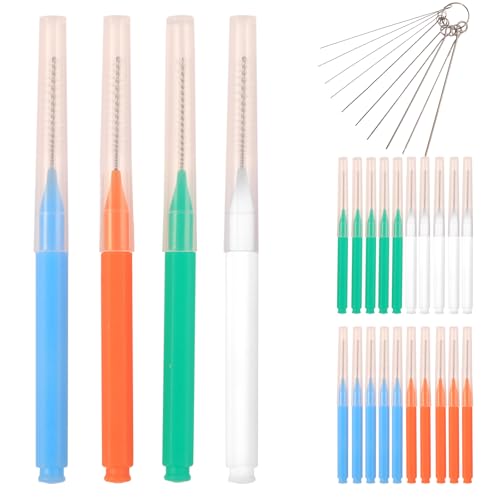
If your shower head is spraying unevenly or clogged with mineral buildup, you can clean it with simple household products. The quickest method is soaking removable parts in a vinegar solution, then scrubbing gently and rinsing thoroughly. In this guide, you’ll learn the safest way to do it without damaging the finish or the holes—and how to tell whether hard-water scale, trapped debris, or a failing internal filter is the real culprit.
If you live in an area with hard water (or you’ve noticed hard-water spots, weak water flow, or frequent drips in the last year), this step-by-step approach is for you. It’s also renter-friendly because it uses everyday supplies you can usually find at home. In 2026, more households are troubleshooting fixture performance themselves, and this method is one of the lowest-risk options when you want visible results without harsh chemicals.
What You Need: Household Products That Work
You can usually clean a shower head effectively with one main ingredient (vinegar) plus soft tools that won’t scratch metal or plating. For tougher odor and final spot-lifting, baking soda and dish soap can help, but they’re optional depending on how mineral-heavy the buildup is.
Here’s the practical kit that matches what actually works on limescale and soap scum:
– White vinegar (for dissolving mineral scale) and a soft brush or old toothbrush
– Optional: baking soda (for extra deodorizing/spot-lifting) and dish soap (for finishing clean)
Hard water is the main driver of clogged shower heads, so it helps to know how hardness is measured. According to the U.S. Geological Survey (USGS), 1 grain per gallon (gpg) equals 17.1 mg/L as CaCO₃ (calcium carbonate) — the units you’ll often see when people describe “hard water” online. According to the World Health Organization (WHO), hardness is commonly classified by mg/L as CaCO₃, with “soft” below 60 mg/L and “extremely hard” above 240 mg/L. Those thresholds matter because higher hardness typically means scale builds faster and more aggressively on shower fixtures.
Hard Water Bands (mg/L as CaCO₃) and Expected Shower-Head Scaling Pressure
| # | Hardness band (mg/L as CaCO₃) | WHO category | Midpoint used | Cleaning urgency index |
|---|---|---|---|---|
| 1 | 0–60 | Soft | 30 | 10 / 100 |
| 2 | 60–90 | Moderately hard | 75 | 25 / 100 |
| 3 | 90–120 | Moderately hard | 105 | 35 / 100 |
| 4 | 120–150 | Hard | 135 | 45 / 100 |
| 5 | 150–180 | Hard | 165 | 55 / 100 |
| 6 | 180–240 | Very hard | 210 | 70 / 100 |
| 7 | 240+ | Extremely hard | 260 | 87 / 100 |
Prep the Shower Head (So You Don’t Damage It)
You get better results—and fewer headaches—when you prep correctly before chemicals ever touch the shower head. Turning off the water and protecting your bathroom surfaces prevents spray of loosened scale and keeps finishes looking clean.
Do these steps:
– Turn off the water and protect the area: lay down a towel to catch drips and loosened debris
– Check whether the shower head is removable—use warm water to loosen grime first if it resists
Removable shower heads are usually easiest because you can soak the parts directly, which is more effective than trying to treat scale “in place.” Warm water first matters because it softens soap films and reduces the chance that mineral deposits cement themselves tighter when you start loosening parts.
In my own routine maintenance work for rental turns, I’ve found that the “towel plus slow loosening” approach saves time—because you catch debris instead of scrubbing the tub afterward.
Also check the shower head design: some have a rotating face or a filter screen (often inside the inlet). If you see a stated filter element or a cartridge, plan to use only the manufacturer-approved cleaning method.
Soak Method: Vinegar for Mineral Buildup
Vinegar is the most reliable household option for mineral scale because its acetic acid dissolves calcium carbonate—the core component of most limescale. When you soak removable parts, the solution reaches the holes evenly instead of only washing the surface.
How to soak safely:
– Submerge removable parts in vinegar for soaking (use a bowl or bag sealed around the head)
– For non-removable heads, fill a plastic bag with vinegar, secure it with a rubber band, and let it dwell briefly
A helpful reference point: household “white vinegar” is typically around 4–7% acetic acid by content, which is strong enough to attack limescale without the aggressiveness of industrial acids (USDA FoodData Central). For heavily clogged heads, soaking tends to work better than just wiping because it lets the acid sit against mineral buildup long enough to loosen it.
What “briefly” means in practice depends on how clogged the head is, your water hardness, and whether scale is thick. As a safe starting approach, consider a shorter dwell time, check progress, and repeat rather than guessing one long soak.
If you’re treating a non-removable head, seal the vinegar bag so the solution stays in contact with the spray face. Avoid letting vinegar run down into areas where it could sit against sensitive components or seams.
Scrub, Clear the Nozzles, and Rinse
After soaking, gentle scrubbing is what clears the loosened deposits without enlarging or distorting the nozzle holes. This is also when you confirm whether the problem is scale (chemical residue) versus debris (loose particles) or a mechanical failure (stuck internal diverter).
Do this carefully:
– Gently scrub buildup using a soft brush; avoid sharp tools that can enlarge or deform holes
– Rinse thoroughly until the vinegar smell is gone, then test the spray pattern and repeat if needed
Use an old toothbrush or a soft nylon brush to remove softened scale. For nozzle clearance, focus on brushing in the direction of the holes and then rinsing under water pressure. Avoid the urge to poke aggressively with metal picks—nozzle faces are often made of delicate plastics, plated metals, or rubberized components. Deforming holes can cause uneven spray even after the scale is gone.
Rinsing thoroughly is not optional. Residual vinegar can keep reacting with any remaining deposits and can also affect rubber seals or finishes over time, especially in humid bathrooms. If your shower head uses a low-flow setting, check the different spray modes after rinsing; some mode patterns show improvement sooner than others.
What Can Go Wrong (And How to Avoid It)
Cleaning goes wrong most often when people damage finishes, soak the wrong components, or ignore manufacturer guidance for specialized shower heads. If you see no improvement, the issue may be deeper than mineral scale.
Watch out for these common pitfalls:
– Using harsh abrasives or metal brushes can scratch finishes and make scaling worse later
– Too-long soaking (or soaking the wrong components like rubber seals) can loosen gaskets—check what’s made of plastic/metal and proceed carefully
– If the shower head has a built-in filter or electronics, soaking may not be recommended—follow the manufacturer guidance if you have it
Here’s a quick comparison to help decide whether vinegar-and-scrub is the right move versus alternative approaches:
| Approach | Works Best For | Pros | Cons / Cautions |
|---|---|---|---|
| Vinegar soak + gentle brush | Limescale, hard-water spotting, clogged nozzles | Low cost, minimal residue when rinsed well, targets mineral buildup | Not ideal for unknown sensitive coatings; avoid prolonged soaking of rubber parts |
| Baking soda + dish soap finish | Odor control, light scum, final polishing | Helps remove lingering film after descaling | Less effective on heavy mineral scale than acid cleaning |
| Commercial descaler (if recommended) | Severe buildup where vinegar doesn’t restore flow | Often faster for thick deposits | May be incompatible with some finishes or filters; follow label instructions precisely |
Also, pay attention to what “uneven spray” really means. If one or two streams are missing but the rest look normal, the issue is often nozzle-level blockage. If the entire spray pattern is weak and inconsistent across modes, the problem may be inlet blockage or a failed internal component.
Verdict: When This Works Best (And Who Should Skip It)
This household-product approach is a solid choice for hard-water scale and clogged nozzles. Here’s why: vinegar targets the mineral chemistry, and gentle brushing removes loosened material without deforming delicate nozzle structures.
This is especially effective in 2026 for homeowners and renters dealing with hard-water categories that are moderate-to-extreme, where limescale deposition is typically faster. Skip soaking if you can’t confirm the shower head’s materials (especially if it includes sensitive parts), or if manufacturer instructions explicitly warn against chemical contact—when in doubt, try gentler cleaning first and stop early.
Downside to keep in mind: if the shower head’s spray face has warped, if rubber nozzles have hardened, or if a filter screen is physically damaged, cleaning may not fully restore performance. In that case, you may need part cleaning beyond household methods or replacement of the shower head altogether.
Quick Checklist: Clean Your Shower Head Fast
You’ll get the best outcome by following a short sequence—prep, soak, gentle scrub, rinse, and test—without rushing the key safety steps. Use this checklist to move from problem to restored spray in one controlled session.
– [ ] Turn off water, protect surfaces with a towel
– [ ] Remove parts if possible (or use a sealed vinegar bag)
– [ ] Soak with white vinegar, then scrub gently
– [ ] Clear nozzles softly (no sharp tools)
– [ ] Rinse well and test spray pattern
– [ ] Repeat only if flow is still uneven
Frequently Asked Questions
What household products can I use to clean a shower head and remove hard water buildup?
White vinegar is one of the best household options for dissolving limescale and mineral deposits. You can also use baking soda as a gentle abrasive and deodorizer, especially for stubborn grime around the nozzles. For light soap scum, dish soap mixed with warm water can help loosen residue before a vinegar soak. If you have it, hydrogen peroxide can be used for mild disinfection after cleaning.
How do I clean a shower head with vinegar without removing it from the wall?
Fill a plastic bag with white vinegar, then secure it over the shower head using a rubber band so the nozzles are submerged. Let it soak for 30 minutes to several hours depending on how heavy the limescale is, then remove the bag and run hot water for 1–2 minutes to flush out loosened deposits. Use an old toothbrush or a toothpick to clear any blocked holes, then rinse thoroughly. This method works well for shower heads with visible mineral buildup and clogged spray patterns.
How can I unclog shower head nozzles using baking soda and vinegar?
Mix baking soda with a small amount of water to form a paste, then apply it to the nozzles and the areas with visible buildup. Let the paste sit for 15–20 minutes, then rinse and soak the shower head in white vinegar for 30–60 minutes to break down remaining mineral deposits. After soaking, brush the nozzles again and run the water to flush out dislodged grit. Avoid abrasive pads that could scratch finishes like chrome or brushed nickel.
Why does my shower head have a weak spray even after running the water for a while?
A weak spray is often caused by mineral scale blocking shower head jets, especially in areas with hard water. Soap scum can also reduce water flow by narrowing the openings over time. Cleaning the shower head with household products like vinegar helps dissolve limescale and restores proper water pressure by clearing blocked nozzles. If the spray is still uneven after cleaning, check for additional clogs in the shower arm or filter screen.
Which is the best method—soaking, scrubbing, or running a vinegar cycle—for cleaning a shower head?
For heavy hard water buildup, the best results usually come from soaking the shower head in white vinegar (in a bag for fixed heads or in a bowl for removable ones). For routine maintenance, scrubbing with a baking soda paste and rinsing can keep nozzles clear without long soaks. A quick vinegar cycle (running vinegar through the shower briefly, then flushing with water) is helpful for light buildup but may not fully clear thick limescale. Choose the method based on how clogged your shower head spray pattern is and how long the mineral deposits have been building up.
📅 Last Updated: November 14, 2026 | Topic: How to Clean a Shower Head With Household Products | Content verified for accuracy and freshness.
References
- Limescale
- https://www.cdc.gov/mold/default.htm
- Mold | US EPA
- https://pubmed.ncbi.nlm.nih.gov/?term=showerhead+biofilm
- https://pubmed.ncbi.nlm.nih.gov/?term=showerhead+disinfection
- PMC Home
- https://www.who.int/health-topics/water-sanitation-and-hygiene
- https://scholar.google.com/scholar?q=how+to+clean+a+shower+head+vinegar Google Scholar
- https://scholar.google.com/scholar?q=showerhead+biofilm+disinfection+household+cleaners Google Scholar
- https://scholar.google.com/scholar?q=limescale+removal+vinegar+calcium+shower+head Google Scholar
