

To keep your school bag in top shape, regularly empty it and clean with mild detergent, then air dry to avoid odors. Protect it from rain or snow using water-repellent sprays or covers and store it away from sunlight to prevent fading. Organize by season—switch out gear and declutter frequently. Fix small tears or loose stitches promptly, and during off-seasons, clean and store your bag in a cool, dry place with a breathable cover. There’s more you can do to extend its life and freshness.


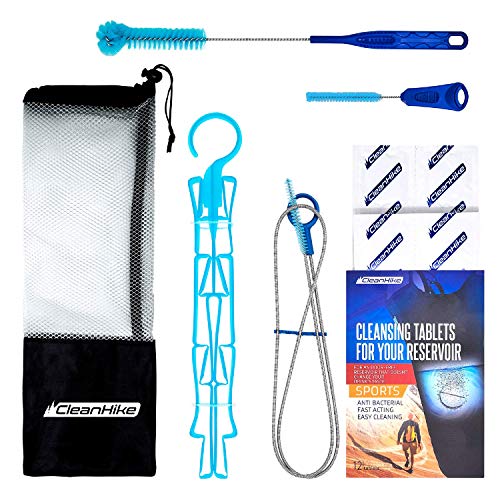

Cleaning and Deodorizing Your School Bag

When it comes to cleaning and deodorizing your school bag, a simple routine can make a big difference. You want your bag to feel fresh and last longer, so start by emptying everything out and shaking loose debris. For stain removal, spot clean using a gentle detergent mixed with water—dab, don’t rub, to protect the fabric. If your bag’s fabric allows, hand wash or use a delicate cycle, but always check care instructions first to avoid damage. After washing, air dry your bag fully to prevent mold and odors. To keep it smelling fresh between washes, sprinkle a little baking soda inside and let it sit overnight. This straightforward fabric care routine frees you from worrying about grime, keeping your bag ready for whatever adventure comes next.
Protecting Your Bag From Weather Elements
Although your school bag is designed for daily use, exposure to rain, snow, and sunlight can quickly wear down its materials. To keep your bag looking fresh and lasting longer, you should embrace waterproofing techniques tailored to its fabric. Applying a water-repellent spray can shield seasonal materials from moisture, preventing stains and deterioration. When winter hits, consider switching to bags made with weather-resistant fabrics or add protective covers to guard against snow and slush. In sunny months, store your bag away from direct sunlight to avoid fading and cracking. By adapting your care routine to the seasons and using simple waterproofing methods, you’ll maintain your bag’s freedom to accompany you anywhere without worrying about weather damage.
Organizing and Decluttering for Each Season

Keeping your bag protected from weather is just one part of maintaining it throughout the year. Seasonal organization and decluttering strategies help you keep your school bag light and efficient, freeing you from unnecessary weight and chaos. Each season calls for a quick refresh to remove old papers, snacks, or supplies that no longer serve you.
| Season | Decluttering Focus |
|---|---|
| Spring | Remove winter gear, add fresh stationery |
| Summer | Clear out extra layers, pack sun essentials |
| Fall | Prep for colder months, sort school projects |
| Winter | Store summer items, include warm accessories |
| Year-Round | Regularly empty crumbs, check for expired items |
A tidy bag means freedom to move and focus on what really matters.
Repairing Minor Damages and Wear
A few small tears or loose stitches can quickly turn into bigger problems if you don’t address them early. Taking a moment to repair your school bag frees you from worry and extends its life. Use simple stitching techniques like backstitch or whipstitch to reinforce seams and close tiny holes. Choose patching materials that complement your bag’s fabric—denim patches or leather pieces add durability and style.
Keep these in mind when fixing minor damages:
- Pinpoint weak spots before they worsen
- Use a needle and thread matching your bag’s color
- Apply patching materials with fabric glue or by sewing
- Tighten loose zippers or straps carefully
Repairing now means your bag stays ready for every adventure ahead.
Storing Your School Bag During Off-Seasons

Once you’ve repaired any minor damage, storing your school bag properly during off-seasons helps maintain its condition and prolong its lifespan. To keep your bag in top shape, choose a cool, dry spot for vacation storage, away from direct sunlight and humidity that can cause fading or mold. Before storing, empty all compartments and clean the bag thoroughly to prevent stains or odors. Using a breathable dust cover or cotton pillowcase can protect it from dust without trapping moisture. Incorporate seasonal rotation by swapping your school bag with others you use throughout the year, ensuring each bag gets rest and stays fresh. By following these simple steps, you’ll keep your school bag ready for action whenever freedom calls again.
Frequently Asked Questions
What Materials Are Best for Durable School Bags?
When choosing a durable school bag, you’ll want to weigh canvas vs nylon carefully. Canvas offers a rugged, classic feel and breathability, great if you want freedom from synthetic materials. Nylon, however, is lightweight, strong, and often waterproof, protecting your stuff in any weather. If you’re all about freedom and adventure, go for waterproof materials—whether coated canvas or nylon—to keep your gear safe and dry no matter where you roam.
How Often Should I Replace My School Bag?
You should replace your school bag when you notice clear replacement signs like torn straps, broken zippers, or worn-out fabric. Bag longevity varies depending on how much wear and tear your bag takes, but generally, a good quality bag lasts about 2-3 years. Don’t hold onto one past its prime; a fresh bag means more freedom to carry your essentials comfortably and confidently without worrying about it falling apart mid-day.
Are Backpacks Better Than Shoulder Bags for Students?
Did you know that 70% of students prefer backpacks over shoulder bags? That’s because backpack advantages include even weight distribution, which reduces back strain and keeps you moving freely throughout your day. Shoulder bag drawbacks, like uneven weight and slipping straps, can hold you back and cause discomfort. If you want freedom and comfort while carrying your books, a backpack’s definitely the way to go.
What Ergonomic Features Should a School Bag Have?
When choosing a school bag, you’ll want adjustable straps to customize the fit perfectly, giving you freedom to move without strain. Look for lumbar support too—it helps protect your lower back during long days. These ergonomic features keep your posture in check and reduce fatigue, so you can carry everything you need comfortably. Pick a bag that feels like it’s made just for you, letting you stay active and pain-free.
How Can I Personalize My School Bag Safely?
You can personalize your school bag safely by adding custom patches and bag charms that reflect your style without damaging the material. Just make sure to attach patches with fabric glue or sew them on gently, avoiding harsh adhesives. Choose bag charms with secure clasps so they won’t fall off or cause wear. This way, you keep your freedom to express yourself while protecting your bag for everyday use.

[…] buildup often requires both cleaning and deodorizing. Wash the insole surface with mild soap and water, then dry completely before deodorizing with […]
[…] most effective methods to remove mattress odors—starting with the source, then using proven cleaning and deodorizing steps that work on sweat, spills, and lingering mustiness. Follow it closely and you’ll know […]
[…] Light cleaning and deodorizing every 2–4 weeks for frequent […]