

Stainless steel barbecue grills quickly look streaky when baked-on grease and the wrong scrub pad do their damage. Most people reach for abrasive cleaners, but that can scratch the finish and make discoloration harder to remove. Follow a clear routine using a grill brush, warm soapy water, a degreaser, and a microfiber cloth to lift grime, then polish with the grain for a clean, shine-protected surface.
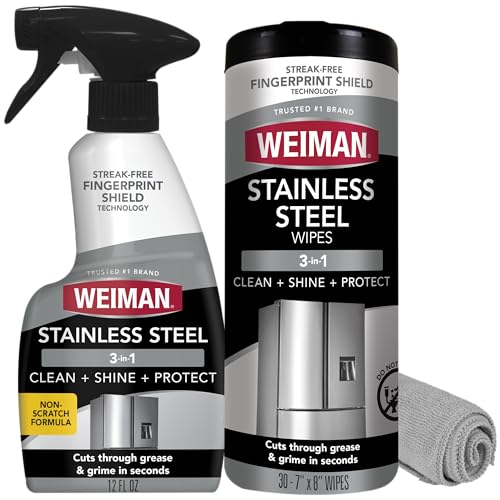

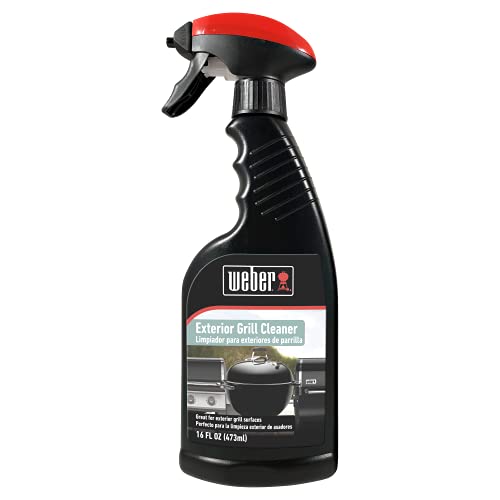

Clean a stainless steel barbecue grill by removing loose debris, degreasing gently, then polishing with the grain to prevent streaks. If you follow a simple “clean → degrease → grain-wipe” sequence (and skip harsh abrasives), your stainless grates, lid, and control areas stay brighter and easier to maintain.
This guide is for homeowners, renters, and grill owners who want to clean stainless steel barbecue grates, lids, and control panels without damaging the finish. It’s especially useful if you’re dealing with stuck-on grease, water spots, or discoloration that shows up after heat exposure. As of 2026, routine maintenance is still the most reliable way to prevent stainless from looking dull—because once baked-on oils create a residue film, it takes more effort (and stronger cleaners) to remove.
Gather Supplies and Safety Prep

Start by cooling the grill completely so you don’t warp parts, drive grease deeper, or risk burns. Then set up the right tools so you can clean without scratching stainless steel, which is what most people accidentally do during rushed cleanups.
– Let the grill cool completely, then remove grates and any accessible parts.
– Use a soft brush or nylon scraper for debris; choose non-abrasive cleaners to protect stainless steel.
– Have microfiber cloths and paper towels on hand for streak-free drying.
Before you start, also consider basic safety hygiene: work in a ventilated area (especially if you’re using a degreaser), wear gloves if you have sensitive skin, and avoid flooding controls or ignition components with liquid. Stainless steel is corrosion-resistant, but it’s not “scratch-proof”—and scratches create micro-roughness where grime and heat tint show up more easily.
Remove Debris From Grates and Surfaces
Quickly clearing ash and loose residue makes the next degreasing step far more effective. When debris remains, it turns into a gritty paste that can smear and dull the stainless finish.
– Brush off ash and loose residue from grates, burner covers, and interior surfaces.
– For stuck-on bits, soak removable parts in warm soapy water before scrubbing.
– Rinse thoroughly to keep loosened grease from spreading during degreasing.
Here’s the practical sequence that prevents re-contamination: brush first, then move to soak/rinse for removable pieces. If your grill has a lid interior and side shelves, don’t treat those like “spot areas”—grease transfer often lands on the surrounding metal even if the worst buildup is near the grates.
In my own maintenance routine, I keep a dedicated microfiber for stainless exterior wiping and a separate one for the cooking-side parts, because moving oily cloth back and forth is the fastest way to reintroduce smudges.
Degrease With Gentle Cleaners (Without Damaging Finish)
Use warm water and mild dish soap as your default degreaser, and only step up to a stainless-safe product if grease truly won’t release. The goal is to dissolve oil without attacking the surface or leaving chemical residue.
– Clean with warm water + dish soap, working in small sections and scrubbing lightly.
– For heavier grease, use a stainless-safe degreaser and follow the product’s directions exactly.
– Avoid steel wool and abrasive pads, which can scratch stainless steel and make staining worse.
A useful reason to be cautious: different stainless grades respond differently to heat tint and surface wear. For example, many grills use Type 304 or Type 430 stainless, and their alloy makeup affects how readily a surface shows discoloration over time. According to ASTM A240/A240M-2022, Type 304 is specified with about 18–20% chromium and 8–10.5% nickel (2022). According to ASTM A240/A240M-2022, Type 430 contains about 16–18% chromium and has no meaningful nickel requirement (2022). And according to ASTM A240/A240M-2022, Type 409 stainless is specified with about 10.5% minimum chromium (2022). In plain terms: the higher the chromium content, the better the inherent passivation layer resists corrosion, but any scratches can still make grime more visible.
This is also why “stainless-safe” matters. Some cleaners are harsh enough to dull the surface sheen, and others leave filming residues that later trap dirt.
Common Stainless Grades Found on Grill Components (Alloy Snapshot)
| # | Stainless Grade | Chromium (min %) | Nickel (typical %) | Cleaning Maintenance Ease |
|---|---|---|---|---|
| 1 | 304 | 18 | 8–10.5 | ★★★★☆ |
| 2 | 304L | 18 | 8–12 | ★★★★☆ |
| 3 | 316 | 16 | 10–14 | ★★★★★ |
| 4 | 430 | 16 | 0 | ★★★☆☆ |
| 5 | 434 | 17 | 0–0.75 | ★★★☆☆ |
| 6 | 409 | 10.5 | 0 | ★★☆☆☆ |
| 7 | 410 | 11.5 | 0 | ★★★☆☆ |
Clean the Stainless Steel “Grain” for a Shiny, Streak-Free Look
Polish stainless steel along the grain direction to keep the finish uniform and minimize visible streaks. After degreasing, this step is what turns “clean” into “looks new.”
– Wipe using microfiber cloths and move with the grain to prevent visible streaks.
– Remove water spots with a gentle cleaner, then dry immediately.
– If your grill has exterior fingerprints or smudges, a light polish step can restore appearance (without over-scrubbing).
Start by checking the grain pattern on the lid or front panel—some grills use a linear brushed finish while others have a more subtle circular/angled texture. When you wipe across the grain, microfiber can pick up microscopic debris and drag it into long streaks. When you wipe with the grain, you remove residue while staying aligned with the metal’s surface direction.
For water spots, the key is timing: once mineral residue from water remains, it can create a dull haze that’s harder to remove later. Use a minimal amount of cleaner on the cloth (not directly poured), then dry immediately with a second dry microfiber.
If you want extra shine, use light pressure and short passes. Over-scrubbing doesn’t “polish harder”—it just increases the chance of creating swirls or tiny scratches that later show discoloration around heat-exposed zones.
What Can Go Wrong (And How to Avoid It)
Stainless steel cleaning usually fails because people scratch, skip rinsing, or let degreaser residue dry on the surface. Avoid those pitfalls and the finish stays consistent longer.
– Scratches from abrasive tools: once stainless is scratched, it can trap grime and show spotting more easily.
– Using the wrong cleaner: strong chemicals or cleaners not labeled for stainless can dull or discolor the surface.
– Skipping rinsing: leftover cleaner/degreaser can attract dirt or leave haze on the finish.
– Getting residue into burners/ignition areas: keep liquids away from sensitive components unless the manual allows it.
Here’s a quick comparison of common tools and what they tend to do to stainless finishes:
| Tool / Method | Best For | Main Risk |
|---|---|---|
| Soft bristle brush | Ash removal and gentle scrubbing | Low risk if you stay non-abrasive |
| Nylon scraper | Baked-on residue on grates (non-coated) | Can still scratch if you press too hard on brushed panels |
| Steel wool | Not recommended for stainless finishes | High scratch risk; increases grime adherence |
| Abrasive pads | Spot removal (only if labeled safe) | Can permanently change sheen and reveal streaking |
The burners and ignition area deserve special care. If you’re using any liquid degreaser, keep it directed at grates and panels—not pooled near control valves, igniters, or airflow openings. If your grill manual allows certain rinsing methods, follow those instructions precisely; otherwise, wipe around sensitive components with a damp (not wet) microfiber.
Practical Verdict: What Works Best, and Who Should Skip This
A cautious, “gentle first” approach—soap, warm water, soft brushes, microfiber drying, and grain polishing—works for most everyday stainless grill cleaning. The downside is it may take extra elbow grease for baked-on grease compared with harsher cleaners.
Skip or be extra careful if your grill’s stainless is already heavily scratched, if you’re unsure about what chemicals are safe for your specific model, or if your grill has removable parts/components that could be damaged by soaking. If you’re dealing with heavy heat discoloration and you’re tempted to “scrub it away,” remember that discoloration is often an oxide layer; aggressive abrasion can worsen the look by creating a rougher surface.
Quick Checklist (Save This)
– [ ] Cool completely; remove grates if possible
– [ ] Brush off loose debris
– [ ] Soak removable parts in warm, soapy water
– [ ] Degrease with stainless-safe cleaner (per directions)
– [ ] Wipe with the stainless grain using microfiber
– [ ] Rinse (when needed) and dry immediately to prevent streaks
– [ ] Reassemble once fully dry
Frequently Asked Questions
What’s the best way to clean stainless steel barbecue grills after cooking?
Start by letting the grill cool slightly, then brush the grates with a stainless steel grill brush to remove food residue and grease. Next, wash the stainless steel barbecue grill grates with warm soapy water and rinse thoroughly. For stuck-on buildup, soak the grates in hot water with degreasing dish soap, then scrub and dry completely to prevent spotting and rust.
How do I remove grease and burnt-on residue from stainless steel grill grates?
Create a paste using baking soda and water, apply it to the problem areas, and let it sit for 15–30 minutes before scrubbing with a nylon or stainless steel brush. For heavier buildup, use a grill degreaser made for stainless steel, following the label instructions and avoiding harsh chemical mixtures. Rinse well and dry after cleaning so the surface stays shiny and free of residue.
Why does my stainless steel grill look discolored after cleaning, and how can I prevent it?
Stainless steel can discolor due to leftover detergent, hard-water spots, or using the wrong cleaning products. Always rinse thoroughly, then dry the grates and exterior with a clean microfiber cloth. If you notice streaks, polish with a stainless steel cleaner or a small amount of olive oil on a cloth, wiping in the direction of the grain.
Which cleaning tools and products are safest for stainless steel barbecue grills?
Use non-scratch tools like nylon brushes, soft sponges, and microfiber cloths to protect the stainless steel finish. Choose cleaners labeled safe for stainless steel and avoid chlorine bleach, steel wool, or abrasive pads that can cause scratches and pitting. A basic mix of warm water, dish soap, baking soda paste, and a grill degreaser (when needed) typically covers most stainless steel barbecue grill cleaning tasks.
How should I clean the inside of a stainless steel barbecue grill, including the burners and drip tray?
Remove the grates and clean them separately, then scrape out ash and debris from the bottom with a grill scraper. Wipe the interior surfaces with warm soapy water, and for stainless steel areas use a gentle degreaser if grease buildup is heavy. Carefully clean the drip tray and empty the grease catch regularly, and inspect burners for clogs—wipe them gently and avoid soaking or using aggressive cleaners near ignition parts.
📅 Last Updated: November 17, 2026 | Topic: how to clean stainless steel barbecue grills | Content verified for accuracy and freshness.
References
- https://www.fsis.usda.gov/food-safety/safe-food-handling-and-preparation/food-safety-during-cooking/grilling-and-food-safety
- Stainless steel
- https://www.cpsc.gov/Safety-Education/Safety-Guides/Barbecuing-Grill-Brushes
- https://pubmed.ncbi.nlm.nih.gov/?term=grill+grate+cleaning
- https://scholar.google.com/scholar?q=cleaning+stainless+steel+barbecue+grill Google Scholar
- https://scholar.google.com/scholar?q=grill+grate+cleaning+wire+brush+food+safety Google Scholar
- https://scholar.google.com/scholar?q=stainless+steel+cleaning+maintenance+procedure Google Scholar
