

To clean a marble tombstone safely at home, use gentle water rinsing and a pH-neutral cleaner—never acids or abrasive scrubbing. With soft microfiber cloths, a soft-bristle brush, and careful blot-drying, most touch-ups take about 15–30 minutes and can be done without damaging the stone. Follow a simple rinse-clean-rinse routine and you’ll restore legibility while protecting the marble’s surface.


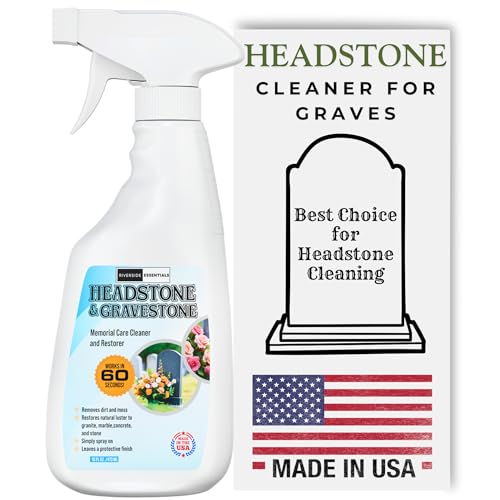

Clean a marble tombstone by removing loose dirt first and using only pH-neutral, marble-safe cleaners with soft tools—never acids or bleach. Follow a gentle sequence (dirt → organic growth → stains), rinse thoroughly, and dry completely so you don’t trap moisture and restart staining.
If you’re trying to restore a marble headstone that’s dull, spotted, or has green/black buildup (lichen, algae, mildew), this guide is for you. It’s also useful when you’re not sure whether a stain is “surface dirt” versus discoloration that has penetrated deeper into the stone—an important distinction for avoiding permanent damage.
Gather the right supplies (and skip the harmful ones)

Choose soft, pH-neutral supplies that clean without etching or scratching. This is the single biggest factor in keeping a marble tombstone looking good long-term, especially as of 2026 when many “instant stain” products still rely on acids.
Before you start, remember what you’re working with: most marble is primarily calcium carbonate (calcite). Calcite’s Mohs hardness is about 3, which helps explain why marble can scar and lose surface detail when you use abrasive tools (USGS Mineral Resources Program—Mohs hardness reference for calcite). Marble density is commonly cited around 2.7 g/cm³ (Encyclopaedia Britannica—marble as calcium carbonate rock; physical property overview), which is why it can feel solid while still being vulnerable at the surface during cleaning.
Tools and chemicals to use
– Soft natural-bristle brushes (boar hair or similar) for controlled agitation around carvings and lettering.
– Microfiber cloths for gentle application and wiping without grit.
– Buckets of clean water (more than one is better) so you’re not re-depositing dirt.
– pH-neutral / marble-safe soap or cleaner labeled for natural stone. Prefer products that explicitly state they’re safe for marble, limestone, and calcite-based surfaces.
– Optional: a spray bottle used only for *light* wetting (not blasting), and non-metal measuring cups for accurate dilution if the product requires it.
Tools and chemicals to avoid (the “don’t etch marble” list)
– Acidic products like vinegar or lemon juice. Vinegar is typically around pH 2–3 because it contains acetic acid (USDA FoodData Central—vinegar composition and acidity context; pH range commonly reported in food chemistry references).
– Rust removers that use acids (even if they work fast, they can leave marble with a lasting haze).
– Bleach or harsh disinfectants. They don’t just “kill” growth—they can chemically alter surfaces and leave uneven residue that re-attracts grime.
– Steel brushes, abrasive pads, and dry scrubbing with grit in hand. Because calcite is so soft, these actions can create micro-scratches that later look like “permanent dullness.”
> If the tombstone is already sealed, follow the sealer’s compatibility guidance. Sealer types vary (for example, penetrating silane/siloxane vs. film-forming coatings), and not every “marble-safe” cleaner is non-stripping. When in doubt, test in a hidden area first and avoid anything described as “stripping,” “degreasing,” or “restoring” coatings unless you can confirm it’s compatible.
Prep the tombstone before any scrubbing
Prep is what keeps marble tombstone cleaning from turning into permanent polishing of embedded grit. A simple two-step prep—loose debris off first, controlled wetting second—often delivers most of the visible improvement with the least risk.
Document and test before you touch the surface
– Photograph the condition from multiple angles (front face, lower edge, and any crevices). For marble tombstones, lighting matters; photos help you evaluate changes after cleaning.
– Do a small spot test in an inconspicuous area (often near the base or behind a curve). Let the area dry fully, because wet haze can mislead you in the moment.
Remove dry debris the gentle way
– Dry-brush loose debris first: leaves, dust, cobwebs, and loose grit.
– Lightly dampen the surface next—just enough to keep you from grinding dirt into pores while you clean. With marble tombstones, that “light wetting” step reduces abrasion and helps keep runoff from carrying embedded particles into carved details.
Clean in stages: dirt first, then organic growth, then stains
This is the safest approach because it prevents you from scrubbing biological buildup into the pores before you understand what’s actually staining the marble. For marble tombstones, “stage cleaning” also helps you avoid repeating the wrong method—soap won’t fix mineral staining, and aggressive scraping won’t solve lichen.
Stage 1: General grime (surface soil, dust, soot)
– Use a mild pH-neutral cleaner applied with a cloth or a soft brush.
– Work top to bottom so you don’t re-soil areas you already cleaned.
– Use light pressure and short strokes, especially over lettering and carved borders.
Stage 2: Green/black organic growth (lichen, algae, mildew)
Organic growth often looks like it’s “part of the stone,” but it’s usually a surface film plus biological byproducts that trap moisture. On a marble tombstone, the goal is to remove the growth without mechanically damaging the face.
– Use a soft brush and a marble-safe approach consistent with the cleaner’s label directions.
– Avoid aggressive scraping. Marble is softer than people expect (calcite hardness ~3), and repeated scraping can create permanent texture changes.
– If the growth returns, it usually indicates lingering moisture conditions—continued prevention matters (proper drainage, avoiding splashback from sprinklers, and consistent drying).
Stage 3: Stubborn discoloration (when it might be a real stain)
Treat it as an “unknown stain” and slow down. Many marble tombstone discolorations are mineral-based and won’t fully lift with repeated soap scrubbing.
If you can describe the stain type, you can narrow the safest next step:
– Orange/brown rings or streaks: often iron-related rust staining from nearby metal components or soil contact.
– Dark blotches: can be biological residue, soot-like deposition, or deeper mineral contamination.
– Green patches: commonly associated with algae/lichen and moisture retention.
– White haze or chalking: may be residue, efflorescence, or etching/alteration from incompatible cleaning.
For the marble tombstone cleaning process, the rule is: gentle first, then method-specific if you can identify the stain mechanism.
Rinse thoroughly and dry correctly
Rinsing is where you protect marble tombstones from “cleaner film” that attracts dirt back to the surface. Drying correctly also helps stop biological regrowth.
– Rinse with plenty of clean water until no cleaner residue remains. Residue can leave a film that looks like dullness or haze and then collects grime faster.
– Pat dry or air-dry naturally. Let the stone dry fully, including carved recesses.
– Avoid pressure washers and strong jets. Marble tombstones can have hairline fractures, micro-cracks, and gaps in lettering. High-pressure water can drive contaminants deeper and increase the risk of surface damage over time.
What can go wrong (and how to avoid it)
Even when you use “gentle” cleaners, marble tombstone cleaning can go wrong if the process breaks the basic rules: no acids, no abrasive tools, no dirty rinse water, and no extended wetting.
Common problems
– Etching and permanent haze: acidic products (vinegar/lemon) and certain rust removers can etch marble because calcite-based stone reacts with acids.
– Staining spread from abrasive grit: scrubbing dry debris, or letting runoff sit and dry, can move contaminants into pores and carved details.
– Chipped lettering and damaged inscriptions: steel brushes, scraping edges with tools, or abrasive pads can round off sharp carving profiles.
– Trapped moisture: heavy soaking, repeated clean cycles without full drying, or cleaning during conditions that encourage freeze-thaw (especially in colder climates) can worsen biological growth and surface alteration.
A practical prevention mindset
The best marble tombstone cleaning outcomes usually come from a “least intervention” approach: remove loose dirt, use the mildest effective method, and stop once the stone looks stable after drying.
Verdict: what works best for most marble tombstones (and who should skip)
For most marble tombstones, the best path is gentle first, test often: dry-brush loose debris, wash with a pH-neutral/marble-safe cleaner, rinse thoroughly, and handle organic growth with careful, label-following steps. The downside is that deep mineral-based stains may not fully lift with mild cleaning—repeated scrubbing can make the marble tombstone look worse.
Below is a direct comparison that helps you decide when DIY is appropriate versus when to pause and get help:
Skip DIY (or pause and get help) if any of these apply
Skip DIY—or contact a local stone conservator or cemetery-approved contractor—if:
– the marble tombstone is loose, cracked, or fragile, and could shift while you clean it,
– the inscription is heavily damaged and needs preservation rather than surface cleaning,
– you see signs of structural failure (wide fractures, unstable base, shifting stone),
– or you’re unsure what’s on the stone (unknown coating/sealer, prior “restoration” attempts, or a treatment that may react unpredictably).
📋 DATA TABLE: Tools and Materials That Can Damage Marble (Mohs Hardness vs. Scratch Risk)
Abrasives/Materials Commonly Encountered Near Tombstone Cleaning: Mohs Hardness & Marble Scratch Risk
| # | Material that may contact the stone | Mohs hardness | Where it shows up in cleaning | Scratch-safe rating |
|---|---|---|---|---|
| 1 | Calcite (marble’s main mineral) | 3 | The stone you’re cleaning | ★★★★★ |
| 2 | Iron (steel components) | 4.0–4.5 | Tool parts, hardware, some brush bristles | ★★★☆☆ |
| 3 | Glass | 5.5–6.5 | Loose grit/debris around the site | ★★☆☆☆ |
| 4 | Quartz | 7 | Sand/grit carried by wind or shoes | ★☆☆☆☆ |
| 5 | Emery (abrasive) | ~7–8 | Abrasive powders, some pads | ★☆☆☆☆ |
| 6 | Aluminum oxide (corundum) | 9 | Abrasive blasting media, sanding pads | ★☆☆☆☆ |
| 7 | Silicon carbide (abrasive) | 9.5 | Abrasive coatings/pads, heavy-duty grit | ★☆☆☆☆ |
Quick checklist you can save
| Step | Do this | Avoid this |
|---|---|---|
| 1 | Dry-brush loose dirt | Wire/steel brushes |
| 2 | Test cleaner in a hidden spot | Vinegar, lemon, acids |
| 3 | Use pH-neutral/marble-safe soap | Bleach or harsh disinfectants |
| 4 | Brush gently top-to-bottom | Scraping or abrasive pads |
| 5 | Rinse until residue is gone | Leaving runoff to dry on the surface |
| 6 | Air-dry or pat gently | Pressure washers / strong jets |
Frequently Asked Questions
What is the safest way to clean a marble tombstone without damaging it?
Start by rinsing the marble tombstone with clean water to remove loose dirt, then use the gentlest method first. Use a soft-bristle brush and plain water, and if needed apply a mild, pH-neutral cleaner specifically intended for stone. Avoid acidic products like vinegar or lemon juice and avoid pressure washing, as these can etch marble and worsen long-term staining.
How do you remove lichen, moss, and algae from a marble grave marker?
Gently remove surface growth with a soft brush after lightly wetting the marble tombstone, working in small sections. For persistent lichen or algae, use a cleaner labeled safe for marble and follow the directions carefully, keeping the solution off surrounding plants and soil as much as possible. Rinse thoroughly with water when finished, and allow the stone to dry completely to prevent re-growth.
Why do marble tombstones get stained, and what cleaning approach works best for each stain type?
Marble tombstones often stain from iron in soil, mineral deposits, biological growth, and airborne soot that accumulates in crevices. For general grime, water and a pH-neutral cleaner usually work best; for mineral-looking white deposits, use a stone-safe approach rather than acidic household cleaners. If stains are deep or uneven, consider contacting a professional stone restoration service because improper marble cleaning products can permanently dull or etch the surface.
What cleaning products should you use (and avoid) when cleaning marble memorials?
Use pH-neutral, stone-safe cleaners and non-abrasive tools like soft brushes or microfiber cloths for marble tombstone care. Avoid harsh chemicals, acids, and abrasive scrubbing pads that can damage polished or honed finishes. Also skip pressure washers and chlorine bleach unless a product is explicitly approved for marble, since these can accelerate surface deterioration.
Which step-by-step method should you follow for a routine deep cleaning of a marble tombstone?
Begin with a dry brush to remove loose debris, then lightly wet the marble tombstone and rinse to flush out grit. Wash using a soft brush with water and a pH-neutral cleaner, working gently and letting the cleaner dwell briefly only as directed. Rinse thoroughly, blot or allow to air-dry, and avoid sealing immediately after cleaning unless the product is specifically recommended for marble by a restoration professional.
📅 Last Updated: November 23, 2026 | Topic: how do you clean a marble tombstone | Content verified for accuracy and freshness.

[…] deeper into pores. You can restore a clean, even finish safely with a simple, gentle routine using pH-neutral cleaner, soft brushes, and controlled rinsing. Plan about 30–60 minutes per statue, and you will be able […]